Are Betta Fish Interactive
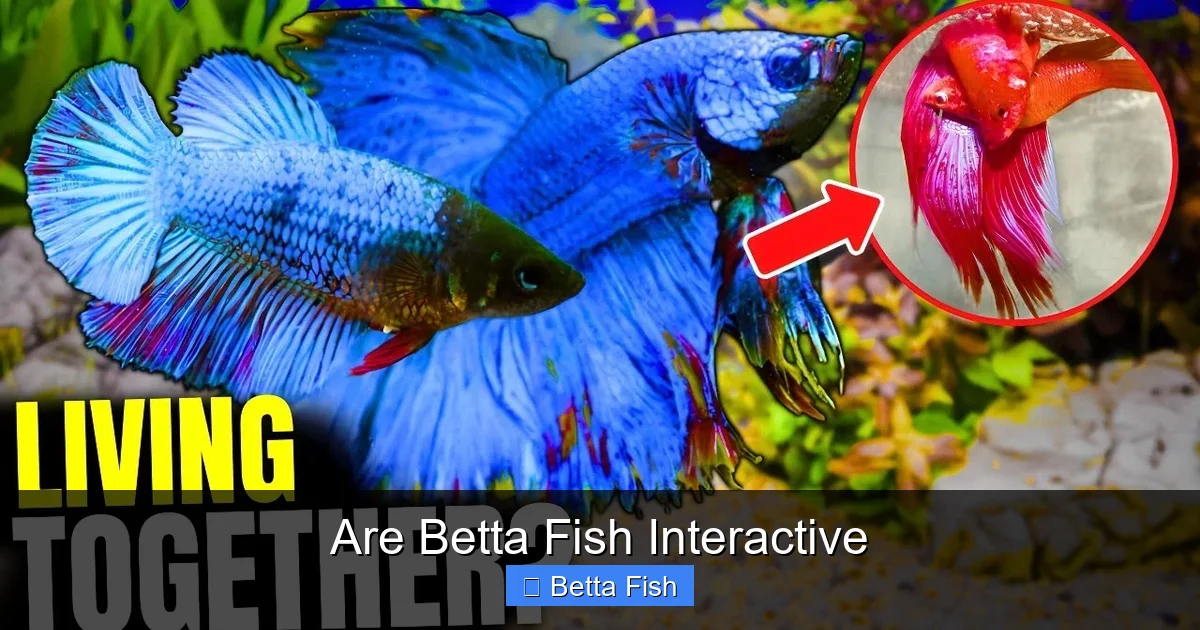
Betta fish can be surprisingly interactive, showing curiosity, learning tricks, and even recognizing their owners. With the right environment, enrichment, and gentle handling, you’ll see your finned friend respond to your presence and become a lively companion. Read on for practical tips to make your betta’s world more engaging.
Key Takeaways
- Betta fish are observant: They watch movement and can learn to associate you with food.
- Interaction needs enrichment: Plants, toys, and varied feeding methods stimulate curiosity.
- Gentle handling works: Hand‑training builds trust without causing stress.
- Tank setup matters: A well‑filtered, appropriately sized tank encourages natural behavior.
- Consistency is key: Regular routines help bettas recognize and respond to you.
- Not all bettas are the same: Personality varies by strain, sex, and individual temperament.
- Safety first: Always monitor stress signals to keep your fish happy and healthy.
📑 Table of Contents
- Introduction: Why Talk About Betta Interaction?
- 1. The Natural Behavior of Betta Fish
- 2. Signs That Your Betta Is Paying Attention
- 3. Creating an Interactive Environment
- 4. Training Your Betta: Simple Tricks and Conditioning
- 5. Common Mistakes That Hinder Interaction
- 6. Frequently Overlooked Factors That Boost Interaction
- Conclusion: Making Your Betta a True Companion
Introduction: Why Talk About Betta Interaction?
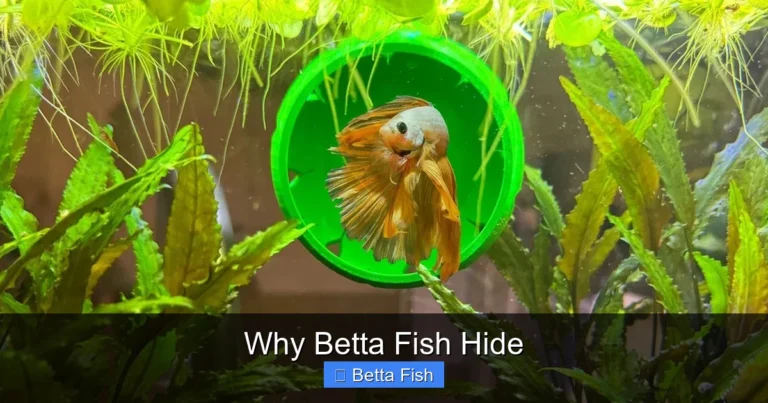
If you’ve ever watched a betta flare its fins at a passing shadow, you might think these fish are only interested in fighting. The truth is a lot more nuanced. While bettas are famous for their aggression toward other males, they are also curious, intelligent, and capable of forming simple bonds with their owners. Understanding are betta fish interactive helps you move beyond the myth of the “lonely, aggressive fighter” and see your pet as a lively companion.
In this article we’ll explore the science behind betta behavior, share hands‑on tips for encouraging interaction, and answer the most common questions pet owners have. By the end, you’ll know exactly how to turn a solitary-looking fish into a curious and responsive “friend” in your home.
1. The Natural Behavior of Betta Fish
1.1 Wild Roots and Territorial Instincts
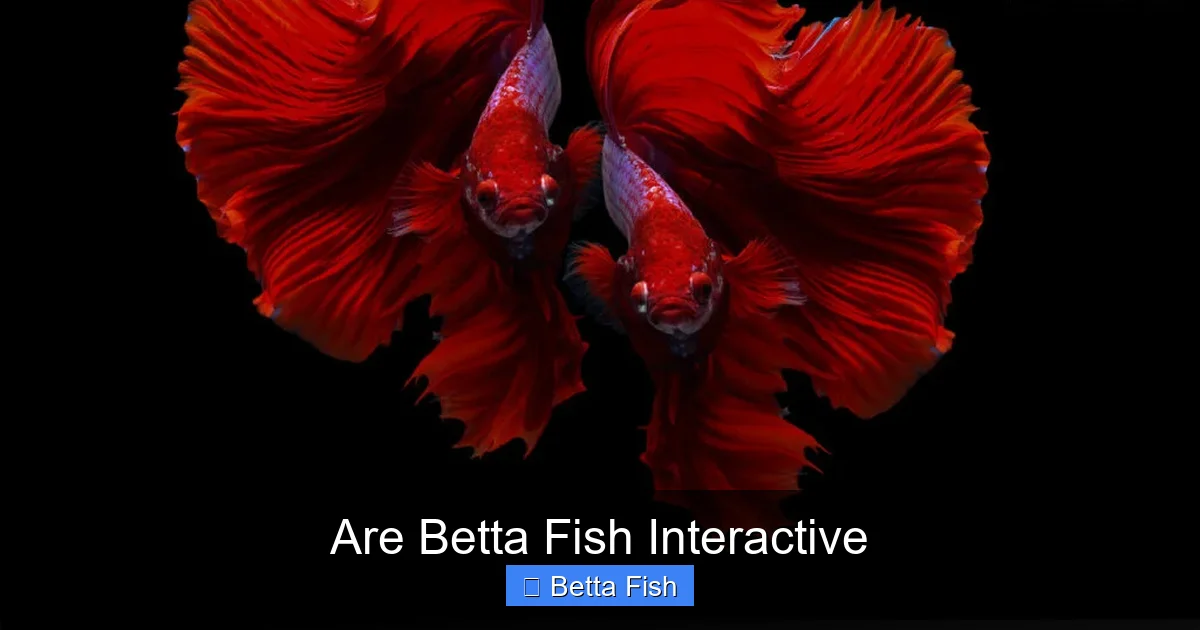
Betta fish (Betta splendens) originate from the shallow, slow‑moving waters of Thailand, Malaysia, and Cambodia. In the wild they live among dense vegetation, hide under leaves, and defend tiny territories against rivals. This territorial nature is why male bettas flare and puff when they see a reflection.
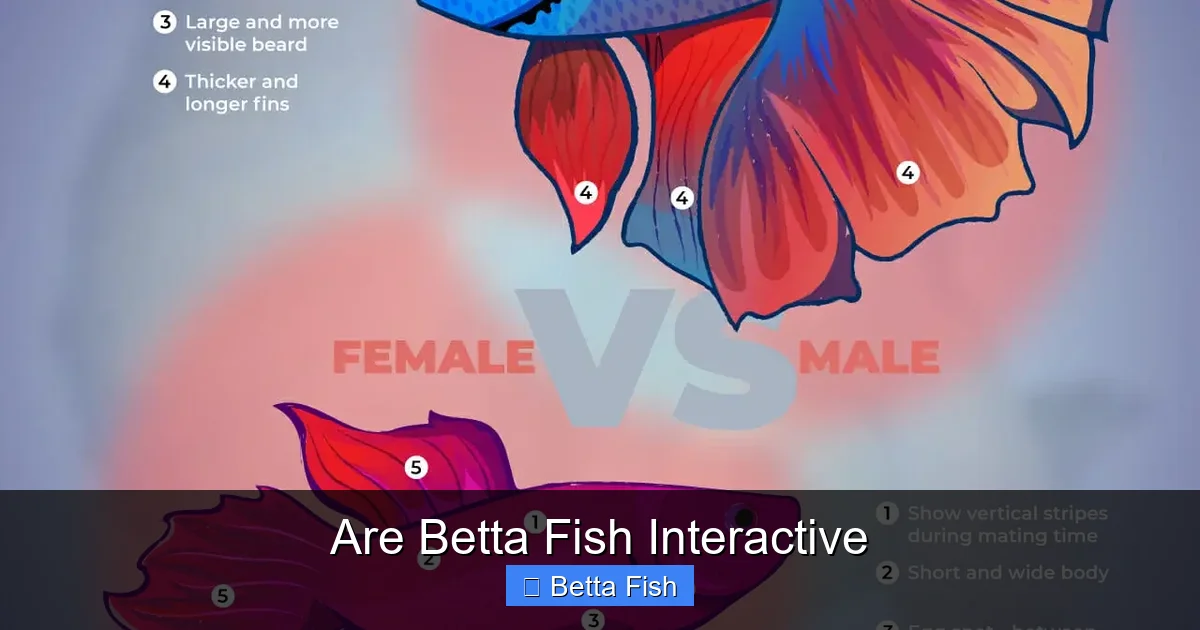
Visual guide about Are Betta Fish Interactive
Image source: ekk4j69ebaa.exactdn.com
1.2 Social Signals in a Solo World
Even though they are solitary in the wild, bettas are not socially dead. They use visual cues—fin displays, color changes, and body posture—to communicate with rivals and potential mates. Those same cues can be redirected toward a human caretaker who moves consistently in front of the tank.
1.3 Are Betta Fish Nocturnal?
Betta activity peaks during daylight, especially in the early morning and late afternoon. They are not strictly nocturnal, but they do have short rest periods. Knowing are betta fish nocturnal helps you schedule interaction sessions when they’re most alert.
2. Signs That Your Betta Is Paying Attention
2.1 The “Follow‑the‑Finger” Test
Place a clean finger gently on the glass near the water line and watch. An interactive betta will often turn its body to follow the movement, sometimes swimming directly toward you. This is a clear sign of visual focus.
Visual guide about Are Betta Fish Interactive
Image source: buildyouraquarium.com
2.2 Mouth‑Opening and “Bubble‑Blowing”
When excited, bettas may gulp air at the surface and release bubbles. If this behavior increases when you’re near, it’s a sign they associate you with positive stimulation—much like a dog wagging its tail.
2.3 Color Changes and Fin Displays
Brightening of colors or a slight flare can indicate excitement. However, a darkening or loss of color may signal stress, so watch the context closely.
3. Creating an Interactive Environment
3.1 Tank Size and Layout
The myth that bettas thrive in tiny bowls is outdated. A 5‑gallon (19‑liter) tank with a gentle filter provides ample swimming space and stable water parameters. A larger tank also allows you to add décor that encourages exploration.
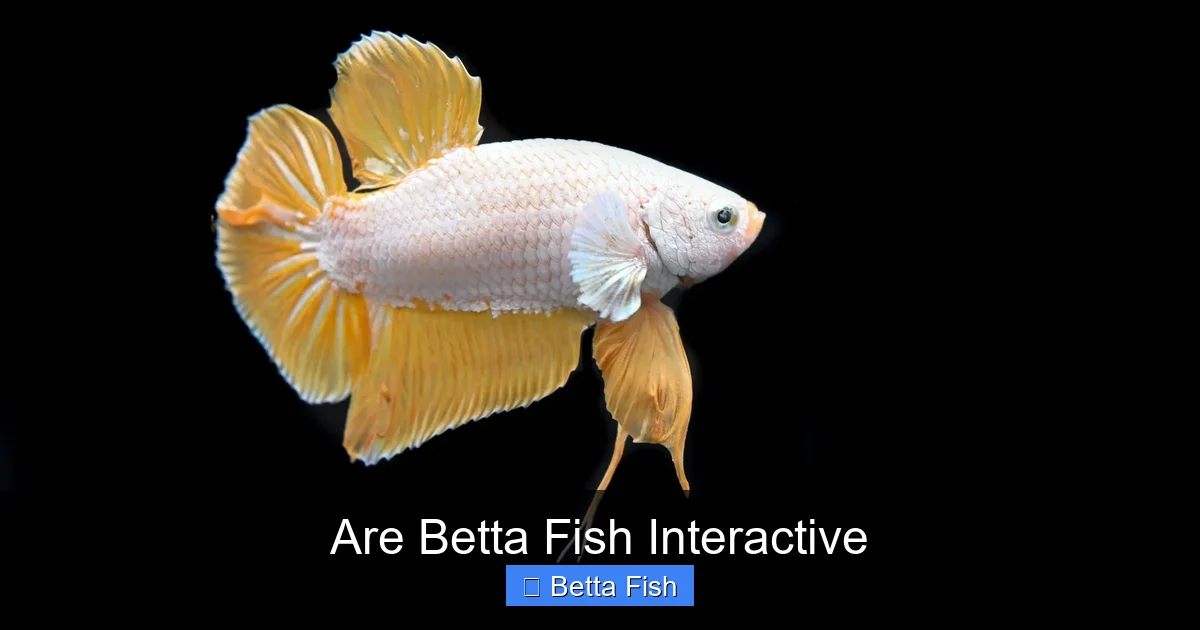
Visual guide about Are Betta Fish Interactive
Image source: splashyfishstore.com
3.2 Live Plants and Hiding Spots
Live plants such as Java fern or Anubias not only improve water quality but also give your betta places to investigate. For more ideas, see which live plants are good for betta fish.
3.3 Enrichment Toys
Simple items like a floating ping‑pong ball, a small mirror, or a piece of smooth PVC pipe can become “toys.” Move them gently each day to keep curiosity alive.
3.4 Varied Feeding Techniques
Instead of always dropping flakes, try using a tiny pipette to “feed” floating pellets or offer live foods like brine shrimp. This variation encourages the betta to come out of hiding and interact with the feeding tool.
4. Training Your Betta: Simple Tricks and Conditioning
4.1 The “Come‑When‑Called” Cue
1. Choose a consistent sound, like a soft click or a gentle whistle.
2. When the betta is near the surface, make the sound and immediately give a small food reward.
3. Repeat 5‑10 times per session, once daily. Over a week, many bettas will associate the sound with food and swim toward the glass.
4.2 Target Training with a Popsicle Stick
Attach a tiny, non‑toxic colored tip to a clean popsicle stick. Move it slowly across the tank surface. When the betta follows, reward with a bite of bloodworm. This builds focus and can later be used for “high‑five” tricks.
4.3 Conditioning for Hand‑Feeding
Gently place a finger on the glass and let the betta see you holding a food morsel. Offer the food directly onto the glass. With patience, many bettas learn to take food from your hand—a rewarding interaction for both parties.
5. Common Mistakes That Hinder Interaction
5.1 Over‑Handling and Stress
While gentle hand‑feeding is beneficial, repeatedly tapping the glass or trying to scoop the fish can cause stress. Look for signs like rapid gill movement, clamped fins, or hiding.
5.2 Inconsistent Routines
Betta fish thrive on routine. Feeding at wildly different times or moving décor constantly can confuse them, reducing interactive responses.
5.3 Poor Water Quality
Ammonia spikes, high nitrate, or incorrect temperature (78‑80°F/25‑27°C) will make a betta lethargic and uninterested. Regular water changes and a reliable heater are essential.
5.4 Ignoring Their Aggressive Nature
Male bettas are naturally aggressive toward other males. Keeping two males together will lead to constant fighting and stress, eliminating any chance for interaction with you. Learn why are male betta fish kept separate for more details.
6. Frequently Overlooked Factors That Boost Interaction
6.1 Light Cycles
A 10‑hour light and 14‑hour dark cycle mimics natural conditions and helps the betta establish a rhythm. Too much light can cause stress; a dimming timer works well.
6.2 Sound and Vibration
Betta fish can sense low‑frequency vibrations. Soft background music or the hum of a filter can create a calming environment, making them more likely to explore.
6.3 Seasonal Changes
During breeding season (typically the warmer months), bettas become more active and may display heightened curiosity. Use this time to introduce new enrichment.
6.4 Knowing Their Species Basics
Understanding the broader picture—what are betta fish, their natural habitat, and needs—helps you set realistic expectations for interaction.
Conclusion: Making Your Betta a True Companion
Answering the question are betta fish interactive isn’t a simple yes or no. The reality is that bettas can be highly responsive when you provide the right conditions: a spacious, well‑filtered tank, plenty of visual and tactile enrichment, and consistent, gentle interaction. By observing their cues, using simple training techniques, and avoiding common pitfalls, you’ll watch your betta turn from a solitary flarer into a curious, engaged pet that greets you at the glass.
Remember, each betta has a unique personality. Some may learn tricks quickly, while others prefer to watch from a distance. Patience and respect for their natural instincts are the keys to a rewarding relationship. So go ahead—try a click‑and‑feed routine, add a new plant, and enjoy the subtle, rewarding moments of connection with your vibrant finned friend.
Frequently Asked Questions
Do betta fish recognize their owners?
Yes. Betta fish can learn to associate a specific person’s presence, voice, or hand movement with feeding, showing a clear sign of recognition.
Can bettas be trained to do tricks?
They can learn simple behaviors like swimming to a target, following a finger, or taking food from your hand with consistent, positive reinforcement.
How often should I interact with my betta?
Short, daily sessions of 5‑10 minutes are ideal. Too much handling can cause stress, while regular brief interactions build trust.
Are female bettas less interactive than males?
Female bettas are often less aggressive and can be just as curious. Their interaction level depends more on individual temperament than sex.
What if my betta shows no interest?
Check water quality, tank size, and lighting first. A stressed or unhealthy betta will be less likely to engage. Adjust conditions and try gentle hand‑feeding after a few days.
Do bettas need companions to be interactive?
No. Betta fish are solitary by nature. Adding other fish can cause stress unless you choose very peaceful, compatible species and provide ample space.