Are Betta Fish Fresh Water Fish
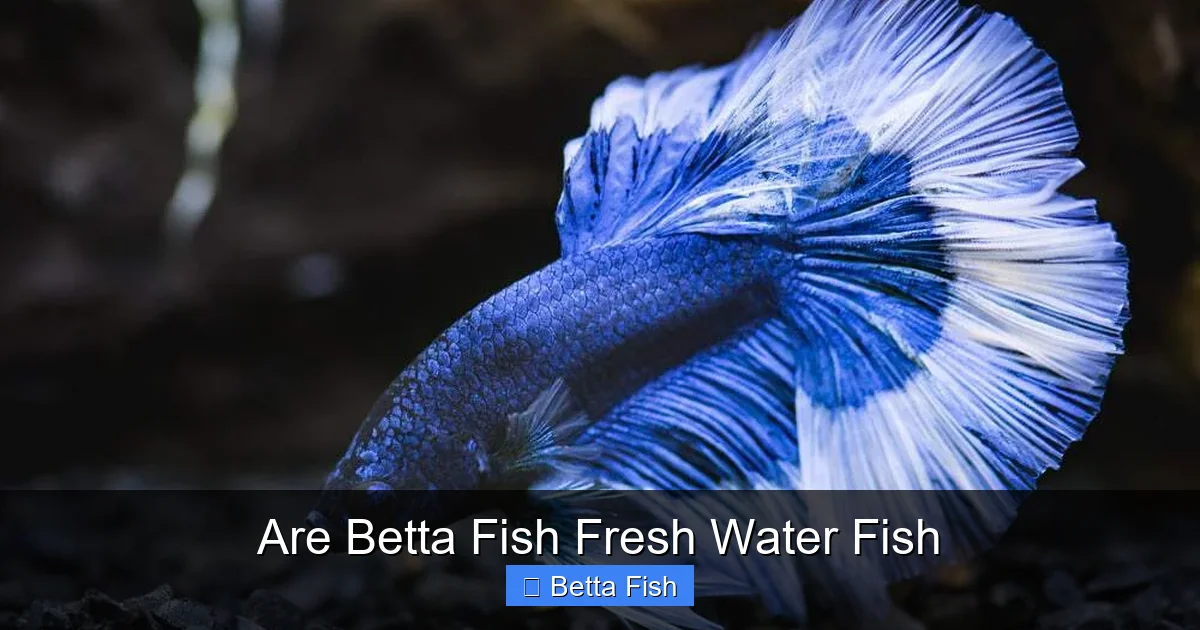
Betta fish are indeed fresh‑water fish, thriving in warm, soft, low‑oxygen waters of Southeast Asia. Understanding their natural environment helps you set up the perfect tank, choose the right water parameters, and keep your betta healthy and vibrant.
Key Takeaways
- Natural habitat: Betta fish originate from slow‑moving fresh‑water streams, rice paddies, and swamps.
- Water preferences: They need warm (78‑82°F), soft, slightly acidic water with low nitrate levels.
- Tank setup: A minimum of 2‑5 gallons, gentle filtration, and plenty of hiding spots mimic their wild homes.
- Oxygen needs: Bettas have a labyrinth organ, so they can breathe air at the surface and tolerate lower oxygen.
- Care simplicity: While hardy, bettas still require regular water changes and monitoring of parameters.
- Compatibility: Male bettas are aggressive; females can coexist in sorority groups with care.
- Health clues: Watch for faded colors, torn fins, or erratic swimming as signs of water‑quality issues.
📑 Table of Contents
- Introduction: Why the Fresh‑Water Question Matters
- 1. The Natural Home of Betta Fish
- 2. Confirming the Fresh‑Water Status
- 3. Setting Up the Perfect Fresh‑Water Betta Tank
- 4. Water Parameters: The Heart of Fresh‑Water Care
- 5. Feeding and Nutrition in Fresh Water
- 6. Common Misconceptions About Betta Fresh‑Water Care
- 7. Health Checklist for Fresh‑Water Bettas
- Conclusion: Embrace the Fresh‑Water Lifestyle
Introduction: Why the Fresh‑Water Question Matters
If you’ve ever stared at a dazzling betta swimming in a tiny bowl, you might wonder, “Are betta fish fresh water fish?” The answer is a resounding yes, but the truth goes deeper than a simple yes or no. Knowing that bettas are fresh‑water dwellers unlocks the secrets to their health, behavior, and stunning colors.
In this friendly guide we’ll walk through the science of betta habitats, the exact water conditions they crave, and how to recreate a slice of their natural world at home. By the end, you’ll feel confident setting up a tank that lets your betta thrive—not just survive.
1. The Natural Home of Betta Fish
Where Betta Fish Come From
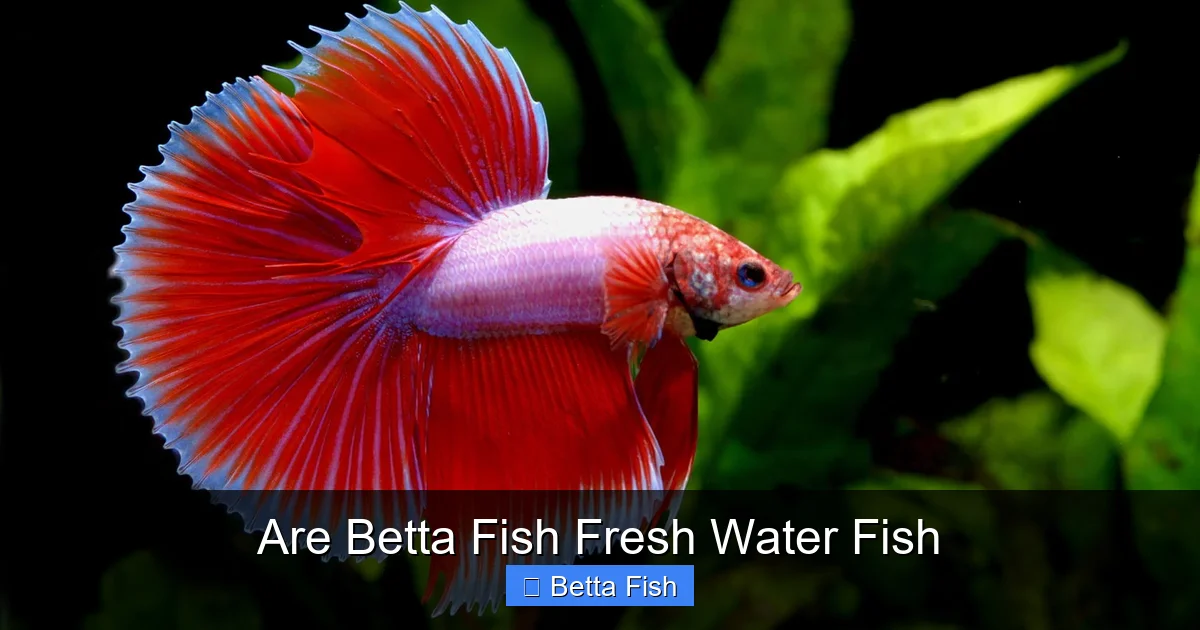
Bettas (Betta splendens) are native to the shallow, slow‑moving waters of Thailand, Malaysia, and Cambodia. They live in rice paddies, flood‑plain swamps, and forest streams that are often shaded by dense vegetation.
Visual guide about Are Betta Fish Fresh Water Fish
Image source: images3.alphacoders.com
Key Features of Their Wild Environment
- Warm temperatures: Sun‑heated water stays between 78 °F and 82 °F (25‑28 °C) year‑round.
- Soft, slightly acidic water: pH typically ranges from 6.0 to 7.0, with a general hardness (GH) of 3‑5 dGH.
- Low oxygen levels: Stagnant pools have little flow, so bettas developed a labyrinth organ to gulp air from the surface.
- Plenty of cover: Floating leaves, root systems, and dense plants give them places to hide from predators.
These conditions are the blueprint for a successful home aquarium.
2. Confirming the Fresh‑Water Status
Fresh‑Water vs. Brackish vs. Marine
Fish are classified by the salinity of the water they live in. Fresh‑water species, like bettas, thrive in water with less than 0.5 ppt (parts per thousand) salinity. Brackish fish need a mix of fresh and salt water, while marine species require full seawater salinity (about 35 ppt).
Visual guide about Are Betta Fish Fresh Water Fish
Image source: i.pinimg.com
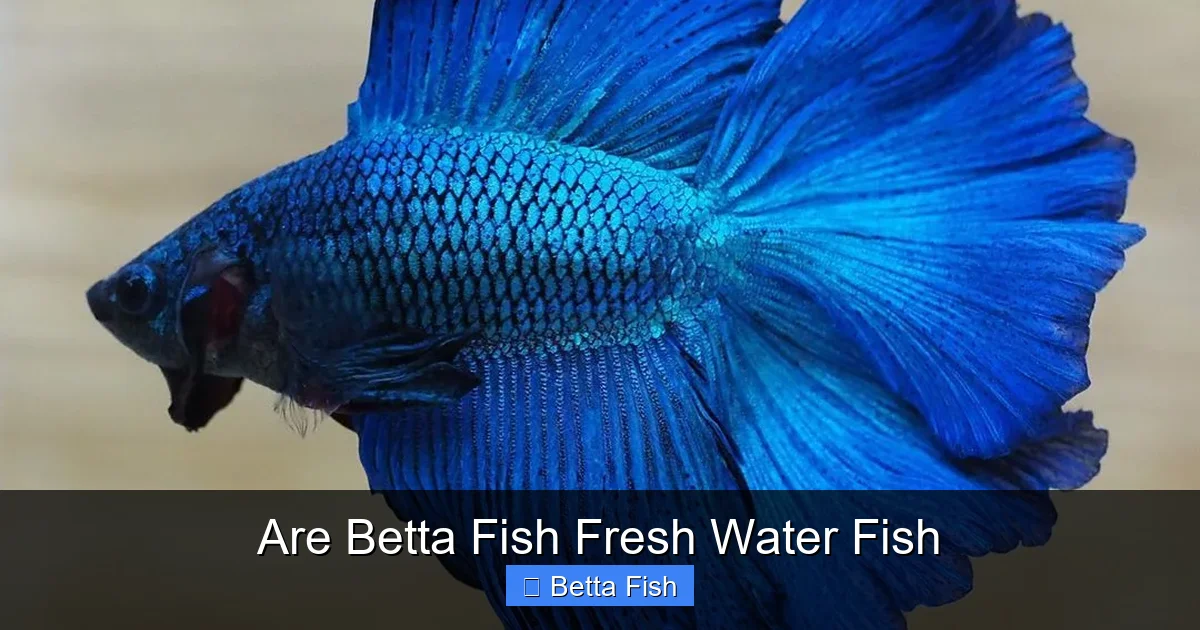
Because bettas come from inland habitats far from the sea, they are unequivocally fresh‑water fish. This means you never need to add marine‑type salts to their tank, and you can use tap water that’s been conditioned.
Why the Labyrinth Organ Matters
The labyrinth organ is a specialized respiratory structure that lets bettas breathe atmospheric oxygen. It’s a brilliant adaptation for low‑oxygen fresh water. While this makes them tolerant of small, unfiltered bowls, it also means they still benefit from clean, well‑maintained water.
3. Setting Up the Perfect Fresh‑Water Betta Tank
Choosing the Right Size
Even though bettas can live in tiny containers, a 2‑5 gallon tank gives them space to explore, reduces stress, and makes water maintenance easier. Larger volumes also help keep temperature stable.
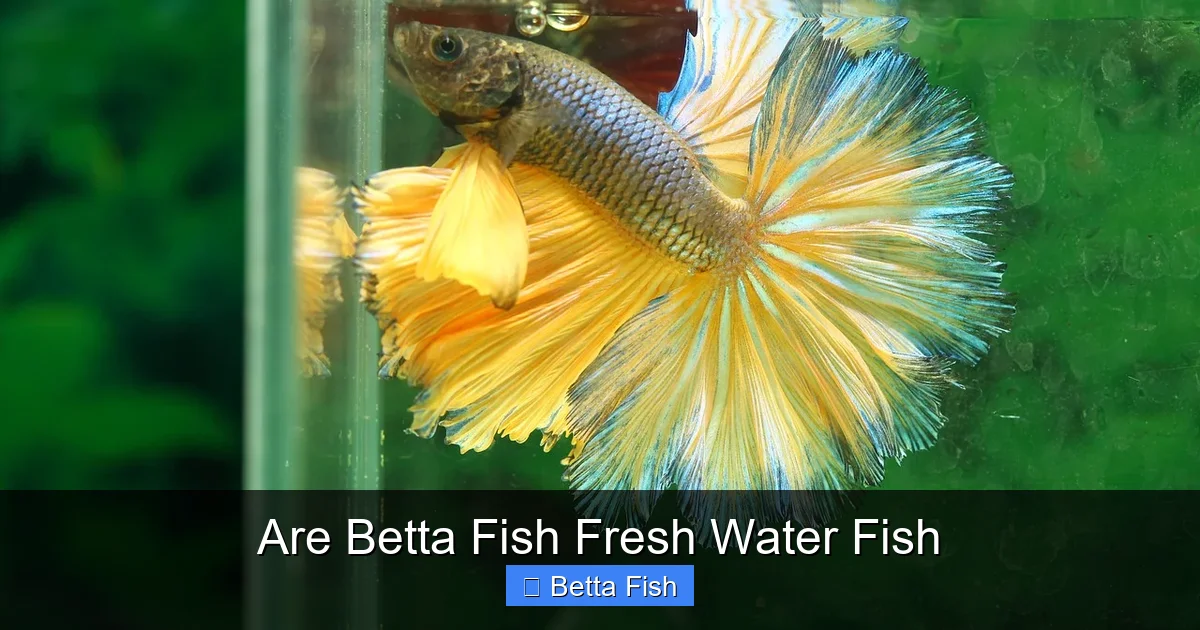
Visual guide about Are Betta Fish Fresh Water Fish
Image source: cff2.earth.com
Filtration and Flow
Because bettas are prone to fin damage from strong currents, opt for a gentle sponge filter or a low‑flow hang‑on‑back unit. The filter should circulate water without creating a turbulent stream.
Heating and Temperature Control
Maintain a steady 78‑82 °F (25‑28 °C). An adjustable aquarium heater with a reliable thermostat is essential. Fluctuations can stress the fish and trigger disease.
Substrate, Plants, and Hiding Spots
Soft sand or fine gravel mimics riverbeds. Live plants like Java fern, Anubias, and Marimo moss balls provide cover and improve water quality. If live plants aren’t an option, silk plants and smooth driftwood work well.
Decor and Enrichment
Include caves, PVC pipes, or ceramic pots for the betta to claim as a territory. Floating leaf décor creates a natural surface for air‑gasping.
For more details on optimal water types, see our guide on what water to use for betta fish.
4. Water Parameters: The Heart of Fresh‑Water Care
Temperature
Betta fish are tropical, so keep the water within the 78‑82 °F range. Use a digital thermometer and check twice daily during the first week.
pH and Hardness
Target a pH of 6.5‑7.0 and a GH of 3‑5 dGH. Test kits are inexpensive and give you quick readings.
Ammonia, Nitrite, Nitrate
- Ammonia: 0 ppm (any amount is toxic).
- Nitrite: 0 ppm (also toxic).
- Nitrate: <10 ppm is ideal; keep it under 20 ppm with regular water changes.
Regular Water Changes
Change 25‑30 % of the water weekly. Use a water conditioner to neutralize chlorine and chloramines. For a step‑by‑step guide, check out how to change betta fish water.
5. Feeding and Nutrition in Fresh Water
What to Feed
High‑quality betta pellets form the staple diet. Supplement with frozen or live foods like brine shrimp, daphnia, or bloodworms 2‑3 times a week.
Feeding Frequency
Feed 2‑3 small meals per day for juveniles, and once daily for adults. Overfeeding leads to cloudy water and health problems.
Signs of Good Nutrition
Bright, vibrant colors, active swimming, and intact fins indicate a balanced diet. Dull colors or clamped fins may signal poor water quality or nutrition.
6. Common Misconceptions About Betta Fresh‑Water Care
Myth: Bettas Need No Filtration
While the labyrinth organ allows them to survive low‑oxygen water, filtration removes waste and keeps ammonia at zero. A gentle filter is a win‑win.
Myth: Small Bowls Are Sufficient
Bowls limit water volume, making temperature swings and toxin buildup inevitable. A proper tank enhances health and lifespan.
Myth: Bettas Are Low‑Maintenance
Betas are hardy, but they still require regular water testing, temperature checks, and a clean environment. For a deeper dive into their care level, read are betta fish easy to care for.
7. Health Checklist for Fresh‑Water Bettas
Daily Observations
- Swimming upright and exploring the tank.
- Regular surface breathing.
- Bright colors and intact fins.
Weekly Checks
- Test water parameters.
- Inspect for parasites or fungal patches.
- Remove uneaten food.
When to Seek Help
If you notice frayed fins, white spots, loss of appetite, or gasping at the surface despite clean water, consult a specialist or reputable aquarium store.
Conclusion: Embrace the Fresh‑Water Lifestyle
Answering the question “are betta fish fresh water fish?” opens the door to a world of responsible, rewarding fishkeeping. By replicating their warm, soft, low‑oxygen habitats, you give your betta the best chance to display its full color palette and lively personality. Remember to keep the water clean, temperature stable, and provide plenty of hiding places, and your betta will reward you with years of beauty and fascination.
Frequently Asked Questions
Are betta fish considered tropical fish?
Yes. Betta fish thrive in tropical temperatures of 78‑82 °F (25‑28 °C), which classifies them as tropical fresh‑water fish.
Can bettas live in tap water?
Tap water can be used if it’s treated with a conditioner to remove chlorine and chloramines. Always test and adjust pH and hardness before adding your fish.
How often should I change the water in a betta tank?
Replace 25‑30 % of the water each week. More frequent changes may be needed if the tank is heavily stocked or if water parameters drift.
Do betta fish need a filter?
While they can survive without one, a gentle filter greatly improves water quality and reduces the risk of ammonia spikes.
What temperature should the water be for a betta fish?
Maintain a steady temperature between 78 °F and 82 °F (25‑28 °C) using an aquarium heater and a reliable thermometer.
Are male bettas aggressive toward each other?
Male bettas are highly territorial and will fight if housed together. They should always be kept singly or in a divided tank.