Are Betta Fish Farmed
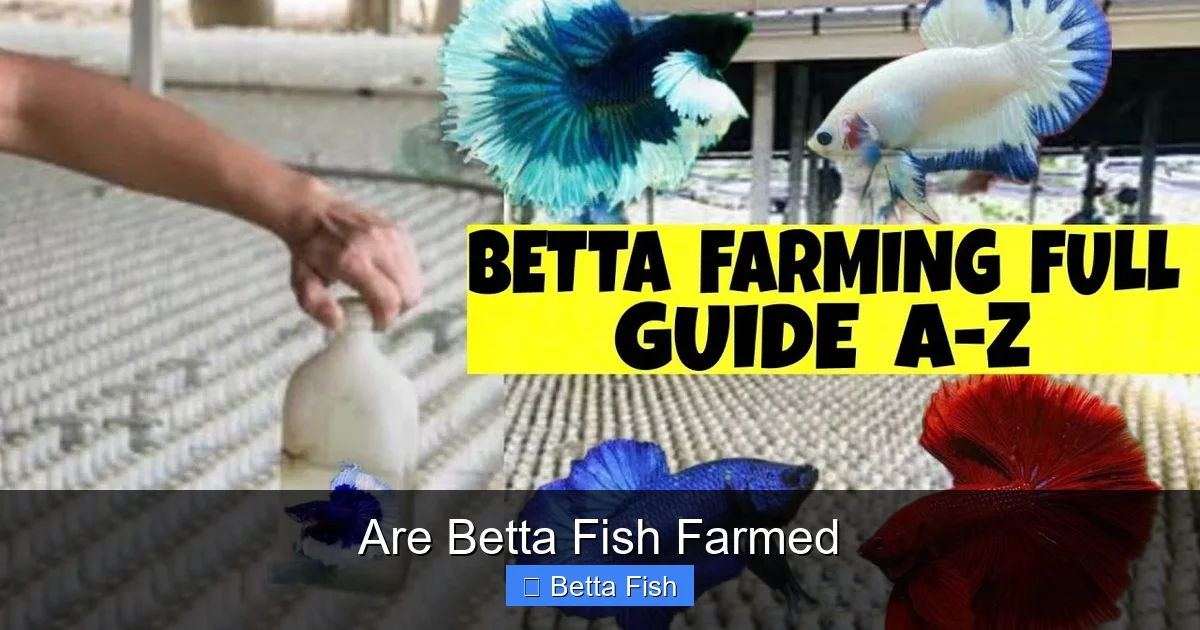
Betta fish are indeed farmed, but the methods vary from small home breeders to large commercial farms. Understanding where your betta comes from helps you choose healthy, ethically raised fish and gives you better care tips.
Key Takeaways
- Farmed bettas exist: Both hobbyists and large operations breed bettas for the pet trade.
- Breeding methods differ: From simple bubble‑nest setups to sophisticated recirculating systems.
- Health impacts: Farm‑raised bettas can be healthier when raised in clean, stable conditions.
- Ethical considerations: Look for suppliers that practice humane handling and sustainable practices.
- Cost factors: Farmed bettas are usually less expensive than wild‑caught or rare varieties.
- Choosing a betta: Ask sellers about breeding practices and water quality to ensure a happy pet.
- Impact on the hobby: Farmed bettas help keep wild populations safe while supplying the demand for colorful fish.
📑 Table of Contents
- Introduction: Why the Question Matters
- 1. The History of Betta Farming
- 2. Types of Betta Farming Operations
- 3. What Happens Inside a Betta Farm?
- 4. Benefits of Farm‑Raised Betta Fish
- 5. Ethical and Environmental Considerations
- 6. Practical Tips for Caring for Farm‑Raised Betta Fish
- Conclusion: Knowing the Source Makes a Difference
Introduction: Why the Question Matters
When you walk into a pet store and see a bright, flowing betta swimming in a tiny bowl, you might wonder how that fish got there. Are they caught in the wild, or are they raised on a farm? The answer shapes everything from the fish’s health to the price you pay.
In this article we’ll explore the world of betta fish farming, break down the different breeding setups, and give you practical tips for picking a healthy betta. By the end, you’ll know exactly what “farm‑raised” means and why it matters for your aquarium.
1. The History of Betta Farming
From Thai Rice Paddies to Global Markets
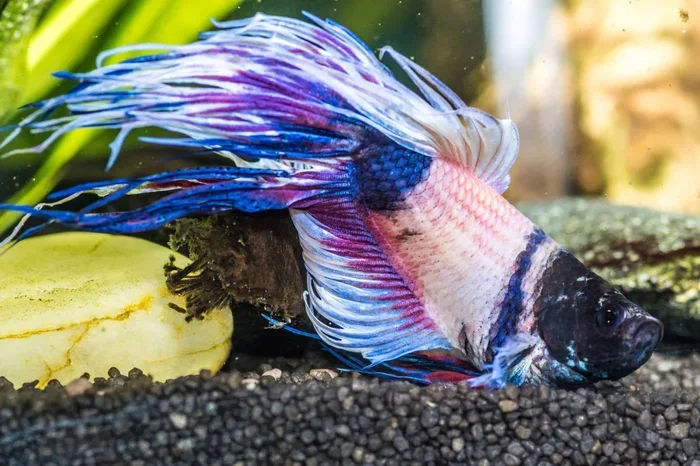
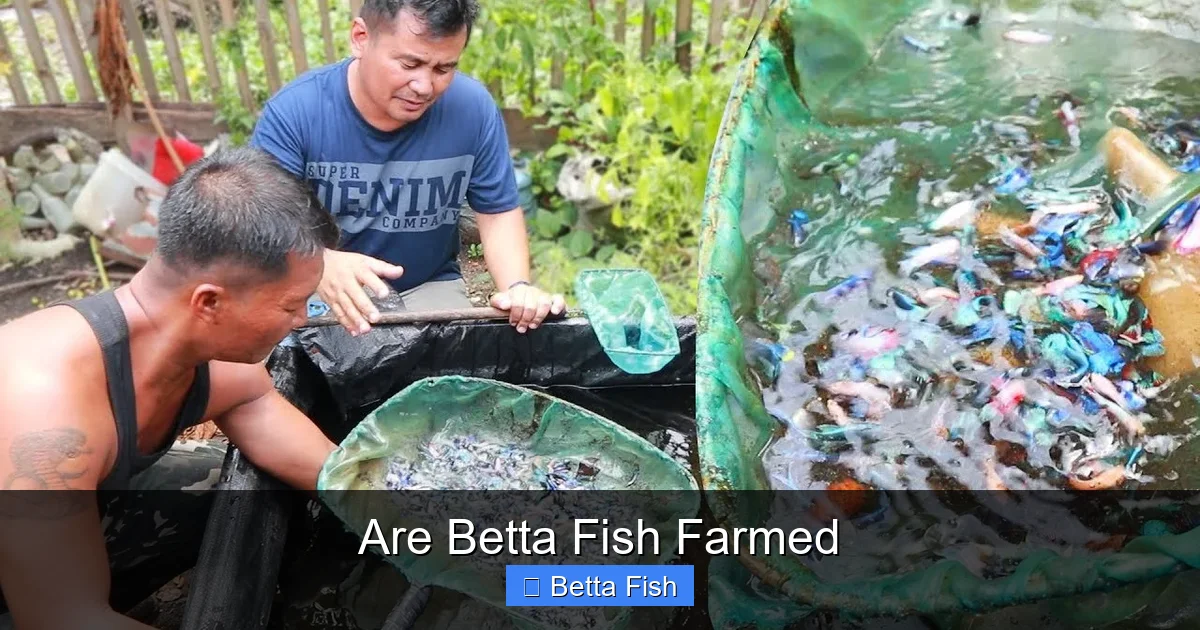
Betta splendens, the species most people keep at home, originated in the shallow, slow‑moving waters of Thailand, Cambodia, and Vietnam. Local farmers originally raised them in rice paddies to control mosquito larvae. In the 1930s, Thai monks began selectively breeding for brighter colors, creating the first ornamental bettas.
Visual guide about Are Betta Fish Farmed
Image source: i.ytimg.com
How the Hobby Grew
After World War II, these vibrant fish were exported to the United States and Europe. Demand exploded, and small family farms in Southeast Asia started producing bettas on a larger scale. Today, commercial farms in Thailand, Malaysia, and the Philippines supply the majority of pet stores worldwide.
2. Types of Betta Farming Operations
Home Breeders and Small Hobby Farms
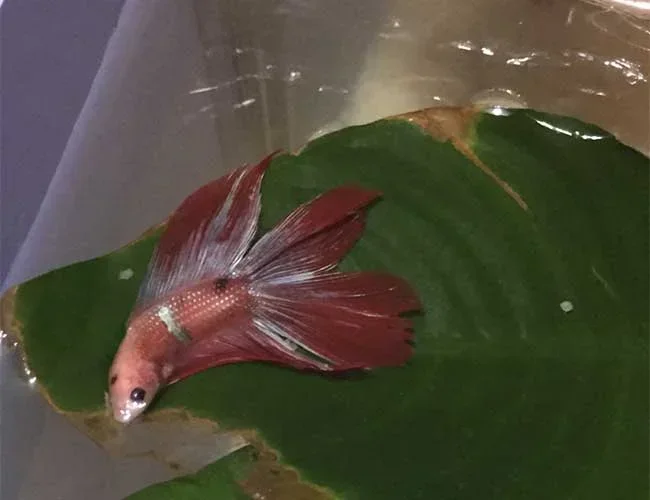
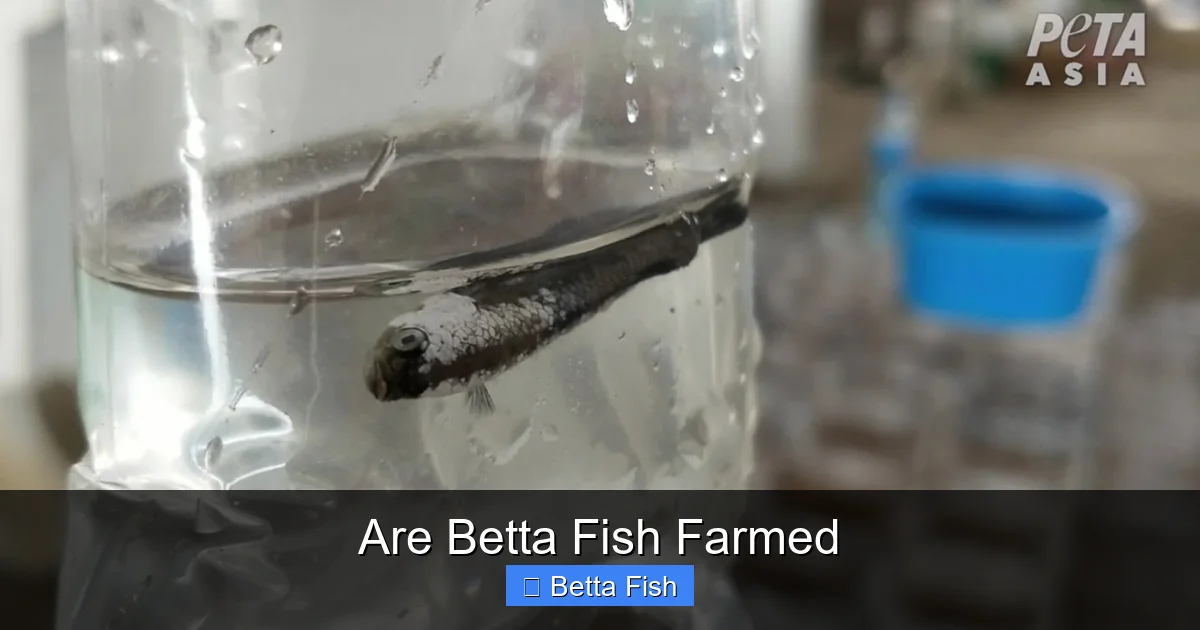
Many enthusiasts keep a few breeding tanks at home. They use simple setups: a 10‑gallon tank, a sponge filter, and a floating plant or synthetic leaf for the male to build a bubble nest. These hobby farms often focus on unique color patterns and are a great source for rare varieties.
Visual guide about Are Betta Fish Farmed
Image source: bettafishworld.com
Commercial Recirculating Systems
Large farms use recirculating aquaculture systems (RAS). Water is filtered, heated, and oxygenated continuously, allowing thousands of bettas to be raised in a small footprint. Eggs are collected, hatchlings are moved to grow‑out tanks, and the fish are graded by size and color before shipment.
Hybrid Approaches
Some mid‑size operations combine both methods. They may start breeding in a traditional bubble‑nest tank, then transfer fry to a flow‑through system for faster growth. This hybrid model balances the natural behavior of bettas with the efficiency of modern technology.
3. What Happens Inside a Betta Farm?
Breeding Cycle
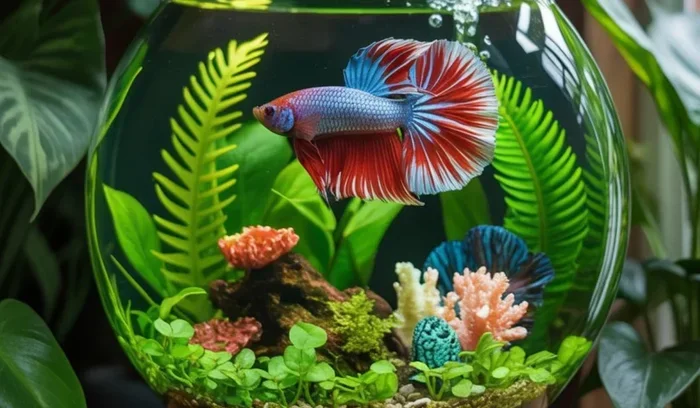
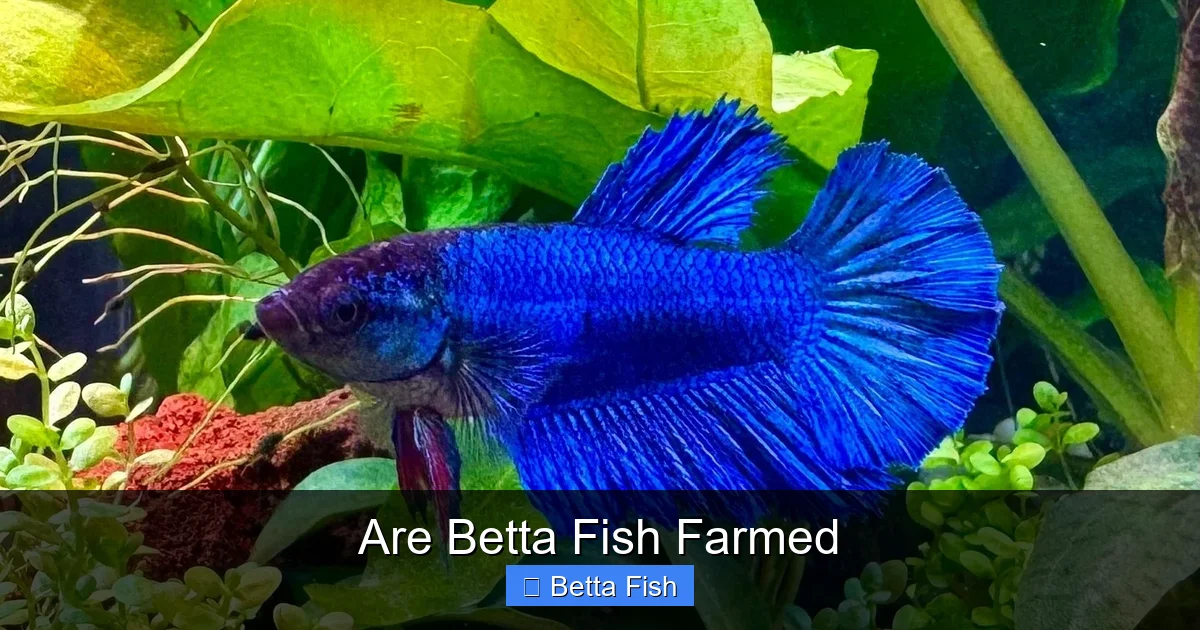
Male bettas build a bubble nest on the water surface. After a female is introduced, she releases eggs that the male fertilizes. The male then gathers the eggs and places them in the nest, guarding them until they hatch (usually 24‑36 hours). Hatchlings, called “fry,” stay in the nest for a few days before becoming free‑swimming.
Visual guide about Are Betta Fish Farmed
Image source: thefishfarm.com.au
Raising Fry
Fry are tiny—about 3 mm long—and need infusoria or specially formulated liquid food for the first week. After two weeks they can graduate to microworms and then to high‑protein pellets. Good water quality is crucial; most farms test ammonia, nitrite, and pH daily.
Health Monitoring
Farmed bettas are checked for common ailments such as velvet disease, fin rot, and fungal infections. Some farms treat water with UV sterilizers and use probiotic supplements to boost the fish’s immune system.
4. Benefits of Farm‑Raised Betta Fish
Consistent Quality
Because breeders control diet, temperature, and water parameters, farmed bettas often display vivid colors and strong fins. This consistency is why they are popular in the aquarium trade.
Reduced Impact on Wild Populations
Wild bettas are not harvested for the pet trade; all commercial fish come from farms. This protects natural habitats and keeps wild gene pools intact.
Cost‑Effectiveness
Mass production lowers the price per fish. A healthy, farm‑raised betta can cost anywhere from $5 to $15, while rare, hand‑selected varieties may fetch higher prices.
5. Ethical and Environmental Considerations
Animal Welfare
Not all farms treat their fish kindly. Overcrowding, poor water quality, and rough handling can lead to stress and disease. Look for sellers who can provide information about their breeding practices.
Environmental Footprint
Recirculating systems reuse water, reducing waste compared to traditional ponds. However, energy use for heating and filtration can be high. Some farms are moving toward solar power and biodegradable feed to lower their carbon footprint.
How You Can Choose Responsibly
- Ask the retailer if the betta was farm‑raised and whether the breeder follows humane practices.
- Inspect the fish for clear eyes, intact fins, and active swimming—signs of good health.
- Prefer fish that come with a health guarantee or a return policy.
6. Practical Tips for Caring for Farm‑Raised Betta Fish
Set Up a Proper Tank
Even though many people keep bettas in tiny bowls, a 5‑gallon tank with a gentle filter and heater is ideal. This mimics the stable environment they experienced in a farm’s recirculating system.
Maintain Water Quality
Change 25‑30 % of the water weekly. Test for ammonia, nitrite, and pH. Aim for a temperature of 78‑80 °F (25‑27 °C) and a pH of 6.5‑7.5.
Feed a Balanced Diet
Offer high‑quality betta pellets once or twice daily, supplemented with occasional frozen or live foods like brine shrimp. Overfeeding leads to cloudy water—a common problem in both farms and home tanks.
Encourage Natural Behavior
Provide a floating leaf or a piece of Indian almond leaf. This gives the male a place to practice bubble‑nest building, which is a sign of a content fish.
Conclusion: Knowing the Source Makes a Difference
Betta fish are indeed farmed, and the way they are raised has a direct impact on their health, color, and behavior. By understanding the breeding process, the types of farms, and the ethical issues involved, you can make an informed choice at the pet store. A responsibly sourced, farm‑raised betta will reward you with brilliant hues, active swimming, and a longer, happier life in your home aquarium.
Frequently Asked Questions
Are all betta fish farmed?
Yes, the bettas sold in pet stores are all bred in captivity. Wild‑caught bettas are not part of the commercial trade.
Do farmed bettas have the same temperament as wild ones?
Farmed bettas retain the natural aggression of the species, especially males. Their temperament is similar, but good water conditions can reduce stress‑related aggression.
Can I breed my own betta if I buy a farm‑raised fish?
Absolutely! Farm‑raised bettas are often healthier and more likely to breed successfully if you provide a proper tank, temperature, and a suitable female.
How can I tell if a betta was raised in a humane farm?
Ask the retailer about the breeder’s practices, look for clear eyes and intact fins, and choose sellers who offer health guarantees.
Are farmed bettas more expensive than wild‑type fish?
Generally no. Farmed bettas are usually cheaper because they are produced in large numbers. Rare color morphs may cost more, but they are still farm‑raised.
Do farmed bettas need different care than other tropical fish?
Care is similar to other tropical freshwater fish, but bettas thrive best in warm, still water with a stable temperature, reflecting the conditions they experience on farms.