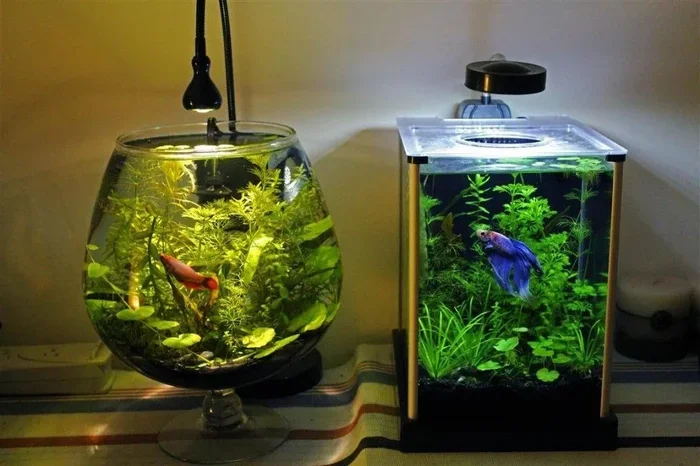
Are Betta Fish Dead
Wondering if your betta fish has passed away? This guide shows you the tell‑tale signs, common mistakes, and quick actions to confirm death and prevent future losses. From checking breathing to testing water, you’ll get practical tips that keep your finned friend safe.
Key Takeaways
- Check for movement: A dead betta shows no fin flutter, gill motion, or response to light.
- Observe breathing: Lack of opercular (gill) movement for several minutes is a strong indicator.
- Test water quality: Poor parameters often cause sudden death; correct them immediately.
- Handle with care: If you suspect death, gently lift the fish to feel for a heartbeat before disposal.
- Prevent future loss: Regular tank maintenance and proper feeding reduce mortality risk.
- Know the difference: Stress signs can mimic death; learn to distinguish them.
- Dispose responsibly: Follow safe disposal methods to protect your home and the environment.
📑 Table of Contents
- Introduction: The Panic When a Betta Stops Moving
- 1. Recognizing the Signs That a Betta Is Truly Dead
- 2. Common Mistakes That Make a Betta Appear Dead
- 3. How to Confirm Death Safely
- 4. Why Betta Fish Die: Common Causes
- 5. Immediate Steps After Confirming Death
- 6. Preventing Future Losses
- Conclusion: Staying Calm and Informed
Introduction: The Panic When a Betta Stops Moving
Finding your betta fish floating motionless is a heart‑pounding moment. Your first thought is usually, “Are betta fish dead?” The answer isn’t always obvious because bettas can appear lifeless when they’re simply sleeping, stressed, or suffering from a health issue. This article walks you through the step‑by‑step process of confirming death, understanding why it might have happened, and what you can do to stop it from happening again.
We’ll keep the language friendly—think of us as a fellow hobbyist sharing a cup of tea and a fish tank story. By the end, you’ll feel confident spotting the real signs of death, handling the situation respectfully, and improving the overall health of your aquarium.
1. Recognizing the Signs That a Betta Is Truly Dead
1.1 No Movement at All
The most obvious clue is a complete lack of movement. A live betta will constantly adjust its fins, even when it’s resting. If the fish is lying on its side or upside down and you see no fin flutter, it’s likely dead.

Visual guide about Are Betta Fish Dead
Image source: aquariumstoredepot.com
1.2 No Gill (Opercular) Breathing
Watch the gill covers (opercles) on each side of the head. A healthy betta beats them 2–4 times per second. Hold the fish gently and count for at least 30 seconds. No movement? That’s a strong sign of death.
1.3 Unresponsive to Light or Touch
Betta fish are curious and will usually react to sudden shadows or a light tap on the tank glass. If you shine a flashlight and see no eye dilation or body shift, the fish is likely not alive.
1.4 Cloudy or Discolored Body
After death, the body often turns a milky white or grayish color, especially around the belly and fins. This cloudiness is caused by the breakdown of tissues and is a visual cue that the fish has passed.
1.5 Rigor Mortis
Within a few hours, the muscles stiffen. If the fins are rigid and the body is not pliable, the fish has been dead for some time.
2. Common Mistakes That Make a Betta Appear Dead
2.1 Sleep Mode
Betta fish do sleep, often lying very still at the bottom of the tank. During this time, gill movement slows dramatically, which can be mistaken for death. To test, gently nudge the water near the fish; a sleeping betta will usually respond within a minute.
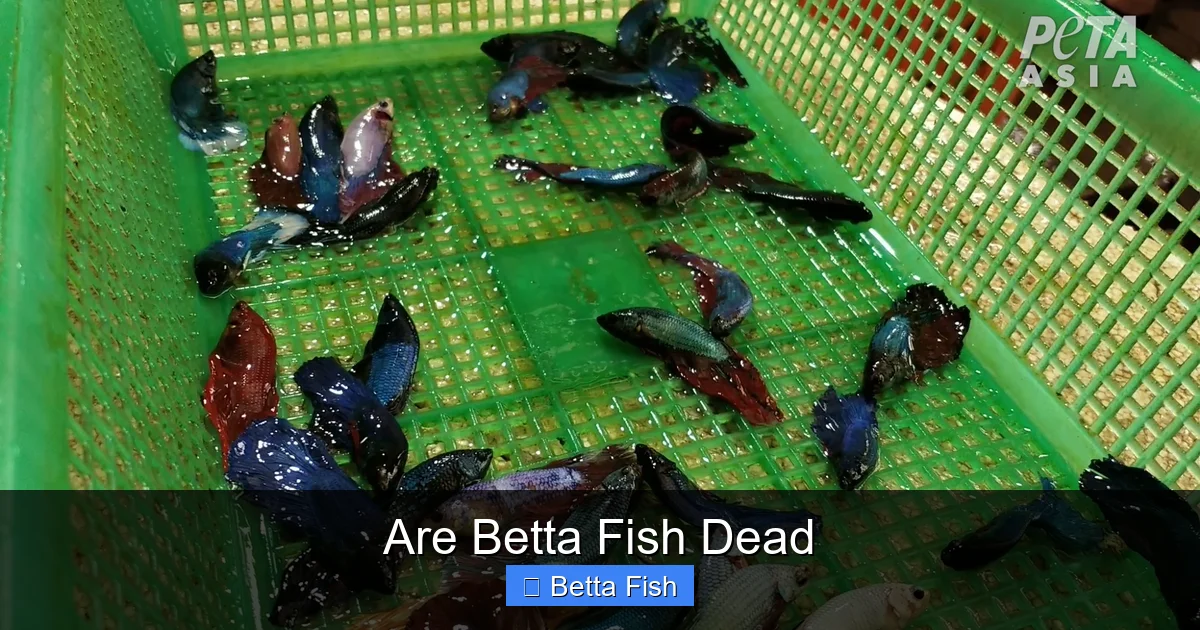
Visual guide about Are Betta Fish Dead
Image source: petaindia.com
2.2 Stress‑Induced Shock
Sudden changes in temperature, water chemistry, or aggressive tank mates can cause a betta to enter a shock state. In shock, they may stop swimming and appear lifeless, yet they are still alive. Check water parameters (pH, ammonia, nitrite) and look for signs of recovery over the next few hours.
2.3 Fin Rot or Disease
Severe fin rot can make a betta look limp and motionless. However, the fish may still have a faint heartbeat. If you suspect disease, isolate the fish in a quarantine tank and treat with appropriate medication.
3. How to Confirm Death Safely
3.1 The Gentle Lift Test
Using a soft net, lift the fish just enough to feel the body. Place a finger lightly on the chest area near the gills. A faint pulse may be detectable. If there’s no pulse after a minute, you can assume death.
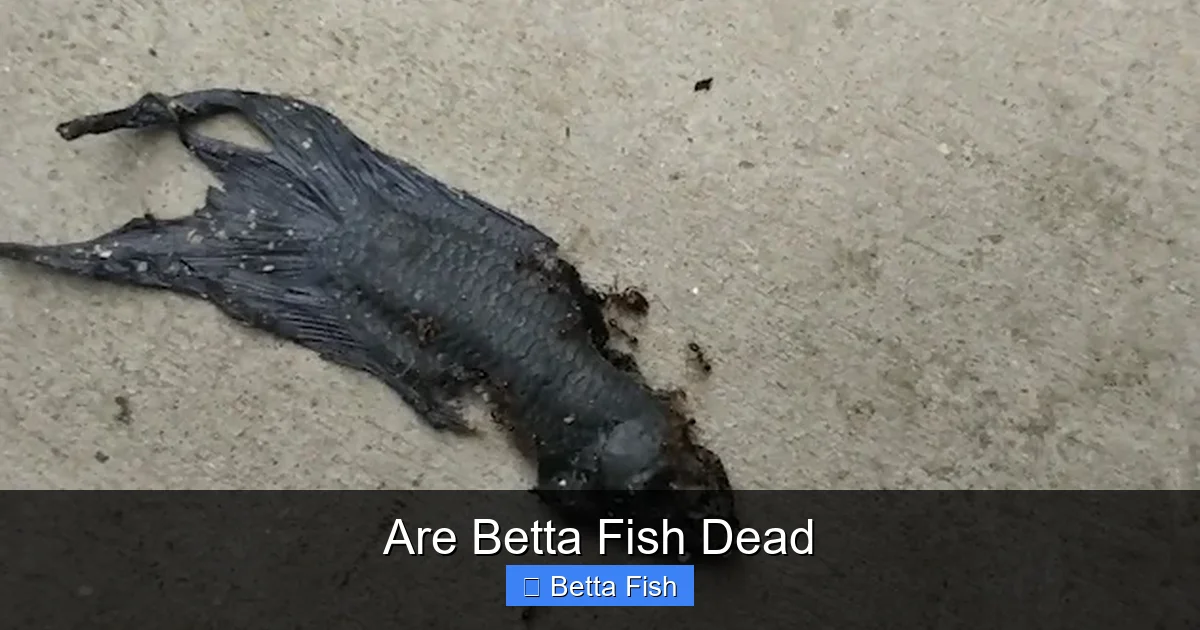
Visual guide about Are Betta Fish Dead
Image source: acb0a5d73b67fccd4bbe-c2d8138f0ea10a18dd4c43ec3aa4240a.ssl.cf5.rackcdn.com
3.2 Using a Light Source
Shine a bright, but not overly hot, flashlight through the tank. Look for any faint movement of the opercles or eyes. This method is especially helpful in dimly lit rooms.
3.3 Checking for Rigor Mortis
If the body feels rigid and the fins are locked in place, rigor mortis has set in, confirming that the fish has been dead for several hours.
4. Why Betta Fish Die: Common Causes
4.1 Poor Water Quality
Betta fish are sensitive to ammonia, nitrite, and high nitrate levels. A spike in any of these can cause rapid death. Test your water weekly with a reliable kit.
4.2 Inadequate Temperature
Betas thrive at 76‑82°F (24‑28°C). Temperatures below 70°F (21°C) can slow metabolism and lead to death. Use an aquarium heater and a reliable thermometer.
4.3 Overfeeding and Constipation
Feeding too much leads to waste buildup and cloudy water, which can poison the fish. Offer only what the betta can eat in 2‑3 minutes, once or twice daily.
4.4 Incompatible Tank Mates
Even though bettas are often solitary, some owners keep them with peaceful species. Aggressive or fin‑nipping fish can cause stress, injuries, and eventual death. For more on tank mates, see What Fish Are Compatible With Betta Fish.
4.5 Disease Outbreaks
Fungal infections, velvet disease, and Ich are common in poorly maintained tanks. Early detection and treatment are crucial.
5. Immediate Steps After Confirming Death
5.1 Remove the Body Promptly
Dead fish decompose quickly, releasing harmful toxins. Use a net to scoop the body and place it in a sealed bag.
5.2 Proper Disposal
Follow local regulations, but a safe method is to bury the fish in a garden or dispose of it in the trash after sealing. For a detailed guide, read How To Dispose Of A Dead Betta Fish.
5.3 Perform a Water Change
Replace 25‑30% of the tank water with conditioned, temperature‑matched water. This dilutes any toxins released by the dead fish.
5.4 Check and Adjust Parameters
Test for ammonia, nitrite, nitrate, and pH. Correct any out‑of‑range values before adding a new betta.
6. Preventing Future Losses
6.1 Routine Maintenance
Change 20‑30% of the water weekly, clean the substrate, and scrub algae off the glass. Consistency is key.
6.2 Proper Feeding Practices
Offer high‑quality betta pellets or frozen/brine shrimp. Avoid overfeeding; a small amount once or twice a day is sufficient.
6.3 Ideal Tank Setup
A 5‑gal (or larger) tank with a gentle filter, heater, and live plants provides a stable environment. Learn more about tank setup in Why Are Betta Fish Tanks So Small and why a larger space is better.
6.4 Monitoring Health
Watch for early signs of disease: white spots, frayed fins, loss of appetite, or abnormal swimming. Early intervention can save a life.
6.5 Understanding Betta Behavior
Betta fish are nocturnal by nature, meaning they’re most active at dawn and dusk. Knowing this helps you interpret periods of stillness correctly.
Conclusion: Staying Calm and Informed
Seeing a still betta can be terrifying, but a systematic approach—checking breathing, testing water, and confirming with gentle handling—will give you a clear answer. Even if the answer is “yes, the betta is dead,” you now have a roadmap to handle the situation responsibly and prevent future tragedies. Betta care is a learning journey; each setback teaches you more about water chemistry, nutrition, and the unique personality of these beautiful fish.
Remember, a healthy betta thrives in clean water, stable temperature, and a stress‑free environment. Keep these basics in mind, and you’ll enjoy many vibrant, active displays of color and personality from your next finned companion.
Frequently Asked Questions
How can I tell if my betta is just sleeping?
Betta fish often rest at the bottom of the tank with very little movement. Gently tap the water near the fish; a sleeping betta will usually respond within a minute.
What water temperature is safest for a betta?
Maintain the tank between 76‑82°F (24‑28°C). Use an aquarium heater and a reliable thermometer to keep the temperature steady.
Can a betta survive in a bowl without a filter?
While bettas can live in small containers, lack of filtration leads to rapid waste buildup, increasing the risk of death. A filtered tank is strongly recommended.
What should I do if I suspect my betta has a disease?
Isolate the fish in a quarantine tank, test water parameters, and treat with a medication appropriate for the diagnosed condition (e.g., antifungal or Ich treatment).
How often should I change the water in a betta tank?
Perform a 20‑30% water change weekly. This helps keep ammonia and nitrate levels low and maintains a healthy environment.
Is it okay to keep male bettas together?
No. Male bettas are highly territorial and will fight, often resulting in severe injuries or death. Keep males separate or provide a divided tank.