Betta fish can form genuine bonds with their owners, showing affection through interactive behaviors like following, surface‑pumping, and gentle nudges. Understanding their natural instincts, providing proper care, and using simple training tricks will deepen this connection and make your betta a lively, happy companion.
Key Takeaways
- Betta affection is real: They display love through tail‑waving, following, and “bubble‑nest” rituals.
- Environment matters: A spacious, well‑filtered tank encourages natural, friendly behavior.
- Interaction builds trust: Regular, gentle hand‑feeding and “talking” sessions strengthen bonds.
- Training works: Simple tricks like “come to hand” are possible with positive reinforcement.
- Know the limits: Aggression, especially in males, can be mistaken for affection; read body language carefully.
- Health reflects happiness: A vibrant, active betta is more likely to show affectionate signs.
- Social myths debunked: Betta fish are not solitary loners; they can enjoy companionship when cared for correctly.
📑 Table of Contents
- Introduction: The Curious Case of the “Siamese Fighting” Fish
- Understanding Betta Nature: From Wild Waters to Your Living Room
- Signs of Affection: How Betta Fish Show Love
- Creating an Environment That Encourages Affection
- How to Build a Bond: Practical Tips and Simple Training
- When Affection Looks Like Aggression: Reading Body Language
- Common Myths About Betta Affection Debunked
- Conclusion: Your Betta Can Be a Loving Companion
- Further Reading
Introduction: The Curious Case of the “Siamese Fighting” Fish
When you first hear the name “betta,” the word “fighting” often jumps to mind. The bright‑colored males in tiny bowls, flaring their gills at any intruder, have become internet icons for aggression. Yet, many hobbyists whisper a different story: “My betta follows me around the tank. He seems to want attention.” This paradox raises the question that drives this article—are betta fish affectionate?
In the next few pages, we’ll explore the science behind betta behavior, share real‑world examples of affection, and give you practical tips to nurture a bond with your finned friend. Whether you’re a first‑time keeper or a seasoned enthusiast, you’ll walk away with a clearer picture of your betta’s emotional world.
Understanding Betta Nature: From Wild Waters to Your Living Room
What makes a betta tick?
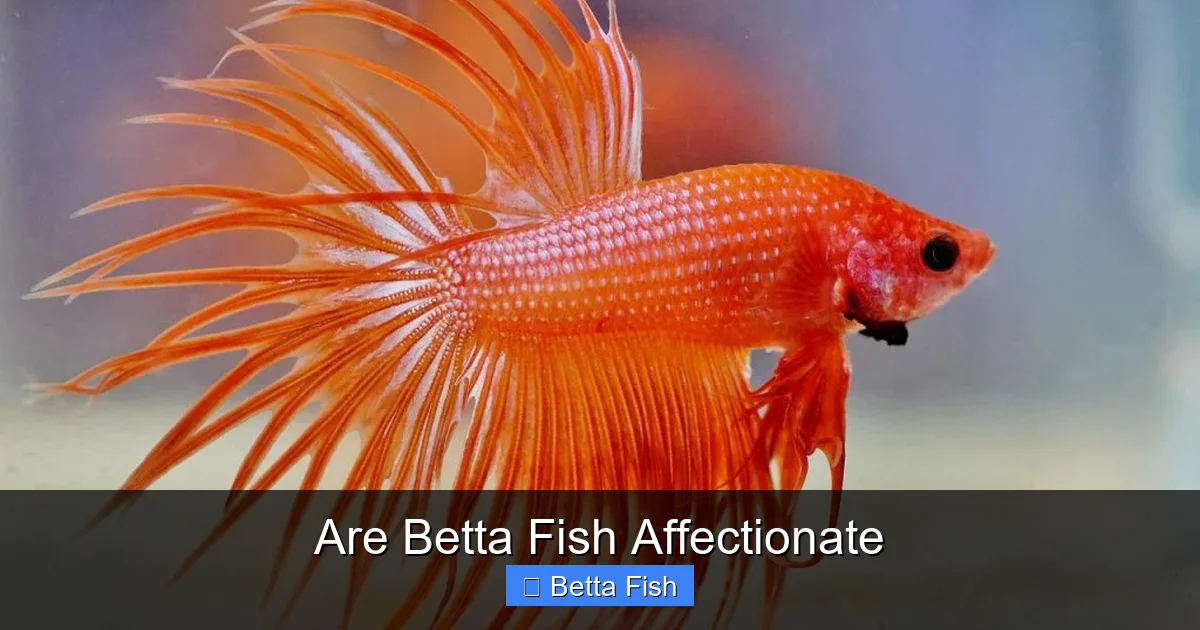
Betta fish (Betta splendens) originate from the shallow rice paddies and slow‑moving streams of Southeast Asia. In the wild, they live in warm, low‑oxygen waters, developing a labyrinth organ that lets them breathe air at the surface. This adaptation explains why you’ll often see them gulping air—an instinctual behavior, not a sign of distress.
Visual guide about Are Betta Fish Affectionate
Image source: japanesefightingfish.org
In their natural habitat, bettas are wild, territorial creatures that defend small territories. Males are especially aggressive toward other males, a trait that’s been amplified by selective breeding for vivid colors and dramatic fins.
Why the “loner” myth?
The myth that bettas must live alone stems from two facts:
- Male bettas will fight to the death if placed together.
- Older hobbyists often kept them in tiny bowls, reinforcing the idea they thrive in isolation.
While male‑to‑male aggression is real, it doesn’t mean bettas are emotionless. In fact, their strong territorial instincts can translate into a deep attachment to the “owner” who respects their space.
Signs of Affection: How Betta Fish Show Love
Following and “tail‑waving”
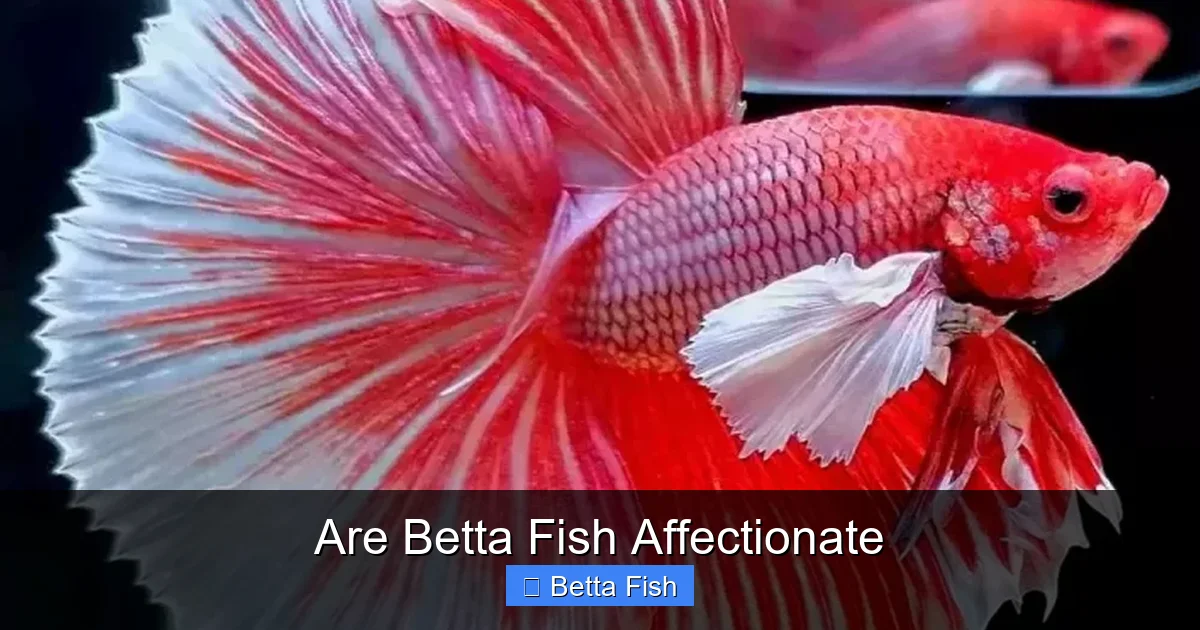
One of the most common affectionate behaviors is the “follow” response. When you approach the tank, a friendly betta may swim up to the glass, keep pace with you, and even perform a gentle side‑to‑side tail‑waving. This is not aggression; it’s a greeting.
Visual guide about Are Betta Fish Affectionate
Image source: aquariumfishonline.com.au
Surface‑pumping and bubble‑nest building
Male bettas build bubble‑nests as part of their breeding ritual. When a male creates a nest while you’re nearby, it’s a sign he feels safe. Some owners report their bettas “showing off” the nest, swirling around it as you watch.
Gentle nudges and “head‑butts”
Occasionally, a betta will give a soft nudge with its snout against the glass where your finger hovers. This is comparable to a cat’s head‑butt—a way of saying “I trust you.”
Relaxed posture and bright colors
Stress makes a betta’s colors fade and its fins droop. A relaxed, vibrant betta that flares its fins only when curious (not angry) is often feeling comfortable and, by extension, affectionate toward its environment and caretaker.
Creating an Environment That Encourages Affection
Tank size and setup
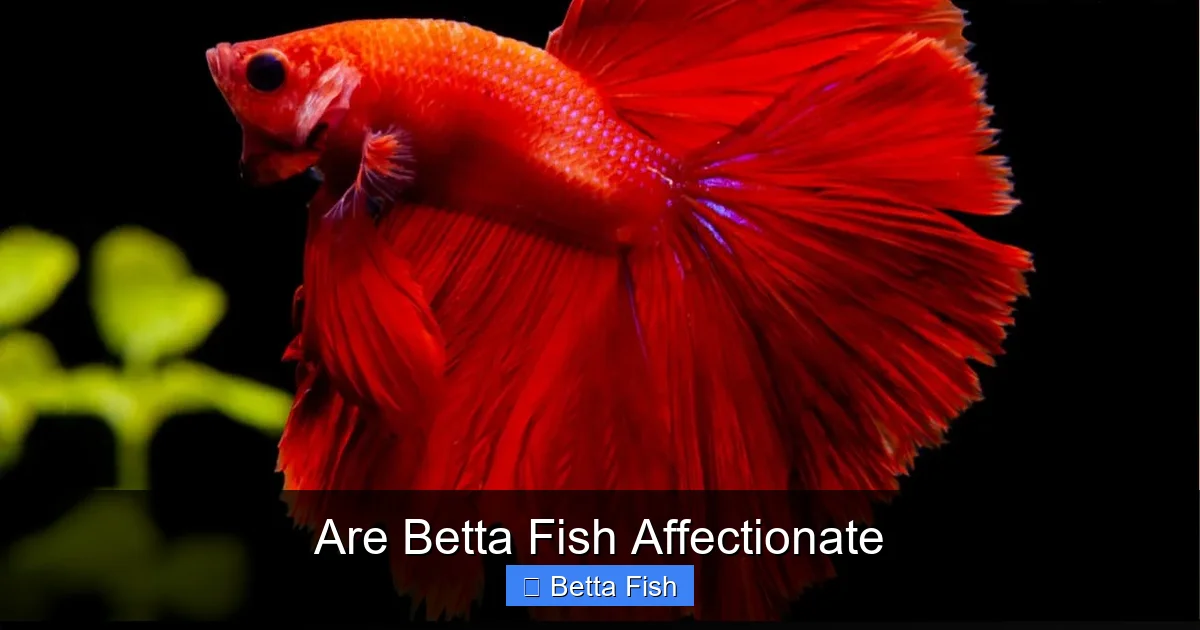
Even though bettas can survive in small bowls, they thrive in larger, well‑filtered tanks (at least 5 gallons). A spacious tank reduces stress, giving your fish room to explore and come to you voluntarily.
Visual guide about Are Betta Fish Affectionate
Image source: buildyouraquarium.com
Plants, hides, and enrichment
Live plants like Java moss or Anubias provide natural cover. Adding silk plants or driftwood creates “rooms” for your betta to claim, making it feel secure enough to venture out and greet you.
Water quality
Stable temperature (78‑80°F), proper pH (6.5‑7.5), and regular water changes keep the betta healthy. A healthy betta is more likely to display affectionate behavior.
Lighting and day‑night cycle
Betta fish are crepuscular—most active during dawn and dusk. Dim lighting during these periods encourages natural activity, which often includes interacting with the person at the tank.
How to Build a Bond: Practical Tips and Simple Training
Hand‑feeding treats
Start by offering a small piece of bloodworm or brine shrimp directly from your fingertip. Hold your hand steady near the surface; the betta will learn to associate your hand with food.
“Come to hand” training
1. Place a treat on the glass where your hand rests.
2. When the betta swims to the treat, reward it with a second piece.
3. Repeat daily, gradually moving the treat farther away. Over weeks, the betta will swim to your hand on cue.
Talking and “mirror” sessions
Betta fish respond to sound vibrations. Speaking softly near the tank can calm them and create a sense of familiarity. Some owners use a small mirror for short periods; the betta sees its reflection and may display flaring, which can be redirected into playful interaction.
Consistent routine
Fish are creatures of habit. Feeding, tank cleaning, and interaction at the same times each day builds trust. Your betta will start anticipating your presence, a hallmark of affection.
When Affection Looks Like Aggression: Reading Body Language
Flared gills vs. relaxed flaring
A flared gill display can mean excitement, curiosity, or warning. Look at the overall posture: if the fins are spread wide and the body is rigid, it’s likely defensive. If the flaring is brief and followed by swimming toward you, it’s curiosity.
Color changes
Bright, intense colors often signal a confident, happy betta. Dull or darkening hues can indicate stress or fear.
Tail beating
A rapid, jerky tail motion is a sign of agitation. In contrast, a slow, sweeping tail motion while following you is a friendly gesture.
When to give space
If your betta darts away, hides, or shows a “dreaded” sideways fin display, stop interaction for a few minutes. Allow the fish to settle before trying again.
Common Myths About Betta Affection Debunked
Myth 1: Betta fish are solitary and don’t need interaction.
While they are territorial, bettas enjoy mental stimulation. A bored betta may become lethargic or develop fin rot. Interaction prevents this.
Myth 2: Only male bettas can be affectionate.
Female bettas can be just as interactive, though they may be slightly less flamboyant. If you keep a female betta, you’ll still notice following and gentle nudges.
Myty 3: Bright colors mean a happy betta.
While vibrant colors often indicate health, some bettas retain bright hues even when stressed. Observe behavior alongside coloration.
Conclusion: Your Betta Can Be a Loving Companion
So, are betta fish affectionate? The answer is a confident yes—provided you understand their natural instincts, create a supportive environment, and engage with them regularly. By recognizing the subtle signs of affection, offering consistent care, and using simple training techniques, you’ll turn a solitary-looking fish into a curious, interactive pet that greets you at the glass.
Remember, every betta has a unique personality. Some may follow you like a tiny underwater dog, while others prefer a more reserved approach. The key is patience, observation, and a willingness to meet them where they are. Happy bonding!
Further Reading
For a deeper dive into betta basics, check out what are betta fish. If you’re curious about how easy it is to keep them, read are betta fish easy to care for. And to understand why these fish have captured the hearts of hobbyists worldwide, explore why are betta fish so popular.
Frequently Asked Questions
Do betta fish recognize their owners?
Yes. Betta fish can learn to associate your face and voice with feeding time and will often swim toward you when they see you approach.
How often should I interact with my betta?
Short, daily sessions of 5‑10 minutes are ideal. Consistency builds trust without causing stress.
Can male and female bettas show affection together?
Only if they are housed separately. Male and female bettas can both be affectionate toward their keeper, but they should not share the same tank unless properly conditioned for breeding.
Is it normal for a betta to follow my hand around the tank?
Absolutely. Following is a classic sign of curiosity and affection, especially when accompanied by relaxed fin posture.
What should I do if my betta becomes aggressive during interaction?
Stop the interaction, give the fish space, and ensure the tank environment is optimal. Re‑introduce interaction slowly after a few hours.
Do betta fish need toys to stay happy?
Simple enrichment like live plants, smooth rocks, and floating logs provides mental stimulation. Toys aren’t necessary, but varied surroundings help prevent boredom.

