How Do Betta Fish Age
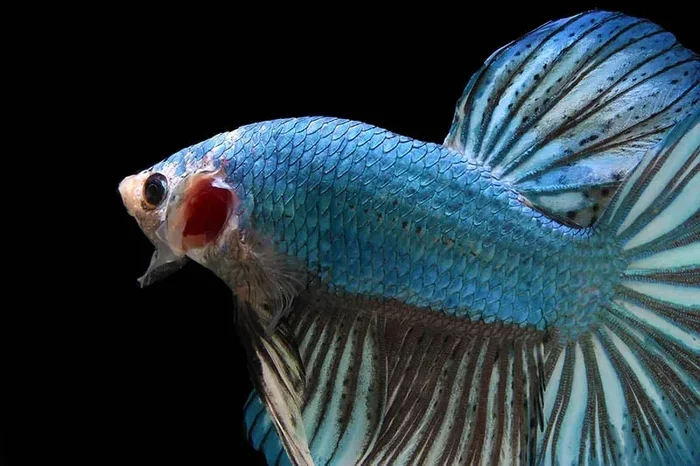
Understanding how do betta fish age helps you provide better care at every stage. From tiny fry to senior fish, bettas go through distinct growth phases that affect their color, fins, and behavior. Knowing the signs of aging lets you adjust their diet, tank setup, and routine for a longer, healthier life.
Have you ever wondered how do betta fish age? These stunning little creatures go through a fascinating journey from tiny eggs to vibrant adults, and eventually into their senior years. Understanding the aging process helps you give your betta the best care possible at every stage of life.
Betta fish aging is not just about watching colors fade. It involves changes in behavior, appetite, fin quality, and overall energy levels. When you know what to expect, you can spot problems early and make smart adjustments to their environment and routine.
Whether you just brought home a young betta or you have had your fish for years, this guide covers everything you need to know about how bettas age. We will walk through each life stage, share practical tips, and help you keep your fish thriving for as long as possible.
Key Takeaways
- Betta fish go through five main life stages: egg, fry, juvenile, adult, and senior.
- Color changes and fin deterioration are the most visible signs of the aging process in bettas.
- A well-maintained tank and proper diet can extend your betta’s lifespan significantly.
- Behavioral shifts like reduced activity and appetite changes often signal that your betta is getting older.
- Regular health checks help you catch age-related issues early and improve quality of life.
- Knowing your betta’s age allows you to tailor care routines for each stage effectively.
📑 Table of Contents
The Five Life Stages of Betta Fish
Betta fish go through five distinct stages from birth to old age. Each stage brings unique needs and characteristics. Let us break them down so you know exactly what to expect.
Stage 1: Egg Phase
The journey starts as a tiny egg, usually about 1 millimeter in size. Female bettas lay eggs, and the male fertilizes them and carries them in a bubble nest. This phase lasts around 24 to 72 hours before the eggs hatch. During this time, the water temperature and quality matter a lot for healthy development.
Stage 2: Fry Stage
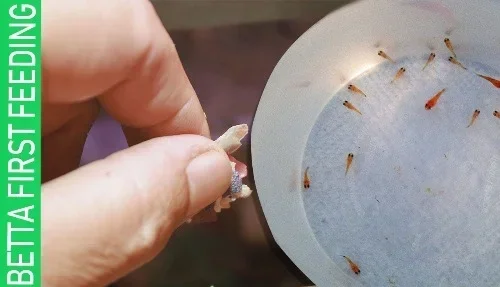
Once hatched, baby bettas are called fry. They are incredibly small and mostly transparent. Fry survive off their yolk sac for the first few days. After that, they need very fine food like infusoria or baby brine shrimp. Betta fish growth stages during the fry phase happen rapidly, with noticeable changes every few days.
Stage 3: Juvenile Phase
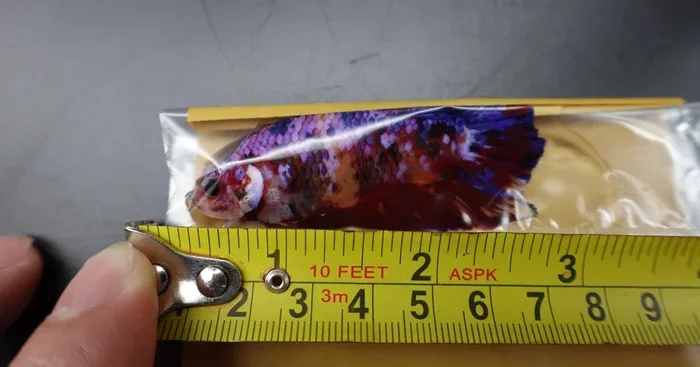
Around four to twelve weeks old, bettas enter the juvenile stage. This is when colors start to show and fins begin to grow. Juveniles look like miniature adults but are still quite delicate. Proper betta fish care during this phase sets the foundation for a healthy adult fish.
Stage 4: Adult Phase
Adult bettas reach full maturity around three to four months old. This is when they display their full coloration and fin length. Most pet store bettas are already adults. The adult phase is the longest and most stable stage of the betta fish lifespan. During this time, your fish is at peak health and activity.
Stage 5: Senior Phase
Bettas typically enter their senior years around two years old. Signs of aging become more noticeable during this stage. Colors may dull, fins may shorten, and energy levels can drop. With the right care, senior bettas can remain comfortable and happy for several months or even years.
How Do Betta Fish Age Physically
Physical changes are the most obvious way to tell that your betta is getting older. These changes happen gradually and can tell you a lot about your fish’s overall health.
Color Changes Over Time
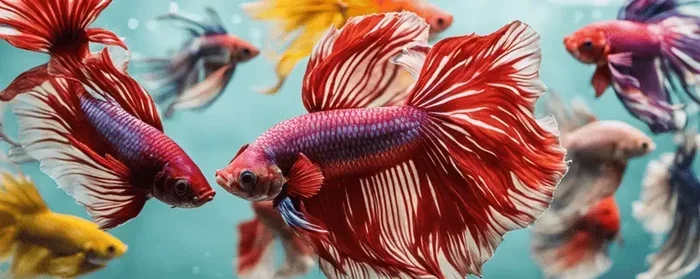
One of the first things you will notice is betta fish color changes as they age. Young bettas often have vivid, bright colors. As they grow older, those colors may fade or become muted. Some bettas develop a washed-out appearance, while others may show lighter patches on their scales. This is a completely natural part of the betta fish aging process.
Interestingly, some color changes can also signal stress or illness, so it is important to tell the difference between natural aging and health problems. If the color change happens suddenly, that is a different story than gradual fading over months.
Fin Deterioration and Fraying
Another visible sign is changes in the fins. Do betta fish fins fray with age? Yes, they can. Younger bettas have long, flowing fins that look spectacular. As they age, the fins may become shorter, ragged, or develop tears. This happens because the fins grow more slowly and become more fragile over time.
Fin damage from aging is different from fin rot caused by bacteria. Age-related fin changes happen slowly, while fin rot progresses quickly and needs treatment. Knowing the difference helps you respond appropriately.
Body Shape and Size Changes
Older bettas may also change in body shape. They might become slightly thinner or develop a more rounded belly. Some senior fish lose muscle tone and look less streamlined than they did in their prime. These physical shifts are normal and usually nothing to worry about unless they happen very suddenly.
Behavioral Changes as Betta Fish Age
Aging affects more than just looks. Your betta’s behavior will also shift as it gets older. Paying attention to these changes helps you understand what your fish needs during its senior years.
Reduced Activity Levels
Young and adult bettas are curious and active swimmers. They explore their tank, build bubble nests, and respond to their surroundings. As bettas age, they tend to swim less and spend more time resting near the bottom or on plant leaves. A senior betta fish will nap more and have shorter bursts of energy.
Changes in Appetite
Older bettas often eat less than they used to. You might notice your fish leaving food uneaten or showing less interest during feeding time. This is a normal part of aging, but it is important to adjust their diet accordingly. Smaller, more frequent meals can help maintain nutrition without overwhelming an aging digestive system.
Sleeping Pattern Shifts
You may also notice changes in how your betta sleeps. Older fish tend to sleep more and may become less responsive when they are resting. If you have been asking yourself how do betta fish sleep at night, know that aging bettas often sleep more deeply and for longer stretches.
Common Age-Related Health Issues
As bettas grow older, they become more susceptible to certain health problems. Understanding these issues helps you act quickly and keep your fish comfortable.
Weakened Immune System
Just like humans, bettas experience a decline in immune function as they age. This makes them more vulnerable to infections, parasites, and diseases. Keeping water quality high and stress low becomes even more important for senior fish.
Swim Bladder Problems
Swim bladder issues are common in older bettas. You might notice your fish struggling to maintain buoyancy or floating sideways. This can be caused by aging, overfeeding, or constipation. Feeding easily digestible foods and avoiding overfeeding helps prevent these problems.
Eye Cloudiness and Vision Loss
Some senior bettas develop cloudy eyes or lose their vision over time. This is a gradual process and usually not painful. You can help by keeping the tank layout consistent so your fish can navigate its surroundings without obstacles.
How to Support Healthy Aging in Betta Fish
The good news is that you can take real steps to help your betta age gracefully. Proper care makes a huge difference in both lifespan and quality of life.
Maintain Excellent Water Quality
Clean water is the single most important factor in healthy aging. Regular water changes, proper filtration, and stable temperature keep your betta’s body functioning well. A how to do a water change for betta fish routine should include removing 25 to 30 percent of the water weekly. This prevents toxin buildup that stresses aging organs.
Adjust the Diet for Senior Fish
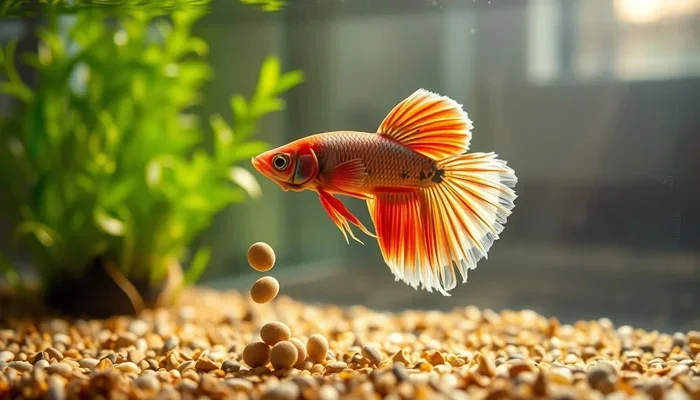
Older bettas need food that is easy to digest and rich in nutrients. High-quality pellets should remain the staple, but you can supplement with frozen or live foods like bloodworms and brine shrimp. Feed smaller amounts twice a day rather than one large meal. If you are unsure about portions, check how much you should feed a betta fish based on its size and age.
Keep the Tank Environment Stress-Free
A stress-free environment promotes longevity. Avoid sudden changes in lighting, temperature, or tank layout. Provide plenty of hiding spots and gentle plants. If you want to add enrichment, try gentle how do you play with your betta fish activities like introducing a mirror briefly or placing the tank near a window for natural light.
Monitor Health Regularly
Watch your betta closely for any signs of decline. Early detection of problems leads to better outcomes. If you notice anything unusual, you can learn more about recognizing warning signs in our guide on how do you know if your betta fish is dying. Regular observation helps you catch issues before they become serious.
Know When to Seek Veterinary Help
Sometimes age-related issues need professional attention. If your betta shows persistent symptoms like loss of color, inability to eat, or abnormal swimming, consult a fish veterinarian. Quick action can make a meaningful difference in your fish’s comfort during its final stages.
Comparing Young vs. Senior Betta Fish
Understanding the differences between a young betta and a senior betta helps you adjust care routines appropriately. Here is a quick comparison.
| Characteristic | Young Betta (Under 1 Year) | Senior Betta (2+ Years) |
|---|---|---|
| Color Intensity | Vivid and bright | Muted or faded |
| Fin Length | Long and flowing | Shorter and more fragile |
| Activity Level | High and curious | Low and resting often |
| Appetite | Strong and consistent | Reduced or irregular |
| Immune Strength | Strong resistance | More vulnerable to illness |
| Sleeping Patterns | Normal daytime naps | Increased sleep and rest |
This table shows how dramatically a betta changes as it ages. Adjusting your expectations and care routine based on your fish’s age is key to giving it the best life possible.
How to Determine Your Betta’s Age
If you are unsure about your betta’s age, there are a few clues you can look for. Size, color development, and fin length all provide hints. For a more detailed approach, check out our guide on how to tell the age of a betta fish. Knowing your fish’s approximate age helps you plan for the care changes that come with each life stage.
Females tend to show age-related changes differently than males. If you have a female betta, our article on how to tell the age of a female betta fish offers specific tips and markers that apply to female fish.
Final Thoughts on How Do Betta Fish Age
The how do betta fish age journey is a beautiful and natural process. From the vibrant colors of youth to the gentle calm of old age, every stage has its own charm. By understanding what happens during the betta fish aging process, you become a better caretaker and a more informed fish owner.
Aging does not have to mean decline. With proper betta fish care, a clean tank, a nutritious diet, and plenty of love, your betta can enjoy a long and comfortable life. Watch for the signs, adjust your routines, and cherish every moment with your colorful companion.
Remember that each betta is unique. Some age gracefully while others face more challenges. What matters most is the effort you put into making their remaining years as happy and healthy as possible. Your attention and care truly make a difference.
Frequently Asked Questions
At what age do betta fish start showing signs of aging?
Most bettas begin showing visible signs of aging around two years old. You may notice faded colors, shorter fins, and reduced activity levels starting at this point. However, some bettas show early aging signs as young as one and a half years depending on their genetics and care.
How long do betta fish live on average?
The average betta fish lifespan is three to five years with proper care. Some well-cared-for bettas live longer, while those in poor conditions may only survive one to two years. Genetics, diet, and water quality all play major roles in determining longevity.
Can you slow down the betta fish aging process?
You cannot stop aging, but you can slow it down significantly. Maintaining excellent water quality, feeding a balanced diet, and keeping stress levels low all contribute to healthier aging. A clean, well-kept tank gives your betta the best chance at a longer, more vibrant life.
What are the most common signs that a betta fish is aging?
The most common signs include faded colors, shorter or frayed fins, reduced swimming activity, decreased appetite, and more sleeping. These changes happen gradually and are a natural part of the betta fish aging process. Sudden changes, however, may indicate illness rather than aging.
Should you change the diet of an aging betta fish?
Yes, adjusting the diet is important for senior bettas. Older fish have slower digestion and benefit from smaller, more frequent meals. Easy-to-digest foods like high-quality pellets and blanched vegetables work well. Avoid overfeeding, as uneaten food can pollute the tank and cause health problems.
Is it normal for an aging betta to lose its color completely?
Some color loss is normal with aging, but complete loss of color can signal a health problem or extreme stress. If your betta turns almost white or pale suddenly, check water parameters and look for other symptoms. Gradual fading over months is typical, but rapid changes need attention.