Should I Get Betta Fish or Neo Tetra
Choosing between a betta fish and a neon tetra is one of the trickiest decisions for new aquarium owners. Both are beautiful tropical fish with very different personalities and care needs. This guide covers temperament, tank setup, feeding, compatibility, and more to help you pick the perfect fish for your home.
Deciding between a betta fish and a neon tetra is one of the most common dilemmas for new aquarium owners. Both fish are beautiful, popular, and relatively easy to care for. But they are very different creatures with unique needs. This guide will walk you through everything you need to compare betta fish vs neon tetra side by side. You will learn about their temperament, care requirements, tank setup, feeding habits, and whether they can live together in harmony.
Choosing the right fish matters more than most people think. A betta fish needs a calm environment and specific water conditions. A neon tetra thrives in a group and enjoys a well-planted community tank. If you pick the wrong fish for your setup, you could end up with stressed fish or an unhealthy tank. That is exactly why this comparison is so important. By the end, you will feel confident and ready to make the best choice for your aquarium.
We will cover all the essentials, from betta fish care to neon tetra care. You will also discover quick tips, common mistakes, and expert insights along the way. Whether you are a complete beginner or a hobbyist looking to add new fish to your collection, this article has you covered. Let us dive in and explore both species in detail.
Key Takeaways
- Betta fish are solo swimmers: They prefer to live alone and can be territorial with other fish.
- Neon tetras are schooling fish: They thrive in groups and add vibrant color to community tanks.
- Tank setup differs: Bettas need calm water, while tetras prefer gentle current and larger schools.
- Feeding habits vary: Bettas need protein-rich diets, while tetras do well with flakes and small pellets.
- Compatibility matters: Under the right conditions, bettas and neon tetras can coexist in the same tank.
- Beginner-friendly options exist: Both fish are great for newcomers with proper care.
📑 Table of Contents
Betta Fish vs Neon Tetra: The Big Picture
Before we get into the details, let us look at the big picture. Understanding the overall differences between a betta fish and a neon tetra helps you make a smarter decision. Both are tropical fish, but that is where many of their similarities end. The table below highlights the key differences at a glance so you can see what sets them apart.
| Feature | Betta Fish | Neon Tetra |
|---|---|---|
| Size | 2.5 to 3 inches | 1.5 to 2 inches |
| Lifespan | 3 to 5 years | 5 to 8 years |
| Temperament | Solitary, territorial | Peaceful, schooling |
| Tank Size | 5 gallons minimum | 20 gallons minimum |
| Difficulty Level | Beginner-friendly | Beginner-friendly |
| Diet | Protein-rich pellets, flakes | Flakes, small pellets, frozen food |
| Water Temperature | 76-82°F | 70-81°F |
| Price | $3 to $15 | $2 to $5 per fish |
As you can see, the betta fish and the neon tetra have very different profiles. A betta is a solo fish that likes its own space. A neon tetra is a social swimmer that feels best in a group. These core differences shape everything from tank setup to feeding routines. Keep reading to understand each species in depth.
Betta Fish: Personality and Care Needs
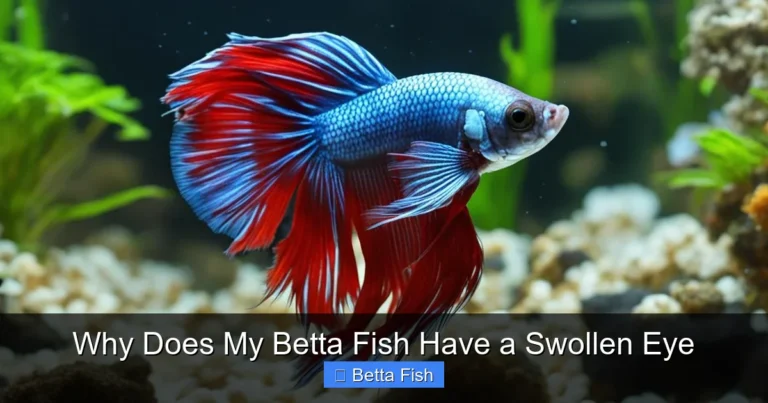
The betta fish is one of the most beloved aquarium fish in the world. Known for their flowing fins and vibrant colors, bettas are truly stunning. But beauty comes with specific care needs. Understanding a betta’s personality is the first step toward keeping it healthy and happy. Let us break down what makes this fish so special.
Betta Fish Temperament
Betta fish are known for their betta fish aggression toward other bettas. This is why they are often called “Siamese fighting fish.” Male bettas, in particular, should never be housed together. They will fight, and the results can be fatal. Female bettas can sometimes live together in groups, but this requires careful planning and enough space.
Beyond other bettas, a betta’s temperament varies from fish to fish. Some bettas are calm and curious. Others are territorial and may flare at their own reflection. A betta fish does not need tank mates to be happy. In fact, many bettas do better alone. If you want a peaceful solo fish, a betta is a great choice. Just be prepared for some personality quirks along the way.
Betta Fish Care Essentials
Proper betta fish care starts with the right tank. A 5-gallon tank is the minimum for a single betta. Many people mistakenly keep bettas in tiny bowls, but this is harmful. A larger tank gives your betta room to swim and helps maintain stable water parameters. Here are the key care essentials you need to know:
- Tank size: At least 5 gallons, bigger is always better
- Water temperature: Keep between 76°F and 82°F using a reliable heater
- Filter: Use a gentle filter to avoid strong currents. Bettas prefer calm water. You can learn more about this in our guide on Should I Use A Filter For My Betta Fish
- Heater: A submersible heater is essential for maintaining stable tropical temperatures
- Decorations: Add soft plants and hiding spots to reduce stress and create a natural feel
- Feeding: Feed high-quality betta pellets or flakes. You should feed your betta fish 1 to 2 times per day in small amounts
Bettas are labyrinth fish, which means they can breathe air from the surface. This is a unique trait that sets them apart from most tropical fish. It also means they can survive in low-oxygen water, but that does not mean they should. Always provide clean, well-filtered water for the best results. A happy betta is an active betta that explores its tank and shows off its colors.
Betta Fish Lifespan
A well-cared-for betta fish can live 3 to 5 years. Some bettas even reach 7 years with excellent care. The key factors are clean water, proper diet, and a stress-free environment. Avoid sudden changes in the tank, and never place the tank in direct sunlight. These simple steps go a long way in extending your betta’s life. A healthy betta will display bright, vivid colors and an active swimming style.
Neon Tetra: Personality and Care Needs
The neon tetra is a tiny, colorful fish that lights up any aquarium. With their bright red and blue stripes, they are a favorite among fish keepers of all levels. But there is much more to a neon tetra than just good looks. Understanding their personality and care needs is essential for success in your aquarium.
Neon Tetra Temperament
Neon tetras are peaceful, social fish that love to school. A school of neon tetras is one of the most beautiful sights in a home aquarium. They swim together in harmony, darting around plants and decorations with effortless grace. Unlike a betta, a neon tetra thrives on companionship. Keeping them alone can cause stress and shorten their lifespan.
These fish are non-aggressive and get along well with most tank mates. They are ideal for community tanks. However, they can be shy at first. Give them plenty of hiding spots and keep the tank peaceful. Avoid housing them with large, aggressive fish that might see them as food. A calm environment brings out the best in neon tetras.
Neon Tetra Care Essentials
Caring for neon tetras is straightforward, but there are a few important details to keep in mind. They are sensitive to water quality, so regular maintenance is key. Here is what you need to know to keep your neon tetras healthy:
- Tank size: A minimum of 20 gallons is recommended for a school of 6 to 10 tetras
- Water temperature: Keep between 70°F and 81°F for optimal health
- Water quality: Neon tetras are sensitive to ammonia and nitrites. Test the water regularly and perform weekly water changes
- Plants and décor: They love heavily planted tanks with dim lighting and dark substrate
- Diet: Feed small flakes, micro pellets, or frozen brine shrimp for balanced nutrition
- School size: Keep at least 6 to 8 tetras together for their comfort and natural behavior
One important thing to note is that neon tetras are prone to a common disease known as neon tetra disease. This is a parasitic infection that can be fatal if left untreated. The best prevention is maintaining excellent water quality and avoiding stressed fish. If you are considering adding tetras to a betta tank, check our article on Can I Keep Betta Fish With Rummy Nose Tetra for insights on mixing bettas with other tetra species.
Neon Tetra Lifespan
In the wild, neon tetras live about 5 to 8 years. In captivity, they can reach the upper end of that range with proper care. The key is to keep water conditions stable. Sudden changes in temperature or pH can stress neon tetras and shorten their lifespan. A consistent routine pays off big time. Healthy neon tetras will display intense colors and stay active throughout the day.
Tank Setup: What Each Fish Needs
Setting up the right tank is critical for the health of your fish. A betta fish and a neon tetra have different tank requirements. Let us break down what each one needs so you can create the perfect home.
Betta Fish Tank Setup
A betta tank should be at least 5 gallons. Many hobbyists use 10-gallon tanks for extra comfort. The water should be warm, between 76°F and 82°F. Use a gentle filter that does not create strong currents. Bettas are slow swimmers and do not like being pushed around by the water flow. Add soft plants like java moss or amazon sword. These give your betta places to rest and explore. A heater is a must. Bettas are tropical fish and cannot tolerate cold water. Keep the tank in a quiet area away from drafts and direct sunlight.
Neon Tetra Tank Setup
A neon tetra tank should be at least 20 gallons. This gives them enough space to school and swim freely. The water should be slightly cooler than a betta tank, around 70°F to 81°F. Neon tetras enjoy a gentle filter and standard aquarium lighting. Heavily planted tanks are ideal for neon tetras. They feel safer and more active when surrounded by plants. Use dark substrate to make their colors pop. A school of 6 or more tetras will create a stunning display in a well-set-up tank. The movement of a full school adds life and energy to any aquarium.
Can Betta Fish and Neon Tetras Live Together?
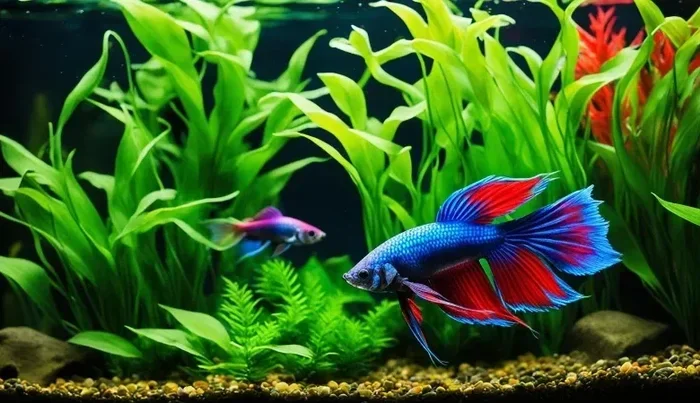
This is one of the most common questions among aquarium hobbyists. The short answer is: it depends. Under the right conditions, a betta and neon tetras can share a tank. But it is not always a perfect match. You need to consider temperament, tank size, and individual fish personalities.
Neon tetras are peaceful and stay small, which makes them less likely to trigger a betta’s aggression. However, bettas can be territorial, especially around bright colors and long fins. Neon tetras have vibrant colors that might provoke a betta to flare or chase them. The key is to set up the tank properly and monitor behavior closely during the first few weeks.
Here are some tips for a successful betta and neon tetra tank:
- Use a tank of at least 20 gallons to give everyone enough space
- Add plenty of plants and decorations to break up lines of sight
- Keep a school of at least 6 neon tetras so they feel secure
- Monitor your betta’s behavior closely during the first few weeks
- Be ready to separate the fish if aggression or stress occurs
If you are unsure about mixing species, you might want to consider keeping them in separate tanks. You can learn more about choosing the right betta fish in our guide on Which Betta Fish Should I Get. Every fish is different, and what works for one betta may not work for another. Patience and observation are your best tools.
Also, keep in mind that bettas are carnivores and neon tetras are omnivores. Their dietary needs are different. You will need to feed both species appropriately to meet their nutritional requirements. If you are wondering about feeding options, check out our article on How Often Should I Feed My Betta Fish for a feeding schedule that works for both species.
Which Fish Is Right for You?
Now that you know the differences, it is time to decide. Both the betta fish and the neon tetra are wonderful choices. The right one depends on your lifestyle, tank setup, and personal preferences. There is no wrong answer here. Both fish can bring joy and beauty to your home.
Choose a betta fish if you want a low-maintenance solo pet. Bettas are beautiful, easy to care for, and do not need a large tank. They are perfect for beginners who want a single, eye-catching fish. A betta also works well in small apartments or dorm rooms where space is limited. You can enjoy a stunning betta fish in a 5-gallon tank with minimal fuss.
Choose a neon tetra if you want a lively community tank. Neon tetras are energetic, colorful, and fun to watch in a group. They are great for hobbyists who enjoy maintaining a planted tank with multiple fish. A school of neon tetras adds movement and vibrancy to any aquarium. Watching them swim together is calming and mesmerizing.
If you have a larger tank and some experience, you could even try keeping both species together. Just be prepared to monitor their interactions closely. Every tank is unique, and what works for one person may not work for another. Trust your instincts and observe your fish daily.
No matter which fish you choose, the most important thing is to provide a healthy environment. Clean water, proper food, and a stress-free habitat will keep your fish thriving for years to come. Take your time, do your research, and enjoy the journey of fish keeping.
Both betta fish and neon tetras bring joy and beauty to any home. The decision comes down to what fits your space and your style. Whichever you choose, you are making a great start in the world of aquarium keeping. Happy fish keeping!
Frequently Asked Questions
Can betta fish and neon tetras live in the same tank?
Yes, under the right conditions. You need a tank of at least 20 gallons, plenty of plants to break up sightlines, and a school of at least 6 neon tetras. Monitor your betta closely for signs of aggression during the first few weeks. Be ready to separate them if needed.
Which is easier to care for, a betta fish or a neon tetra?
Both are beginner-friendly, but a betta fish is generally easier because it is a solo fish with simpler tank requirements. Neon tetras need a larger tank, a school of fish, and more consistent water maintenance. If you are a complete beginner, a betta is a great place to start.
How many neon tetras should I keep with a betta fish?
Aim for a school of 6 to 8 neon tetras. This number gives them enough companionship to feel secure and reduces stress. A larger school also distributes any aggression from the betta across more fish, making it less likely any single tetra will be targeted.
What is the best tank size for a betta and neon tetra setup?
A 20-gallon tank is the minimum recommended size for housing a betta and a small school of neon tetras together. This provides enough space for both species to thrive. A larger tank, such as 30 gallons, gives you more room for plants, decorations, and stable water conditions.
Do neon tetras eat betta fish food?
Neon tetras can eat betta flakes and small pellets, but they need a varied diet to stay healthy. Supplement their food with micro pellets, frozen brine shrimp, or blanched vegetables. Bettas need more protein, so their food alone may not meet the nutritional needs of tetras.
Can a betta fish kill a neon tetra?
It is unlikely but possible. Bettas can be territorial and may chase or nip at neon tetras, especially if the tank is too small or crowded. Providing plenty of plants and hiding spots reduces the risk significantly. Always watch for signs of stress in either fish and be prepared to separate them if needed.