Can a Betta Fish Eat a Goldfish
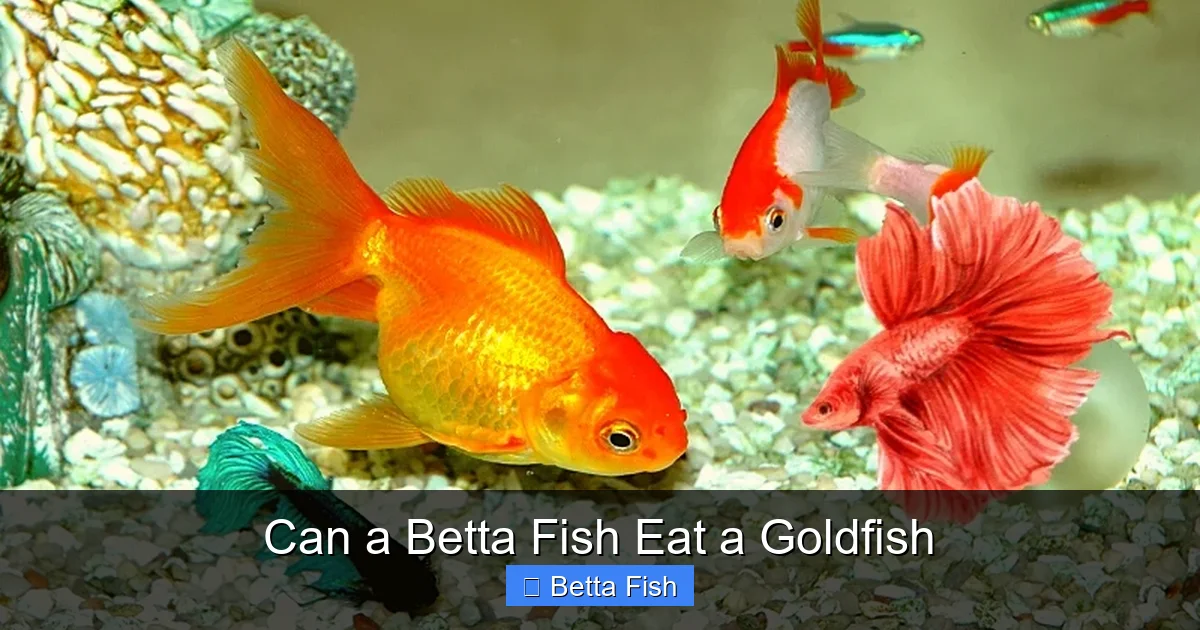
Betta fish are aggressive predators, not gentle companions for goldfish. While a betta might try to bite a tiny goldfish fry, a full‑grown goldfish is usually too large to be swallowed. Keeping them together is risky and often ends badly for the goldfish.
Key Takeaways
- Size matters: A betta can only attempt to eat very small goldfish fry; adult goldfish are too big to be consumed.
- Temperament: Betta males are territorial and may attack goldfish, especially long‑finned varieties.
- Tank conditions: Separate tanks or heavily planted refuges are required if you must house them together.
- Diet overlap: Both species accept similar high‑quality flakes, but feeding the same food won’t stop aggression.
- Health risks: Stress from aggression can lead to disease in both the betta and the goldfish.
- Alternative tank mates: Small, fast‑moving fish or invertebrates are safer companions for bettas.
- Observation is key: Watch behavior closely; any sign of nipping means immediate separation.
📑 Table of Contents
- Introduction: The Curious Question
- 1. How Betta Fish Hunt and What They Eat
- 2. Goldfish Size, Shape, and Defense
- 3. Behavioral Compatibility: Aggression vs. Peace
- 4. Tank Set‑Up Options If You Still Want Both
- 5. Feeding Both Species Without Conflict
- 6. Health and Stress Considerations
- Conclusion: Better Safe Than Sorry
Introduction: The Curious Question
When you first see a bright, flowing betta and a round, orange goldfish, it’s natural to wonder if they could share a home—or even a meal. The short answer is “no, not safely.” Betta fish (Betta splendens) are built for short bursts of aggression, while goldfish (Carassius auratus) are peaceful, bottom‑dwelling swimmers. Understanding their biology, feeding habits, and natural instincts helps you avoid a sad outcome.
In this article we’ll explore everything you need to know about whether a betta can eat a goldfish, how size and temperament affect the interaction, and what you can do if you still want both species in the same room. We’ll also link to related guides so you can dive deeper into diet, tank mates, and proper care.
1. How Betta Fish Hunt and What They Eat
Natural hunting style
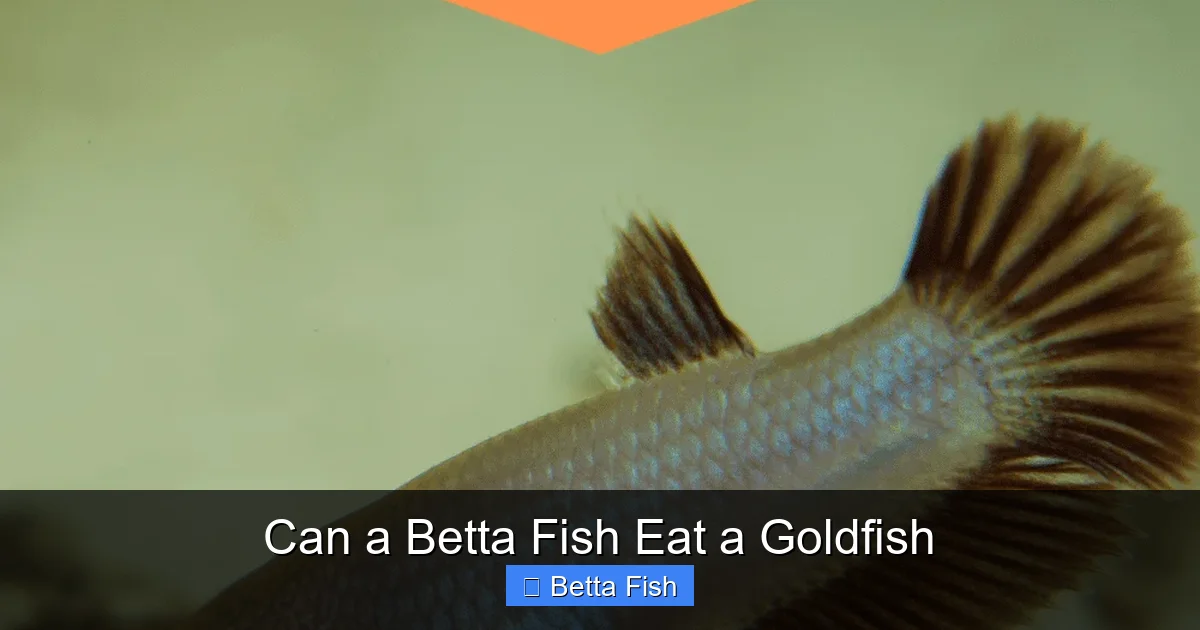
Betta fish are surface hunters. In the wild they glide up to the water’s surface, flash their gill covers, and snap at insects or tiny larvae. Their mouths are small but powerful, designed for quick, precise bites.
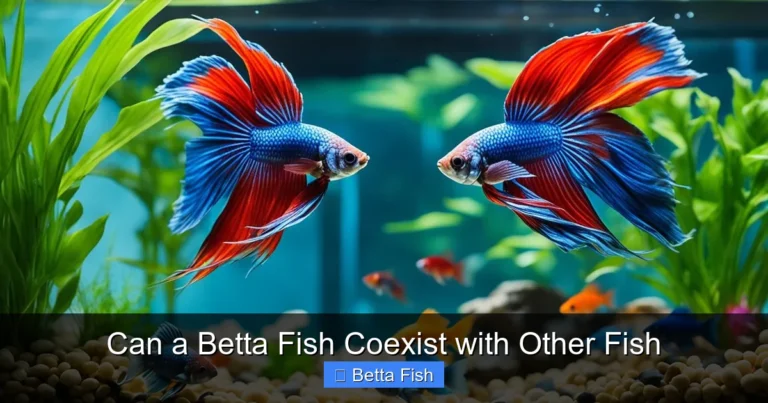
Visual guide about Can a Betta Fish Eat a Goldfish
Image source: i.pinimg.com
Typical diet
In captivity bettas thrive on high‑protein foods: Betta pellets, frozen bloodworms, daphnia, and occasional brine shrimp. They can also eat what can betta fish eat in the form of quality flakes, but they prefer foods that sink slowly so they can chase them.
Can they eat goldfish?
The short answer: only if the goldfish is a tiny fry that fits into a betta’s mouth. An adult goldfish can be several inches long and far too bulky to swallow. Even a large fry would likely trigger a defensive response rather than a feeding response.
2. Goldfish Size, Shape, and Defense
Growth patterns
Goldfish grow quickly, especially in a well‑filtered, spacious tank. A newborn fry may be just a few millimeters long—small enough for a betta to try to bite. Within weeks, however, they develop a robust body and a protective slime coat that makes them difficult prey.
Visual guide about Can a Betta Fish Eat a Goldfish
Image source: bettacarefishguide.com
Physical defenses
Goldfish have thick scales and a strong, muscular body. When threatened, they often dart away or press against the tank glass. This makes them unlikely victims of a betta’s bite once they reach a few centimeters.
3. Behavioral Compatibility: Aggression vs. Peace
Betta temperament
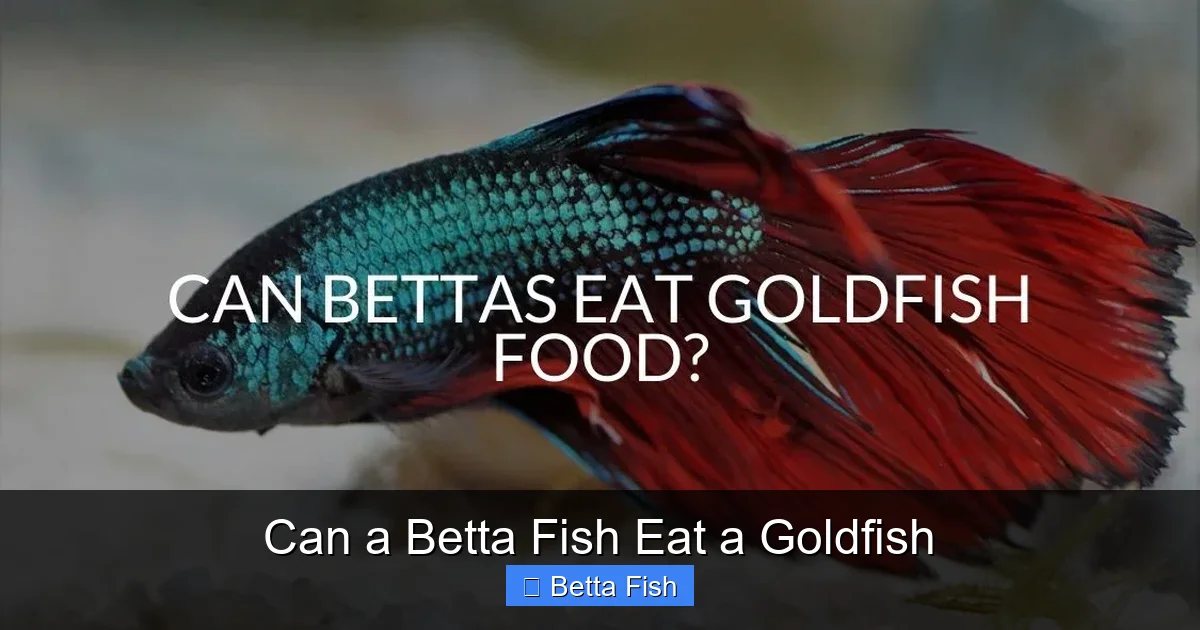
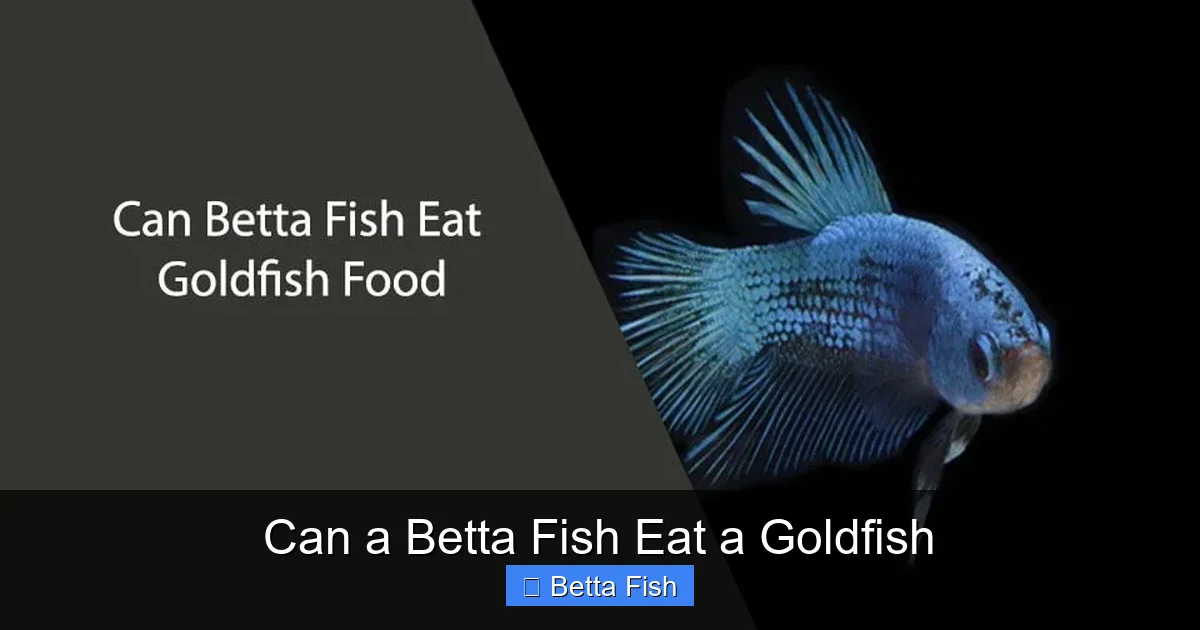
Male bettas are famously territorial. They flare their fins, puff up, and may nip at any fish that enters their perceived space. Even a female betta can show aggression if the tank is too small.
Visual guide about Can a Betta Fish Eat a Goldfish
Image source: efindanything.com
Goldfish demeanor
Goldfish are social and enjoy the company of their own kind. They are not fast swimmers, so they cannot easily escape a charging betta. This mismatch often ends with the goldfish being nipped or stressed.
What the experts say
For a definitive answer, see Will A Betta Fish Eat A Goldfish. The consensus among hobbyists is that while a betta *might* try to bite a goldfish fry, a mature goldfish is usually safe from being eaten—but the stress and injury risk remain high.
4. Tank Set‑Up Options If You Still Want Both
Separate tanks
The safest route is a dedicated tank for each species. This eliminates aggression and lets you tailor water parameters: bettas prefer warmer (78‑82°F) water, while goldfish thrive in cooler (65‑72°F) conditions.
Large, heavily planted community tanks
If you have a 30‑gallon or larger aquarium, you can try a “divided” set‑up. Use a clear acrylic barrier to give each fish its own territory while still sharing the same water volume. Add plenty of live plants, driftwood, and rock caves to provide hiding spots.
Choosing the right goldfish
Consider small, fast‑moving varieties like comet goldfish. Their longer bodies and quick dashes make them harder for a betta to target. Avoid fancy, long‑fin goldfish, as their delicate fins are easy prey.
5. Feeding Both Species Without Conflict
Separate feeding times
Feed the betta first, using a small cup to deliver food directly at the surface. After five minutes, introduce goldfish flakes or pellets to the bottom of the tank. This prevents the betta from stealing the goldfish’s food and reduces competition.
Suitable foods for each
Both fish can eat high‑quality flakes, but you may want to supplement:
- Betta: frozen bloodworms, brine shrimp, daphnia.
- Goldfish: sinking pellets, algae wafers, blanched peas.
For more on cross‑feeding, read Can A Betta Fish Eat Goldfish Food and Can A Goldfish Eat Betta Fish Food.
6. Health and Stress Considerations
Signs of stress
Look for faded colors, clamped fins, or frantic swimming. Stressed fish are more susceptible to ich, fin rot, and other diseases.
Preventing disease
Maintain clean water, perform weekly 25% water changes, and keep the temperature stable. Use a gentle filter that won’t create strong currents, which can stress goldfish.
When to separate
If you notice any nipping, immediate separation is essential. Even a minor bite can introduce pathogens into a goldfish’s slime coat.
Conclusion: Better Safe Than Sorry
In summary, a betta fish can technically bite a goldfish fry, but an adult goldfish is too large to be eaten whole. The real danger lies in the betta’s aggressive nature, which can cause injury, chronic stress, and disease for the goldfish. The most responsible approach is to keep them in separate tanks or use a well‑planned divided aquarium with plenty of hiding places.
By respecting each species’ natural behavior, providing appropriate diets, and monitoring tank dynamics, you can enjoy the vivid beauty of bettas and the calm presence of goldfish—just not in the same bowl.
Frequently Asked Questions
Can a betta fish swallow a goldfish fry?
Yes, a betta can bite and possibly swallow a very small goldfish fry, but it will usually release it if the fry is too large.
Will a betta attack an adult goldfish?
Adult goldfish are usually too big to be eaten, but a betta may still nip at them, causing stress and possible injury.
Is it safe to keep a betta and a goldfish together?
Only in a large, heavily planted tank with a clear divider. In most cases, separate tanks are the safest option.
What should I feed a betta if I also have goldfish?
Provide the betta with high‑protein pellets or frozen foods and feed goldfish sinking pellets or algae wafers at a different time.
Can goldfish eat betta fish food?
Goldfish can eat betta flakes in small amounts, but their diet should be primarily goldfish‑specific pellets to meet nutritional needs.
How do I know if my goldfish is stressed by a betta?
Look for faded colors, clamped fins, erratic swimming, or hiding near the tank bottom. Stress signs mean you should separate them immediately.