Are Female Betta Community Fish

Female bettas can live in community tanks, but success hinges on tank size, tank mates, and careful monitoring. Understanding their temperament, providing plenty of hiding spots, and choosing compatible species are essential for a peaceful aquarium.
Key Takeaways
- Temperament matters: Female bettas are less aggressive than males but can still show territorial behavior.
- Tank size is crucial: A minimum of 20‑30 gallons gives each fish room to establish its own space.
- Choose compatible tank mates: Peaceful, non‑fin‑nipping species reduce stress and conflict.
- Provide plenty of plants and décor: Live plants, caves, and driftwood create hiding spots that calm bettas.
- Monitor water quality: Stable parameters (temperature, pH, ammonia) keep bettas healthy and less prone to aggression.
- Start with a test run: Introduce fish slowly and watch for signs of stress before adding more.
- Know the signs of aggression: Frayed fins, rapid gill movement, and constant flaring indicate trouble.
📑 Table of Contents
Introduction: The Big Question
When you first hear the phrase “are female betta community fish,” it can feel like a puzzle. Betta fish—often called Siamese fighting fish—have a reputation for aggression, especially the flamboyant males. That reputation makes many hobbyists wonder if a female betta can share a tank with other fish without turning the aquarium into a battlefield.
Good news: Female bettas are generally more sociable than their male counterparts. With the right setup, they can live happily in a community aquarium. This article breaks down everything you need to know—tank size, water conditions, tank‑mate selection, and daily care—so you can answer the question confidently and create a thriving, peaceful tank.
Understanding Female Betta Behavior
Why are female bettas different?
Female bettas (Betta splendens) grow slightly larger than males and have less flamboyant fins, but they still possess the same “labyrinth” organ that lets them breathe air from the surface. Their aggression level is lower because they don’t need to defend a territory as fiercely as males do when protecting a mate.

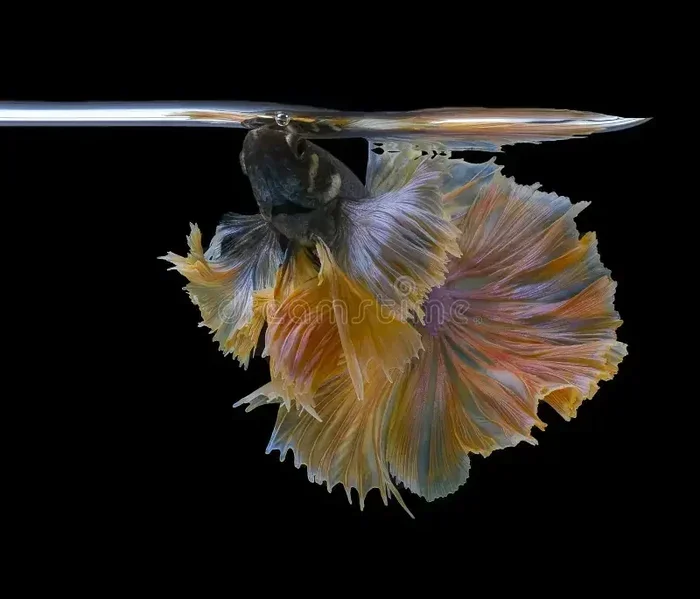
Visual guide about Are Female Betta Community Fish
Image source: wallpaperaccess.com
Are female bettas aggressive?
Yes, they can be. While female bettas are generally less aggressive than males, they may flare, chase, or nip if they feel crowded or threatened. Understanding the triggers—overcrowding, lack of hiding places, or aggressive tank mates—helps you prevent conflicts before they start.
How to spot aggression early
Watch for these warning signs:
- Fins become torn or frayed.
- Rapid gill movement and constant surface breathing.
- Frequent flaring (showing their opercular spines).
- Chasing other fish around the tank.
If you notice any of these behaviors, it’s time to reassess tank conditions or consider separating the fish.
Setting Up the Perfect Community Tank
Tank size and layout
Space is the single most important factor. A minimum of 20‑30 gallons (75‑115 liters) provides enough room for each female betta to claim a small territory without constant overlap. Larger tanks are even better, especially if you plan to keep multiple females together.

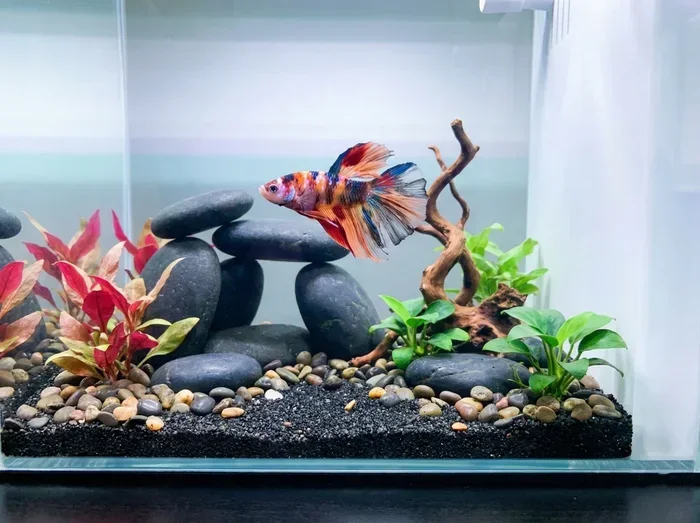
Visual guide about Are Female Betta Community Fish
Image source: i.pinimg.com
Water parameters
Female bettas thrive in warm, slightly acidic water:
- Temperature: 78‑82 °F (25‑28 °C)
- pH: 6.5‑7.5
- Hardness: 5‑20 dGH
- Ammonia/Nitrite: 0 ppm (always)
- Nitrate: < 20 ppm
Stable parameters reduce stress, which in turn lowers aggression. Use a reliable heater and a test kit to keep a close eye on the water.
Filtration and flow
Betta fish prefer gentle water movement. Choose a sponge filter or a low‑flow hang‑on‑back filter. Too strong a current will make them work harder to breathe at the surface.
Plants and décor
Live plants like Java fern, Anubias, and Amazon swords not only improve water quality but also provide natural hiding spots. Add driftwood, smooth rocks, and caves to break lines of sight. This visual barrier lets each female betta claim a “personal space,” reducing the urge to constantly flare at neighbors.
Choosing Compatible Tank Mates
What species get along?
Look for peaceful, non‑fin‑nipping fish that occupy different levels of the tank. Good choices include:

Visual guide about Are Female Betta Community Fish
Image source: i.pinimg.com
- Harlequin rasboras
- Neon tetras (small groups, but watch for fin nipping)
- Corydoras catfish (bottom dwellers)
- Otocinclus catfish (algae eaters)
- Small gouramis (if they are gentle)
Avoid fin‑nippers like tiger barbs or aggressive cichlids. Also steer clear of other bettas unless you are confident they are all females and the tank is spacious.
Can you keep multiple female bettas together?
Yes, but with caution. A “sorority” of female bettas can live together if the tank is large enough (minimum 30 gallons) and heavily planted. The key is to provide plenty of hiding spots and to monitor the group closely during the first few weeks. For more detailed guidance, see Can You Have Multiple Female Betta Fish.
Introducing new fish
Quarantine any new arrivals for at least two weeks to prevent disease. When adding them to the community tank, use a breeder box or a transparent divider for a 24‑hour acclimation period. This lets the existing fish see the newcomer without direct contact, reducing surprise aggression.
Daily Care and Monitoring
Feeding
Female bettas are omnivores. Offer high‑quality betta pellets once or twice daily, supplemented with frozen or live foods like daphnia, brine shrimp, or bloodworms. Overfeeding can cloud the water and increase nitrate levels, which may stress the fish.
Health checks
Perform a quick visual inspection each day. Look for:
- Clear eyes and intact fins
- Steady swimming without clamped fins
- Normal appetite
If a betta shows signs of disease—white spots, torn fins, or lethargy—treat promptly and consider isolating the fish.
Water changes
Change 25‑30 % of the water weekly. Use a water conditioner to remove chlorine and chloramines. Consistent water changes keep nitrate low and maintain a stable environment, which is essential for community harmony.
Common Problems and Solutions
Fin nipping
If a female betta starts nipping the fins of other fish, increase plant cover and add more hiding places. Sometimes moving the aggressive betta to a different spot in the tank can break the pattern.
Territorial disputes
Territorial aggression often occurs when the tank is too small or when there are not enough visual barriers. Adding more vertical plants or a background can help create separate “rooms” within the aquarium.
Unexpected aggression
Even with careful planning, aggression can flare up. If it becomes severe, consider moving the aggressive betta to a separate breeding tank. For a deeper dive into aggression issues, read Why Are My Two Female Betta Fish Fighting.
Conclusion: Making the Decision
So, are female betta community fish? The answer is yes—provided you give them the space, environment, and compatible companions they need. By focusing on tank size, water quality, and thoughtful tank‑mate selection, you can create a vibrant community where female bettas add color and personality without turning the tank into a battlefield.
Remember, every fish is an individual. Start with a modest community, watch the dynamics closely, and be ready to make adjustments. With patience and proper care, your aquarium can become a peaceful, thriving home for multiple female bettas and their tank mates.
Frequently Asked Questions
Can female bettas live with male bettas?
Mixing males and females is risky. Males are highly territorial and may attack females, especially during breeding season. It’s best to keep them separate.
Do female bettas need a heater?
Yes. Female bettas are tropical fish and thrive at 78‑82 °F (25‑28 °C). A reliable heater maintains a stable temperature, which reduces stress.
How can I tell if my betta is male or female?
Females are typically larger, have shorter fins, and may have two distinct ovipositor spots near the vent. For a detailed guide, see How To Tell If Betta Fish Are Male Or Female.
What plants are best for a betta community tank?
Java fern, Anubias, and Marimo moss are excellent choices. They thrive in low‑light conditions and provide plenty of hiding spots.
How often should I change the water in a community tank?
Replace 25‑30 % of the water weekly. This keeps nitrate levels low and maintains water clarity.
Is it normal for female bettas to flare?
Occasional flaring is normal, especially when they feel threatened or are establishing territory. Frequent, intense flaring may indicate stress or aggression issues that need attention.