Do Betta Fish Flare Their Gills

Betta fish flare their gills as a natural form of communication, often signaling stress, excitement, or a desire to establish territory. Understanding the reasons behind this behavior helps you create a calmer tank, prevent fights, and ensure your betta thrives.
Key Takeaways
- Flare = communication: Gill flaring is a visual signal that bettas use to convey mood and intent.
- Stress triggers: Poor water quality, temperature swings, or aggressive tank mates can cause frequent flaring.
- Territory and breeding: Males flare to defend space or attract a female during the breeding season.
- Healthy vs. unhealthy: A short, occasional flare is normal; prolonged or frantic flaring may indicate illness.
- Tank setup matters: Proper temperature, hiding spots, and a calm environment reduce unnecessary flaring.
- Watch the body language: Pair flaring with fin spreading, color changes, or rapid breathing to interpret the full message.
- Quick fixes: Adjust water parameters, add plants, or rearrange décor to calm an over‑flaring betta.
📑 Table of Contents
- Introduction: The Mystery Behind the Flare
- What Exactly Is Gill Flaring?
- Why Do Betta Fish Flare Their Gills?
- How to Tell If Flaring Is Normal or a Warning Sign
- Creating a Tank That Reduces Unnecessary Flaring
- When to Intervene: Steps to Calm an Over‑Flaring Betta
- Conclusion: Understanding the Language of Your Betta
Introduction: The Mystery Behind the Flare
If you’ve ever watched a betta fish sit on a rock and suddenly puff out its gills, you’ve probably wondered what’s going on in that tiny head. The sight is dramatic—bright colors flare, fins spread, and the water ripples as the fish takes a deep breath. This behavior, known as “flaring,” is one of the most iconic displays in the betta world.
In this article we answer the question do betta fish flare their gills and explore every reason they might do it. We’ll break down the science, link the behavior to tank conditions, and give you practical tips to keep your betta calm and vibrant.
What Exactly Is Gill Flaring?
Definition and Visual Cue
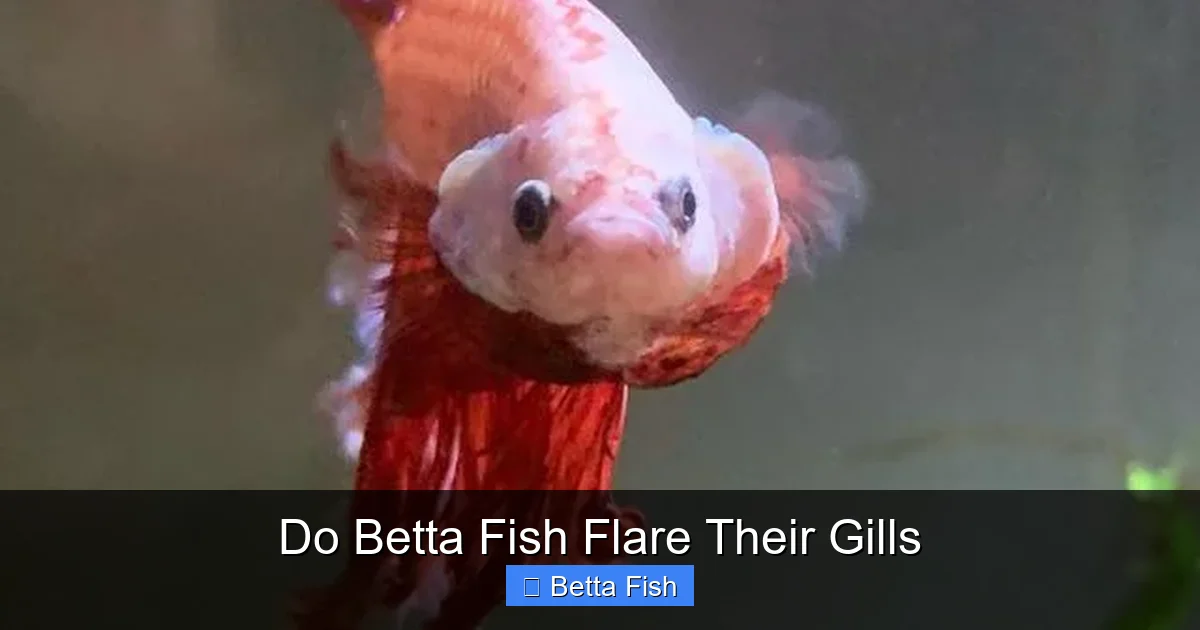
Gill flaring is when a betta expands the opercular (gill) covers, often accompanied by a rapid opening of the mouth. The fish looks as if it’s taking a giant breath, and the surrounding water may shimmer as the gill membranes move.
Visual guide about Do Betta Fish Flare Their Gills
Image source: atk-pro.jp
How It Differs From Other Displays
Flaring is not the same as the “bubble nest” behavior or simple breathing. While all bettas need to breathe air from the surface, a flare is a purposeful, short‑term expansion used to send a message.
Why Do Betta Fish Flare Their Gills?
Territorial Defense
Betta males are fiercely territorial. When another fish, a reflection, or a sudden movement is perceived as a threat, the male will flare his gills to look larger and warn the intruder to stay away. This is why you often see flaring when a new tank mate is introduced or when a mirror is placed nearby.
Visual guide about Do Betta Fish Flare Their Gills
Image source: ouraquariumlife.com
Breeding and Courtship
During the breeding season, a male will flare to attract a female. The bright colors and expanded gills signal health and vigor, increasing the chances of a successful mating. If you’re curious about how betta fish reproduce, notice that flaring is a key step before the male builds a bubble nest.
Stress and Environmental Triggers
Poor water quality, sudden temperature changes, or overcrowding can cause a betta to flare more often. In these cases, the flare is a sign of discomfort rather than confidence. Frequent, frantic flaring may indicate that the fish is trying to get your attention to fix something in the tank.
Excitement and Play
Sometimes a betta simply flares out of excitement—perhaps after a tasty treat or when a new decoration is added. This positive flare is usually brief and followed by calm swimming.
How to Tell If Flaring Is Normal or a Warning Sign
Duration and Frequency
A normal flare lasts a few seconds and occurs occasionally. If you notice flaring lasting more than 10 seconds or happening multiple times an hour, investigate the tank conditions.

Visual guide about Do Betta Fish Flare Their Gills
Image source: menu.restaurantguru.com
Accompanying Behaviors
- Color change: Brightening of the body often accompanies healthy flaring.
- Fin spreading: Fins will be fully extended in a confident display.
- Rapid breathing: Excessive surface breathing with flaring can signal poor water quality.
Health Indicators
Look for signs of disease such as white spots, frayed fins, or lethargy. If flaring is paired with these, it may be a stress response to an underlying health issue. For more on health checks, see how do you know if your betta fish is dying.
Creating a Tank That Reduces Unnecessary Flaring
Maintain Ideal Water Parameters
Betta fish thrive in water that is 76‑82°F (24‑28°C) with a pH of 6.5‑7.5. Consistent temperature prevents stress‑induced flaring. If you’re unsure about heating, read do betta fish need heaters in their tanks for guidance.
Provide Hiding Spots and Visual Barriers
Plants, caves, and driftwood break up sight lines, giving your betta places to retreat. This reduces the need to constantly flare at perceived threats.
Limit Reflections and External Stimuli
Mirrors or bright lights can trigger a flare. If you notice your betta reacting to its own reflection, cover the tank side or move the tank away from windows.
Proper Feeding Routine
Feeding high‑quality pellets twice a day keeps your betta satisfied and less likely to flare from excitement. Overfeeding, however, can cloud the water and increase stress.
When to Intervene: Steps to Calm an Over‑Flaring Betta
Check Water Quality First
Test ammonia, nitrite, and nitrate levels. A quick 25‑percent water change often resolves minor spikes and reduces frantic flaring.
Adjust Temperature
If the water is too cool, the betta may flare to signal discomfort. Raise the heater by 1‑2°F and monitor the behavior.
Rearrange the Tank
Moving décor or adding a new plant can change the visual landscape, giving the betta fresh territory and calming him.
Consider a Companion
While male bettas should never share a tank, a peaceful female can be a companion if the tank is large (at least 10 gallons) and well‑planted. This can reduce loneliness‑related flaring.
Conclusion: Understanding the Language of Your Betta
So, do betta fish flare their gills? Yes, and they do it for many reasons—territorial defense, breeding, stress, or simple excitement. By learning the subtle cues that accompany a flare, you can quickly tell whether your fish is happy or needs help.
Keeping water parameters stable, providing plenty of hiding spots, and giving your betta a predictable routine will minimize unnecessary flaring and keep your finned friend thriving. Remember, a healthy betta’s occasional flare is just a beautiful part of its natural communication.
Frequently Asked Questions
Why does my betta flare its gills when I look at the tank?
Betta fish often interpret sudden movements or reflections as a threat. The flare is a defensive display to warn the perceived intruder to stay away.
Can poor water quality cause constant gill flaring?
Yes. Elevated ammonia or sudden temperature changes stress bettas, leading to frequent flaring as they try to signal discomfort.
Is gill flaring a sign that my betta is ready to breed?
During breeding season, males flare more often to attract females and to show off their colors. If a female is present, you may see this behavior paired with bubble‑nest building.
Should I separate my betta if he flares at other fish?
Male bettas are highly territorial and should not share a tank with other males. If flaring is directed at another male, it’s best to keep them apart to prevent fights.
How long should a normal flare last?
A typical flare lasts only a few seconds. If the flare continues for more than 10 seconds or repeats constantly, check water conditions and tank setup.
Can I use a mirror to train my betta not to flare?
Using a mirror can be stressful and may increase flaring. It’s better to provide a calm environment rather than deliberately provoke the fish.