Can Other Fish Live with Betta

Betta fish can share a tank, but success depends on tank size, temperament, and compatible species. Choose peaceful, non‑fin‑nipping tank mates and provide plenty of hiding spots to keep everyone happy.
Key Takeaways
- Tank size matters: A minimum of 10‑20 gallons gives bettas space to establish territories.
- Choose peaceful species: Small tetras, rasboras, and dwarf gouramis are often safe companions.
- Watch the fins: Avoid fin‑nippers like guppies or barbs that may stress a betta.
- Gender rules: Male bettas should never be housed together; females can sometimes be kept in sororities with care.
- Provide hiding places: Plants, caves, and driftwood reduce aggression.
- Monitor water parameters: Betta‑compatible water is warm (76‑82 °F) and slightly acidic to neutral.
- Patience is key: Introduce new fish slowly and watch for signs of stress.
📑 Table of Contents
Introduction: The Big Question
Betta fish—those dazzling, long‑fined beauties—are often sold as solitary pets. The bright colors and dramatic flares make them a favorite, but many hobbyists wonder, can other fish live with betta? The short answer is “yes, sometimes,” but the long answer involves tank size, temperament, and choosing the right companions.
In this guide we’ll walk through everything you need to know to decide if a community tank is right for your betta. We’ll cover the science behind betta behavior, the best tank mates, set‑up tips, and red‑flag signs to watch for. By the end you’ll feel confident creating a harmonious aquarium that keeps both your betta and its new friends thriving.
Understanding Betta Behavior
Territorial instincts
Betta splendens are native to shallow rice paddies and slow‑moving streams in Thailand. In the wild they defend small territories against rivals. In a tank, this translates to a strong urge to guard space, especially around the surface where they breathe.
Male vs. female aggression
Male bettas are famously aggressive toward other males. Female bettas are less combative but can still display fin‑nipping if the tank is overcrowded. Knowing the gender of your betta helps you pick compatible tank mates.
Fin‑nipping triggers
Long‑finned bettas are especially vulnerable to fin‑nipping. Fast‑moving, brightly colored fish that chase or dart near the betta’s fins can cause stress, loss of color, and even infection.
Choosing the Right Tank Mates
Size and temperament guidelines
When you ask “what other fish can live with betta fish,” the answer starts with size and temperament. Ideal companions are:

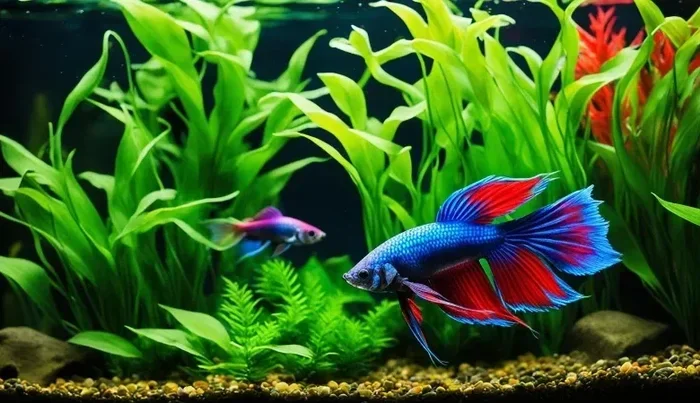
Visual guide about Can Other Fish Live with Betta
Image source: cungdi.net
- Small (under 1.5 in), peaceful species
- Mid‑water or bottom dwellers that stay out of the betta’s surface zone
- Non‑fin‑nipping, non‑aggressive swimmers
Top compatible species
Here are five crowd‑pleasers that often get along with bettas:
- Neon or Ember Tetras: Tiny, schooling fish that glide near the middle of the tank. Keep them in groups of six or more.
- Harlequin Rasboras: Slightly larger than tetras, they are fast enough to avoid bothering the betta.
- Dwarf Gourami: A calm, similarly‑sized surface dweller. Choose a single male gourami to avoid double‑male aggression.
- Cherry Shrimp: While not a fish, they add color and help clean algae. Betta may chase them initially, but many learn to ignore them.
- Kuhli Loaches: Bottom‑dwelling, eel‑like fish that keep to the substrate, leaving the betta’s surface area free.
Species to avoid
Never house your betta with these fin‑nippers or aggressive swimmers:
- Guppies, especially males
- Barbs (Tiger, Cherry)
- Other bettas (unless you’re creating a carefully managed sorority)
- Large, active cichlids
Internal link example
If you’re still unsure, read our detailed list at which other fish can live with betta for more options.
Setting Up the Tank for Success
Minimum tank size
While a 2‑gallon bowl is often marketed for bettas, a community tank needs at least 10 gallons. More space reduces territorial disputes and provides room for plants and décor.
Water parameters
- Temperature: 76‑82 °F (24‑28 °C)
- pH: 6.5‑7.5
- Hardness: 3‑4 dGH
- Gentle filtration to avoid strong currents
Decor and hiding spots
Live plants like Java fern, Anubias, and mosses create natural barriers. Add ceramic caves, driftwood, and smooth rocks. The more visual breaks, the less likely a betta will see other fish as intruders.
Introducing new fish
Use a quarantine tank first. Then, acclimate new fish slowly with the drip method. Observe behavior for the first 24‑48 hours; any lingering fin damage means you need to re‑evaluate the tank mates.
Signs of Compatibility vs. Conflict
Positive indicators
- Betta flares occasionally but returns to the bottom without chasing.
- Tank mates swim normally, no hidden or stressed behavior.
- Bright coloration and active feeding from all fish.
Warning signs
- Continual flaring and rapid swimming toward other fish.
- Fin damage, torn edges, or loss of color on any fish.
- Hiding all day, refusing to eat, or gasping at the surface.
What to do if problems arise
First, increase hiding places. If aggression persists, consider a separate tank or a different species of companion. Remember, it’s okay to admit a community setup isn’t working for your betta.
Special Cases: Betta with Invertebrates
Snails
Apple snails and nerite snails are generally safe. They help clean algae and are too slow to provoke a betta.
Shrimp
Cherry shrimp can thrive if the betta is calm. Provide dense plant cover so shrimp can escape if the betta becomes curious.
Frogs
Some aquarists keep African dwarf frogs with bettas. Ensure the frog is large enough not to be seen as prey, and keep the tank well‑planted.
Conclusion: Making the Decision
So, can other fish live with betta? Yes—provided you choose the right companions, give enough space, and monitor behavior closely. A well‑set up 10‑gallon tank with peaceful tetras, rasboras, or dwarf gourami can become a vibrant community where your betta shows off its colors without constant stress.
Take it step by step: start with a properly sized, well‑filtered tank, add a few hardy, non‑nipping fish, and watch the dynamics for a week or two. If everything stays calm, you’ve created a thriving mini‑ecosystem. If not, don’t be discouraged—betta solo tanks are still beautiful and rewarding.
Frequently Asked Questions
Can a male betta live with other fish?
Yes, a male betta can share a tank with peaceful, non‑fin‑nipping fish if the tank is large enough (10+ gallons) and has plenty of hiding spots.
What are the safest fish for a betta tank?
Neon tetras, ember tetras, harlequin rasboras, dwarf gouramis, and kuhli loaches are among the safest choices.
Do bettas get stressed by other fish?
Betas can become stressed if they feel their territory is threatened or if they’re constantly chased. Providing visual barriers and a spacious tank reduces stress.
Can I keep a betta with a goldfish?
It’s not recommended. Goldfish produce a lot of waste and require cooler water, which conflicts with the betta’s warm, soft‑water needs.
How long should I observe new tank mates?
Watch the community for at least 48 hours after introduction. Look for signs of aggression, fin damage, or hiding behavior.
Is it okay to keep a betta with shrimp?
Yes, shrimp such as cherry shrimp often coexist well, especially when plenty of plant cover is provided for the shrimp to hide.