Why Is My Betta Fish Only Swimming at the Top

Betta fish that linger at the water’s surface are often signaling a problem. Common causes include poor water quality, low oxygen, temperature stress, or illness. By checking parameters, adjusting the environment, and observing behavior, you can quickly restore your betta’s vigor.
Key Takeaways
- Surface swimming is a red flag: It usually means something in the tank isn’t right.
- Water quality matters most: High ammonia, nitrite, or low pH can force bettas to the top.
- Oxygen levels are crucial: Stagnant water or lack of surface agitation reduces dissolved oxygen.
- Temperature stress triggers surfacing: Too cold or too hot water makes bettas uncomfortable.
- Illness often shows up as surface‑only swimming: Look for other signs like faded colors or ragged fins.
- Simple fixes work fast: A water change, heater adjustment, or aeration can solve most cases.
- Regular monitoring prevents recurrence: Test kits and a routine check keep problems from returning.
📑 Table of Contents
Introduction: When Your Betta Sticks to the Surface
Imagine you’ve just set up a beautiful 5‑gallon tank, added a vibrant betta, and within a day the little fighter is hanging out only at the very top of the water. It looks almost like it’s “watching” you, but the truth is often less poetic. A betta that refuses to explore the middle or bottom of its home is usually trying to tell you something is wrong.
In this article we’ll break down the most common reasons why a betta fish only swims at the top, how to diagnose the issue, and what practical steps you can take to bring back normal behavior. By the end, you’ll feel confident that you can spot a problem early and keep your betta thriving for years.
1. Water Quality Problems
Ammonia, Nitrite, and Nitrate Build‑Up
Betta fish are especially sensitive to spikes in ammonia and nitrite. When a tank is new or not cycled properly, these toxic compounds can rise quickly. The fish will gasp at the surface where there is a thin layer of oxygen‑rich water, hoping to get enough breath.

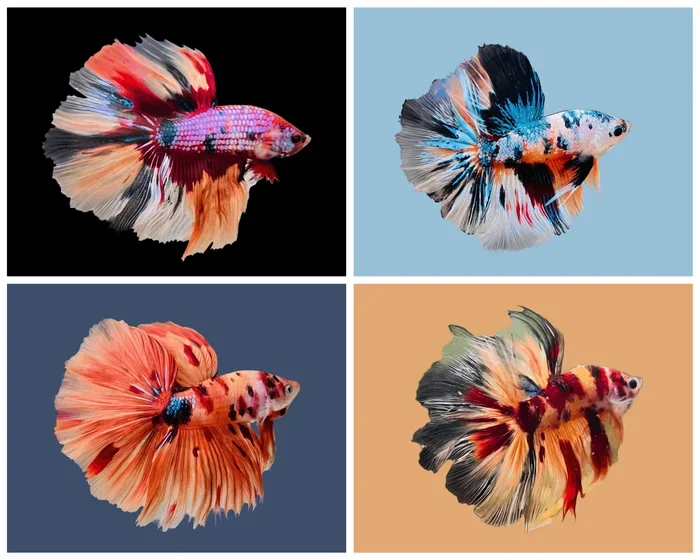
Visual guide about Why Is My Betta Fish Only Swimming at the Top
Image source: fishkeepedia.com
**How to test:** Use a liquid test kit or test strips and check ammonia, nitrite, and nitrate levels weekly. If ammonia or nitrite reads above 0 ppm, perform an immediate 25‑30 % water change.
pH and Hardness Issues
Betta’s natural habitat is slightly acidic to neutral (pH 6.0‑7.5). A sudden shift outside this range can cause stress, making the fish linger at the top. Hard water (high GH) can also irritate their delicate skin.
**Solution:** Adjust pH gradually with aquarium‑safe buffers. Avoid drastic changes; a shift of 0.2‑0.3 units per day is safe.
Link to Related Issue
If you notice your betta also has a cloudy appearance, read our guide on why is my betta fish water cloudy for additional troubleshooting steps.
2. Insufficient Oxygen
Stagnant Water and Lack of Surface Agitation
Betta fish have a labyrinth organ that lets them gulp air from the surface, but they still need dissolved oxygen. Still water, especially in small bowls, can become oxygen‑poor. The fish will hover at the top to “breathe” air directly.
How to Increase Oxygen
- Add a gentle air stone or a small power filter with a flow that creates surface ripples.
- Perform regular water changes (10‑15 % weekly) to refresh oxygen levels.
- Consider a live plant like Java fern; plants release oxygen during photosynthesis.
When to Watch for Over‑Aeration
Betas prefer calm water. Too strong a current can stress them as well. Aim for a gentle flow that barely moves the surface.
3. Temperature Stress
Cold Shock
Betta fish are tropical; water below 76 °F (24 °C) feels like an Arctic plunge. Cold water reduces metabolism, making the fish sluggish and more likely to stay at the warm surface layer.
Overheating
Conversely, water above 82 °F (28 °C) can cause rapid breathing and surface swimming as the fish searches for cooler spots.
Keeping Temperature Stable
- Use a reliable submersible heater rated for your tank size.
- Check the temperature twice daily with a calibrated thermometer.
- Place the tank away from direct sunlight, drafts, and heating vents.
4. Illness and Physical Stress
Common Diseases That Cause Surface‑Only Swimming
Several health issues make a betta stay at the top:
- Ich (white spot disease): Tiny white dots appear; the fish may gasp at the surface.
- Fin rot: Fins become ragged; the fish avoids the bottom where debris settles.
- Swim bladder disorder: The fish loses buoyancy control and may hover near the top.
Spotting Other Warning Signs
Look for faded colors, clamped fins, loss of appetite, or abnormal swimming patterns. If any of these appear, isolate the betta in a hospital tank and treat accordingly.
Helpful Internal Resources
For more on disease symptoms, see our article on why is my betta fish turning white and learn how to act fast.
5. Environmental Factors Beyond Water
Tank Size and Layout
A tank that’s too small (under 2.5 gallons) forces the betta to a limited space, often the surface. Upgrade to at least 5 gallons with plenty of vertical swimming room.
Lighting and Day‑Night Cycle
Bright lights all day can stress bettas, causing them to seek the dimmer surface. Provide a 10‑hour light period and 14‑hour darkness to mimic natural conditions.
Decor and Hiding Spots
Betas love places to rest. Without plants, caves, or silk leaves, they may feel exposed and stay near the top where they can “watch” for predators.
6. Quick Action Checklist
Step‑by‑Step Fixes
- Test water parameters (ammonia, nitrite, nitrate, pH).
- Perform a 25 % water change if any values are out of range.
- Check heater temperature; adjust to 78‑80 °F (25‑27 °C).
- Add a gentle air stone or increase filter flow to create surface ripples.
- Inspect the fish for signs of disease; treat if needed.
- Upgrade tank size or add live plants and hiding spots.
- Monitor behavior daily for 48 hours; repeat water tests weekly.
Conclusion: Keep Your Betta Happy and Healthy
When a betta fish only swims at the top, it’s usually a symptom, not a disease. By systematically checking water quality, oxygen, temperature, and health, you can quickly pinpoint the cause and restore normal swimming patterns. Remember, prevention is easier than cure: regular water changes, stable temperature, and a well‑aerated tank keep your betta thriving for years.
Take the time to observe, test, and adjust. Your betta will reward you with vibrant colors, graceful fins, and the occasional bubble nest—signs of a truly happy fish.
Frequently Asked Questions
Why is my betta fish staying at the top of the tank?
Most often it’s trying to get more oxygen, escape poor water quality, or avoid temperature stress. Checking parameters and adding surface agitation usually solves the problem.
Can low oxygen cause my betta to float at the surface?
Yes. Stagnant water with little surface movement reduces dissolved oxygen, so the betta will gulp air at the top to compensate.
Is it normal for bettas to sleep at the top of the tank?
Betas often rest near the surface, but they should also explore the middle and bottom. Constant top‑only behavior is a warning sign. See our guide on do betta fish sleep at the top of the tank for more details.
What temperature range is best for a betta?
Maintain water between 76 °F and 82 °F (24‑28 °C). Use a reliable heater and thermometer to keep the temperature stable.
How often should I change the water to prevent surface swimming?
Change 10‑15 % of the water weekly, or 25 % if you notice any spikes in ammonia or nitrite.
Could disease be the reason my betta only swims at the top?
Yes. Illnesses like ich, fin rot, or swim bladder problems can cause surface‑only swimming. Look for additional symptoms and treat promptly.