Why Is My Betta Fish Opening His Gills

Betta fish open their gills for many reasons—from normal breathing to stress signals. Understanding these cues helps you spot problems early and provide the right care.
Key Takeaways
- Normal breathing: Frequent gill movement is usually a sign of healthy respiration.
- Water quality: Poor parameters trigger rapid gill flaring as the fish struggles for oxygen.
- Stress indicators: Sudden, exaggerated gill opening can signal disease, temperature shock, or aggression.
- Health checks: Look for accompanying signs like discoloration, ragged fins, or unusual behavior.
- Preventive steps: Regular water changes, proper filtration, and correct tank setup reduce stress.
- When to act: Immediate isolation and treatment are needed if gill opening is paired with lethargy or loss of appetite.
- Helpful resources: Related articles on betta health can guide you through common problems.
📑 Table of Contents
Introduction
Imagine you’re watching your bright‑blue betta swim across the tank and suddenly you notice his gills flaring out like tiny fans. You might wonder, “why is my betta fish opening his gills?” It’s a common question for both new and seasoned hobbyists. The good news is that most of the time the answer is simple, but sometimes it can point to a deeper issue that needs attention.
In this article we’ll walk through every reason a betta might open his gills, how to tell if it’s normal or alarming, and what steps you can take to keep your fish breathing easy. Think of it as a friendly chat over a cup of tea, with plenty of practical tips you can start using today.
1. The Basics of Betta Respiration
How Gills Work
Betta fish, like all fish, extract oxygen from water using gills. Water flows over delicate filaments where blood vessels pick up dissolved oxygen and release carbon dioxide. The gill covers (opercula) open and close to push water over these filaments.

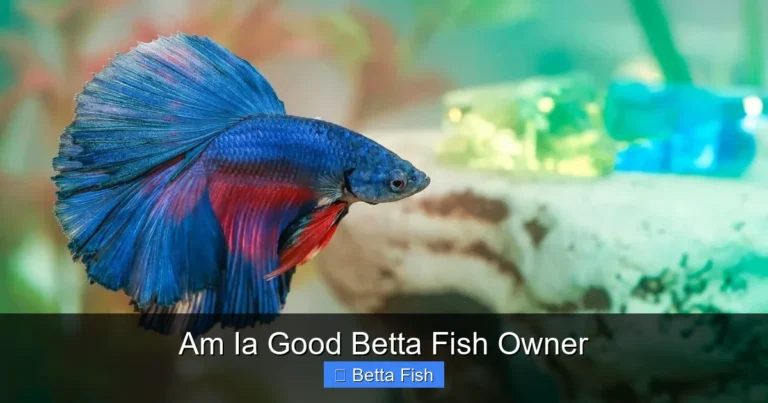
Visual guide about Why Is My Betta Fish Opening His Gills
Image source: prcdn.freetls.fastly.net
Normal Gilling Patterns
In a healthy tank, you’ll see gentle, rhythmic opening and closing every few seconds. This is the fish’s “breathing rate.” Factors that can speed up the rate include:
- Higher water temperature
- Increased activity (chasing a bubble nest, playing)
- Morning “stretch” after a night of rest
When you see these patterns, there’s usually no cause for concern.
2. Water Quality – The Most Common Culprit
Oxygen Levels and Temperature
Betta fish are labyrinth fish, meaning they can gulp air from the surface. However, they still rely on gills for most of their oxygen. If the water is warm (above 80°F/27°C) or poorly oxygenated, the fish will open his gills more rapidly to compensate.
Testing Your Water
Use a reliable test kit to check:
- Ammonia – should be 0 ppm
- Nitrite – should be 0 ppm
- Nitrate – under 20 ppm
- pH – between 6.5‑7.5 for bettas
- Temperature – 76‑82°F (24‑28°C)
If any values are out of range, perform a partial water change (25‑30 %) and adjust the heater or filter as needed.
Link to Related Issue
If you notice cloudy water along with rapid gill movement, read our guide on why is my betta fish water cloudy for step‑by‑step cleaning tips.
3. Stress Signals – When Gills Speak Loudly
Aggression and Territorial Displays
Male bettas are naturally territorial. When a new fish is introduced or a mirror is placed nearby, the resident may flare his gills as part of a threat display. This is usually accompanied by flared fins, a puffed body, and a deep “hissing” sound.
Environmental Stressors
Sudden changes in lighting, loud noises, or frequent tapping on the tank can cause a betta to gasp for air. Even a poorly sized tank (less than 2.5 gallons) can make a fish feel cramped, leading to exaggerated gill opening.
Health‑Related Stress
Diseases such as ich, velvet, or gill flukes irritate the respiratory tissue, making the fish breathe faster. Look for additional signs:
- White spots or cotton‑like growths
- Loss of color or faded fins
- Lethargy or loss of appetite
If you see these, isolate the fish in a hospital tank and begin treatment based on the specific diagnosis.
4. Temperature Shock – A Quick Crash Course
What Is Temperature Shock?
Betta fish are sensitive to rapid temperature shifts. Dropping the heater too low or placing the tank near a draft can cause the fish to gasp as his metabolism tries to adjust.
Preventing Shock
- Use a reliable aquarium heater with an automatic shut‑off.
- Check the temperature with a calibrated thermometer daily.
- Avoid moving the tank during cold months.
When Shock Happens
If you catch your betta gasping, raise the water temperature by 2‑3°F slowly (over 30‑45 minutes). Add a gentle air stone to increase surface agitation and oxygen levels.
5. Disease Overview – When Gills Tell a Story
Common Respiratory Diseases
Several illnesses directly affect the gills:
- Gill Flukes: Tiny parasites that cause redness, mucus, and labored breathing.
- Fin Rot: Bacterial infection that can spread to gills, creating frayed edges.
- Swim Bladder Disorder: Though not a gill issue, it can make a fish float erratically, causing extra gill movement.
Diagnosing the Issue
Observe the fish closely for:
- Visible spots or fuzz on the gills
- Excessive mucus
- Changes in coloration (white or black patches)
For a deeper dive into color changes, see our article on why did my betta fish turn white.
Treatment Basics
Most gill infections respond to a short course of aquarium salt (1 teaspoon per 5 gallons) and a high‑quality antibacterial medication. Always follow the manufacturer’s dosage and finish the full treatment period.
6. Practical Tips to Keep Gills Happy
Regular Maintenance
- Change 20‑30 % of the water weekly.
- Rinse filter media in tank water (not tap water) to preserve beneficial bacteria.
- Remove uneaten food within two minutes to prevent ammonia spikes.
Enrichment and Comfort
Provide live or silk plants, a small cave, and gentle water flow. These reduce stress and give the betta places to rest, which can lower unnecessary gill flaring.
Monitoring Tools
Consider a small air pump with a bubble stone to keep water moving gently. Even though bettas can breathe air, a well‑oxygenated tank eases the load on their gills.
Conclusion
Seeing your betta open his gills can be a simple sign of normal breathing, a reaction to water conditions, or a warning of stress or disease. By checking water parameters, watching for other symptoms, and keeping the environment stable, you can quickly tell whether the gill movement is harmless or needs action.
Remember, a happy betta is a healthy betta. Regular tank care, attentive observation, and prompt response to changes will keep those gills fluttering smoothly for years to come.
Frequently Asked Questions
Why does my betta open his gills more when the tank is warm?
Warmer water holds less dissolved oxygen, so the fish must move his gills faster to get enough oxygen. Raising the temperature a few degrees can increase stress, so keep the water between 76‑82°F.
Can a betta open his gills because he is hungry?
Not directly. However, an active, feeding betta may breathe faster due to increased movement. If he’s not eating, check for illness or water quality problems.
Is rapid gill opening a sign of a serious disease?
It can be, especially if accompanied by white spots, faded color, or ragged fins. Look for other symptoms and consider treating for gill parasites or bacterial infection.
My betta flares his gills when I put a mirror in the tank. Is this normal?
Yes. Male bettas use gill flaring as part of a territorial display. It’s a harmless behavior unless it becomes constant stress.
How often should I test my betta’s water to prevent gill problems?
Test ammonia, nitrite, nitrate, and pH at least once a week. After a water change or new addition, test again within 24 hours.
What should I do if my betta’s gills look red and swollen?
Red, swollen gills often indicate irritation or infection. Perform a partial water change, add a small amount of aquarium salt, and monitor for other signs. If the condition worsens, isolate and treat with a suitable medication.