Why Is My Betta Fish Fins Deteriorating
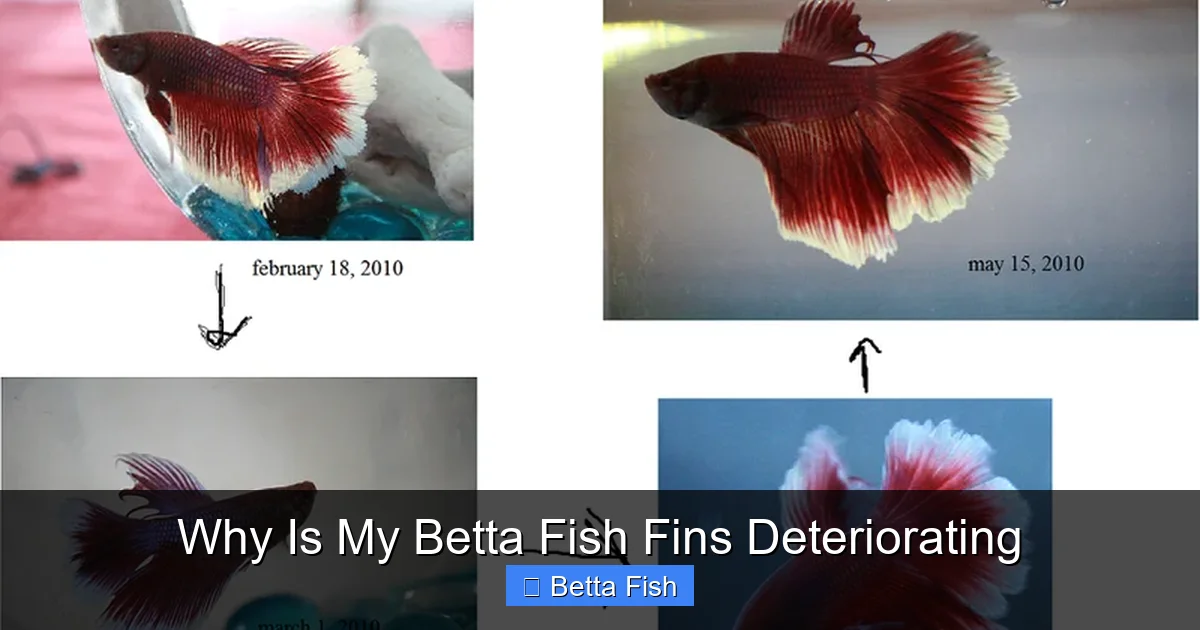
Seeing frayed or shrinking fins on your betta can be alarming. This guide explains the top reasons why is my betta fish fins deteriorating and offers easy, actionable fixes to keep your fish looking its best.
Key Takeaways
- Water quality matters: Poor parameters are the #1 trigger for fin loss.
- Infections are common: Bacterial, fungal, and parasitic diseases often start at the fins.
- Stress kills: Over‑crowding, aggressive tank mates, and sudden changes weaken fins.
- Nutrition is vital: A balanced diet rich in vitamins supports fin regeneration.
- Regular maintenance helps: Clean water, proper filtration, and routine checks prevent deterioration.
- Early detection saves lives: Spotting the first signs of fin damage can stop a bigger problem.
- Helpful resources: Use trusted articles like “Why Are My Betta Fish Fins Falling Off” for deeper insight.
📑 Table of Contents
- Introduction: When Beautiful Fins Start to Fade
- 1. Water Quality – The Foundation of Fin Health
- 2. Infections – Bacteria, Fungi, and Parasites
- 3. Stress Factors – The Hidden Enemy
- 4. Nutrition – Feeding for Fin Regeneration
- 5. Common Physical Causes
- 6. Prevention and Recovery Plan
- Conclusion: Restoring the Beauty of Your Betta’s Fins
Introduction: When Beautiful Fins Start to Fade
Betta fish are famous for their flowing, colorful fins. When those fins start to look ragged, torn, or simply shrink, any betta owner feels a pang of worry. You might find yourself asking, “why is my betta fish fins deteriorating?” The answer is rarely a single factor; it’s usually a mix of water conditions, health issues, and everyday stressors.
In this article we’ll walk through the most common culprits, show you how to spot early warning signs, and give you step‑by‑step tips to bring those fins back to their glorious state. Think of it as a friendly chat over a cup of tea—simple language, practical advice, and plenty of examples.
1. Water Quality – The Foundation of Fin Health
Why clean water matters
Betta fish are surprisingly sensitive to ammonia, nitrite, and nitrate spikes. Even a slight rise in these toxins can irritate the delicate skin and cause fins to fray.

Visual guide about Why Is My Betta Fish Fins Deteriorating
Image source: bdd.worldofcars-forum.fr
Key water parameters
- Temperature: 76‑82°F (24‑28°C) – keeps metabolism stable.
- pH: 6.5‑7.5 – avoids acidic or alkaline stress.
- Ammonia & Nitrite: 0 ppm – any detectable amount is dangerous.
- Nitrate: Below 20 ppm – higher levels slowly degrade fin tissue.
How to test and correct
Invest in a reliable liquid test kit. Test weekly, and if any value is out of range, perform a 25‑30 % water change. Use a gentle gravel vacuum to remove debris without disturbing your betta.
For persistent nitrate problems, consider adding live plants or a nitrate‑reducing filter media.
2. Infections – Bacteria, Fungi, and Parasites
Spotting the signs
Infected fins often appear white, fuzzy, or have tiny black spots. The edges may curl or look shredded. If you notice a sudden loss of fin tissue, think about the article “Why Are My Betta Fish Fins Falling Off” for a deeper dive.

Visual guide about Why Is My Betta Fish Fins Deteriorating
Image source: extendoffice.com
Bacterial infections
These usually start after a minor injury. The affected area becomes red, inflamed, and may develop a slimy coating. Broad‑spectrum antibiotics like Maracyn can help, but always follow dosage instructions.
Fungal growth
Fungal patches look like cottony white growths on the fin. They thrive in warm, stagnant water. Raising the temperature slightly (to about 82°F) and treating with antifungal dips such as API Fungus Cure often clears the infection.
Parasites
Protozoan parasites (e.g., Ichthyophthirius multifiliis) cause tiny white spots that can spread to fins. A formalin or copper‑based treatment, combined with a quarantine tank, is the safest route.
3. Stress Factors – The Hidden Enemy
Tank mates and aggression
Betta fish are territorial. Placing them with fin‑nipping tank mates (like certain tetras or gouramis) can lead to constant nipping, resulting in fin deterioration. Even a reflective surface can trigger stress.
Sudden changes
Quick shifts in temperature, pH, or lighting can shock the fish. When moving a betta to a new tank, match the water parameters as closely as possible.
Improper lighting
Too much light encourages algae growth, which can harbor bacteria. Keep the light on for 8‑10 hours a day and use a dimmer or floating plant for shade.
4. Nutrition – Feeding for Fin Regeneration
Balanced diet basics
Betta pellets are convenient, but they should be supplemented with high‑protein foods like frozen bloodworms, daphnia, or brine shrimp. These foods provide essential amino acids for tissue repair.
Vitamins and supplements
Vitamin C and E boosters are especially helpful for fin healing. A weekly dose of a liquid aquarium vitamin can make a noticeable difference.
Feeding schedule
Feed 2‑3 small meals per day, no more than the amount your betta can eat in 2 minutes. Overfeeding leads to poor water quality, which circles back to fin problems.
5. Common Physical Causes
Fin rot vs. fin curling
Fin rot is a progressive bacterial decay, while fin curling often indicates a fungal infection or poor water conditions. For more on fin curling, see “Why Are My Betta Fish Fins Curling”.
Injury from décor
Sharp ornaments or rough gravel can snag fins. Choose smooth, rounded decorations and sand the bottom of the tank.
Genetic factors
Some bettas are naturally predisposed to weaker fin structures, especially those bred for extreme tail types. While you can’t change genetics, proper care can minimize deterioration.
6. Prevention and Recovery Plan
Step‑by‑step checklist
- Test water parameters weekly; perform 25 % water changes as needed.
- Observe fins daily for redness, fraying, or discoloration.
- Maintain a balanced diet with occasional live foods and vitamin supplements.
- Limit tank mates to peaceful species or keep a single male betta alone.
- Use a gentle filter and avoid strong currents that stress the fish.
- Quarantine new fish for at least two weeks before adding them to the main tank.
When to seek professional help
If fin damage spreads rapidly despite your best efforts, consult a veterinarian who specializes in fish or a reputable aquarium store. Early intervention can save your betta’s life.
Conclusion: Restoring the Beauty of Your Betta’s Fins
Understanding why is my betta fish fins deteriorating empowers you to act quickly and effectively. By keeping water pristine, watching for infections, reducing stress, and feeding a nutritious diet, you give your betta the best chance to regrow strong, vibrant fins.
Remember, a healthy betta is a happy betta. Keep an eye on those delicate appendages, and you’ll enjoy the dazzling display of color and movement that makes bettas such beloved companions.
Frequently Asked Questions
Why are my betta fish fins turning white?
White patches often signal a fungal infection or early-stage fin rot. Improve water quality and treat with an antifungal dip.
Can a betta fish recover from severe fin loss?
Yes, if the underlying cause is addressed. New fin tissue can grow back over several weeks with proper care and nutrition.
Is it normal for betta fins to curl occasionally?
Occasional slight curling can happen due to water flow, but persistent curling usually means stress or infection. See “Why Are My Betta Fish Fins Curling” for details.
How often should I change my betta’s water to prevent fin problems?
A 25‑30 % water change every week is ideal. If you notice any spikes in ammonia or nitrate, increase the frequency.
Do tank mates cause my betta’s fins to deteriorate?
Yes, aggressive or fin‑nipping tank mates can damage fins. Keeping a single male betta or carefully selecting peaceful companions helps.
What supplements help fin regeneration?
Vitamin C, Vitamin E, and high‑protein live foods support tissue repair. Adding a liquid vitamin supplement once a week can speed up recovery.