How to Add Salt in Tank Ich Betta Fish
Adding aquarium salt to your betta fish tank is one of the most effective and natural ways to treat ich (white spot disease). This guide walks you through the correct salt dosage, step-by-step application, and safety tips to help your betta recover quickly without harming tank mates or beneficial bacteria.
Dealing with ich on your betta fish can feel overwhelming, especially when you see those tiny white spots spreading across their fins and body. The good news is that adding salt to the tank is one of the simplest, cheapest, and most effective ways to fight this common parasite. In this guide, we will walk you through everything you need to know about how to add salt in tank ich betta fish safely and successfully.
Whether you are a beginner or a seasoned betta keeper, understanding the right salt dosage and application method makes all the difference. We will cover the step-by-step process, common mistakes to avoid, and expert tips that help your betta bounce back fast. Let us dive right in.
Key Takeaways
- Correct Dosage Matters: Always use 1 teaspoon of aquarium salt per 5 gallons of water for ich treatment in a betta tank.
- Quarantine First: Treat ich in a separate quarantine tank when possible to protect beneficial bacteria and other fish.
- Monitor Your Betta: Watch for signs of stress like lethargy or loss of appetite during salt treatment and adjust accordingly.
- Gradual Removal Is Key: Do a 50% water change and remove salt gradually after symptoms disappear to avoid shocking your fish.
- Salt Baths Work Fast: A short salt dip can kill ich parasites on your betta’s body within hours when done correctly.
- Prevention Is Better Than Cure: Maintain stable water parameters and reduce stress to keep ich outbreaks from happening in the first place.
📑 Table of Contents
- What Is Ich and Why Does It Affect Betta Fish?
- Why Aquarium Salt Works Against Ich
- How to Add Salt in Tank Ich Betta Fish: Step-by-Step
- Common Mistakes When Adding Salt for Ich Treatment
- Preventing Ich in Your Betta Tank
- Expert Insights on Salt Treatment for Ich
- How Long Does Salt Treatment Take to Work?
- When to Seek Professional Help
- Final Thoughts on Adding Salt for Ich in Betta Tanks
What Is Ich and Why Does It Affect Betta Fish?
Ich (short for Ichthyophthirius multifiliis) is a tiny parasite that latches onto your betta’s skin, fins, and gills. It shows up as small white dots that look like grains of salt or sugar. These spots are actually cysts where the parasite burrows under the skin and feeds on your fish’s body fluids.
Betta fish are especially vulnerable to ich when they are stressed. Common triggers include sudden temperature drops, poor water quality, overcrowded tanks, and aggressive tank mates. Once ich takes hold, it can spread quickly through a tank. That is why acting fast with a salt treatment for ich is so important.
How Do Betta Fish Catch Ich?
Ich parasites live in most aquarium environments, even in seemingly clean tanks. They become active and attach to fish when the fish’s immune system is weakened. A stressed betta with lowered immunity becomes an easy target. The parasite then feeds, reproduces, and releases hundreds of new ich cells back into the water. This cycle repeats fast if left untreated.
Knowing the early ich symptoms in betta fish helps you act quickly:
- White spots on the body, fins, and gills
- Scratching against rocks or decorations (flashing)
- Rapid breathing or gasping at the surface
- Clamped fins and lethargy
- Loss of appetite
If you notice these signs, starting a salt bath for betta fish right away can stop the parasite from multiplying and spreading to other fish in the tank.
Why Aquarium Salt Works Against Ich
Aquarium salt (sodium chloride) creates a hostile environment for ich parasites. It draws moisture out of the parasite’s cells through osmosis, which kills them before they can reproduce. At the same time, aquarium salt is gentle enough to use safely with betta fish when dosed correctly.
Unlike harsh chemical medications, salt is a natural treatment that does not harm beneficial bacteria in your filter or disrupt the biological balance of your tank when used properly. Many experienced betta keepers prefer salt as a first line of defense for freshwater ich treatment.
How Salt Affects the Ich Lifecycle
The ich parasite has a three-stage lifecycle. Only the free-swimming stage (called theronts) is vulnerable to salt treatment. Once the parasite burrows into the fish (trophont stage), salt cannot reach it. This is why treatment needs to continue for several days to catch each new generation of free-swimming parasites as they emerge.
This is exactly why a how to treat ich on a betta fish approach using salt requires patience and consistency. You must maintain the salt concentration for at least 7 to 10 days to break the entire lifecycle.
How to Add Salt in Tank Ich Betta Fish: Step-by-Step
Now let us get into the practical steps. Following this process carefully will give your betta the best chance of recovering from ich without complications.
Step 1: Prepare a Quarantine Tank
The ideal approach is to treat ich in a separate quarantine tank. This protects your main tank’s beneficial bacteria and prevents salt from affecting other sensitive fish. A 5-gallon tank works perfectly for a single betta.
Set up the quarantine tank with a simple sponge filter (no carbon, as carbon removes salt). Add dechlorinated water at the same temperature as the main tank, around 78 to 80 degrees Fahrenheit. How to set up a fish tank for betta fish in a quarantine setup follows the same basic principles as a main tank, just smaller and simpler.
Step 2: Calculate the Correct Salt Dosage
The standard dosage for treating ich in a betta tank is 1 teaspoon of aquarium salt per 5 gallons of water. Never use table salt, iodized salt, or sea salt with additives. Always use pure aquarium salt or non-iodized rock salt.
Here is a quick reference table:
- 10-gallon tank: 2 teaspoons of aquarium salt
- 5-gallon tank: 1 teaspoon of aquarium salt
- 3-gallon tank: 1/2 teaspoon of aquarium salt
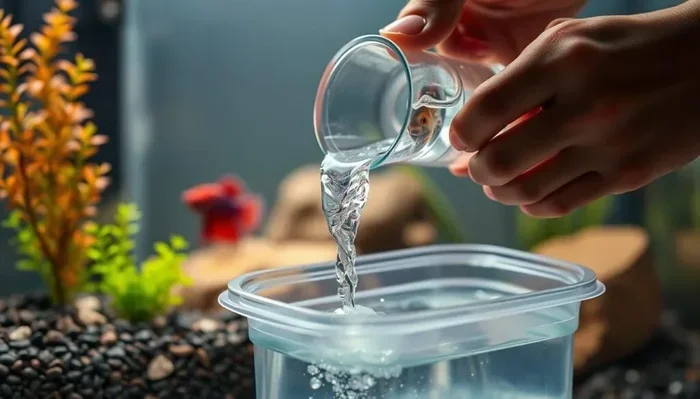
Dissolve the salt in a cup of tank water before adding it to the quarantine tank. This ensures the salt dissolves completely and does not sit on the bottom in concentrated pockets.
Step 3: Add Salt Gradually
Do not dump all the salt into the tank at once. Add it slowly over the course of 30 minutes. Bettas are sensitive to sudden changes in water conditions. Gradual addition helps your fish adjust without experiencing salt shock.
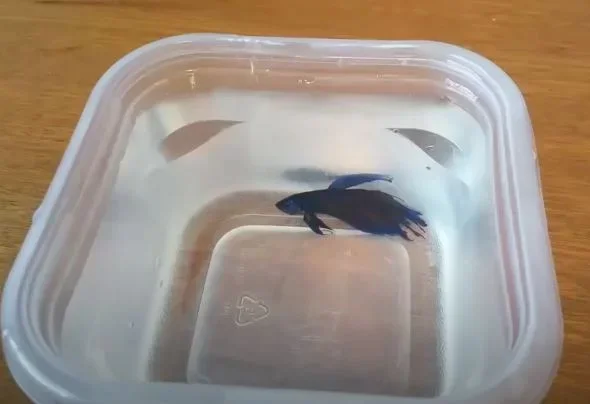
While adding salt, watch your betta closely. If you see any signs of distress such as rapid gill movement or erratic swimming, slow down the process. A salt dip for betta fish can also be done separately as an immediate treatment, but the tank-level approach works best for ongoing ich control.
Step 4: Maintain Salt Level for 7 to 10 Days
Keep the salt concentration consistent throughout the treatment period. Do not do water changes during the first 3 to 4 days unless the water quality drops dangerously. After day 4, you can do small 20% water changes and add the corresponding amount of salt to replace what was removed.
Monitor your betta daily. You should start seeing the white spots fade within 3 to 5 days. The spots may appear to get worse in the first 48 hours as the salt forces parasites out from under the skin. This is actually a good sign that the treatment is working.
Step 5: Remove Salt Gradually
Once all signs of ich are gone and your betta has been spot-free for at least 3 days, begin the removal process. Do a 50% water change using fresh, dechlorinated water at the same temperature. Do not add any salt to the new water.
Repeat the 50% water change every 12 hours for the next 24 hours. This gradually brings the salt level back to zero without shocking your betta. How to change water in a betta fish tank during this phase should be done gently and slowly.
Common Mistakes When Adding Salt for Ich Treatment
Even experienced fish keepers make mistakes with salt treatments. Here are the most common errors and how to avoid them:
Using the Wrong Type of Salt
Table salt, sea salt, and Epsom salt are not the same as aquarium salt. Table salt contains iodine and anti-caking agents that can harm your betta. Epsom salt (magnesium sulfate) is used for different purposes like treating constipation or swim bladder issues, not ich. Always reach for pure aquarium sodium chloride.
Overdosing the Salt
More salt does not mean faster results. In fact, too much salt can damage your betta’s gills, strip the protective slime coat, and cause osmotic stress. Stick to the recommended dosage of 1 teaspoon per 5 gallons. If your betta shows signs of stress, do a 50% water change immediately to lower the concentration.
Skipping the Quarantine Tank
Adding salt directly to a main display tank can kill beneficial bacteria and harm plants, snails, or sensitive fish species. Always treat ich in a separate quarantine tank whenever possible. If you must treat in the main tank, remove sensitive invertebrates and plants first.
Stopping Treatment Too Early
This is the biggest mistake people make. When the white spots disappear, many owners think the problem is solved and stop treatment. But the salt needs to continue working for several more days to kill the free-swimming parasites that are still in the water. Stopping too early almost always leads to a re-infection.
Preventing Ich in Your Betta Tank
Prevention is always easier than treatment. Here are simple habits that keep ich and other diseases away from your betta fish:
- Keep water parameters stable: Test ammonia, nitrite, and nitrate levels weekly. Sudden spikes stress your betta and weaken its immune system.
- Maintain consistent temperature: Use a reliable heater to keep the water between 76 and 82 degrees Fahrenheit. Temperature swings are a major trigger for ich outbreaks.
- Do regular water changes: A weekly 25% water change keeps the tank clean and reduces parasite loads naturally.
- Quarantine new fish: Always isolate new arrivals for at least 2 weeks before adding them to your main betta tank. This prevents introducing hidden parasites.
- Feed a balanced diet: High-quality betta pellets and occasional treats like bloodworms keep your fish healthy and boost its natural immunity.
Following these practices consistently means you will rarely have to deal with a full-blown ich outbreak. A healthy, well-maintained tank is the best defense against any fish disease.
Expert Insights on Salt Treatment for Ich
Veterinary aquarists and experienced betta breeders agree that aquarium salt is a safe and effective first response to ich. Dr. Richmond Loh, a fish veterinarian, recommends starting with a low salt concentration and increasing gradually if needed. He emphasizes that betta fish tolerate salt well at the recommended doses but that every fish is different.
If your betta does not respond to salt treatment within 7 to 10 days, or if the ich spreads rapidly despite treatment, consider a combination approach. Pairing salt with a gentle anti-parasitic medication can tackle stubborn infections. Always consult a fish veterinarian if your betta shows severe symptoms like open sores, fin rot, or complete loss of appetite.
Another expert tip is to raise the tank temperature slightly during salt treatment. Warmer water (around 80 to 82 degrees Fahrenheit) speeds up the ich lifecycle, which means the parasites emerge from the fish faster and become vulnerable to the salt treatment sooner. This combination of salt plus warmth is a powerful one-two punch against ich.
How Long Does Salt Treatment Take to Work?
Most betta owners start seeing improvement within 3 to 5 days of beginning salt treatment. The white spots should begin to fade, and your betta should return to normal behavior, including eating eagerly and swimming actively. Full recovery typically takes 7 to 14 days depending on the severity of the infection.
Remember that the salt needs to remain in the water throughout this entire period. The treatment is not a quick fix but a sustained approach that breaks the ich lifecycle from start to finish. Patience and consistency are your best tools here.
When to Seek Professional Help
Most cases of ich respond well to salt treatment at home. However, there are situations where professional help is necessary. If your betta develops secondary infections like bacterial fin rot or open wounds alongside ich, a veterinarian may prescribe additional medications. Also, if your betta stops eating for more than 3 days during treatment, it is time to seek expert advice.
You can also refer to guides on how to cure nitrate poisoning in betta fish if water quality issues contributed to the ich outbreak. Poor water conditions often underlie disease outbreaks, and addressing the root cause prevents future problems.
Finally, always keep a basic aquarium salt supply on hand. Having it ready means you can start treatment the moment you spot the first white spot, which dramatically improves your betta’s chances of a full and fast recovery.
Final Thoughts on Adding Salt for Ich in Betta Tanks
Adding salt to treat ich in a betta fish tank is straightforward, affordable, and highly effective when done right. The key is using the correct type of salt, dosing it accurately, and maintaining consistent treatment for 7 to 10 days. Avoid common mistakes like using the wrong salt type, overdosing, or stopping treatment too early.
Pair your salt treatment with good husbandry practices like stable temperatures, clean water, and a stress-free environment. These habits not only treat ich but also prevent future outbreaks. Your betta fish will thank you with vibrant colors, active behavior, and a long, healthy life.
Start with the salt treatment today if your betta shows signs of ich. The sooner you act, the better the outcome. Your little betta deserves a healthy, itch-free life, and now you have the knowledge to give it to them.
Frequently Asked Questions
Can I use table salt instead of aquarium salt for ich treatment?
No, you should never use table salt for treating ich in a betta tank. Table salt contains iodine and anti-caking agents that can harm your fish. Always use pure aquarium salt or non-iodized rock salt to keep your betta safe during treatment.
How long should I keep salt in the tank after ich spots disappear?
Continue the salt treatment for at least 3 to 4 days after all white spots are gone. This ensures that any remaining free-swimming parasites in the water are killed before you gradually remove the salt through water changes.
Can I add salt directly to my main display tank with other fish?
It depends on the other fish in your tank. Bettas tolerate salt well, but many freshwater fish, plants, and invertebrates like snails are sensitive to salt. It is safest to treat ich in a separate quarantine tank to protect sensitive tank mates.
What is the difference between a salt bath and adding salt to the whole tank?
A salt bath is a short, concentrated dip in salty water that lasts a few minutes and targets parasites on the fish’s body directly. Adding salt to the whole tank is a longer-term treatment that maintains a low salt concentration to kill free-swimming parasites over 7 to 10 days.
Can ich come back after salt treatment?
Yes, ich can return if the water quality drops or if your betta becomes stressed again. Ich parasites are present in most aquarium environments. Maintaining clean water, stable temperatures, and a healthy diet keeps your betta’s immune system strong enough to fight off future outbreaks.
Is aquarium salt safe for betta fry and baby fish?
Betta fry are more sensitive to salt than adult bettas. If you need to treat ich in a fry tank, use a reduced dosage of 1/4 teaspoon per 5 gallons and monitor the fry closely for any signs of stress. When in doubt, consult a fish veterinarian before treating young fish.
=== CONCLUSION ===
Adding salt to treat ich in your betta fish tank is one of the simplest yet most powerful tools in your fish care toolkit. With the right dosage, the right type of salt, and a consistent treatment schedule, you can eliminate ich and give your betta a healthy, comfortable life. Remember to always use aquarium salt, dose carefully, and never stop treatment too early. Combine salt treatment with good water quality and stress-free living conditions, and your betta will thrive for years to come.