Seeing your betta puff out his gills can be alarming, but it’s often a clear signal that something isn’t right. This guide explains the most common reasons—water quality, temperature, illness, and stress—and gives practical steps to help your finned friend breathe easy again.
Key Takeaways
- Water quality matters: High ammonia or nitrite levels are a top cause of gill puffing.
- Temperature stress: Betta fish thrive at 76‑82°F; too cold or too hot can trigger rapid breathing.
- Illness signs: Puffy gills often accompany fin rot, velvet, or parasites.
- Stress triggers: Overcrowding, aggressive tank mates, and poor filtration can make a betta gasp.
- Immediate actions: Test water, perform a partial water change, and monitor behavior.
- Prevention: Regular maintenance, a proper heater, and a calm environment keep gills normal.
- When to seek help: If puffing persists after 24‑48 hours, consult a vet or experienced hobbyist.
📑 Table of Contents
- Introduction: The Panic When Your Betta Puffs His Gills
- 1. Water Quality: The Hidden Enemy
- 2. Temperature Stress: Too Hot or Too Cold
- 3. Illness and Parasites: When Disease Shows Up on the Gills
- 4. Stress Factors: The Silent Gaspers
- 5. Nutrition and Feeding Issues
- 6. Quick Action Plan: What to Do When You See Puffy Gills
- Conclusion: Breathe Easy, Betta Lovers
Introduction: The Panic When Your Betta Puffs His Gills
Imagine you’re watching your vibrant betta swim across his little kingdom when, all of a sudden, his gills swell and he starts gulping water like a tiny goldfish. Your heart skips a beat. “Why does my betta fish puff out his gills?” you wonder. The good news is that most cases have clear, fixable reasons. The bad news is that ignoring the problem can lead to serious health issues.
In this friendly, step‑by‑step guide we’ll break down every possible cause—from water chemistry to hidden parasites—so you can act fast, keep your betta breathing easy, and enjoy many more colorful displays.
1. Water Quality: The Hidden Enemy
Why poor water triggers gill puffing
Betta fish are surface breathers. Their labyrinth organ lets them gulp air, but their regular gills still need clean, oxygen‑rich water. When ammonia, nitrite, or nitrate spikes, the gills become inflamed and swell. This is one of the most common reasons behind the question “why does my betta fish puff out his gills?”
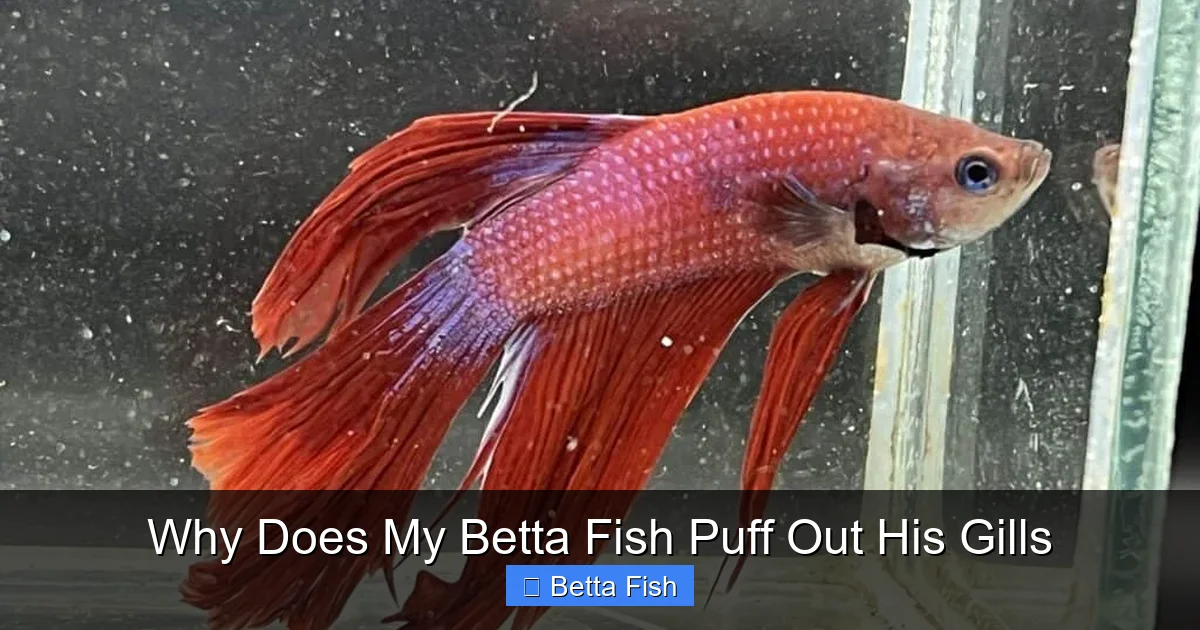
Visual guide about Why Does My Betta Fish Puff Out His Gills
Image source: aquariadise.com
How to test and fix water problems
- Test kit: Use a liquid test kit for ammonia, nitrite, nitrate, and pH. Test weekly.
- Partial water change: Replace 25‑30 % of the water with conditioned, dechlorinated water if any parameter is out of range.
- Filtration: A gentle sponge filter provides biological filtration without creating strong currents that stress bettas.
For a deeper dive into water‑related issues, see our article on why is my betta fish water cloudy, which explains how cloudy water often signals chemistry problems.
2. Temperature Stress: Too Hot or Too Cold
Ideal temperature range
Betta fish are tropical; they love water that stays between 76°F and 82°F (24°C‑28°C). Temperatures below 72°F cause the metabolism to slow, making the fish gulp more air. Temperatures above 86°F can reduce dissolved oxygen, leading to rapid gill movement and puffiness.
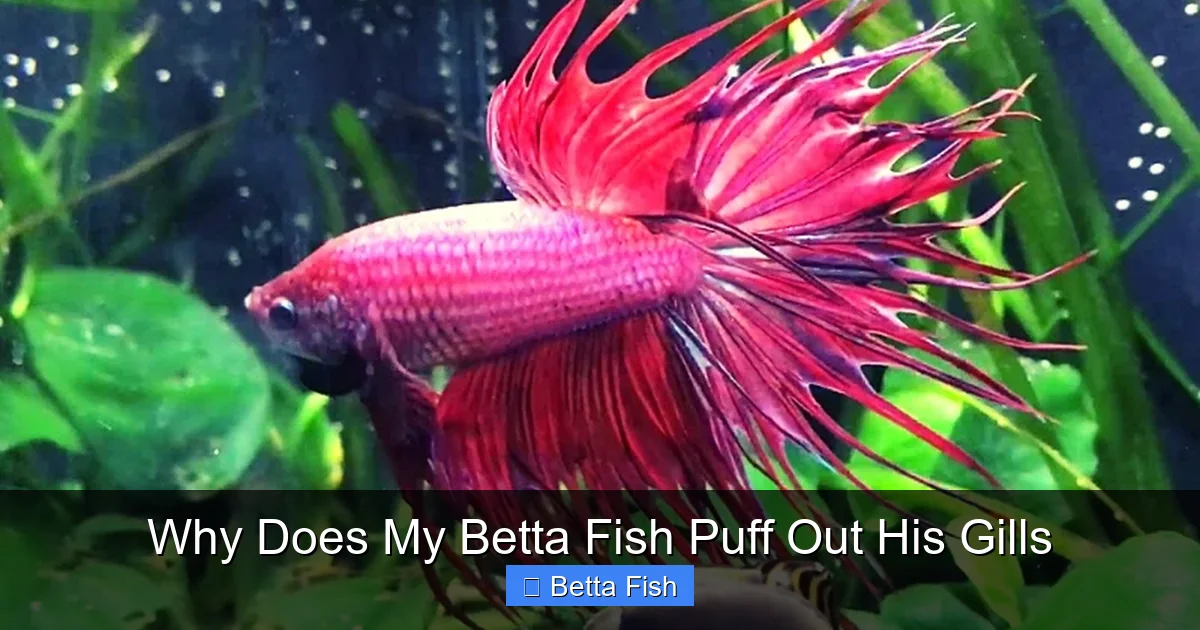
Visual guide about Why Does My Betta Fish Puff Out His Gills
Image source: infishtank.com
Tools to maintain steady heat
- Heater: A reliable submersible heater with an adjustable thermostat.
- Thermometer: Place a digital thermometer near the surface where the betta hangs out.
- Room temperature: Keep the room stable; avoid drafts or direct sunlight that can cause spikes.
If you notice your betta puffing his gills after a power outage, check the heater first. A quick 10‑minute water change to bring the temperature back into range often restores normal breathing.
3. Illness and Parasites: When Disease Shows Up on the Gills
Common diseases that cause gill swelling
Several infections target the gills directly:
- Fin rot & bacterial infections: Bacteria can spread to gill filaments, causing redness, swelling, and a frothy appearance.
- Velvet disease (Oodinium spp.): A white‑gold dusting on the gills makes them look puffy and irritated.
- Ich (White Spot Disease): Tiny white cysts may appear on gills, leading to inflammation.
- External parasites: Trichodina or Costia attach to gill tissue, causing puffiness.
Diagnosing and treating
Look for additional signs: loss of appetite, clamped fins, or a change in color. If you suspect an infection, isolate the fish in a hospital tank and treat with a broad‑spectrum antibacterial medication such as Maracyn 2, or a specific anti‑parasitic like copper sulfate for velvet.
Read more about how to spot other health problems in our guide why does my betta fish fins look shredded.
4. Stress Factors: The Silent Gaspers
Environmental stressors
Betta fish are solitary and territorial. Overcrowding, aggressive tank mates, or a tank that is too small (less than 2.5 gallons) can cause chronic stress, leading to gill puffing as the fish struggles to get enough oxygen.
Behavioral clues
- Hiding under decorations for long periods.
- Flashing (quickly opening and closing the opercula).
- Loss of color intensity.
To reduce stress, provide plenty of hiding spots, maintain a calm water flow, and keep the tank a minimum of 5 gallons for a single male betta.
5. Nutrition and Feeding Issues
Can food cause gill puffing?
While food itself doesn’t directly inflate gills, over‑feeding can lead to poor water quality, which circles back to the first cause. Additionally, a betta that is refusing food may be sick, and the underlying disease could be the real reason for gill puffing.
Best feeding practices
- Feed high‑quality betta pellets or frozen bloodworms once or twice a day.
- Only provide what the fish can eat in 2‑3 minutes.
- Remove uneaten food promptly to avoid ammonia spikes.
If you’re curious about why your betta might be refusing food, check out why did my betta fish stop eating for tips on troubleshooting appetite loss.
6. Quick Action Plan: What to Do When You See Puffy Gills
Step‑by‑step checklist
- Observe: Note how long the puffing lasts and any accompanying signs (color change, fin damage, etc.).
- Test water: Check ammonia, nitrite, nitrate, pH, and temperature.
- Partial water change: Replace 25‑30 % with fresh, conditioned water.
- Adjust temperature: Ensure it sits within the 76‑82°F range.
- Check for disease: Look for spots, white dust, or filament loss on the gills.
- Isolate if needed: Move the betta to a hospital tank for treatment.
- Monitor: Watch for improvement over 24‑48 hours. If puffing persists, seek veterinary advice.
When to call a professional
If after a full water change, temperature correction, and 48 hours of observation the gills remain swollen, it’s time to contact a fish‑savvy vet. Persistent puffiness can indicate chronic infection or internal organ issues that need medication.
Conclusion: Breathe Easy, Betta Lovers
Seeing your betta puff out his gills is a clear alarm bell, but it’s rarely a mystery. By checking water quality, temperature, signs of illness, and stressors, you can usually solve the problem within a day or two. Regular maintenance, a proper heater, and a calm environment are the best long‑term strategies to keep those beautiful gills fluttering smoothly.
Remember, a happy betta is a healthy betta. Keep an eye on the little signs, act quickly, and enjoy the dazzling display of colors that only a thriving betta can provide.
Frequently Asked Questions
Why does my betta fish puff his gills when the water looks clear?
Even clear water can hide chemical problems. Test for ammonia, nitrite, and pH; a spike in any of these can cause gill inflammation.
Can a sudden temperature drop cause my betta to puff his gills?
Yes. A drop below 72°F slows metabolism and forces the betta to gulp more air, leading to puffed gills.
Is it normal for a betta to puff his gills after eating?
Occasional slight puffing after a big meal is normal, but sustained swelling indicates stress or water quality issues.
What disease should I suspect if my betta’s gills are white and puffy?
White, fluffy gills often point to velvet disease (Oodinium). Treat with copper‑based medication and improve water conditions.
How long should I wait before treating my betta for gill puffing?
If the puffing lasts more than a few hours and water parameters are off, start a partial water change immediately. If no improvement in 24 hours, begin treatment.
Can over‑feeding cause gill puffing?
Indirectly, yes. Over‑feeding leads to waste buildup, raising ammonia levels, which can inflame the gills.

