Is Monk Fish Better Then Shark
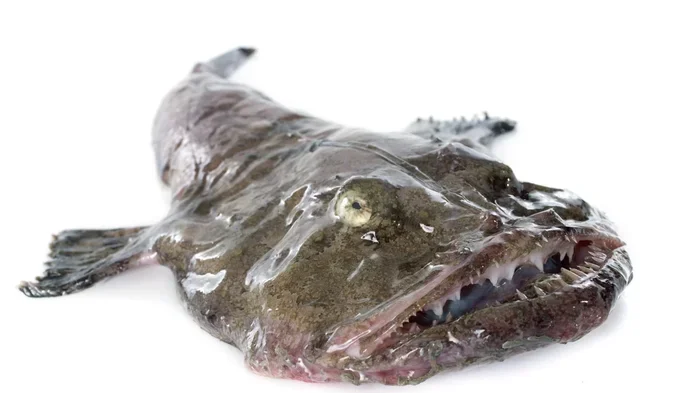
Monk fish and shark are two very different ocean fish that people often compare. Monk fish has a mild, sweet flavor and a firm yet tender texture that cooks beautifully. Shark meat is stronger in taste and has a denser, meaty feel. This guide breaks down the key differences so you can choose the right fish for your kitchen and your health.
When you walk through the seafood aisle or visit a fish market, you might come across both monk fish and shark. These two ocean creatures look nothing alike, but people often wonder which one is the better choice for dinner. Maybe you have tried one and want to know if the other is worth a taste.
The question “is monk fish better then shark” comes up a lot among home cooks and seafood lovers. The truth is, both fish have their own strengths. They each bring something special to the table. Let us dive into the details and see how they stack up against each other.
Monk fish is a bottom-dwelling ocean fish known for its mild flavor and versatile meat. Shark, on the other hand, is a powerful predator that lives in many of the world’s oceans. Comparing these two fish helps you make smarter choices at the seafood counter. Whether you care about taste, health, or cooking ease, this guide has you covered.
Key Takeaways
- Taste Profile: Monk fish tastes mild and sweet, while shark has a stronger, more pronounced flavor that some find too fishy.
- Texture Comparison: Monk fish has a firm but tender texture similar to lobster tail, whereas shark meat is denser and chewier.
- Nutrition Facts: Both are high in protein and low in fat, but monk fish tends to be lower in mercury, making it a safer choice for regular eating.
- Cooking Versatility: Monk fish adapts well to many cooking methods, while shark works best with strong flavors and grilling.
- Sustainability: Wild caught fish like monk fish is often a more sustainable choice compared to many shark species that face overfishing concerns.
- Mercury Levels: Shark generally contains higher mercury levels, which matters if you eat fish often or are pregnant.
- Price and Availability: Monk fish is widely available and affordable, while shark meat can be harder to find and more expensive in some markets.
📑 Table of Contents
What Is Monk Fish?
Meet the Monkfish
Monk fish, also called monkfish or anglerfish, is a type of saltwater fish found in the Atlantic and Mediterranean oceans. It has a big head and a long tail, but most people only cook the tail meat. The tail is the part that looks and tastes the best. It has a firm texture that flakes nicely when cooked.
Many people say monk fish tastes like lobster. That is why it is sometimes called the “poor man’s lobster.” The mild, sweet flavor makes it a favorite for people who do not love strong fish tastes. If you are new to eating seafood, monk fish is a great place to start.
Why People Love Monk Fish
Monk fish has become popular in restaurants and home kitchens for a few good reasons. First, it is affordable compared to many other white fish. Second, it takes on flavors really well. Whether you grill, bake, or pan-sear it, monk fish soaks up sauces and seasonings beautifully.
Third, monk fish is packed with lean protein. A single serving gives you a lot of nutrition without much fat. It is also a good source of omega-3 fatty acids, which support heart and brain health. For those comparing seafood options, monk fish holds its own against popular choices like sole or basa.
What Is Shark Meat?
Understanding Shark as Food
Shark is a large ocean fish that has been eaten in many cultures for centuries. Shark meat can look different depending on the species. Some shark meat is white and firm, while other types have a pinkish or yellowish tint. The flavor tends to be stronger than most white fish.
Shark meat has a meaty, dense texture that some people love. It feels more like steak than fish. This makes it a popular choice for grilling. However, shark meat can also taste quite fishy, which puts some people off. If you are sensitive to strong seafood flavors, shark might not be your first pick.
The Mercury Concern
One important thing to know about shark is its mercury content. Shark is a large predator fish, which means it sits at the top of the ocean food chain. Over time, mercury builds up in its body. This makes shark a riskier choice for frequent eating, especially for pregnant women and young children.
Monk fish, being a smaller bottom-dweller, tends to have much lower mercury levels. This is a big reason why many health experts recommend monk fish over shark for regular meals. When choosing between these two fish, mercury levels are a serious factor to consider.
Taste and Texture Showdown
Flavor Comparison
When it comes to taste, monk fish and shark are in different leagues. Monk fish has a gentle, sweet flavor that almost feels buttery. It pairs well with butter, lemon, garlic, and herbs. You can serve it with almost any side dish and it will shine.
Shark meat has a much bolder taste. Some describe it as slightly ammonia-like or very briny. The flavor can be overwhelming if you are not used to eating fish regularly. Many shark recipes call for soaking the meat in milk or lemon juice to mellow out the taste. This extra step is something you do not need with monk fish.
Texture Differences
Texture matters a lot when choosing a fish. Monk fish has a firm yet tender bite. It flakes apart gently, much like a good piece of cod or salmon. The cooked texture is often compared to lobster tail, which makes it a hit at dinner parties.
Shark meat is much denser and chewier. It has a rubbery quality that needs careful cooking. If you overcook shark, it can become tough and dry. Monk fish is more forgiving in the kitchen. It stays moist and tender even if you cook it a bit longer than planned.
Nutrition: Which Fish Is Healthier?
Both monk fish and shark offer solid nutrition. They are both high in protein and low in calories. But there are important differences that can affect your health over time.
- Protein: Both fish deliver a strong protein punch per serving. You get all the essential amino acids your body needs.
- Fat Content: Monk fish is very lean with minimal fat. Shark is also low in fat but can vary by species.
- Omega-3s: Monk fish provides a good amount of omega-3 fatty acids. Shark has omega-3s too, but the levels can be lower.
- Mercury: Shark carries a much higher mercury risk. Monk fish is one of the safer choices for regular consumption.
- Vitamins and Minerals: Both fish offer selenium, B vitamins, and phosphorus. Monk fish has a slight edge in overall mineral content.
If you are looking for a healthy fish to eat weekly, monk fish is the safer and more balanced choice. The lower mercury levels and mild flavor make it easy to include in your diet without worry.
Cooking and Preparation Tips
How to Cook Monk Fish
Monk fish is incredibly easy to cook. You can grill it, bake it, pan-sear it, or even poach it. The tail meat works well with simple seasonings like olive oil, salt, pepper, and lemon. Here are a few quick tips:
- Always remove the slimy skin before cooking. The skin is not edible and can make the fish taste off.
- Marinate monk fish for 15 to 30 minutes to boost flavor.
- Cook on medium heat to keep the meat moist and tender.
- Pair monk fish with light sauces like pesto or lemon butter.
Monk fish also works great in soups, stews, and curries. Its mild flavor blends right in with bold ingredients. You can find many recipes online that use monk fish in creative ways.
How to Cook Shark
Shark meat needs a bit more attention in the kitchen. Soaking it in milk or a salt and lemon juice solution helps reduce the strong fishy taste. After soaking, you can grill, fry, or bake shark meat. Here are some tips:
- Soak shark meat for at least 1 hour before cooking.
- Use bold marinades with soy sauce, garlic, or citrus.
- Cook shark on high heat for a short time to keep it moist.
- Avoid overcooking shark, as it dries out quickly.
Shark steaks are popular in many coastal regions. They work well on the grill with a smoky char. But if you prefer a milder fish experience, monk fish will save you the extra prep work.
Sustainability and Environmental Impact
Another important factor in the monk fish vs shark debate is sustainability. The ocean’s fish populations are under pressure from overfishing and habitat loss. Choosing the right fish can make a difference.
Monk fish populations in many areas have recovered well thanks to smart management. In the United States, monk fish is considered a sustainable seafood choice. When you buy wild caught monk fish, you are supporting healthy fishing practices.
Shark faces much bigger challenges. Many shark species are overfished, and shark populations around the world are declining. Sharks also grow slowly and reproduce late in life, which makes them vulnerable to population drops. Choosing monk fish over shark can be a more environmentally friendly decision.
If sustainability matters to you, look for certifications like MSC (Marine Stewardship Council) when buying any seafood. This applies to both monk fish and other wild caught options like salmon or cod.
Which Fish Should You Choose?
The answer to “is monk fish better then shark” depends on what you value most. Here is a quick comparison to help you decide:
| Factor | Monk Fish | Shark |
|---|---|---|
| Taste | Mild and sweet | Strong and fishy |
| Texture | Firm and tender | Dense and chewy |
| Mercury Level | Low | High |
| Cooking Ease | Very easy | Requires prep |
| Sustainability | Good | Concerns |
| Price | Affordable | Can be expensive |
| Nutrition | Lean protein, omega-3s | Lean protein, omega-3s |
For most people, monk fish is the better everyday choice. It tastes great, cooks easily, and is safer to eat regularly. Shark can be a fun occasional treat if you enjoy its bold flavor and meaty texture. But for health and sustainability reasons, monk fish gets the edge.
If you love seafood and want to explore more options, you might also enjoy comparing other fish varieties. Learning about different fish helps you make informed choices at the market. Whether you pick monk fish, shark, or another ocean favorite, the most important thing is to eat a variety of seafood for balanced nutrition.
Monk fish is a wonderful fish that deserves a spot in your kitchen. It is affordable, healthy, and delicious. Next time you are at the seafood counter, give monk fish a try. You might just find it becomes your new favorite fish.
Frequently Asked Questions
Is monk fish safe to eat every week?
Yes, monk fish is generally safe to eat regularly. It has low mercury levels and is packed with lean protein and omega-3s. Most health experts recommend it as a good choice for weekly seafood meals. Just make sure to buy from reputable sources that follow sustainable fishing practices.
Can you eat shark meat safely?
Shark meat can be eaten but should be limited due to high mercury content. Eating shark occasionally is fine for most adults. However, pregnant women, nursing mothers, and young children should avoid or strictly limit shark consumption. Always check local advisories before eating any shark caught recreationally.
Does monk fish taste like lobster?
Many people say monk fish tastes similar to lobster, especially the tail meat. It has a mild sweetness and a firm texture that resembles cooked lobster. This is why monk fish is often called the “poor man’s lobster.” It is not an exact match, but the comparison is not far off.
Why is shark meat so fishy tasting?
Shark meat contains high levels of urea and trimethylamine oxide, which give it a strong, ammonia-like smell and taste. Soaking shark meat in milk, lemon juice, or salt water before cooking helps reduce this fishiness. Monk fish does not have this issue, which makes it much easier to prepare.
Is monk fish or shark better for the environment?
Monk fish is generally the more sustainable choice. Many monk fish fisheries are well-managed and monitored. Shark populations worldwide face serious threats from overfishing. Sharks also reproduce slowly, making population recovery difficult. Choosing monk fish supports healthier ocean ecosystems.
What is the best way to cook monk fish?
Monk fish is incredibly versatile and easy to cook. Pan-searing the tail fillets in butter with garlic and lemon is a popular method. You can also grill, bake, or add monk fish to soups and stews. The meat is forgiving and stays moist with minimal effort, making it perfect for beginner and experienced cooks alike.
=== CONCLUSION ===
So, is monk fish better then shark? For most people, the answer is yes. Monk fish offers a milder taste, a tender texture, lower mercury levels, and easier cooking. It is a sustainable and affordable choice that works for almost any meal. Shark has its fans, but it comes with stronger flavors and health concerns that make it better suited for occasional eating.
Next time you are shopping for seafood, consider picking up monk fish. It is a smart, delicious, and healthy choice that fits well into any diet. Your taste buds and your body will thank you.
=== INTERNAL LINKS ===
- If you enjoy comparing different fish, check out our guide on which fish is better sole or basa for more insights.
- Want to learn about other seafood options? Read our article on which is better sea fish or freshwater fish to understand the key differences.
- For more on fish safety and quality, visit our page on is salt water fish better than freshwater to explore important considerations.