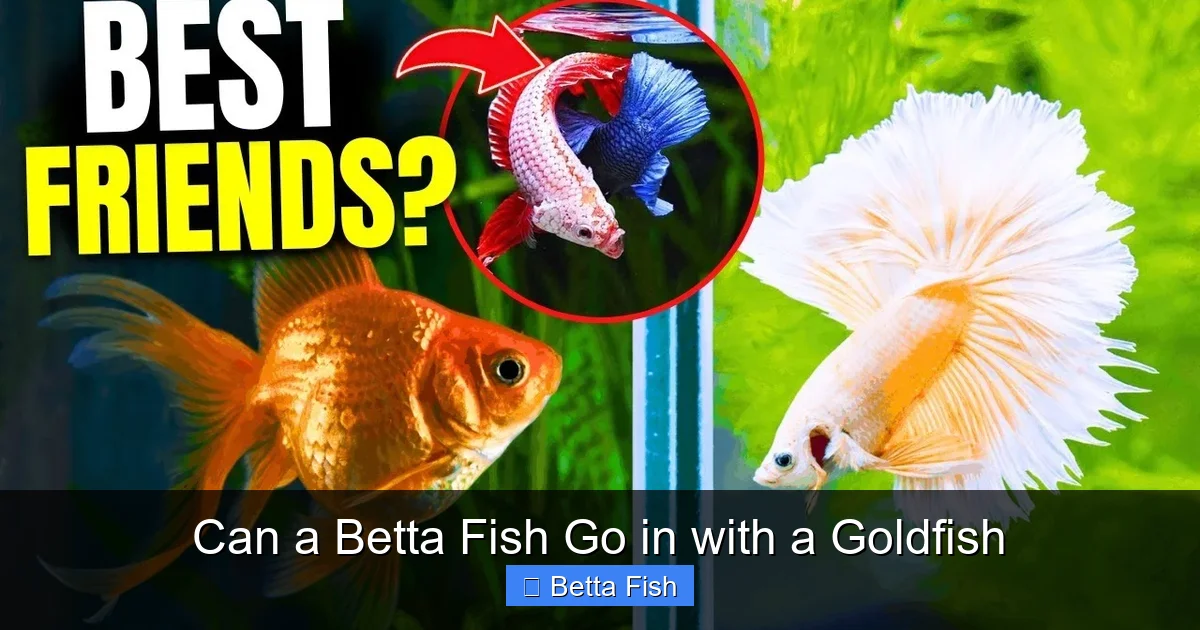
Can a Betta Fish Go in with a Goldfish
Betta fish and goldfish have very different needs, making cohabitation tricky. While it’s possible under very specific conditions, most experts advise separate tanks to avoid stress, disease, and water‑parameter problems. Read on for a full guide on how to decide and what to watch for.
Key Takeaways
- Different water needs: Betta thrive in warm (76‑82 °F) tropical water; goldfish need cooler (65‑75 °F) water.
- Size matters: Goldfish grow large and produce a lot of waste, which can overwhelm a betta’s small tank.
- Temperament clash: Betta are territorial and may nip at goldfish fins, especially if the goldfish is long‑finned.
- Filtration is crucial: Goldfish require strong filtration; bettas can survive in low‑flow setups, so a balance is needed.
- Separate feeding: Betta food is protein‑rich and tiny; goldfish need larger, plant‑based flakes.
- Quarantine first: Always quarantine new fish to prevent disease transfer.
- Best practice: Most hobbyists keep bettas and goldfish in separate tanks for optimal health.
📑 Table of Contents
Introduction: A Tale of Two Fins
Imagine you’ve just set up a beautiful 10‑gallon tank, and you’re torn between a vibrant betta and a classic goldfish. Both are popular, both are eye‑catching, and both seem to promise endless enjoyment. But can they really share the same water? The short answer is “it’s complicated.” In this article we’ll break down the science, the temperament, and the practical steps you need to know before you let a betta and a goldfish live together.
We’ll cover everything from water temperature to tank size, feeding routines, and red‑flag behaviors. By the end, you’ll be able to make an informed decision that keeps both fish healthy and happy.
1. Understanding the Basics: Species Differences
1.1. Natural habitats and temperature preferences
Betta splendens are native to the warm, slow‑moving waters of Southeast Asia. They thrive at 76‑82 °F (24‑28 °C). Goldfish (Carassius auratus), on the other hand, come from cooler temperate streams in East Asia and are most comfortable at 65‑75 °F (18‑24 °C). Trying to keep both at a middle temperature often leaves one of them stressed.

Visual guide about Can a Betta Fish Go in with a Goldfish
Image source: i.ytimg.com
1.2. Growth and waste production
A single goldfish can easily outgrow a 10‑gallon tank, eventually reaching 12‑18 inches and producing a massive bio‑load. Betta fish stay small—usually 2‑3 inches—and generate far less waste. Mixing a big waste‑producer with a small, delicate betta can quickly foul the water, leading to ammonia spikes.
1.3. Dietary needs
Betta diets consist of high‑protein pellets or frozen foods designed for carnivorous fish. Goldfish are omnivores that need a mix of plant matter, algae, and protein. Feeding the wrong food to either species can cause digestive issues and water quality problems.
2. Compatibility Check: When Might It Work?
2.1. The “large tank” scenario
If you have a spacious, well‑filtered aquarium (at least 30 gallons) that can maintain a stable temperature around 75 °F, you might create a compromise zone. In this case, you would need a robust filtration system, a heater with a thermostat, and plenty of hiding spots for the betta.
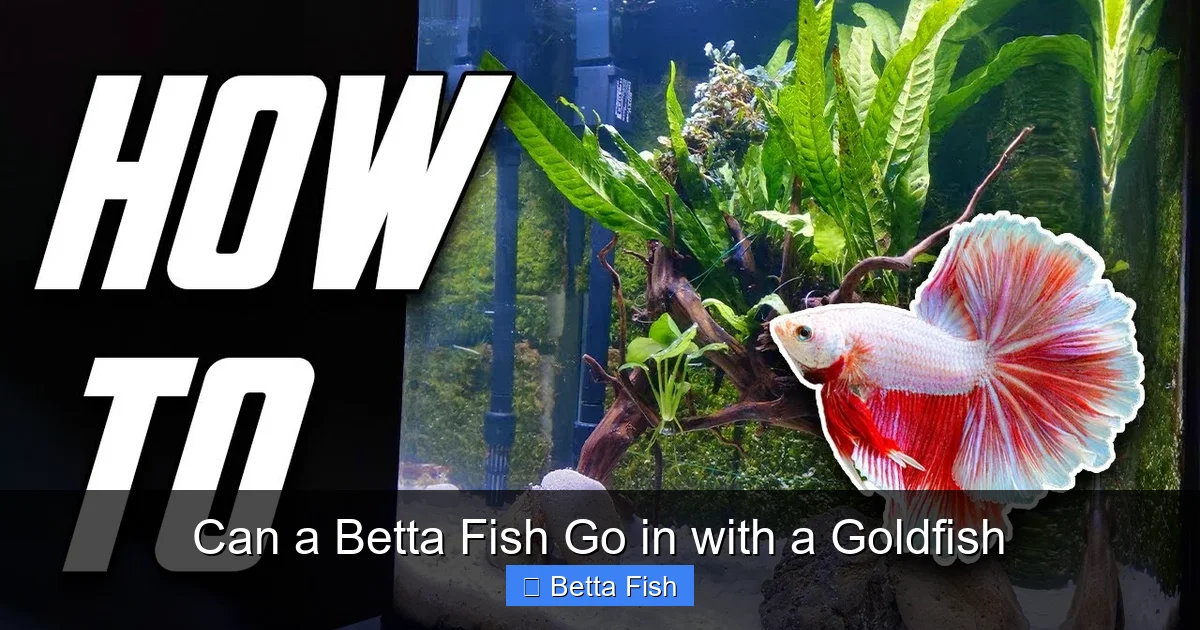
Visual guide about Can a Betta Fish Go in with a Goldfish
Image source: i.ytimg.com
2.2. Choosing the right goldfish
Smaller, fancy varieties—like a 2‑inch telescope eye or a short‑finned comet—are less likely to outgrow the tank quickly. Avoid long‑fin goldfish that could be mistaken for a betta’s “fin target.”
2.3. Personality matters
Some bettas are surprisingly mellow, while others are fiercely territorial. Likewise, a calm goldfish that doesn’t dart around will cause fewer stress triggers. Observing individual temperaments before mixing is essential.
3. Setting Up a Shared Habitat
3.1. Tank size and layout
Minimum recommended size for a mixed betta‑goldfish tank is 30 gallons. Use plenty of live plants, driftwood, and smooth rocks to break lines of sight. This reduces aggression by giving each fish a place to retreat.

Visual guide about Can a Betta Fish Go in with a Goldfish
Image source: japanesefightingfish.org
3.2. Filtration and heating
Invest in a canister filter rated for at least double the tank volume. Set the heater to 75 °F, then monitor both species closely. If the goldfish shows signs of overheating (lethargy, rapid breathing), lower the temperature gradually.
3.3. Water parameters
- pH: Aim for 7.0‑7.5, which is acceptable for both.
- Ammonia/Nitrite: Must stay at 0 ppm; goldfish waste can push these levels up fast.
- Hardness: 8‑12 dGH works well for goldfish and is tolerable for bettas.
>
3.4. Hiding spots and visual barriers
Place tall plants like Amazon swords or Java ferns on opposite sides of the tank. Use ceramic caves or PVC pipes for the betta to claim as a territory. Goldfish love open swimming areas, so keep a clear zone as well.
4. Monitoring Health and Behavior
4.1. Early warning signs
Watch for faded colors, torn fins, or frantic swimming. Betta fins that become ragged often indicate nipping from a goldfish. Goldfish that develop white spots or clouded eyes may be stressed by the betta’s presence.
4.2. Disease prevention
Quarantine any new fish for at least two weeks before introducing them. Use a separate hospital tank if you notice illness. Regular water changes (25 % weekly) help keep the bio‑load manageable.
4.3. When to separate
If aggression escalates or water parameters become unstable despite your best efforts, it’s time to move one of the fish to its own tank. The health of the fish always comes first.
5. Practical Tips and Alternatives
5.1. Separate tanks, shared stand
Many hobbyists keep bettas in a 5‑gallon “nano” tank with a heater, while the goldfish lives in a larger, filtered aquarium on the same stand. This keeps the visual appeal while respecting each species’ needs.
5.2. Consider other tank mates
If you love community tanks, explore fish that are compatible with bettas, such as small rasboras, tiny tetras, or peaceful loaches. For goldfish, stick with other goldfish varieties or cold‑water minnows. See our guide on what can go in a tank with a betta fish for more ideas.
5.3. Feeding tricks
Feed betta pellets at the surface using a tiny spoon to keep them away from the goldfish. Offer goldfish flakes or pellets on the bottom of the tank. Feed at opposite ends of the tank to reduce competition.
Conclusion: Proceed with Caution
While the idea of a betta and a goldfish sharing a home is appealing, the reality is that their differing temperature preferences, waste output, and temperaments make cohabitation risky. If you have a large, well‑filtered tank and are willing to monitor temperature closely, a careful trial may work. For most hobbyists, the safest and most enjoyable route is to keep them in separate tanks that meet each species’ specific needs.
Remember, a happy fish is a healthy fish. Take the time to research, set up the right environment, and always have a backup plan for separation. Your aquatic friends will thank you with vibrant colors and lively behavior for years to come.
Frequently Asked Questions
Can bettas and goldfish live together long‑term?
Only in a very large, well‑filtered tank with stable, middle‑range temperatures. Even then, it’s high‑risk and many experts recommend separate tanks.
What temperature should I set for a mixed tank?
Try to maintain around 75 °F (24 °C), which is a compromise, but monitor both fish closely for signs of stress.
Do bettas eat goldfish food?
Betta fish can nibble goldfish flakes, but the size and nutritional profile aren’t ideal. It’s best to feed each species its own diet.
How big should the tank be?
At least 30 gallons is recommended for a mixed betta‑goldfish setup, providing enough space for filtration and temperature stability.
Can I keep other fish with a betta and goldfish?
Adding more species adds complexity. If you want a community, choose peaceful, similarly‑tempered fish that match the water parameters, and always research compatibility first.
What are the signs of aggression?
Frayed fins, rapid chasing, hiding constantly, or loss of color are clear indicators that the fish are not getting along.