Why Does My Betta Fish Play Dead
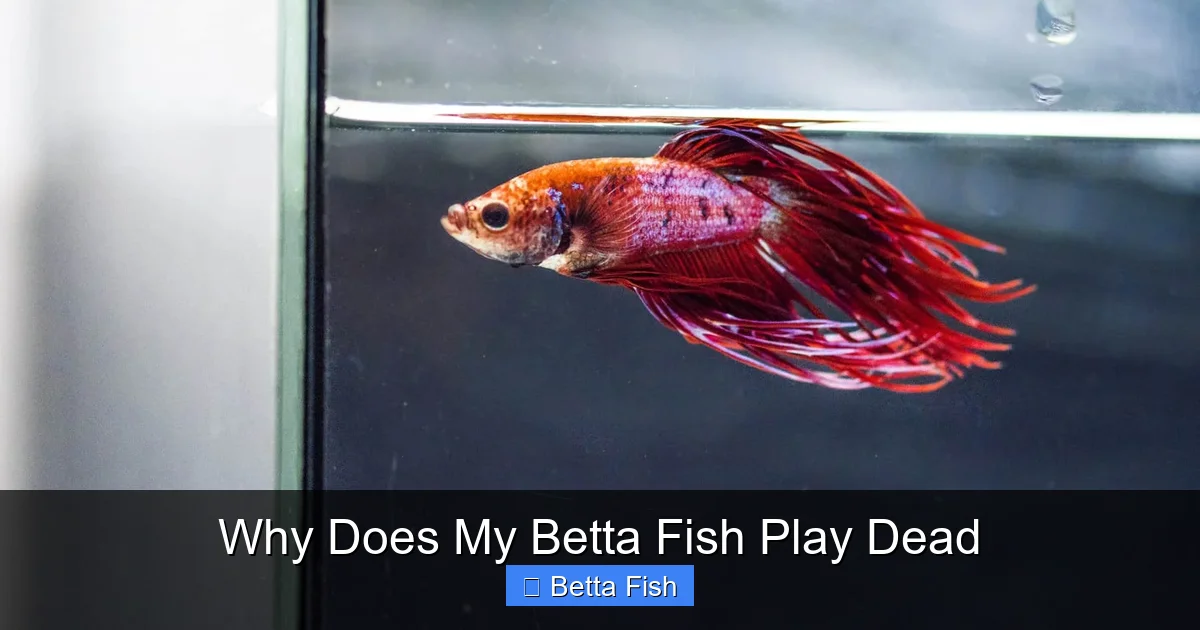
Betta fish sometimes flop or become motionless, which can look like playing dead. Usually this behavior signals stress, illness, or environmental issues, and quick action can save your fish. Learn the common causes, how to diagnose, and simple fixes to bring your betta back to life.
Key Takeaways
- Stress triggers “playing dead”: sudden changes, poor water quality, or aggressive tank mates can cause a betta to flop.
- Illness is often behind the behavior: swim bladder disorder, bacterial infection, or parasites may make a betta appear lifeless.
- Water parameters matter: ammonia, nitrite, and incorrect temperature are top culprits.
- Quick tests help pinpoint the problem: observe breathing, gill color, and fin condition.
- Simple fixes work fast: water changes, proper feeding, and quarantine can restore normal activity.
- Preventive care reduces future episodes: regular maintenance and a stress‑free environment keep bettas thriving.
- When to call a vet: persistent lethargy, loss of appetite, or visible injuries need professional help.
📑 Table of Contents
- Introduction: The Mystery of the Motionless Betta
- 1. Stress‑Induced “Playing Dead”
- 2. Common Health Issues That Mimic “Playing Dead”
- 3. Water Quality – The Silent Influencer
- 4. Nutrition and Feeding Habits
- 5. Environmental Enrichment and Tank Setup
- 6. When “Playing Dead” Is a Warning Sign of Death
- Conclusion: Turning “Play‑Dead” Into Playful
Introduction: The Mystery of the Motionless Betta
Imagine you’re watching your bright‑colored betta swim proudly when, all of a sudden, it drops to the bottom of the tank and lies still. Your heart skips a beat. “Why does my betta fish play dead?” you wonder. You’re not alone—many betta owners experience this unsettling scene.
In this friendly guide we’ll walk through the most common reasons a betta might appear dead, how to tell the difference between a harmless “play‑dead” moment and a serious health problem, and what you can do right now to help. Think of it as a chat over coffee with a fellow fish lover, packed with easy steps and real‑world examples.
1. Stress‑Induced “Playing Dead”
Betta fish are natural survivors. In the wild they hide from predators, defend territory, and conserve energy when danger looms. In a home aquarium, stress can trigger a similar freeze response.
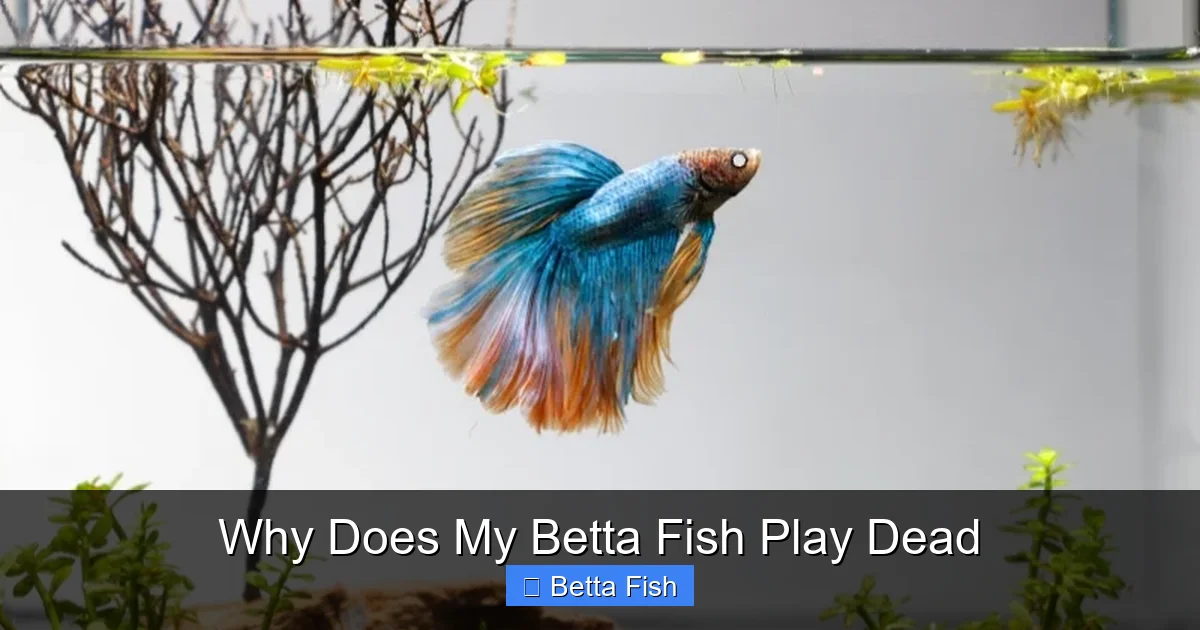
Visual guide about Why Does My Betta Fish Play Dead
Image source: infishtank.com
What causes stress?
- Sudden temperature shifts: A drop of even a few degrees can shock a betta.
- Improper water chemistry: High ammonia, nitrite, or a pH swing makes the fish feel unsafe.
- Tank mates: Aggressive fin‑nippers or overly active companions can intimidate a solitary betta.
- Noise and vibration: Loud music, tapping on the glass, or moving the tank can startle them.
How to spot stress‑related “playing dead”
A stressed betta often shows these signs before the full “play‑dead” episode:
- Rapid fin fluttering (a sign of agitation)
- Hiding under decorations or plants
- Brief surface gulping followed by a sudden stop
If you notice these clues, the fish is likely reacting to its environment rather than fighting a disease.
Quick stress‑relief steps
- Check water temperature: Aim for 76‑80°F (24‑27°C). Use a reliable aquarium heater.
- Perform a partial water change: Replace 25‑30% of the water with dechlorinated, temperature‑matched water.
- Reduce disturbances: Move the tank away from high‑traffic areas and turn off loud music.
- Evaluate tank mates: If you have other fish, ensure they are peaceful and give the betta plenty of hiding spots.
2. Common Health Issues That Mimic “Playing Dead”
Sometimes a betta’s limp posture is a symptom of an underlying illness. Below are the top health problems that make a betta look like it’s playing dead.
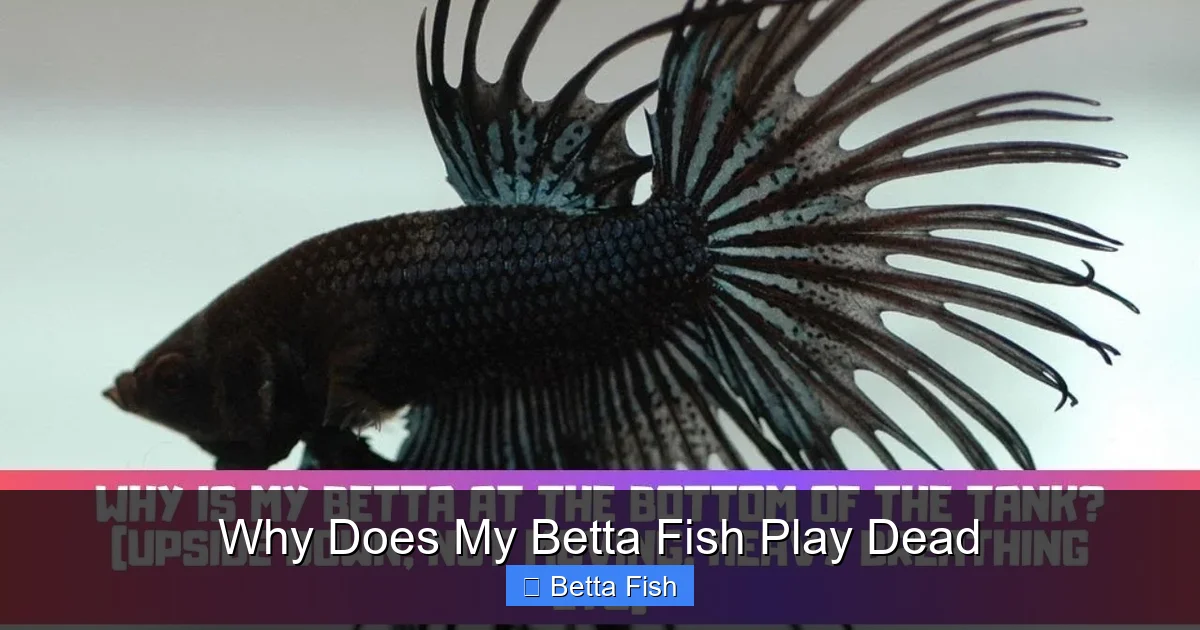
Visual guide about Why Does My Betta Fish Play Dead
Image source: i.ytimg.com
Swim bladder disorder
The swim bladder is a small organ that helps fish control buoyancy. If it’s infected, damaged, or filled with gas, the betta may float upside down, sink, or lie motionless on the bottom.
**Signs**: Tilting, floating at odd angles, gulping at the surface, and loss of balance.
Bacterial infections
Bacteria can cause fin rot, cloudy eyes, or a general lethargic appearance. In severe cases the fish may stop moving altogether.
**Signs**: Red streaks on fins, white patches, foul odor, or ragged fin edges.
Parasites
Protozoan or fluke parasites irritate the skin and gills, making the betta weak and prone to “playing dead.”
**Signs**: White spots, scratching against objects, or excessive mucus.
Internal organ failure
Kidney or liver issues can lead to toxin buildup, causing the fish to become listless.
**Signs**: Swollen abdomen, pale gills, and a loss of appetite.
When to seek professional help
If the betta shows any of the above signs for more than 24‑48 hours, or if the fish is not responding to basic water changes, it’s time to consult a veterinarian who specializes in fish.
3. Water Quality – The Silent Influencer
Water is the most important factor in any aquarium. Even a tiny spike in ammonia can make a healthy betta appear dead.
Key parameters to monitor
- Ammonia (NH₃): Should always read 0 ppm.
- Nitrite (NO₂⁻): Should be 0 ppm.
- Nitrate (NO₃⁻): Keep below 20 ppm.
- pH: Aim for 6.5‑7.5 for most bettas.
- Temperature: 76‑80°F (24‑27°C) is ideal.
Testing made easy
Use a liquid test kit or test strips. Test weekly, and after any water change, to catch spikes early.
Water change routine
- Vacuum the substrate to remove waste.
- Replace 25‑30% of the water with conditioned, temperature‑matched water.
- Clean the filter media (rinse in tank water, not tap water).
Regular maintenance not only prevents “playing dead” episodes but also promotes vibrant colors and active swimming.
4. Nutrition and Feeding Habits
What you feed your betta can directly influence its energy levels. Overfeeding or feeding low‑quality food can cause digestive problems that make a betta seem lifeless.
Best diet basics
- High‑quality betta pellets (25‑30% protein).
- Occasional frozen or live foods like brine shrimp or daphnia.
- Avoid bread, human snacks, or overly fatty foods.
Feeding schedule
Feed small portions 2‑3 times a day. Only give what the fish can eat in 2‑3 minutes. Remove uneaten food promptly to keep water quality high.
When feeding goes wrong
Signs of over‑feeding include bloating, cloudy water, and a fish that floats at the surface then drops. Under‑feeding leads to weight loss and lethargy—both can look like “playing dead.”
Helpful tip
If your betta stops eating, try offering a small piece of frozen bloodworm or a few brine shrimp. This can stimulate appetite and give clues about health.
5. Environmental Enrichment and Tank Setup
A boring or cramped tank can stress a betta into a “play‑dead” stance. Providing hiding spots, plants, and proper tank size makes a big difference.
Tank size matters
Even though bettas can survive in small bowls, a 5‑gallon (19‑liter) tank is the minimum for a healthy, active fish.
Decor and plants
- Live or silk plants give cover and reduce stress.
- Floating leaves mimic natural surface cover.
- A smooth rock or cave offers a place to rest.
Lighting and day‑night cycle
Provide 10‑12 hours of gentle light per day. A consistent cycle helps regulate the betta’s metabolism and reduces erratic behavior.
Link to related topics
For more on how water conditions affect behavior, read our guide on why does my betta fish make bubbles. If you notice your fish looking bloated, check out why does my betta fish look bloated for specific tips.
6. When “Playing Dead” Is a Warning Sign of Death
Unfortunately, not every episode ends happily. If a betta remains motionless for more than an hour, shows no gill movement, or has a milky white eye, it may be on the brink of death.
Immediate actions
- Transfer the fish to a clean quarantine tank with fresh, temperature‑matched water.
- Add a few drops of a broad‑spectrum antibacterial medication (follow dosage instructions).
- Monitor breathing – if gills are still moving faintly, there is a chance of recovery.
Long‑term prevention
Implement a strict maintenance schedule, keep a log of water parameters, and observe your betta daily. Early detection of subtle changes is the best defense against fatal episodes.
Conclusion: Turning “Play‑Dead” Into Playful
Seeing your betta flop and stay still can feel heartbreaking, but most of the time the cause is something you can fix. By checking water quality, reducing stress, feeding properly, and providing a stimulating environment, you’ll give your fish the best chance to bounce back.
Remember, a quick response saves lives. If you’ve tried the steps above and your betta still looks lifeless, don’t hesitate to reach out to a fish‑savvy veterinarian. With attentive care, your betta will soon be the vibrant, active swimmer you fell in love with.
Frequently Asked Questions
Why does my betta fish suddenly stop moving?
Sudden immobility is often a stress response or a sign of water quality problems. Check temperature, ammonia levels, and look for signs of illness.
Can a betta fish really “play dead”?
Betta fish don’t intentionally fake death, but they can enter a freeze state when scared or sick, making them appear lifeless.
What should I do if my betta is floating upside down?
Floating upside down usually points to swim bladder disorder. Adjust feeding habits, try a fasting period of 24‑48 hours, and ensure clean water.
Is a sudden change in color related to “playing dead”?
Color changes often indicate stress or illness. If the fish becomes pale or loses its bright hues, test the water and examine for disease.
How often should I change the water to prevent this behavior?
Perform a 25‑30% water change weekly and a larger 50% change every two weeks, or whenever water tests show elevated toxins.
When is it time to call a vet for my betta?
If the fish remains motionless for more than an hour, shows no gill movement, or you notice fin rot, white spots, or a swollen abdomen, seek professional help immediately.