Betta fish may rest, feel stressed, or be sick when they lie on the tank bottom. Understanding the reasons behind this behavior helps you spot problems early and create a thriving environment for your finned friend. Learn the signs, solutions, and when to seek help.
Key Takeaways
- Normal rest: Betta fish often lie down to conserve energy, especially after feeding or during cooler periods.
- Stress signals: Poor water quality, aggressive tank mates, or a cramped space can cause a betta to lay flat as a stress response.
- Health alerts: Illnesses such as swim‑bladder disorder, parasites, or fungal infections often make a betta lie on its side or bottom.
- Tank conditions matter: Temperature, pH, and proper filtration are crucial; a sudden change can make a betta lay down.
- Observation is key: Regularly check your betta’s posture, breathing, and behavior to catch issues early.
- Quick fixes: Adjust water parameters, add hiding spots, and feed a balanced diet to encourage active swimming.
- When to act: If the laying behavior lasts more than a few hours or is accompanied by other symptoms, seek veterinary advice.
📑 Table of Contents
- Introduction: The Mystery of the Flat Betta
- 1. Natural Resting Behavior
- 2. Temperature and Water Quality Issues
- 3. Stress From Tank Set‑Up and Neighbors
- 4. Health Problems That Cause a Betta to Lie Down
- 5. Feeding Mistakes and Digestive Trouble
- 6. Behavioral Signals: When Laying Means “I’m Happy”
- Practical Checklist: Is Your Betta Just Resting or in Trouble?
- Conclusion: Keep Your Betta Happy and Upright
Introduction: The Mystery of the Flat Betta
If you’ve ever watched your betta fish glide majestically across the water, only to see it suddenly flop onto the bottom and stay there, you’ve probably wondered, “why do betta fish lay down?” It can be unsettling, especially for new owners who think their pet is about to die.
The good news is that a betta lying down isn’t always a death sentence. Sometimes it’s simply a rest break, other times it’s a cry for help. In this article we’ll break down every common reason a betta might be flat on the substrate, show you how to tell a harmless pause from a serious problem, and give you clear, friendly steps to keep your betta swimming happily.
1. Natural Resting Behavior
Why Betta Fish Need Rest
Betta fish are not built for endless swimming. In the wild they spend a lot of time perched among plants, waiting for prey. In a home aquarium, a brief pause on the bottom is their way of conserving energy after a burst of activity, such as feeding or defending territory.

Visual guide about Why Do Betta Fish Lay Down
Image source: yourhousepet.com
Signs It’s Just Rest
- Fish is upright, not on its side.
- Gills move normally, and the belly rises and falls.
- After a few minutes the betta gently rises and resumes normal swimming.
Tips to Encourage Healthy Rest
Provide plenty of vertical space and floating plants or silk leaves. This lets your betta rest near the surface if it prefers, reducing the chance you’ll misinterpret a brief bottom‑lying moment.
2. Temperature and Water Quality Issues
Temperature Fluctuations
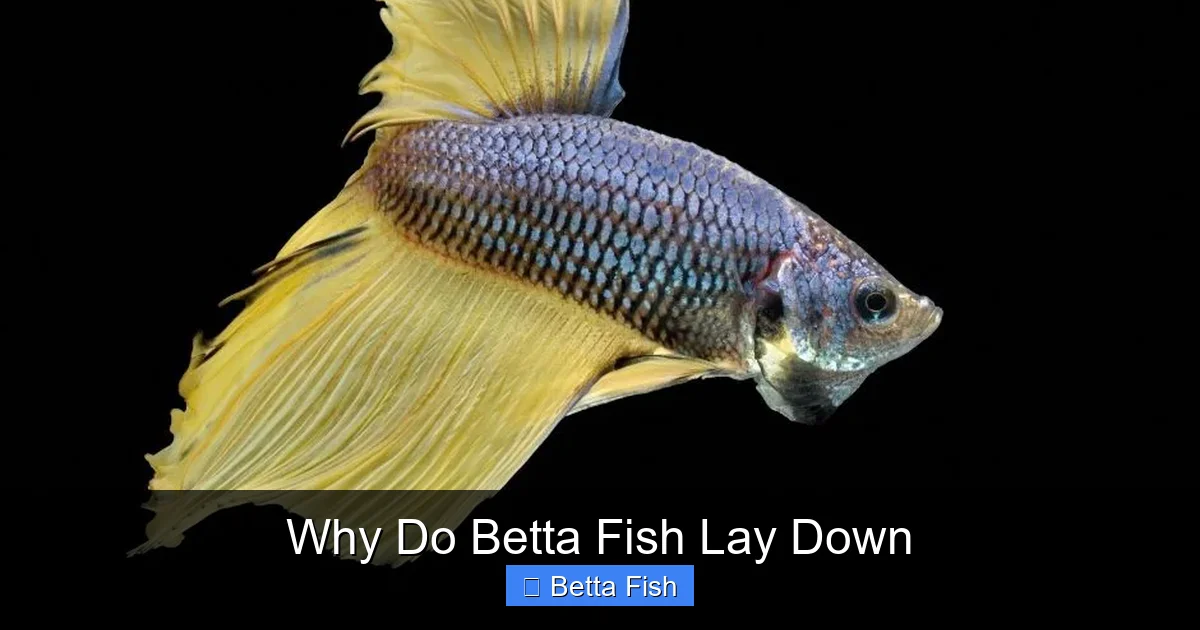
Betta fish are tropical and love warm water. The ideal range is 76‑82°F (24‑28°C). If the water gets too cold, a betta will often lie on the bottom to conserve heat. Use a reliable aquarium heater and a thermometer to keep the temperature steady.
Visual guide about Why Do Betta Fish Lay Down
Image source: animalshq.com
Water Quality Triggers
Poor water quality—high ammonia, nitrite spikes, or low oxygen—can make a betta feel ill and lay down. Test the water weekly with a liquid test kit. Ammonia should be 0 ppm, nitrite 0 ppm, and nitrate below 20 ppm.
Quick Fixes
- Perform a 25‑30 % water change with conditioned water.
- Check the filter flow; a gentle current is best for bettas.
- Make sure the tank is not over‑crowded; even a single betta needs space to swim.
3. Stress From Tank Set‑Up and Neighbors
Tank Size and Decoration
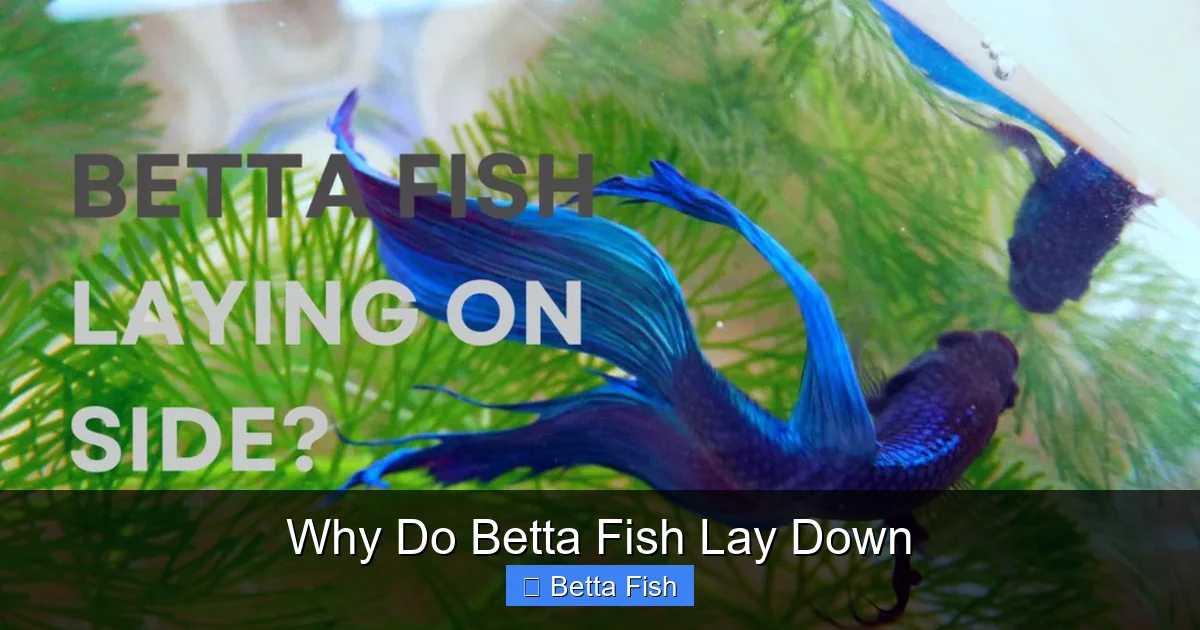
A cramped tank (under 2.5 gallons) can cause chronic stress. Betta fish like to explore, and a bare tank offers no hiding places, making them feel exposed. Add silk plants, caves, or a piece of driftwood for security.
Visual guide about Why Do Betta Fish Lay Down
Image source: fishkeepedia.com
Aggressive Tank Mates
Even though bettas are often called “Siamese fighting fish,” they can be stressed by other species that dart around or nip at their fins. If you keep a community tank, choose peaceful, slow‑moving fish like guppies or neon tetras, and always keep the betta’s space protected.
Link to Related Topic
For more on how aggressive interactions affect posture, read our guide on why do betta fish fight.
4. Health Problems That Cause a Betta to Lie Down
Swim‑Bladder Disorder
The swim bladder is a small organ that helps the fish maintain buoyancy. If it’s damaged or infected, the betta may float upside down, sink, or lie on its side. Common causes include over‑feeding, constipation, or sudden diet changes.
Parasites and Infections
Protozoan parasites (like Ich) or bacterial infections can make a betta lethargic and prone to lying flat. Look for white spots, ragged fins, or cloudy eyes.
Fungal or Bacterial Skin Issues
Fungal growth appears as cotton‑like patches, while bacterial infections cause reddened, ulcerated areas. Both can make a betta stay on the bottom to avoid irritating the wound.
When to Seek Veterinary Help
If the laying behavior persists for more than 12‑24 hours, or you notice loss of appetite, discoloration, or abnormal breathing, consult a fish‑savvy veterinarian.
5. Feeding Mistakes and Digestive Trouble
Over‑Feeding and Constipation
Betta fish have tiny stomachs. Feeding them too much dry pellet can lead to constipation, which pushes the swim bladder down and forces the fish to lie flat.
Proper Feeding Routine
- Offer 2‑3 small pellets once or twice a day.
- Include occasional freeze‑dried or bloodworm treats for variety.
- If constipation occurs, try a pea (blanched and peeled) to act as a natural laxative.
Link to Feeding Guide
For a step‑by‑step feeding plan, see how do you feed a betta fish.
6. Behavioral Signals: When Laying Means “I’m Happy”
Bubble Nest Building
Male bettas often lie near the surface while constructing bubble nests. They rest on the bottom to gather air, then blow bubbles upward. This is a sign of a healthy, breeding‑ready male.
Link to Bubble Nest Info
Learn more about this fascinating behavior at why do betta fish make bubble nests.
Relaxation After Feeding
After a hearty meal, many bettas will settle on the substrate to digest. This is normal as long as they resume normal swimming within an hour.
Practical Checklist: Is Your Betta Just Resting or in Trouble?
- Check water temperature and adjust if needed.
- Test ammonia, nitrite, and nitrate levels.
- Observe gill movement—steady breathing is a good sign.
- Look for abnormal coloration, spots, or frayed fins.
- Assess tank size, decorations, and potential aggressors.
- Review feeding schedule; reduce portions if over‑feeding.
- Monitor for 24 hours—if the betta doesn’t improve, seek professional help.
Conclusion: Keep Your Betta Happy and Upright
Understanding why do betta fish lay down is a blend of observing normal rest patterns, maintaining pristine water, and spotting early signs of stress or disease. By keeping the tank environment stable, feeding correctly, and providing plenty of hiding spots, you’ll give your betta the best chance to stay active and vibrant.
Remember, a brief lie‑down is often harmless, but prolonged flatness signals that something needs attention. Use the checklist above, follow our linked guides, and don’t hesitate to consult a specialist if you’re unsure. Your attentive care will reward you with a bright, lively betta that swims with confidence for years to come.
Frequently Asked Questions
Why is my betta fish lying on its side?
This is usually a sign of swim‑bladder problems or a serious illness. Check water quality, feeding habits, and look for other symptoms like loss of appetite.
Can temperature changes cause a betta to lay down?
Yes. If the water drops below the ideal 76 °F, a betta may rest on the bottom to conserve heat. Keep a stable temperature with a reliable heater.
Is it normal for a betta to rest at the bottom after eating?
Absolutely. A short rest after a meal is normal and helps digestion. The fish should resume swimming within an hour.
How do I know if my betta is stressed?
Stress signs include frequent bottom‑lying, faded colors, rapid gill movement, and hiding constantly. Improving water parameters and adding plants often helps.
What should I do if my betta won’t stop lying down?
Test the water, perform a partial water change, check temperature, and reduce feeding. If the behavior persists for more than a day, seek veterinary advice.
Can a bubble nest cause a betta to lie down?
Male bettas often pause near the bottom while building bubble nests. This is a healthy breeding behavior, not a sign of illness.

