Why Do Betta Fish Kill Each Other

Betta fish are naturally territorial and will often fight to protect their space. Understanding the roots of their aggression—such as limited space, poor water conditions, and mistaken gender—helps you prevent deadly encounters. Follow these simple tips to create a peaceful home for your bettas.
Key Takeaways
- Territorial nature: Betta males view any other male as a rival, especially in confined spaces.
- Water quality matters: Bad water heightens stress and makes fights more likely.
- Visual barriers help: Plants, caves, and tank dividers reduce direct line‑of‑sight aggression.
- Gender identification: Mistaking a female for a male can trigger unexpected lethal fights.
- Feeding competition: Multiple bettas often scramble for food, leading to bites and injuries.
- Proper tank size: A minimum of 10 gallons per male is essential to give each fish its own territory.
- Monitor behavior: Early signs of flare, chasing, or torn fins signal that intervention is needed.
📑 Table of Contents
- Introduction: The Dark Side of Betta Beauty
- 1. The Biology Behind the Aggression
- 2. Environmental Triggers That Push Betta Aggression Over the Edge
- 3. Common Scenarios Where Betta Fatalities Occur
- 4. How to Prevent Fatal Fights
- 5. When a Fight Happens: First‑Aid for Injured Betta Fish
- 6. Frequently Overlooked Factors
- Conclusion: Keep the Beauty, Lose the Bloodshed
Introduction: The Dark Side of Betta Beauty
Betta fish, also called Siamese fighting fish, are famous for their dazzling colors and flamboyant fins. Those same traits make them a popular choice for beginners. But beneath the sparkle lies a fierce, instinct‑driven warrior. When two bettas meet, especially males, the result can be a brutal showdown that ends in death.
Understanding why betta fish kill each other isn’t just about preventing a tragic loss; it’s about giving these beautiful creatures a life that matches their natural behavior. In this guide we’ll explore the biological reasons for aggression, the environmental triggers that turn a simple flare into a fatal bite, and the practical steps you can take to keep your bettas safe—whether you’re housing a single male, a group of females, or a carefully planned community tank.
1. The Biology Behind the Aggression
1.1. Territorial Instincts
In the wild, bettas live in shallow rice paddies and slow‑moving streams across Thailand, Malaysia, and Cambodia. Space is limited, so each male stakes out a small “personal bubble” that he fiercely defends from rivals. This territorial instinct is hard‑wired into their DNA and shows up as flaring, gill‑cover expansion, and sudden darting movements.

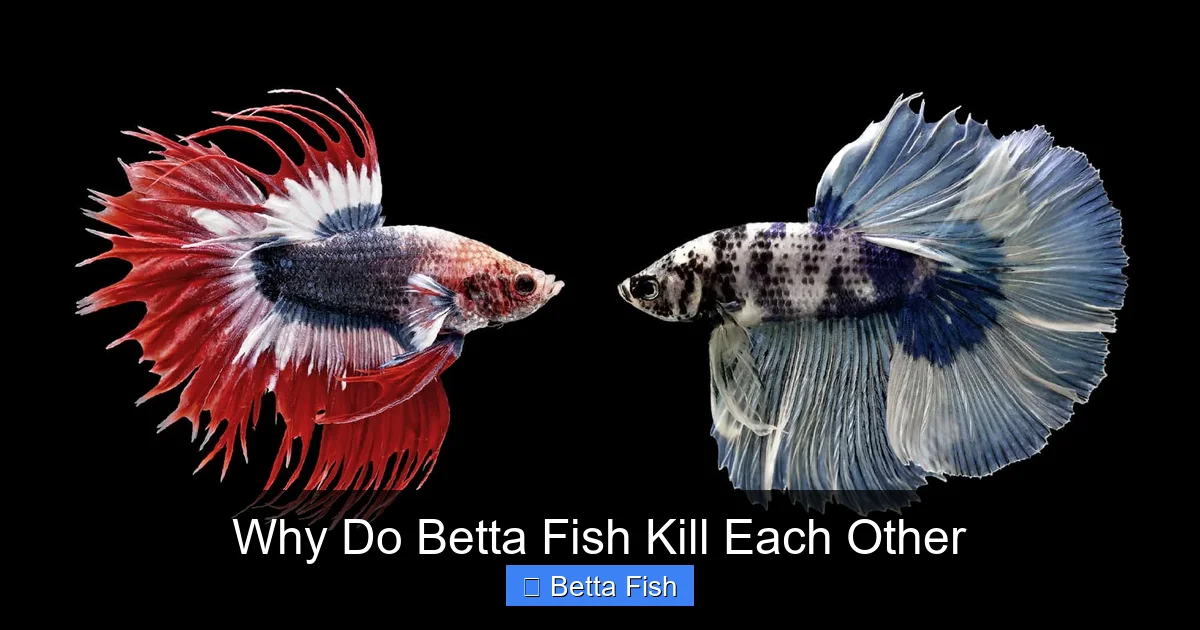
Visual guide about Why Do Betta Fish Kill Each Other
Image source: aquifarm.com
1.2. Hormonal Influences
Male bettas produce higher levels of testosterone, which amplifies aggression during the breeding season. Even in a home aquarium, the presence of another male can trigger a hormonal surge, turning a harmless curiosity into a lethal fight.
1.3. Gender Misidentification
Female bettas are generally less aggressive, but they can still fight if they are misidentified or if a “female” is actually a juvenile male. A simple visual check of the vent (the tiny opening near the anal fin) can prevent costly mistakes.
2. Environmental Triggers That Push Betta Aggression Over the Edge
2.1. Tank Size and Layout
Cramped conditions are the single biggest killer. A 5‑gallon tank might look cute, but it gives a male betta barely enough room to turn around. The rule of thumb is at least 10 gallons per male, plus an extra 5 gallons for each additional fish.
Visual guide about Why Do Betta Fish Kill Each Other
Image source: bettafishworld.com
2.2. Water Quality and Temperature
Poor water quality spikes ammonia and nitrite levels, causing stress. Stress weakens the immune system and makes a betta more likely to lash out. Keep the temperature between 76‑80 °F (24‑27 °C) and perform regular water changes.
2.3. Visual Stimulation
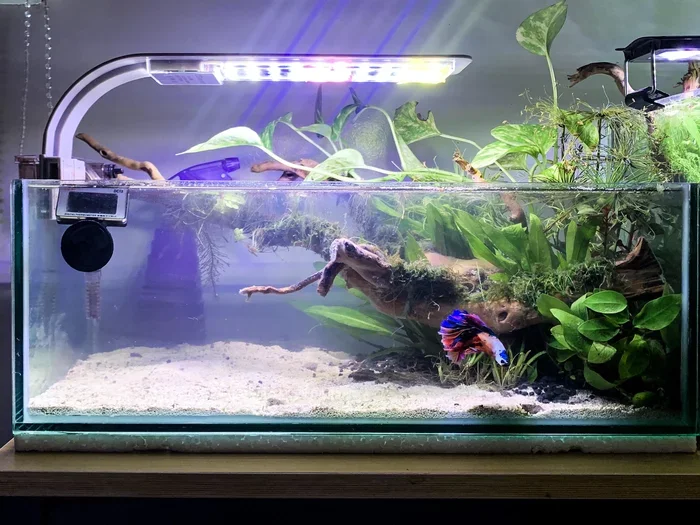
Betta fish are highly visual. A clear line of sight to a rival can trigger continuous flare-ups, even if the fish are separated by a thin divider. Adding live plants, driftwood, or plastic caves creates visual barriers that calm the fish.
3. Common Scenarios Where Betta Fatalities Occur
3.1. Male‑vs‑Male Encounters
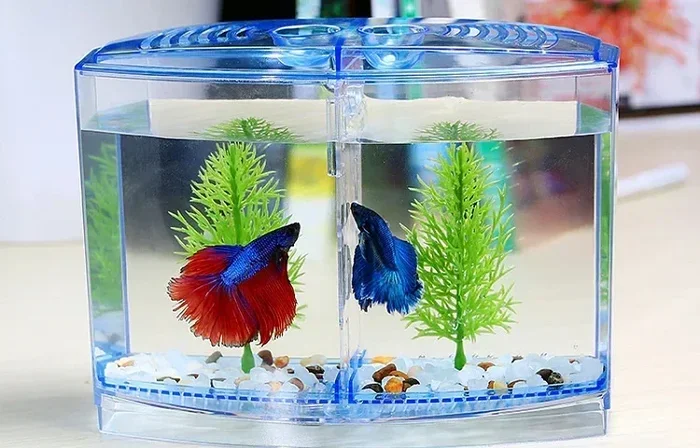
Two males placed together will almost always end in a fight. Even a brief visual contact can cause a cascade of aggressive displays that culminate in biting and fin tearing. If you must keep multiple males, use a divided tank with solid, opaque barriers.
Visual guide about Why Do Betta Fish Kill Each Other
Image source: bettafishworld.com
3.2. Female Aggression in Crowded Conditions
While females are less combative, a group of five or more in a small space can become a “mob” that nips at each other. This is especially true when food is limited.
3.3. Mixed‑Gender Mishaps
Placing a male with a female can be fine if the tank is spacious and there are plenty of hiding spots. However, if the male perceives the female as a rival (or if she is actually a juvenile male), the result can be fatal. Always verify gender before mixing.
4. How to Prevent Fatal Fights
4.1. Choose the Right Tank Setup
- Size: Minimum 10 gallons per male.
- Dividers: Use solid acrylic or glass partitions; avoid mesh that lets fins poke through.
- Plants and Décor: Live plants like Java fern or Anubias create natural barriers and improve water quality.
4.2. Maintain Optimal Water Conditions
Test the water weekly for ammonia, nitrite, nitrate, and pH. A stable pH between 6.5 and 7.5, low nitrate (<20 ppm), and clean water keep stress hormones low. For more detailed water‑care tips, see our guide on what temperatures betta fish like.
4.3. Feeding Strategies to Reduce Competition
Feed small amounts 2–3 times a day and spread the food across the tank surface. Using a feeding ring or separate feeding spots can prevent one fish from monopolizing the meal.
4.4. Introduce Betta Fish Properly
When adding a new betta, quarantine it for at least two weeks. This not only protects against disease but also gives you time to confirm gender. Introduce the fish to the tank slowly, using a clear container inside the aquarium for a visual acclimation period.
4.5. Recognize Early Warning Signs
Flared gills, rapid swimming, torn fins, and loss of color are red flags. If you see a betta constantly flaring at a neighbor, consider rearranging décor or adding a divider immediately.
5. When a Fight Happens: First‑Aid for Injured Betta Fish
5.1. Isolate the Victim
Transfer the injured fish to a hospital tank (2‑gallon minimum) with clean, conditioned water. Keep the temperature consistent with the main tank.
5.2. Treat Fin and Skin Damage
Use a diluted aquarium salt solution (1 gram per gallon) for a 24‑hour soak to reduce infection risk. Commercial betta wound ointments are also effective.
5.3. Monitor for Secondary Infections
Look for white spots, cloudy eyes, or rapid breathing. If any appear, treat with a broad‑spectrum antibiotic approved for freshwater fish.
6. Frequently Overlooked Factors
6.1. Light Intensity
Bright lighting can increase stress. A dimmer on a 12‑hour cycle mimics natural conditions and calms bettas.
6.2. Over‑Handling
Frequent netting or tapping the glass can make a betta feel threatened, leading to aggression toward tank mates.
6.3. Genetics
Some betta strains are bred for extreme aggression (e.g., “fighting” varieties). If you’re looking for a peaceful community, choose a “peaceful” or “crowd‑friendly” strain.
Conclusion: Keep the Beauty, Lose the Bloodshed
Betta fish kill each other because they are hard‑wired to protect their territory, and they react strongly to stressors like cramped space, poor water, and visual provocation. By providing ample room, clean water, visual barriers, and thoughtful feeding, you can satisfy their natural instincts while keeping them safe.
Remember, the key is observation. Spot the flare, intervene early, and always double‑check gender before mixing. With these practices, you’ll enjoy the vivid colors and graceful dances of bettas without the drama of deadly fights.
Frequently Asked Questions
Why do betta fish flare before fighting?
Flare is a warning display that makes the fish look larger. It’s the betta’s way of saying “stay away.” If the rival doesn’t back off, the flare can quickly turn into a bite.
Can two female bettas live together peacefully?
Yes, if the tank is large enough (at least 20 gallons) and there are plenty of hiding spots. However, overcrowding can still cause occasional nipping.
Is it ever safe to keep two male bettas in the same tank?
Only with a solid, opaque divider that completely blocks visual contact. Even then, the stress level remains high, so most experts recommend separate tanks.
What should I do if my betta’s fins are torn after a fight?
Move the injured fish to a quarantine tank, treat with a mild salt bath, and monitor for infection. Reduce stressors in the main tank to prevent further fights.
How often should I clean the tank to reduce aggression?
Perform a 25‑30% water change weekly and test water parameters. Keeping ammonia and nitrite at zero dramatically lowers stress‑induced aggression.
Can adding more plants really stop bettas from fighting?
Plants create visual barriers and give each fish a place to hide, which often reduces the frequency of aggressive displays. Live plants also improve water quality, further calming the fish.