How Much Pond Salt for Betta Fish
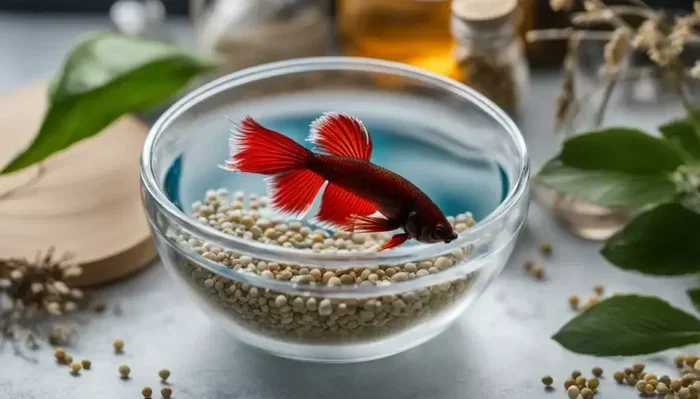
Knowing how much pond salt for betta fish is essential for every betta owner. The right salt dosage can treat common illnesses, reduce stress, and support your betta’s recovery — but too much can harm your fish. This guide covers safe amounts, types of salt, and practical tips for using pond salt effectively.
Key Takeaways
- Correct dosage matters: Typically 1 tablespoon per 5 gallons, but it depends on your betta’s condition.
- Not all salts are equal: Use pure aquarium or pond salt — never table salt with additives.
- Salt is a treatment, not a routine: Only use pond salt when your betta is sick or under stress.
- Monitor your betta closely: Watch for signs of discomfort during a salt treatment.
- Water changes are key: Always do partial water changes after treatment to remove excess salt.
- Consult a vet if unsure: For severe illnesses, seek professional advice alongside salt treatment.
- Prevention beats cure: Maintain good water quality to reduce the need for salt treatments.
📑 Table of Contents
- How Much Pond Salt for Betta Fish: A Complete Guide
- Why Use Pond Salt for Betta Fish?
- How Much Pond Salt for Betta Fish: The Right Dosage
- Types of Salt Safe for Betta Fish
- Step-by-Step: How to Add Pond Salt Safely
- Common Mistakes When Using Pond Salt
- Expert Insights on Betta Fish Salt Treatments
- How Pond Salt Supports Betta Fish Recovery
- Key Takeaways
- Conclusion
How Much Pond Salt for Betta Fish: A Complete Guide
Every betta fish owner faces a moment when their little finned friend looks unwell. The fins look clamped, the colors fade, or the fish stops eating. That’s when many experienced keepers reach for one simple remedy: pond salt. But how much pond salt for betta fish is actually safe? Getting the dosage right can mean the difference between a speedy recovery and serious harm.
Pond salt has been used by fish keepers for decades. It’s affordable, easy to find, and surprisingly effective for treating a range of common betta fish issues. However, bettas are freshwater fish by nature. Adding salt to their tank is a medical treatment — not a daily routine. That means the amount you use really matters.
This guide breaks down everything you need to know. You’ll learn the right dosage, which types of salt to use, and when to avoid salt altogether. By the end, you’ll feel confident using pond salt to help your betta fish recover and thrive.
Why Use Pond Salt for Betta Fish?
So why would you add salt to a freshwater tank in the first place? The answer comes down to how salt affects fish on a biological level. Salt helps draw excess fluid and toxins out through a fish’s gills. This process supports the fish’s natural osmoregulation — the way it balances salt and water in its body.
Benefits of Pond Salt for Bettas
- Reduces stress: Salt helps stabilize your betta’s electrolyte balance during stressful events like water changes or transportation.
- Fights mild infections: Pond salt creates an environment where harmful bacteria and parasites struggle to survive.
- Supports wound healing: Minor injuries, torn fins, and scrapes heal faster in slightly salted water.
- Prevents fungal growth: Fungal infections like cotton wool disease are less likely to develop when salt is used correctly.
- Eases medication side effects: Salt can reduce the stress caused by strong medications like tetracycline.
For more details on using salt the right way, check out this helpful guide on how to do a salt bath for betta fish. It walks you through the process step by step.
When NOT to Use Salt
Not every situation calls for pond salt. Avoid using salt if your betta is in a tank with live plants that need fresh water. Some plants are very sensitive to salinity. Also, skip salt if your betta is already suffering from severe organ damage or chronic illness. In these cases, salt can make things worse rather than better.
How Much Pond Salt for Betta Fish: The Right Dosage
This is the big question, and the answer depends on what you’re treating. The general rule of thumb for how much pond salt for betta fish is simple — but the details make all the difference.
Standard Dosage for General Health
For mild stress prevention and general wellness, use 1 tablespoon of pond salt per 5 gallons of water. This is a very low dose. It’s strong enough to support your betta’s health without causing any harm. Mix the salt in a separate container with some tank water first, then pour the solution slowly into the tank.
Treatment Dosage for Illness
When your betta is dealing with a specific illness, you can increase the dose. For moderate infections like fin rot or mild ich, use 1 tablespoon per 3 gallons. This stronger concentration targets parasites and bacteria more aggressively. However, you should only maintain this level for 10 to 14 days at most.
Emergency Dosage for Severe Cases
In extreme situations — such as severe fin rot or advanced parasitic infection — some keepers use up to 1 tablespoon per 2 gallons. This is a heavy dose. It should only be used for short periods of 3 to 5 days. Always observe your betta closely during this treatment. If the fish shows signs of distress, do a partial water change right away.
Quick Reference Table
Here’s a simple table to help you remember the right fish salt dosage for different situations:
| Purpose | Dosage | Duration |
|---|---|---|
| General stress relief | 1 tbsp per 5 gallons | Ongoing (with regular water changes) |
| Mild illness treatment | 1 tbsp per 3 gallons | 10–14 days |
| Severe infection | 1 tbsp per 2 gallons | 3–5 days only |
Always dissolve the salt before adding it to the tank. Never dump salt directly onto your betta. For more guidance on preparing clean water for your betta, read this article on how to prepare water for a betta fish. Clean water is the foundation of good health.
Types of Salt Safe for Betta Fish
Not all salt is created equal. The type of salt you choose affects both safety and effectiveness. Let’s break down your options.
Pure Pond Salt (Best Choice)
Plain pond salt or aquarium salt made from evaporated seawater is the safest option. It contains no additives, anti-caking agents, or iodine. These pure salts dissolve quickly and spread evenly in the water. Look for products specifically labeled for aquarium or pond use.
Can You Use Table Salt for Betta Fish?
This is a common question. Regular table salt (sodium chloride) is technically safe in a pinch, but it’s not ideal. Most table salts contain iodine and anti-caking agents that can irritate your betta’s gills and kidneys. If it’s your only option, use a tiny amount and do a water change as soon as possible. For a full breakdown, check out our article on can you use table salt for betta fish.
Epsom Salt vs. Pond Salt
Epsom salt (magnesium sulfate) serves a different purpose. It’s mainly used for constipation and bloating in bettas. While it has some healing properties, it’s not a replacement for pond salt when treating infections. Use each type for its specific purpose.
Sea Salt for Bettas
Natural sea salt can work well if it’s pure and unrefined. However, it may contain trace minerals that affect water chemistry. If you want to use sea salt, make sure it has no additives. Our guide on can I use sea salt for my betta fish covers this in detail.
Step-by-Step: How to Add Pond Salt Safely
Knowing the right how much pond salt for betta fish is only half the battle. You also need to add it correctly to avoid shocking your fish.
Step 1: Test Your Water First
Before adding any salt, test your tank water. Check the ammonia, nitrite, and nitrate levels. Salt works best in clean water with 0 ammonia and 0 nitrite. If your water is dirty, do a water change first.
Step 2: Dissolve the Salt Separately
Never add salt directly to the tank. Instead, mix it in a small cup with some existing tank water. Stir until fully dissolved. This prevents concentrated salt from touching your betta directly.
Step 3: Add Slowly Over Time
Pour the salt solution into the tank slowly. Spread it across different areas. This gives your betta time to adjust. Avoid doing it all at once.
Step 4: Monitor Your Betta
Watch your fish for the next few hours. Look for signs of discomfort like rapid breathing, hiding, or erratic swimming. If anything seems off, do a partial water change immediately.
Step 5: Maintain the Level
Salt does not evaporate or get filtered out by most filters. So the concentration stays the same unless you do water changes. When you top off the tank, add salt to match the new water volume. For tips on keeping water warm and stable during treatment, see how to keep water warm for betta fish.
Step 6: Remove Salt After Treatment
Once the treatment period ends, start doing regular partial water changes to gradually lower the salt level. A 25% water change every 2 to 3 days should bring the salt concentration back to zero within a week or two.
Common Mistakes When Using Pond Salt
Even experienced keepers can make mistakes with salt treatments. Here are the most common ones to avoid.
Using Too Much Salt
More is not better. Betta fish are very sensitive to water chemistry changes. Overdosing can lead to kidney damage, dehydration, and even death. Always measure carefully and follow the dosage guidelines above.
Using Salt as a Preventative All the Time
Some keepers add salt to every tank “just in case.” This is unnecessary and can cause long-term health issues. Salt should be used as a treatment tool, not a permanent fixture. For general care advice, read our how to properly care for betta fish guide.
Ignoring Water Changes
Salt builds up over time. If you don’t do regular water changes, the concentration creeps higher without you noticing. This is especially dangerous during long treatment periods. Stay on top of your how often to change water for betta fish routine.
Treating All Fish in the Same Tank the Same Way
Not all fish tolerate salt the same way. If you keep other species in the same tank, make sure they can handle salinity. Many tropical fish are sensitive to salt and can suffer alongside your betta.
Skipping the Dissolving Step
Pouring salt crystals directly into the tank creates pockets of very high salinity. Your betta could swim through these and absorb a dangerous dose all at once. Always dissolve salt in a separate container first.
Expert Insights on Betta Fish Salt Treatments
Veterinary aquarists and experienced breeders generally agree on a few key principles when it comes to betta fish salt bath treatments:
- Start with the lowest effective dose and increase only if needed.
- Never combine salt treatment with certain medications without professional guidance. Some drugs react badly with salt.
- Always quarantine sick fish before treating the main tank. This protects your other fish and lets you control the dosage precisely.
- Use salt treatment as a short-term intervention. Long-term use affects beneficial bacteria in your filter and tank environment.
- Record your treatments. Note the date, dosage, and your betta’s response. This helps you fine-tune your approach over time.
For more information on treating sick bettas, take a look at our detailed guide on how to care for sick betta fish. It covers salt treatments alongside other important care strategies.
How Pond Salt Supports Betta Fish Recovery
When your betta is fighting off an illness, every advantage counts. Pond salt gives your fish’s body a fighting boost in several ways:
It reduces osmotic stress. Freshwater fish constantly work to push excess water out of their bodies. When they’re sick, this process becomes harder. Salt reduces the osmotic gradient, so the fish’s kidneys don’t have to work as hard. This energy can then go toward healing.
It supports the slime coat. The slime coat is your betta’s first line of defense against pathogens. Salt helps stimulate slime production, creating a stronger protective barrier over the skin and fins.
It improves medication effectiveness. Some antibiotics and antiparasitic medications work better in slightly salted water. The salt helps the active ingredients penetrate deeper into infected tissue.
These benefits make pond salt a valuable tool — when used correctly and in the right amounts. Remember, the question isn’t really whether to use pond salt. It’s about getting the how much pond salt for betta fish calculation right for each specific situation.
Key Takeaways
Let’s wrap up the most important points from this guide:
- Standard dose: 1 tablespoon per 5 gallons for general wellness and mild stress.
- Treatment dose: 1 tablespoon per 3 gallons for moderate illnesses like fin rot or ich.
- Emergency dose: 1 tablespoon per 2 gallons for severe cases, but only for 3–5 days.
- Use pure salt only: Avoid table salt with iodine and additives whenever possible.
- Always dissolve salt first: Never add salt crystals directly to the tank.
- Remove salt after treatment: Gradual water changes bring salinity back to safe levels.
- Watch your fish: Monitor behavior closely and adjust if your betta shows distress.
Conclusion
Understanding how much pond salt for betta fish to use is one of the most practical skills a betta owner can learn. The right salt treatment can save your fish from a serious illness, reduce stress during recovery, and support overall health. But the key word is right. Too little and it won’t help. Too much and you risk harming the very fish you’re trying to save.
Follow the dosage guidelines in this article. Use pure pond salt, dissolve it properly, and watch your betta’s response carefully. Combine salt treatment with clean water, proper nutrition, and a stable environment for the best results. Your betta deserves the very best care — and now you have the knowledge to provide it.
If you found this guide helpful, share it with fellow betta keepers. And remember, when in doubt, always start with a lower dose. Your betta will thank you for it.
Frequently Asked Questions
How much pond salt per gallon for betta fish?
The standard safe dose is roughly 1 teaspoon per gallon, which equals about 1 tablespoon per 5 gallons. For treatment of mild to moderate illness, you can increase to 1 tablespoon per 3 gallons. Always dissolve the salt in tank water before adding it to the aquarium.
Can I use pond salt every day for my betta?
No. Pond salt is a treatment, not a daily supplement. Using it continuously can lead to salt buildup in your tank and stress your betta’s organs over time. Only use salt during treatment periods, and always remove it through regular water changes afterward.
Is pond salt the same as aquarium salt?
Generally yes. Pond salt and aquarium salt are both made from evaporated seawater and contain no harmful additives. They can be used interchangeably for betta fish. Just make sure the product is pure and free from iodine or anti-caking chemicals.
How long should I keep salt in my betta tank?
For general stress relief, you can maintain a low dose indefinitely with regular water changes. For illness treatment, most courses last 10 to 14 days. Emergency high-dose treatments should only run for 3 to 5 days. Always remove salt gradually through partial water changes.
Will pond salt hurt my betta’s plants?
It depends on the plant. Most common aquarium plants can handle a low dose of salt, but some sensitive species like certain ferns and mosses may struggle. If you have delicate plants, use the lowest effective dose or treat your betta in a separate quarantine tank.
What’s the difference between pond salt and Epsom salt for bettas?
Pond salt (sodium chloride) is used for treating infections, parasites, and stress. Epsom salt (magnesium sulfate) is primarily used for constipation and bloating. They serve different purposes and are not interchangeable. Use each one for its specific intended benefit.