Why Do Betta Fish Hate Each Other

Betta fish aren’t just feisty—they’re territorial warriors that instinctively clash with other bettas. Understanding their natural aggression, environmental triggers, and proper housing can prevent fights, injuries, and loss. Follow our friendly guide to keep your bettas thriving, whether you have one or plan a careful split‑tank setup.
Key Takeaways
- Territorial nature: Betta fish guard their space aggressively, especially males.
- Fin length matters: Long‑finned varieties display more flare and are quicker to attack.
- Water conditions influence mood: Poor parameters raise stress and increase hostility.
- Visual barriers help: Plants, caves, and tank dividers can reduce confrontations.
- Never force a “pair”: Even “peaceful” bettas can turn violent if stressed.
- Separate tanks are safest: One‑betta‑per‑tank remains the gold standard for health.
- Know the signs: Flared gills, rapid fin shaking, and darkened colors signal imminent aggression.
📑 Table of Contents
- Introduction: The Myth of the Friendly Betta
- 1. The Evolutionary Roots of Betta Aggression
- 2. What Triggers the “Hate” Response?
- 3. Physical Factors That Make Fights Worse
- 4. Safe Housing Solutions
- 5. Recognizing Early Warning Signs
- 6. Practical Tips to Prevent Conflict
- Conclusion: Respect Their Nature, Not Their Myth
Introduction: The Myth of the Friendly Betta
When you first see a betta fish, its bright colors and flowing fins look like a living piece of art. Many beginners think these “Siamese fighting fish” can be kept together for a splash of color. The reality is far different. The simple question, why do betta fish hate each other, opens a door to a world of instinct, evolution, and aquarium science.
In the wild, male bettas protect tiny rice paddies and shallow ponds from rivals. Their fierce territoriality helped them survive, but in a home aquarium it turns into constant flaring, fighting, and sometimes death. This article breaks down the why, the how, and the what‑you‑can‑do‑today to keep your finned friends safe.
1. The Evolutionary Roots of Betta Aggression
1.1 Natural habitat and survival tactics
Betta fish (Betta splendens) come from the warm, stagnant waters of Thailand, Laos, and Cambodia. These environments are limited in space, so a male must claim a patch of water and defend it from intruders. The winner gets the best breeding site and the chance to attract females.

Visual guide about Why Do Betta Fish Hate Each Other
Image source: bettafishworld.com
1.2 The role of hormones
During the breeding season, testosterone spikes, making males even more prone to flare and attack. Even in a tank, the same hormonal surge can be triggered by seeing another male’s bright colors or by water temperature changes.
2. What Triggers the “Hate” Response?
2.1 Visual cues: The power of the flare
When a betta sees another male, it often flares its gills, expands its fins, and displays its brightest colors. This visual showdown is a warning: “Back off or I’ll bite.” If the other fish doesn’t retreat, a full‑blown fight can start. For more on this behavior, see our article on why betta fish flare.
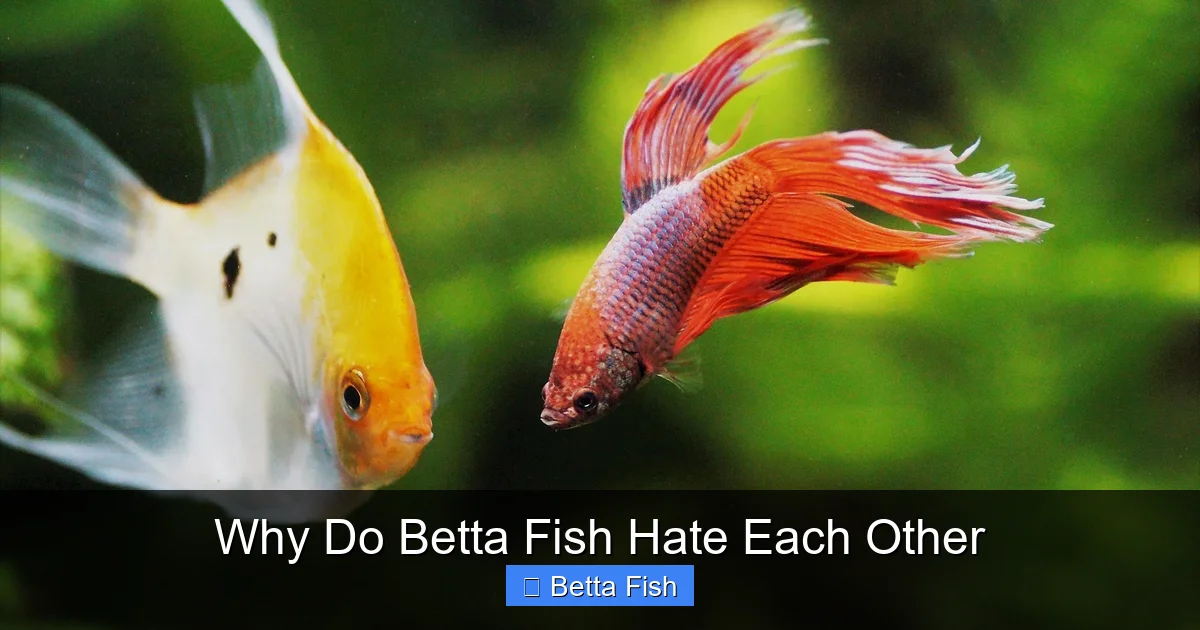
Visual guide about Why Do Betta Fish Hate Each Other
Image source: peta.org
2.2 Space limitation
Even a 10‑gallon tank can feel cramped for two adult males. Without enough room to establish separate territories, they constantly see each other’s reflections and think a rival is always present.
2.3 Poor water quality
High ammonia, nitrite, or low oxygen levels stress bettas, lowering their tolerance for other fish. A stressed betta is more likely to interpret any movement as a threat.
3. Physical Factors That Make Fights Worse
3.1 Fin type and length
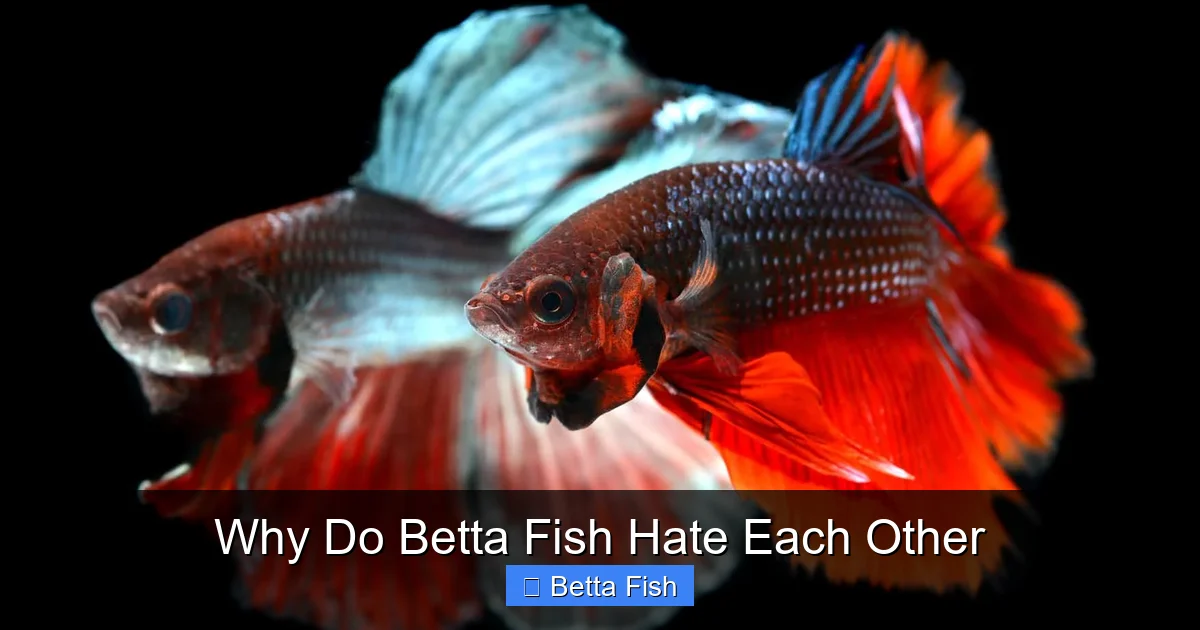
Long‑fin varieties (e.g., Half‑Moon, Crowntail) have more surface area to display, which can make them appear larger and more threatening. The extra tissue also gets torn easily, leading to bleeding and infection.
Visual guide about Why Do Betta Fish Hate Each Other
Image source: aquariadise.com
3.2 Size differences
A larger male will usually dominate a smaller one, but the smaller fish may become a perpetual target, resulting in chronic stress.
3.3 Gender mix‑ups
While a male and a female can sometimes coexist, the male will still guard his space fiercely. If the female is not ready to spawn, the male may become aggressive after repeated attempts.
4. Safe Housing Solutions
4.1 The single‑tank rule
The simplest answer to why do betta fish hate each other is: keep them apart. One mature male per tank eliminates visual confrontations and reduces stress.
4.2 Divided tanks
If you have a larger aquarium, a solid acrylic or glass divider can give each betta its own water column. Ensure the barrier is opaque; clear partitions still let the fish see each other and may trigger aggression.
4.3 Adding plants and decorations
Live plants, driftwood, and caves create visual barriers and hiding spots. They break up sight lines, making each betta think it has a private territory.
4.4 Choosing the right tank size
At minimum, give each male 5 gallons of water. Larger tanks allow you to add more plants and reduce the chance of accidental reflections.
5. Recognizing Early Warning Signs
5.1 Color changes
When a betta is about to fight, its colors often darken or become more intense. This is a signal to the keeper that tension is rising.
5.2 Fin trembling
Rapid fin shaking, even without a full flare, indicates nervousness. If you notice this, check water parameters and consider adding more cover.
5.3 Aggressive chasing
One fish repeatedly swimming straight at another, especially near the surface, is a pre‑fight maneuver. Separate the fish immediately.
6. Practical Tips to Prevent Conflict
- Quarantine new arrivals: Keep any new betta in a separate tank for at least two weeks to ensure it’s disease‑free.
- Maintain optimal water: Keep temperature between 76‑82°F, pH 6.5‑7.5, and ammonia at 0 ppm.
- Feed a varied diet: Balanced nutrition reduces stress. See our guide on how to feed a betta fish.
- Limit reflections: Cover the tank’s back with a dark sheet or use a background to stop bettas from fighting their own images.
- Monitor tank mates: If you keep other peaceful species, make sure they’re not fin‑nippers, as damaged fins can provoke fights.
Conclusion: Respect Their Nature, Not Their Myth
Understanding why do betta fish hate each other is less about blaming the fish and more about respecting their evolutionary design. By providing enough space, visual barriers, and flawless water quality, you can keep a single betta thriving and avoid the heart‑wrenching sight of a torn fin or a dead fish.
Remember, the safest bet is one betta per tank, but if you’re set on a community setup, use dividers, plants, and vigilant observation. Your betta will reward you with dazzling colors, graceful swimming, and a calm demeanor—no more unnecessary fights.
Frequently Asked Questions
Why do betta fish attack each other even when they look calm?
Betta fish can appear calm but still be on high alert. Subtle changes in water chemistry or a brief line of sight can trigger their instinctual territorial response.
Can female bettas be kept together?
Females are less aggressive than males, but they can still fight over space and food. It’s best to keep a single female per tank or provide a heavily planted, divided environment.
Is a larger tank enough to stop fights?
Size helps, but visual contact remains a trigger. Without barriers or plenty of décor, even a large tank can lead to constant flaring.
What should I do if a fight breaks out?
Immediately separate the fish using a container or a pre‑installed divider. Check for injuries, trim torn fins with sterilized scissors, and monitor water quality closely.
Do bettas ever become friends?
In rare cases, two bettas raised together from a very young age may tolerate each other, but the risk of aggression always remains high.
Can I keep a betta with other peaceful fish?
Yes, many community tanks work if the other fish are slow‑moving, non‑fin‑nipping, and the betta has plenty of hiding spots. See our article on what other fish can live with betta fish for species suggestions.