Why Do Betta Fish Have Small Tanks
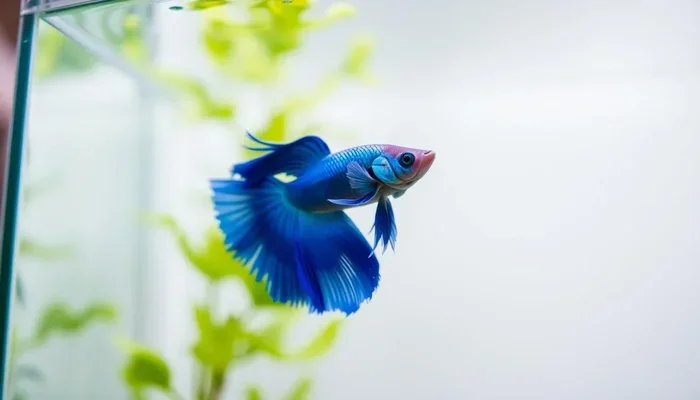
Betta fish are often kept in tiny containers, but the real reasons go beyond tradition. Understanding their natural habits, space needs, and proper care helps you create a healthier, happier environment—even if it means a slightly bigger tank.
Key Takeaways
- Myth vs. reality: Small tanks are a legacy of the pet‑shop trade, not a biological requirement.
- Space matters: A 5‑gallon tank provides better water stability and more room for natural behaviors.
- Temperature & filtration: Proper heating and gentle filtration are crucial, regardless of tank size.
- Enrichment: Adding plants, hides, and play objects reduces stress and encourages natural displays.
- Cost‑effective upgrades: Simple steps like a lid, heater, and filter keep the budget low while improving health.
- Legal & ethical angle: Many regions now recommend minimum tank sizes for bettas to meet animal‑welfare standards.
- Long‑term health: Bigger tanks mean fewer disease outbreaks and longer, more vibrant lives for your betta.
📑 Table of Contents
Introduction: The Small‑Tank Mystery
If you’ve ever walked into a pet store and seen a bright, flowing betta perched in a tiny bowl, you’ve probably wondered, “why do betta fish have small tanks?” The answer isn’t as simple as “they’re tiny fish.” It’s a mix of history, marketing, and a few misunderstandings about the species’ natural habits.
In this article we’ll peel back the layers of myth, explore the science behind betta needs, and give you clear, friendly advice on how to set up a home that keeps your finned friend thriving. Think of it as a chat over coffee with a fellow fish‑lover who wants the best for their pet.
1. History of the Small Bowl
Pet‑shop origins
Betta fish (Betta splendens) were first popularized in the 1940s and 1950s when Asian traders brought them to the West. Early sellers needed a cheap, eye‑catching way to display the vivid colors, so they used small plastic or glass containers that fit on a countertop. The compact size also meant lower shipping costs and more fish per shelf.
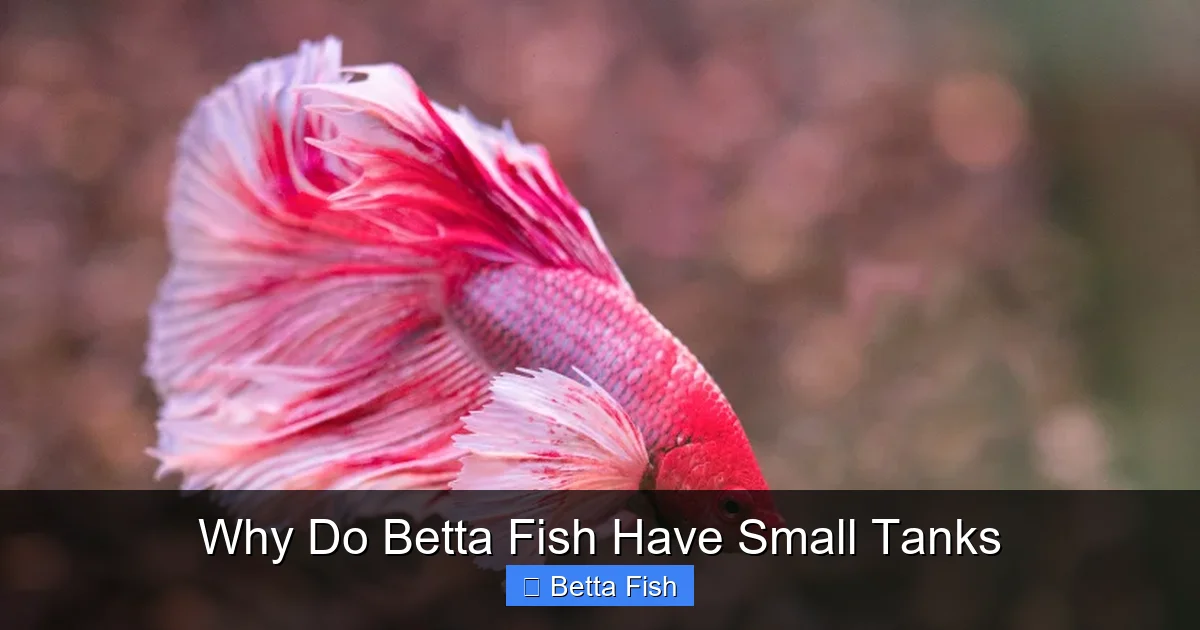
Visual guide about Why Do Betta Fish Have Small Tanks
Image source: fishlab.com
Misinterpreted behavior
Because bettas are “labyrinth fish,” they can gulp air from the surface and survive in low‑oxygen water. Some retailers took this ability to mean the fish could live happily in a tiny bowl forever. In reality, the ability is a survival tool, not a comfort feature.
For a deeper look at the origins of this practice, see our article Why Are Betta Fish Tanks So Small.
2. The Biology Behind Space Needs
Natural habitat
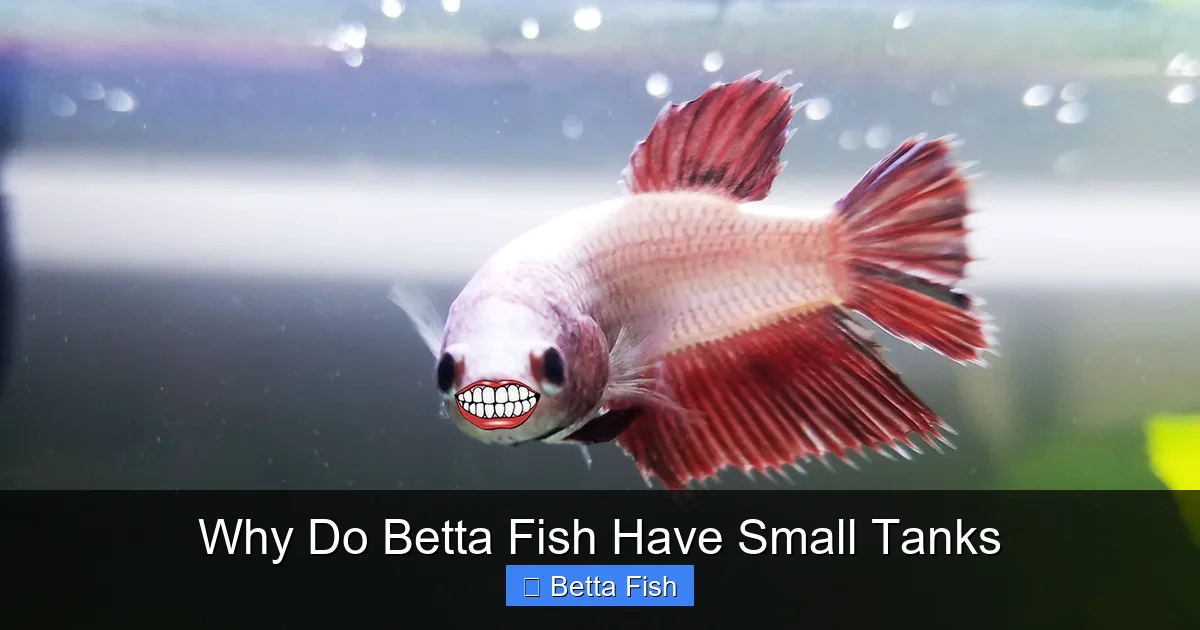
In the wild, bettas inhabit slow‑moving streams, rice paddies, and flooded fields across Thailand, Cambodia, and Vietnam. These environments provide plenty of vertical space, vegetation, and hiding spots. A single male’s territory can span several square feet, far larger than a typical 2‑gallon bowl.
Visual guide about Why Do Betta Fish Have Small Tanks
Image source: japanesefightingfish.org
Oxygen, temperature, and waste
Even though they breathe atmospheric oxygen, bettas still produce waste that needs to be diluted. Small volumes of water heat up and cool down quickly, leading to temperature swings that stress the fish. A larger tank acts like a thermal buffer, keeping the water within the ideal range of 76‑82°F (24‑28°C).
Read more about temperature preferences in our guide What Temperatures Do Betta Fish Like.
3. Why Small Tanks Still Appear
Cost and convenience
Many beginners think a tiny bowl is cheaper and easier to maintain. While the upfront cost is lower, the long‑term expenses (frequent water changes, higher mortality, and potential veterinary bills) often outweigh the savings.
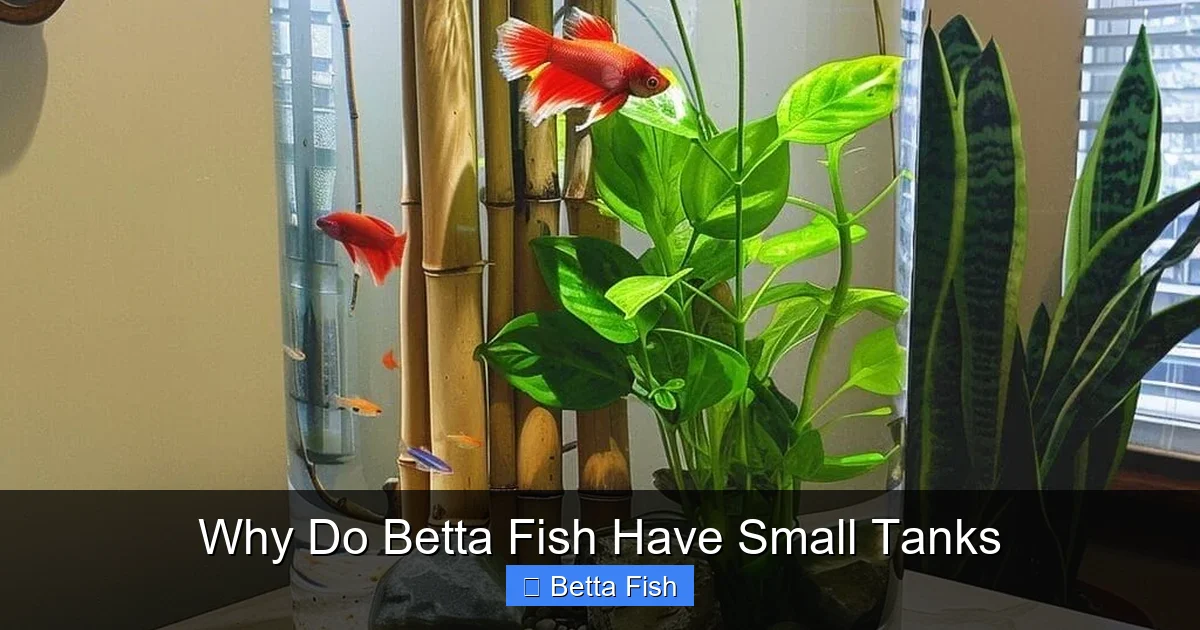
Visual guide about Why Do Betta Fish Have Small Tanks
Image source: i.pinimg.com
Misleading “betta‑specific” products
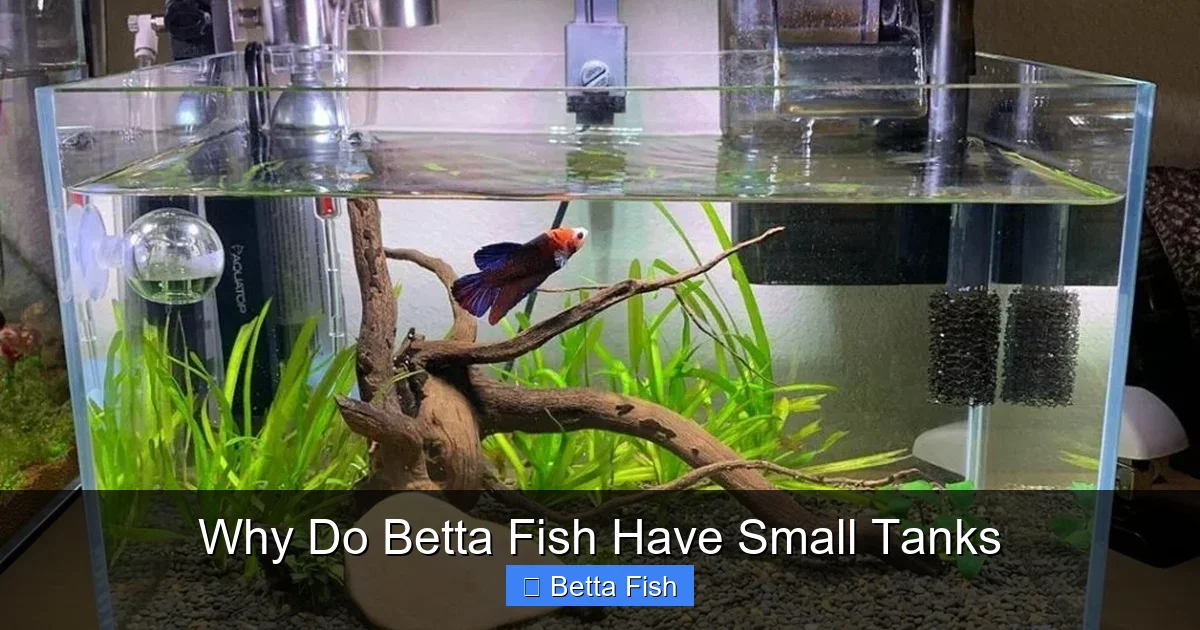
Some manufacturers market “betta bowls” as specially designed for the species, reinforcing the myth that they are the best choice. In truth, a properly equipped 5‑gallon tank with a lid, heater, and gentle filter beats a decorative bowl on every health metric.
4. The Benefits of a Bigger Tank
Water quality stability
In a 5‑gallon tank, ammonia and nitrite spikes are diluted, giving beneficial bacteria more time to break down waste. This leads to fewer “new tank syndrome” episodes and a calmer fish.
More room for natural behavior
Betta males love to flare, build bubble nests, and explore vertical space. Adding live plants, driftwood, and soft hiding spots encourages these instincts, reducing aggression and stress.
Longer lifespan
Studies show bettas kept in larger, filtered tanks live up to three years, compared to an average of 1‑1.5 years in cramped bowls. A healthier environment also means brighter colors and more frequent displays.
5. Setting Up the Ideal Betta Home
Choosing the right size
The consensus among experts is a minimum of 5 gallons (19 L) for a single male betta. If you plan to keep a female or a community tank with peaceful species, aim for 10 gallons or more.
Essential equipment
- Heater: Keep water between 76‑82°F. A 50‑watt submersible heater works well for 5‑gallon setups.
- Filter: A gentle sponge filter or a low‑flow hang‑on‑back unit provides biological filtration without stressing the fish.
- Lid: Betta fins are delicate; a secure lid prevents jumps and maintains humidity.
- Substrate and décor: Fine gravel or sand, plus live or silk plants, give the fish places to rest and hide.
Maintenance routine
Perform a 25‑30% water change weekly. Test for ammonia, nitrite, and nitrate each change. Clean the filter media in old tank water (not tap water) to preserve beneficial bacteria.
6. Common Questions & Myths Debunked
Do bettas prefer small tanks?
No. While they can survive in small volumes, they do not thrive. A larger tank offers a healthier, more stimulating environment.
Can you keep a betta in a bowl if you add a filter?
Even with a filter, a bowl’s surface area is too limited for stable water parameters. Upgrading to a proper tank is the safer choice.
Are bettas aggressive enough to need isolation?
Males are territorial and will fight other males. However, a spacious tank with visual barriers can reduce aggression, allowing peaceful co‑habitation with certain species.
For a deeper dive into aggression, check out Why Do Betta Fish Fight.
Conclusion: Rethinking the Small Tank
So, why do betta fish have small tanks? The answer lies in history, cost, and misunderstanding—not in the fish’s natural preferences. By giving your betta a properly sized, heated, and filtered tank, you’re not only respecting its biology but also setting the stage for vibrant colors, lively flares, and a longer, healthier life.
Upgrade today, and watch your betta transform from a stressed survivor into a thriving show‑stopper. Your fish—and your conscience—will thank you.
Frequently Asked Questions
Why do betta fish seem happy in tiny bowls?
They can survive because of their labyrinth organ, but “happy” is subjective. Small bowls hide stress signs like faded colors and lethargy.
What is the minimum tank size for a single male betta?
Experts recommend at least 5 gallons (19 L) with a heater and gentle filtration to maintain stable water conditions.
Can I add live plants to a small betta tank?
Yes, but in a bowl the plants will quickly die due to poor water quality. In a 5‑gallon tank, live plants thrive and improve health.
Do bettas need a filter if I change the water frequently?
Frequent water changes help, but a filter provides continuous biological filtration, reducing harmful spikes between changes.
Is it okay to keep a betta with other peaceful fish?
In a larger, well‑planted tank (10+ gallons) you can keep a male betta with non‑aggressive species that won’t nip its fins.
How often should I clean the tank?
Do a 25‑30% water change weekly, clean the filter media in old tank water, and wipe algae from the glass as needed.