Can Betta Fish Eat Themselves to Death
Betta fish cannot literally eat themselves, but over‑feeding can lead to fatal health issues. Understanding proper portion sizes, feeding frequency, and tank conditions prevents obesity, bloating, and digestive failure. Follow these simple guidelines to keep your betta thriving.
Key Takeaways
- Over‑feeding is the real danger: Excess food can cause constipation, swim‑bladder disease, and fatal organ damage.
- Betta stomachs are tiny: One or two pea‑sized pellets per feeding are usually enough.
- Feed small amounts multiple times: 2‑3 feedings a day helps digestion and reduces waste.
- Watch for warning signs: Bloating, loss of appetite, and abnormal swimming indicate trouble.
- Quality matters more than quantity: High‑protein, betta‑specific foods are easier to digest than cheap flakes.
- Regular water changes are essential: Clean water prevents bacterial overgrowth that can worsen digestive issues.
- Seek veterinary help early: Persistent problems need a fish‑savvy vet to avoid a fatal outcome.
Quick Answers to Common Questions
Can a betta fish die from eating too much?
Yes. Over‑feeding can cause bloating, constipation, swim‑bladder disease, and ultimately organ failure.
How many pellets should I feed my adult betta?
One to two pea‑sized pellets per feeding, two to three times a day.
Is it okay to give my betta fish fruit?
Betta diets should focus on high‑protein foods; fruit is not a natural part of their diet and can cause digestive upset.
Can I feed my betta frozen brine shrimp?
Absolutely. A few frozen brine shrimp once or twice a week make a nutritious treat.
What should I do if my betta looks bloated?
Stop feeding for 24‑48 hours, give a small cooked pea, check water quality, and consider a vet visit if it doesn’t improve.
📑 Table of Contents
Introduction: Why the Question Pops Up
Anyone who has ever kept a betta (also called Siamese fighting fish) knows how eager they are at the sight of food. Their bright colors flare, their fins flutter, and they’ll dart to the surface the moment a pellet drops. It’s easy to mistake this enthusiasm for a need to keep feeding them constantly. That’s where the alarming phrase “can betta fish eat themselves to death” originates.
In reality, a betta cannot literally consume its own body. However, the phrase is a colorful way of describing a very real problem: over‑feeding. When owners give too much food, the fish can develop life‑threatening conditions like bloating, constipation, and swim‑bladder disease. This article breaks down the science, the signs to watch for, and practical steps to keep your betta safe and healthy.
Understanding Betta Digestion
The Size of a Betta Stomach
A mature betta’s stomach is roughly the size of a pea. That tiny organ can hold only a few milligrams of food at a time. When you feed a pellet that’s larger than the stomach, the fish can’t swallow it whole, leading to choking or regurgitation.

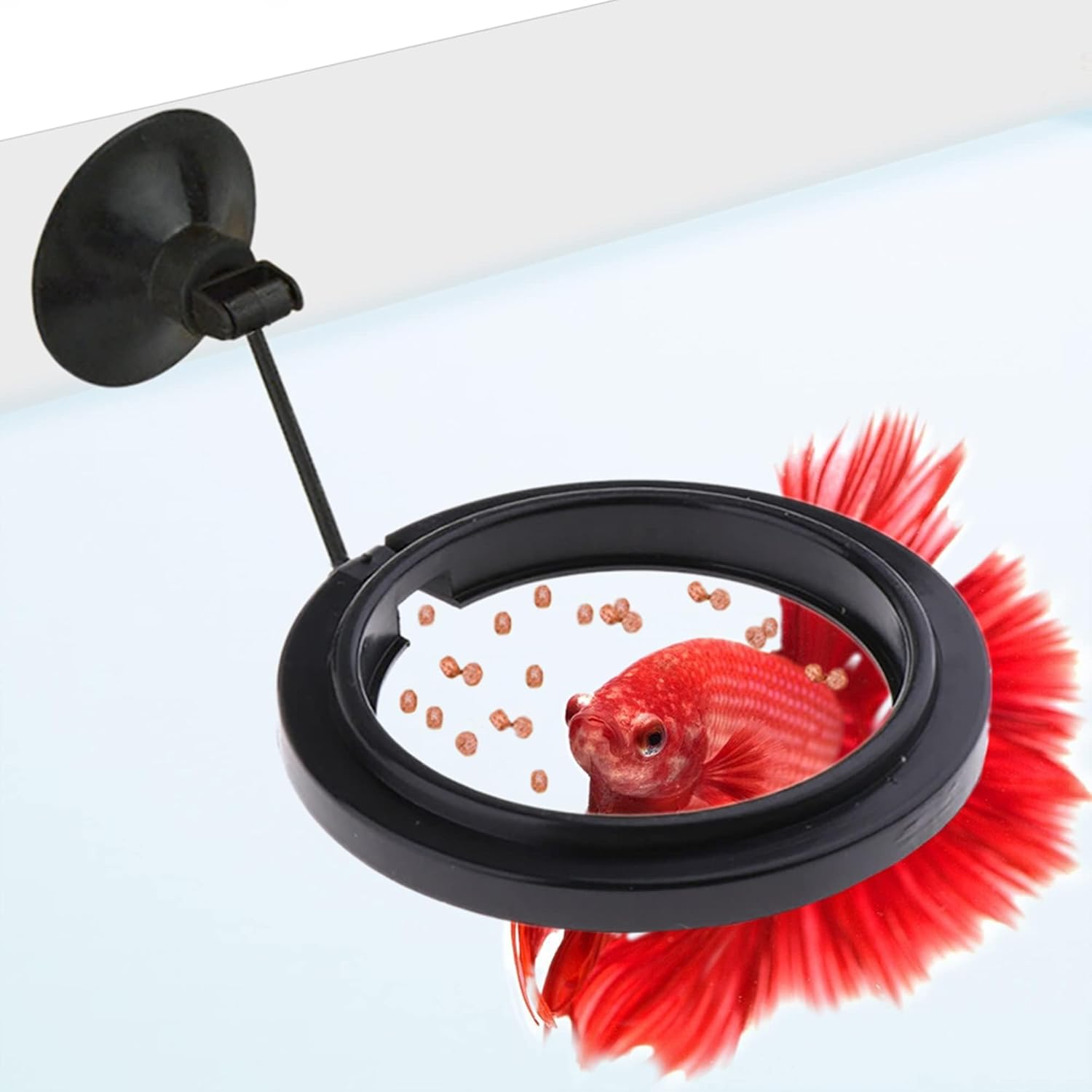
Visual guide about Can Betta Fish Eat Themselves to Death
Image source: i.pinimg.com
How Betta Metabolism Works
Betta fish are “sit‑and‑wait” predators. In the wild they eat small insects and larvae, taking a few meals each day. In captivity their metabolism slows down, especially when water temperature drops below 78°F (25.5°C). A slower metabolism means food stays in the gut longer, increasing the risk of bacterial overgrowth.
What Happens When They Eat Too Much?
- Constipation: Excess food solidifies in the gut, making it hard to pass.
- Bloating (Dropsy‑like swelling): Gas builds up, causing the belly to swell.
- Swim‑bladder disorder: The organ that helps the fish stay upright becomes imbalanced, leading to upside‑down swimming.
- Liver damage: Over‑working the liver to process excess protein can cause fatty liver disease.
How Much Should You Really Feed?
Portion Guidelines
For most bettas, one or two small pellets (about the size of a grain of rice) per feeding is sufficient. If you’re using frozen or live foods like brine shrimp, a single mouthful (about 2‑3 shrimp) works well.
Feeding Frequency
Two to three feedings per day is ideal. This mimics their natural hunting pattern and reduces the chance of food sitting in the tank and rotting.
Adjusting for Age and Activity
- Fry (baby bettas): Need more frequent, smaller meals—about 3‑4 times daily.
- Adults: 2‑3 times daily, with occasional fasting days (once a week) to clear the gut.
- Less active fish: Reduce portions if the water temperature is below 78°F.
Choosing the Right Food
High‑quality betta pellets or frozen foods are best. Cheap flakes often contain fillers that are hard to digest. For a deeper dive on suitable diets, see our guide on what can betta fish eat and the article about can betta fish eat tropical flakes.
Signs Your Betta Is Over‑Fed
Physical Indicators
- Swollen abdomen: A rounded belly that looks “puffy.”
- Loss of scale sheen: Dull, flaky skin can indicate internal stress.
- Constipation: Small, hard fecal pellets that are hard to pass.
Behavioral Changes
- Lethargy: Less active, staying at the bottom of the tank.
- Refusal to eat: Paradoxically, a full stomach can make a betta lose interest in food.
- Abnormal swimming: Floating upside down or struggling to maintain position.
When to Intervene
If you notice any of these signs, stop feeding for 24‑48 hours. Offer a small amount of a high‑fiber food like a peeled pea (cooked and cooled) to stimulate digestion. If symptoms persist, consult a fish‑savvy veterinarian.

Visual guide about Can Betta Fish Eat Themselves to Death
Image source: i.ytimg.com
Preventing Over‑Feeding: Practical Tips
Use a Feeding Schedule
Write down feeding times on a calendar or set phone reminders. Consistency helps you avoid “just one more” feedings.
Measure Portions With a Spoon
A tiny teaspoon (about 5 ml) can hold the exact number of pellets you need. This removes guesswork.
Observe Your Betta’s Response
Watch how quickly the fish eats. If it finishes the food within a few seconds, you’re likely giving too much.
Keep the Tank Clean
Uneaten food decomposes quickly, raising ammonia levels and stressing the fish. Perform 25‑30% water changes twice a week, and use a gentle siphon to remove debris.
Rotate Food Types
Mix pellets with occasional live or frozen treats. Variety prevents over‑reliance on one food source and reduces the risk of over‑feeding a single type.
When Over‑Feeding Leads to Fatal Outcomes
Understanding “Eating Themselves to Death”
The phrase is a misinterpretation of a cascade of health failures caused by chronic over‑feeding. Persistent bloating can compress internal organs, leading to organ failure. Swim‑bladder collapse can prevent a betta from reaching the surface for oxygen, resulting in asphyxiation.
Case Study: A Common Scenario
Emma, a new betta owner, fed her fish three pellets three times a day because she loved watching the bright colors. Within two weeks, the betta’s belly swelled, and it began floating upside down. Despite stopping food for a day, the fish’s condition worsened, and it died. A vet later identified severe constipation and a ruptured swim‑bladder—classic signs of over‑feeding.
How to Rescue an Over‑Fed Betta
- Fast the fish: No food for 24‑48 hours.
- Give a pea: A single cooked, peeled pea can act as a natural laxative.
- Check water parameters: Ensure ammonia, nitrite, and nitrate are within safe limits.
- Increase aeration: A small air stone helps a struggling fish get enough oxygen.
- Seek professional help: If the fish shows no improvement after 48 hours, visit a vet.
Conclusion: Keep Feeding Smart, Not Excessive
Betta fish are beautiful, curious companions that thrive on a balanced diet and clean water. While the idea of a betta “eating itself to death” sounds dramatic, the real danger lies in over‑feeding and the cascade of health problems it triggers. By measuring portions, feeding the right number of times per day, and monitoring your fish’s behavior, you can avoid these pitfalls and enjoy a vibrant, active betta for years.
Remember: a little food goes a long way. Treat your betta with respect, and it will reward you with dazzling colors and lively personality—without ever needing to “eat itself” to death.
Frequently Asked Questions
Can betta fish eat themselves to death?
Not literally, but chronic over‑feeding can lead to fatal health issues such as severe bloating and swim‑bladder disease.
How often should I feed a betta fish?
Two to three small meals per day is ideal for most adult bettas.
What are the signs of over‑feeding?
Swollen abdomen, lethargy, loss of appetite, constipation, and abnormal swimming are key indicators.
Can I feed my betta goldfish flakes?
It’s not recommended; goldfish flakes contain fillers that are hard for bettas to digest. Learn more at can betta fish eat goldfish food.
Is it safe to give my betta live food every day?
Live foods are nutritious but should be offered sparingly—once or twice a week—to avoid over‑feeding and potential parasites.
How can I tell if my betta has swim‑bladder disease?
Look for upside‑down swimming, floating at the surface, or inability to maintain a normal posture. Prompt treatment is essential.