Why Do Betta Fish Go to the Surface
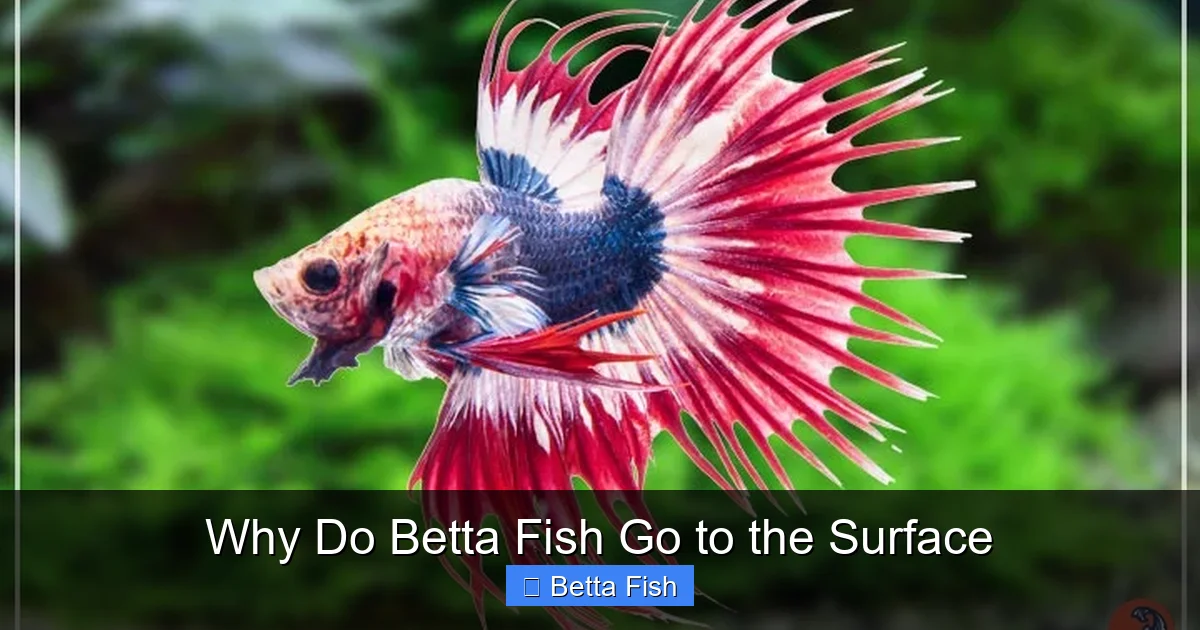
Betta fish often swim to the surface for oxygen, temperature, curiosity, or stress signals. Understanding these reasons helps you spot problems early and create a healthier tank. Quick checks like water quality, temperature, and tank setup can prevent most surface‑swimming issues.
Key Takeaways
- Oxygen needs: Low dissolved oxygen pushes bettas upward.
- Temperature gradients: Surface water can be warmer or cooler, attracting the fish.
- Stress signals: Jumping or lingering at the top often means something is wrong.
- Natural behavior: In the wild, bettas use the surface to breathe air and build bubble nests.
- Tank setup matters: Proper filtration, heating, and décor reduce unwanted surface swimming.
- Watch for signs: Rapid surfacing, gasping, or lethargy signal water‑quality issues.
- Quick fixes: Adjust aeration, temperature, and perform regular water changes.
📑 Table of Contents
- Introduction: The Mystery of the Surface‑Dwelling Betta
- 1. Oxygen – The Most Common Reason
- 2. Temperature Layers – “Thermal Stratification”
- 3. Natural Instincts – Bubble Nests and Air Breathing
- 4. Stress and Health Issues
- 5. Tank Environment – Décor, Space, and Lighting
- 6. When to Intervene – Practical Tips
- Conclusion: Keep the Surface Friendly, Not Frightening
Introduction: The Mystery of the Surface‑Dwelling Betta
If you’ve ever watched your betta fish hover near the water’s top, you might wonder what’s going on. Is it a sign of illness, boredom, or simply a quirky habit? The truth is a mix of biology, environment, and sometimes, simple tank‑maintenance oversights.
In this article we’ll break down the main reasons bettas go to the surface, how to tell when it’s normal, and what steps you can take to keep your fish thriving. By the end, you’ll feel confident reading your betta’s “surface language” and making smart adjustments to your aquarium.
1. Oxygen – The Most Common Reason
How bettas breathe
Betta fish are labyrinth fish, meaning they have a special organ that lets them gulp air from the surface. In the wild, they often live in shallow, oxygen‑poor pools, so this adaptation is a lifesaver.
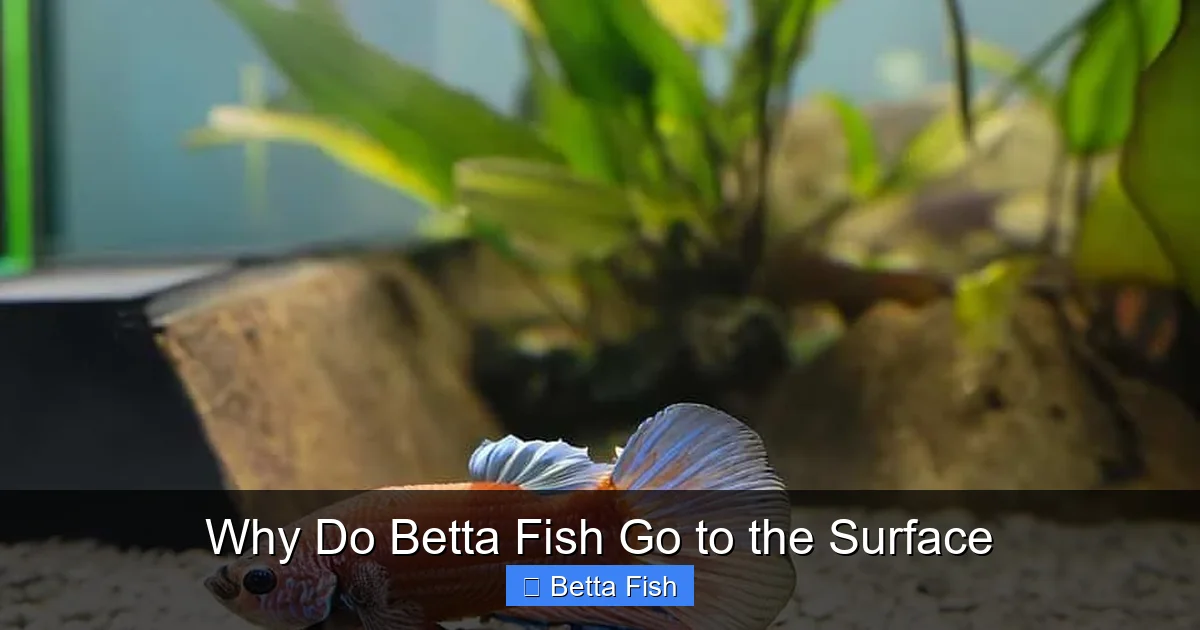
Visual guide about Why Do Betta Fish Go to the Surface
Image source: fishkeepingacademy.com
When low dissolved oxygen pushes them up
If the water in your tank lacks enough dissolved oxygen, your betta will instinctively swim upward to gulp air. This can happen for several reasons:
- Insufficient filtration or aeration.
- Overcrowding (though bettas are usually kept alone).
- Warm water holding less oxygen.
Watch for rapid surfacing or gasping at the water’s edge—these are clear red flags.
What to do
Increase surface agitation with a gentle air stone or adjust your filter’s flow. Keep the water temperature in the 76‑82°F (24‑28°C) range; higher temps dissolve less oxygen.
2. Temperature Layers – “Thermal Stratification”
Why temperature matters
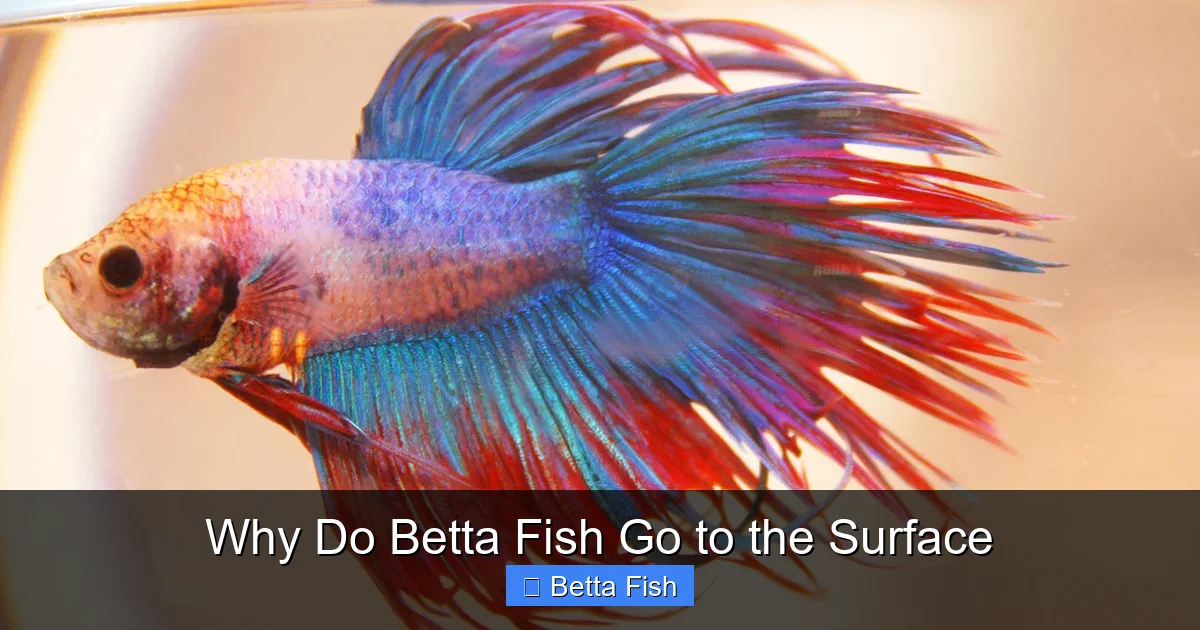
Warmer water rises, cooler water sinks. If your heater is set too high or placed near the bottom, the surface may become a comfortable “warm spot” for your betta.
Visual guide about Why Do Betta Fish Go to the Surface
Image source: bettafish.org
Detecting a temperature gradient
Use a reliable aquarium thermometer at both the top and bottom of the tank. A difference of more than 2‑3°F (1‑2°C) suggests stratification.
Balancing the heat
Place the heater in the middle of the tank and use a circulation pump or a gentle filter flow to mix the water. This creates a uniform temperature and reduces the urge to seek out the surface.
3. Natural Instincts – Bubble Nests and Air Breathing
Bubble nest building
Male bettas build bubble nests at the surface as part of their breeding ritual. Even non‑breeding males may practice “nest‑like” behavior, especially if they see a potential mate or feel territorial.

Visual guide about Why Do Betta Fish Go to the Surface
Image source: fishkeepingacademy.com
Air‑gill breathing
The labyrinth organ allows bettas to breathe atmospheric oxygen. In a well‑oxygenated tank they still visit the surface out of habit, much like us taking a deep breath of fresh air.
When it’s normal
If your betta is calmly floating near the top, gently blowing bubbles, and showing no signs of distress, this is normal. For more on bubble‑nest behavior, see Why Do Betta Fish Make Bubble Nests.
4. Stress and Health Issues
Signs of stress
Excessive surface swimming can indicate stress from:
- Poor water quality (high ammonia or nitrite).
- Incompatible tank mates (though bettas are usually solitary).
- Sharp lighting or sudden temperature changes.
- Physical injury or disease.
Health red flags
Look for clamped fins, faded colors, or labored breathing. If your betta is also floating upside‑down or appears lethargic, run a water test immediately.
Quick health check
Perform a partial water change (25‑30%) and test for ammonia, nitrite, and nitrate. If levels are high, address the source before it worsens. For detailed water‑change steps, read How To Do A Betta Fish Water Change.
5. Tank Environment – Décor, Space, and Lighting
Too little hiding space
Betas love to explore vertical space. If the tank lacks plants, driftwood, or caves, they may spend more time at the surface looking for shelter.
Lighting that drives them up
Bright overhead lights can make the surface feel warmer and more inviting. Use a dimmer or a shaded lid to create a gentler light cycle.
Optimizing the setup
Provide live or silk plants, floating vegetation, and a few small caves. This gives your betta places to rest below the surface and reduces unnecessary surface time.
6. When to Intervene – Practical Tips
Step‑by‑step troubleshooting
- Test water parameters. Ammonia, nitrite, nitrate, pH, and temperature should be within betta‑safe ranges.
- Observe behavior. Is the fish gasping, floating, or just calmly browsing?
- Adjust aeration. Add an air stone or increase filter flow if oxygen is low.
- Check temperature. Ensure uniform heating and avoid hot spots.
- Refresh the environment. Add plants, hideouts, and consider a gentle light schedule.
- Perform a water change. Replace 25‑30% of water weekly to keep parameters stable.
When to seek professional help
If your betta continues to gasp, loses color, or shows fin rot, consult a vet or an experienced aquarist. Early treatment improves recovery odds.
Conclusion: Keep the Surface Friendly, Not Frightening
Betta fish go to the surface for many reasons—most of them natural and harmless. By monitoring oxygen levels, temperature, and tank setup, you can distinguish normal curiosity from distress signals. Regular water changes, proper filtration, and a well‑decorated environment give your betta a comfortable home where it can explore the surface without fear.
Remember, a happy betta is a healthy betta. Keep an eye on its habits, act quickly when something seems off, and enjoy the vibrant personality that makes these fish such beloved companions.
Frequently Asked Questions
Why does my betta fish constantly swim to the top?
Most often it’s looking for oxygen or a warmer spot. Check your filter, add gentle surface agitation, and make sure the water temperature is even.
Is surfacing a sign of disease?
It can be if accompanied by gasping, clamped fins, or faded colors. Test water quality and look for other stress signs before assuming illness.
Do bettas need a bubble nest to live?
No, bubble nests are only for breeding males. However, building a nest is a natural behavior and shows your betta is comfortable.
Can lighting cause my betta to stay at the surface?
Bright overhead lights can warm the surface and attract the fish. Using a dimmer or a shaded lid creates a more balanced environment.
How often should I change the water to prevent surface‑swimming problems?
Changing 25‑30% of the water weekly keeps ammonia and nitrite low, which helps maintain proper oxygen levels.
Should I add an air stone to my betta’s tank?
Yes, a gentle air stone adds surface movement, increasing dissolved oxygen and reducing the need for the fish to gulp air at the top.