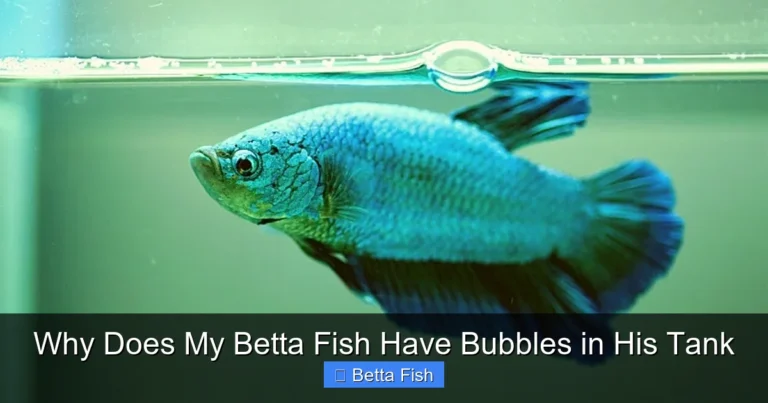
Can Betta Fish Be Mixed with Other Fish
Can betta fish be mixed with other fish? The answer depends on species, tank size, and temperament. With the right partners and setup, a betta can share a community tank safely.
Key Takeaways
- Temperament matters: Male bettas are territorial, while females are generally more peaceful.
- Tank size is crucial: A minimum of 20 gallons gives enough space to reduce aggression.
- Choose compatible species: Small, fast‑swimming, non‑fin‑nipping fish are the best mates.
- Provide plenty of hiding spots: Plants, caves, and decorations break line‑of‑sight and lower stress.
- Monitor closely: Watch for signs of stress or bullying during the first weeks.
- Separate if needed: Have a backup plan, such as a divider, if aggression escalates.
- Water parameters must match: Keep temperature, pH, and hardness suitable for all inhabitants.
📑 Table of Contents
Introduction: Why the Question Matters
If you’ve ever bought a vibrant betta and wondered whether you could add a few peaceful tetras or guppies, you’re not alone. Betta fish are famous for their dazzling fins and feisty personality, which leads many hobbyists to ask, can betta fish be mixed with other fish? The short answer is “it depends,” but the long answer involves understanding betta behavior, tank requirements, and the right companions.
In this guide we’ll walk through everything you need to know before creating a mixed community tank. From the science behind betta aggression to step‑by‑step tips for a successful introduction, you’ll leave with confidence to decide if your betta can share its home.
Understanding Betta Temperament
Male vs. Female Betta
Male bettas (often called Siamese fighting fish) are naturally territorial. In the wild they defend a small patch of water, and in captivity that instinct shows up as flare‑ups toward anything that looks like a rival. Female bettas are less aggressive, especially when kept in groups called sororities. However, females can still be fin‑nippers if space is limited.
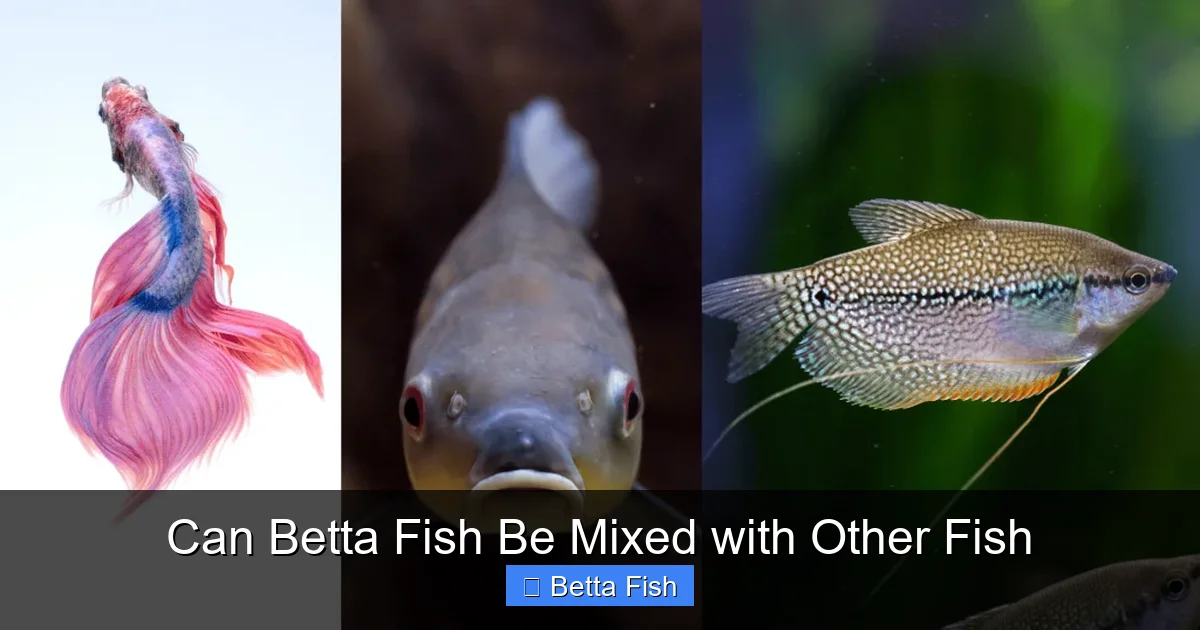
Visual guide about Can Betta Fish Be Mixed with Other Fish
Image source: aniimad.com
What Triggers Aggression?
Bright colors, long flowing fins, and fast movements can all be perceived as threats. A betta may also become defensive if the water is too cold, the tank is overcrowded, or there isn’t enough hiding space. Recognizing these triggers helps you create a calmer environment.
Tank Size and Setup: The Foundation for Harmony
Minimum Volume
While a 5‑gallon tank can house a single betta, mixing species requires at least 20 gallons. This extra space dilutes visual contact and gives each fish its own territory.
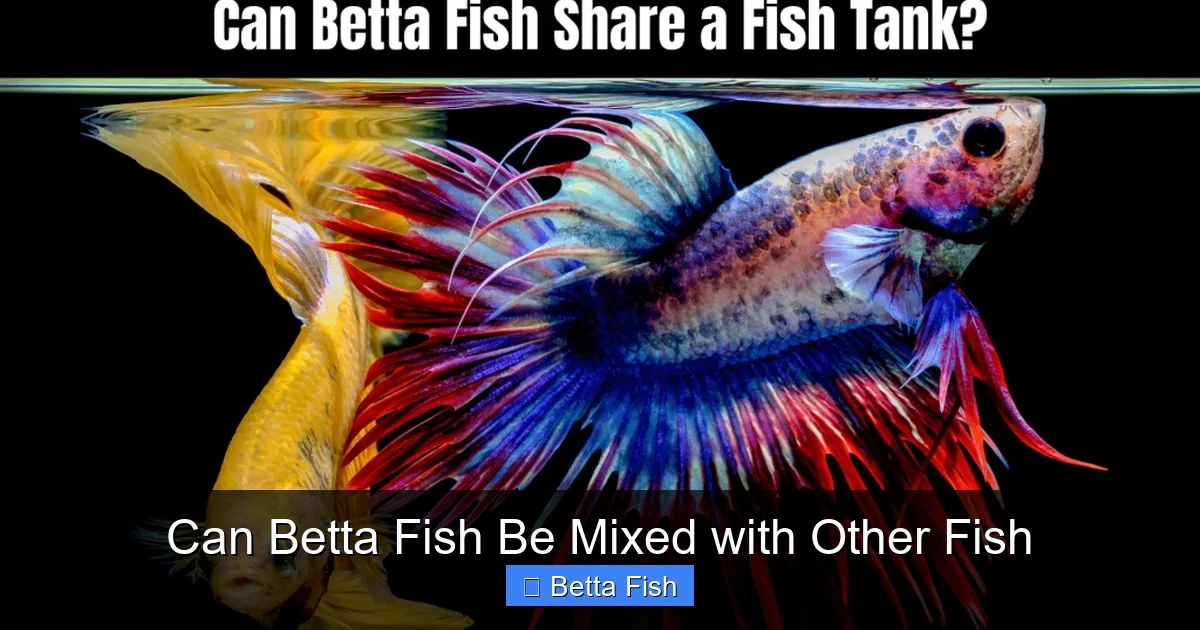
Visual guide about Can Betta Fish Be Mixed with Other Fish
Image source: aniimad.com
Layout Tips
- Plants: Live plants like Java fern or Anubias absorb nitrate and create vertical cover.
- Rocks and Caves: Provide caves or driftwood where the betta can retreat.
- Open Swimming Zones: Fast swimmers need clear lanes to dart past one another.
When you arrange décor, think of “eye lines.” Avoid straight lines of sight across the entire tank; use tall plants to break the view.
Choosing the Right Tank Mates
Fish That Usually Get Along
Small, mid‑water species that keep to the upper or middle levels are ideal. Some proven companions include:
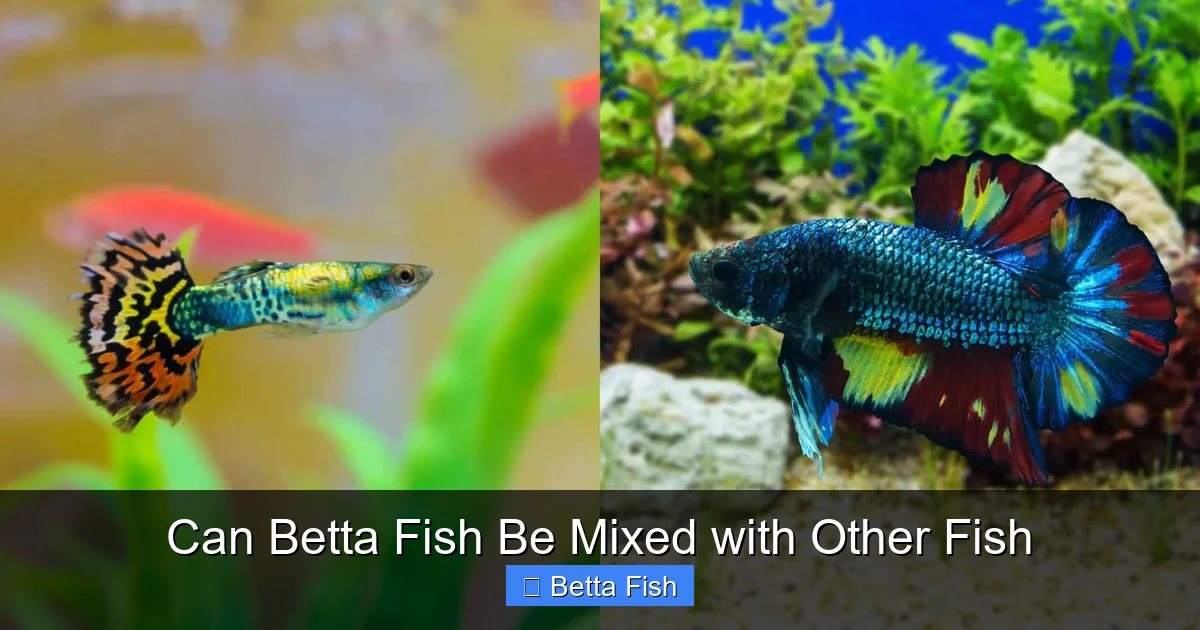
Visual guide about Can Betta Fish Be Mixed with Other Fish
Image source: aquariadise.com
- Neon tetras
- Harlequin rasboras
- Celestial pearl danios
- Endler’s livebearers
- Otocinclus catfish (tiny algae eaters)
These fish are fast enough to avoid a betta’s flare and have nipping mouths that rarely bother fins.
Fish to Avoid
Long‑finned or bright‑colored species such as guppies, fancy goldfish, and other bettas often trigger aggression. Also steer clear of slow bottom‑dwelling fish that the betta can easily chase.
Internal Link Example
For a deeper dive into compatible species, see our article on what other fish can live with betta fish.
Step‑by‑Step Introduction Process
1. Quarantine New Fish
Always quarantine any new fish for at least two weeks. This prevents disease spread and lets you observe the newcomer’s health.
2. Float the Betta
Place the betta’s bag in the tank for 30 minutes to match temperature, then slowly add a few drops of tank water to the bag. This acclimates the betta to the new water chemistry.
3. Release Carefully
Use a soft net to transfer the betta into a corner with plenty of plants. Keep the lights dim for the first hour to reduce stress.
4. Observe Behavior
Watch for flare‑ups, chasing, or fin damage over the next 48 hours. If aggression occurs, consider a tank divider or a larger aquarium.
Maintaining a Peaceful Community
Feeding Strategies
Feed bettas small portions of high‑quality pellets twice daily. Offer fast‑moving foods like daphnia to the community fish to keep them away from the betta’s feeding spot.
Regular Water Changes
Change 25 % of the water weekly to keep nitrate levels below 20 ppm. Stable water parameters reduce stress for all inhabitants.
Health Checks
Look for torn fins, faded colors, or lethargy. Early detection of stress allows you to act before a serious conflict escalates.
When Mixing Doesn’t Work: Alternatives
Use a Divider
A clear acrylic divider lets each fish have its own space while still sharing the same water. This works well for temporary setups or breeding tanks.
Consider a Species‑Only Tank
If your betta shows relentless aggression, a single‑species tank might be the safest option. Betta fish can thrive alone with proper enrichment.
Internal Link Example
If you’re unsure whether a male betta can coexist with other fish, read our guide on can male betta fish be with other fish for detailed advice.
Conclusion: Making an Informed Decision
So, can betta fish be mixed with other fish? Yes—provided you choose compatible species, give enough space, and monitor interactions closely. A well‑planted 20‑gallon tank can become a vibrant, low‑stress community where a betta adds color without dominating the show.
Remember, each betta has a unique personality. Start slowly, keep a backup plan ready, and enjoy the process of building a harmonious aquarium.
Frequently Asked Questions
Can a male betta live with other fish?
Male bettas can live with peaceful, fast‑moving fish in a sufficiently large tank (20 gallons or more). Choose species that don’t have long fins or bright colors that may trigger aggression.
What are the safest tank mates for a betta?
Small tetras, rasboras, danios, and otocinclus catfish are among the safest options because they stay out of the betta’s primary territory and are quick enough to avoid confrontations.
How long should I wait before adding new fish to a betta’s tank?
After introducing a betta, wait at least 24‑48 hours before adding additional fish. This gives the betta time to settle and reduces stress.
Do bettas get stressed by community tanks?
Stress can occur if the tank is too small, poorly decorated, or stocked with aggressive or fin‑nipping species. Providing plenty of hiding spots and stable water conditions helps keep stress low.
Can I keep a betta with shrimp or snails?
Yes, larger shrimp like Amano or ghost shrimp, and most snails, can coexist with bettas. Ensure the shrimp are big enough not to be seen as food.
What should I do if my betta attacks another fish?
Immediately separate the aggressor using a tank divider or a temporary quarantine tank. Re‑evaluate tank size, décor, and fish compatibility before trying again.