Betta fish expand their gills as a natural response to stress, oxygen needs, and communication. Understanding the reasons behind this behavior helps you spot health issues early and create a thriving aquarium environment.
Key Takeaways
- Stress response: Gills flare when bettas feel threatened or uncomfortable.
- Oxygen demand: Rapid breathing and gill expansion signal low oxygen levels.
- Communication tool: Flared gills are part of a betta’s visual language during courtship or aggression.
- Health indicator: Persistent gill expansion can point to disease, poor water quality, or temperature issues.
- Tank setup matters: Proper filtration, heating, and decoration reduce unnecessary gill flaring.
- Quick fixes: Adjust flow, add surface agitation, and monitor parameters to calm a flaring betta.
- When to seek help: If gill flaring is accompanied by discoloration or lethargy, consult a vet or experienced hobbyist.
📑 Table of Contents
- Introduction: The Mystery of the Flared Gills
- 1. The Biology Behind Gill Expansion
- 2. Common Triggers for Gill Expansion
- 3. How to Differentiate Normal from Alarming Gills
- 4. Practical Steps to Reduce Unwanted Gill Flaring
- 5. When to Seek Professional Help
- Conclusion: Keeping Your Betta Comfortable and Confident
Introduction: The Mystery of the Flared Gills
If you’ve ever watched a betta fish “puff up” its gills, you might have wondered what’s going on behind that dramatic display. It’s easy to think the fish is just being showy, but the truth is a mix of biology, environment, and emotion. In this article we’ll unpack why do betta fish expand their gills, explore the most common triggers, and give you practical tips to keep your fish calm and healthy.
Betta fish (Betta splendens) are famous for their vibrant colors and aggressive personalities. Their gills are not just breathing organs; they’re also a visual signal that other bettas, predators, and even humans can read. By the end of this guide you’ll be able to tell the difference between a normal “gill flare” and a warning sign that something needs fixing.
1. The Biology Behind Gill Expansion
How Betta Gills Work
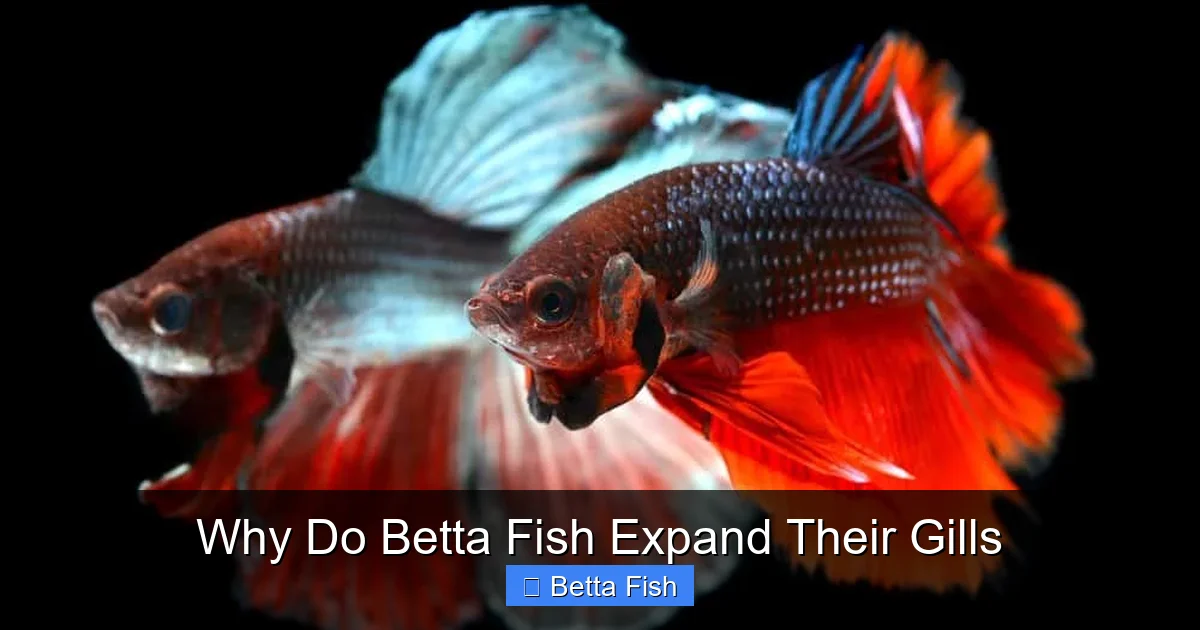
Betta gills consist of delicate filaments called lamellae. Water passes over them, oxygen diffuses into the blood, and carbon dioxide is expelled. When a betta needs more oxygen—like after a sprint or in warm water—the muscles around the gill covers (opercula) contract, opening the gill chambers wider. This is the same mechanism that makes the gills look “flared.”
Visual guide about Why Do Betta Fish Expand Their Gills
Image source: fishtankmaster.com
Why Gills Can Look So Dramatic
Betta fish have a special muscle called the gill cover muscle. When it contracts, the opercula spread apart, exposing more surface area. The effect is amplified by the fish’s natural habit of raising its dorsal fin and widening its body, creating a full‑body “display” that is hard to miss.
2. Common Triggers for Gill Expansion
2.1 Low Dissolved Oxygen
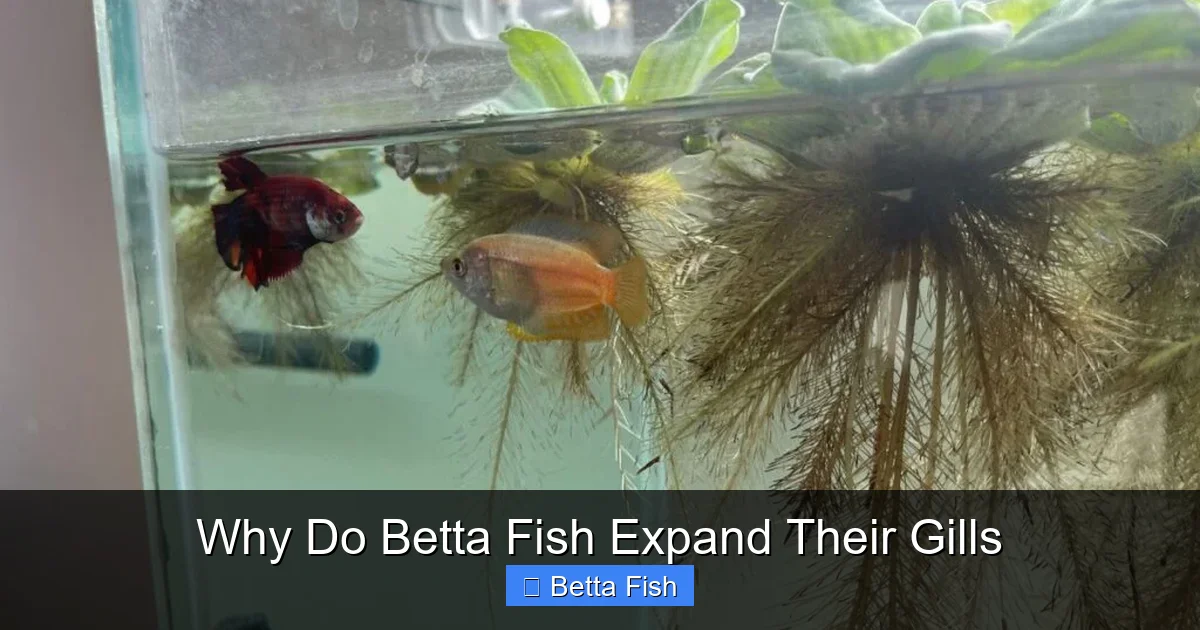
Warm water holds less oxygen. If your tank temperature is above 80°F (27°C) and the water isn’t well‑aerated, your betta will gulp more air and flare its gills. Adding a gentle air stone or increasing surface agitation can solve the problem quickly.
Visual guide about Why Do Betta Fish Expand Their Gills
Image source: housedpet.com
2.2 Stress and Threat Perception
Betta fish are territorial. A new tank mate, a reflection, or even a sudden movement outside the tank can make them think a rival is nearby. The flared gills act as a warning sign, signaling “I’m ready to fight.” This is closely related to the behavior explained in Why Do Betta Fish Flare.
2.3 Courtship and Mating Displays
During breeding season, male bettas puff up their gills, fins, and bodies to impress females. The expanded gills help showcase the fish’s health and vigor. If you notice a male building a bubble nest while his gills are flared, it’s a good sign that he’s ready to breed.
2.4 Illness and Poor Water Quality
Diseases such as ich, velvet, or bacterial infections irritate the gill tissue, causing inflammation and constant flaring. Bad water parameters—high ammonia, nitrite, or low pH—also stress the gills. In these cases, the flaring is persistent and may be accompanied by clamped fins, discoloration, or labored breathing.
2.5 Temperature Fluctuations
Betta fish love stable warmth. A sudden drop or spike in temperature forces the fish to work harder to breathe, leading to temporary gill expansion. Using a reliable heater, as discussed in Do Betta Fish Need Heaters In Their Tanks, helps prevent this stressor.
3. How to Differentiate Normal from Alarming Gills
3.1 Duration Matters
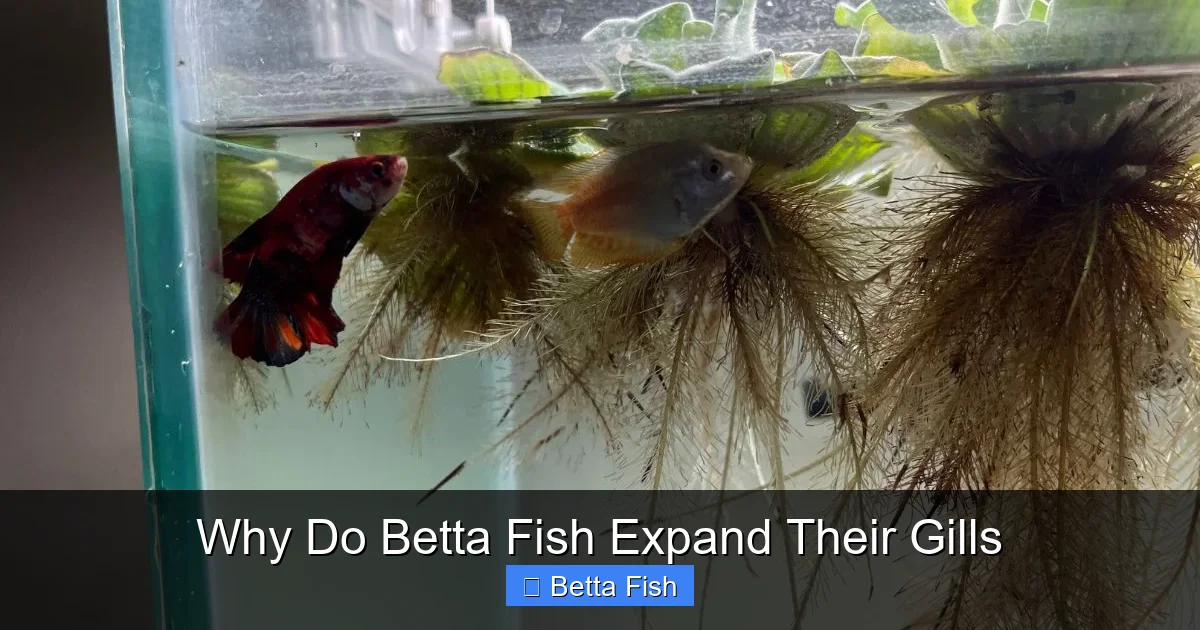
A quick flare that lasts a few seconds during a feeding or when a shadow passes is normal. If the gills stay expanded for minutes or hours, it’s a red flag.
Visual guide about Why Do Betta Fish Expand Their Gills
Image source: housedpet.com
3.2 Accompanying Behaviors
Watch for other signs: rapid swimming, hiding, loss of appetite, or faded colors. A healthy betta will quickly return to normal swimming after a flare. Persistent lethargy or loss of color, as covered in Why Is My Betta Fish Turning White, indicates a deeper issue.
3.3 Physical Appearance of the Gills
Healthy gills are pinkish and slightly translucent. Red, white, or cloudy gills suggest infection or parasites. If you see white patches on the gill filaments, act fast and treat the tank.
4. Practical Steps to Reduce Unwanted Gill Flaring
4.1 Optimize Water Quality
- Test weekly for ammonia, nitrite, nitrate, and pH.
- Perform 25‑30% water changes every week.
- Use a sponge filter to provide gentle flow without creating strong currents that stress bettas.
4.2 Ensure Adequate Oxygenation
- Place a small air stone near the surface.
- Adjust the filter outflow to create a subtle surface ripple.
- Keep water temperature between 76‑80°F (24‑27°C) for optimal oxygen solubility.
4.3 Create a Stress‑Free Environment
- Cover the tank to block outside reflections.
- Provide plenty of hiding spots—plants, caves, or silk leaves.
- Avoid sudden loud noises or vibrations near the aquarium.
4.4 Monitor Feeding Practices
Overfeeding can cloud the water, reducing oxygen levels. Feed small portions 2‑3 times a day and remove uneaten food within a few minutes. Learn more about proper nutrition in How Do You Feed A Betta Fish.
4.5 Temperature Stability
Use a reliable, adjustable heater with a thermostat. Place the heater away from the filter outlet to avoid temperature gradients. A stable temperature reduces the need for gill expansion caused by thermal stress.
5. When to Seek Professional Help
5.1 Signs of Severe Illness
If gill flaring is paired with:
- White or gray patches on the body or gills.
- Clamped fins and loss of buoyancy.
- Rapid weight loss or refusal to eat.
These are emergency signs. Contact a veterinarian who specializes in fish or a reputable aquarium store for treatment options.
5.2 Chronic Water Quality Issues
Even with diligent maintenance, some tanks develop persistent ammonia spikes. In such cases, consider a complete water change, deep cleaning of substrate, and possibly upgrading filtration.
Conclusion: Keeping Your Betta Comfortable and Confident
Understanding why do betta fish expand their gills empowers you to act quickly when something is off. Most flares are harmless—just a betta’s way of saying “I need more oxygen” or “I’m feeling threatened.” However, persistent or extreme gill expansion is a signal that you need to check water parameters, temperature, and overall tank setup.
By providing clean, well‑oxygenated water, stable warmth, and plenty of hiding places, you give your betta a calm environment where gill flaring becomes a rare, purposeful display rather than a constant stress response. Keep an eye on your fish, enjoy the beautiful displays, and you’ll enjoy a thriving betta for years to come.
Frequently Asked Questions
Why do betta fish expand their gills when I turn on the lights?
Sudden light can startle a betta, causing a brief stress response. The fish flares its gills as part of a defensive display, similar to when it flares its fins.
Can low oxygen levels cause my betta’s gills to stay flared?
Yes. Warm water holds less oxygen, and if the tank isn’t aerated enough, the betta will keep its gills open to draw more oxygen.
Is gill flaring a sign of disease?
It can be. If the flaring lasts for a long time, looks red or white, and is accompanied by other symptoms, it may indicate an infection or poor water quality.
Do betta fish need a heater to prevent gill expansion?
Betas need a stable temperature, usually around 78°F (25.5°C). A heater helps keep the water warm and consistent, reducing stress that can cause gill flaring.
How can I tell if my betta is flaring its gills due to aggression?
When a betta sees a rival (another fish, a reflection, or even a moving object), it will flare both its gills and fins, often accompanied by a sideways “show‑off” posture.
What should I do if my betta’s gills stay expanded for hours?
First, test water parameters and perform a partial water change. Add surface agitation to increase oxygen. If the condition persists, look for signs of disease and consider consulting a vet.


