Why Do Betta Fish Eyes Bulge
Betta fish eyes can bulge for several reasons, ranging from harmless genetics to serious health problems. By recognizing the signs, checking water quality, and providing proper care, you can prevent complications and keep your betta looking its best.
Key Takeaways
- Bulging eyes aren’t always fatal: Some bettas naturally have protruding eyes, especially certain varieties.
- Water quality is critical: Poor parameters are the top cause of eye swelling and infection.
- Watch for other symptoms: Cloudy eyes, loss of appetite, or strange swimming often signal a deeper issue.
- Prompt treatment works: Early use of aquarium‑safe antibiotics or salt dips can save an affected fish.
- Prevention beats cure: Regular water changes, proper diet, and stress‑free environments keep eyes normal.
- Know when to seek help: If you’re unsure, a vet or experienced hobbyist can give a quick diagnosis.
- Internal resources help: Related articles on eye health, color changes, and stress behaviors provide extra insight.
📑 Table of Contents
- Introduction: The Curious Case of the Bulging Betta Eye
- 1. Normal Anatomy vs. Abnormal Swelling
- 2. Common Medical Causes
- 3. Environmental Triggers
- 4. Stress‑Induced Behaviors That Affect the Eyes
- 5. Diagnosis and Treatment Steps
- 6. Prevention: Keeping Betta Eyes Bright and Healthy
- Conclusion: Seeing Clearly Into Your Betta’s World
Introduction: The Curious Case of the Bulging Betta Eye
If you’ve ever stared into the tiny, vivid world of a betta fish, you might have noticed that some of them have eyes that look like tiny marbles poking out of their heads. It can be a little unsettling, especially for new owners who wonder, why do betta fish eyes bulge?
Don’t panic just yet. In many cases, a slightly protruding eye is perfectly normal and part of the fish’s natural anatomy. However, there are several red flags that signal stress, disease, or environmental problems. This guide will walk you through the most common causes, how to spot the difference between “normal” and “trouble,” and what steps you can take to keep those beautiful orbs clear and healthy.
1. Normal Anatomy vs. Abnormal Swelling
What a “normal” betta eye looks like
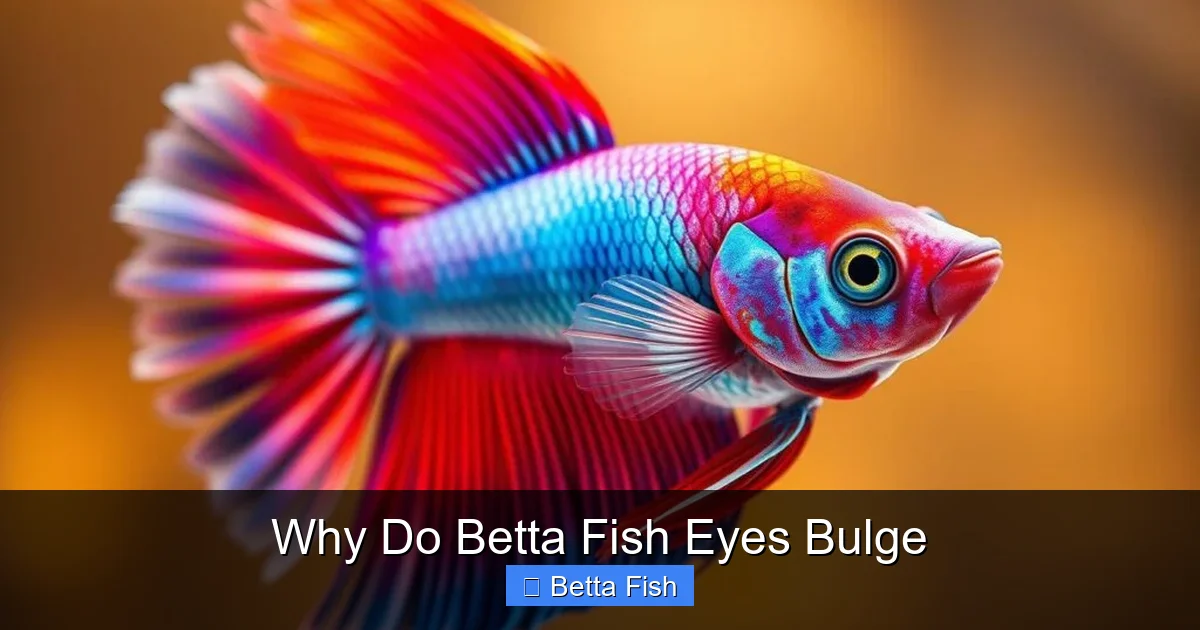
Betta fish belong to the Betta splendens species, which naturally have relatively large eyes compared to their body size. Some fancy varieties, like the Halfmoon or Crowntail, are bred for dramatic finnage and a more pronounced head shape, which can make the eyes appear a bit more forward‑projecting.
Visual guide about Why Do Betta Fish Eyes Bulge
Image source: animalslog.com
Key characteristics of a healthy eye:
- Clear, bright iris with a dark pupil.
- Even, smooth surface without cloudiness.
- No visible swelling or protrusion beyond the normal outline.
When the eye is truly bulging
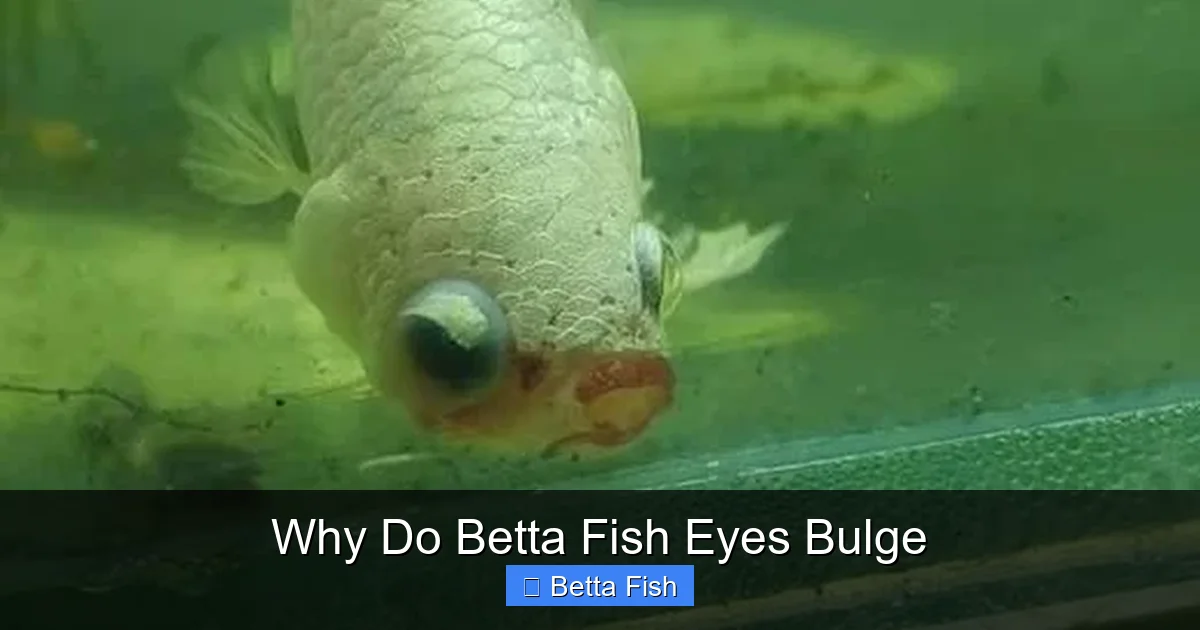
Bulging becomes a concern when the eye looks swollen, the pupil is obscured, or the eye seems to push forward more than usual. You might also notice a white or cloudy film, redness, or a watery discharge. These signs usually point to an underlying issue that needs attention.
2. Common Medical Causes
2.1. Bacterial or Fungal Infections
Infections are the #1 culprit behind abnormal eye swelling. Poor water quality, injuries, or stress can open the door for bacteria like Flavobacterium or fungi such as Saprolegnia to invade the delicate tissues around the eye.

Visual guide about Why Do Betta Fish Eyes Bulge
Image source: animalslog.com
Symptoms to watch for:
- White or yellow patches on the eye surface.
- Redness or inflamed skin near the eye.
- Rapid breathing or lethargy.
If you spot these, a short course of a broad‑spectrum aquarium antibiotic (e.g., Maracyn) combined with a 1‑2 % salt dip can help clear the infection.
2.2. Parasites
Protozoan parasites like Hexamita can cause eye swelling, especially in fry or stressed adults. The tell‑tale sign is a “puffy” appearance with a slightly cloudy cornea.
Treatment usually involves a medicated bath with metronidazole or a specialized anti‑parasitic product.
2.3. Physical Injury
A bump against tank décor, a fight with another fish, or even a careless net can bruise the eye. Bruised eyes often look swollen and may develop a small amount of blood or a white spot as they heal.
Give the fish a calm environment, reduce tank traffic, and monitor for secondary infection.
2.4. Internal Issues: Dropsy and Swim Bladder Disorders
While dropsy primarily causes abdominal swelling, fluid can sometimes accumulate around the eyes, making them look puffy. Swim bladder problems can also affect buoyancy, leading the fish to tilt in a way that makes the eyes appear more prominent.
Both conditions require immediate veterinary care; they are rarely resolved with home remedies.
3. Environmental Triggers
3.1. Water Quality Problems
Bad water is the silent killer of betta health. High ammonia, nitrite spikes, or a pH that’s too low/high can irritate the delicate eye membranes, causing them to swell.
Visual guide about Why Do Betta Fish Eyes Bulge
Image source: fishkeepingacademy.com
Test your water weekly. Aim for:
- Ammonia: 0 ppm
- Nitrite: 0 ppm
- Nitrate: < 20 ppm
- pH: 6.5‑7.5
Regular 25‑30 % water changes with conditioned water keep the environment stable.
3.2. Temperature Stress
Betta fish thrive at 76‑82 °F (24‑28 °C). Temperatures outside this range can weaken the immune system, making eyes more susceptible to infection. A sudden drop or rise can also cause the eye to “bulge” temporarily as the fish adjusts.
Use an aquarium heater with a reliable thermostat and a thermometer to maintain steady temperatures.
3.3. Inadequate Lighting
Too much bright light or direct sunlight can cause eye strain and swelling. Conversely, very dim lighting can increase stress and lead to abnormal behavior, including eye bulging.
Provide a gentle 8‑10 hour light cycle with a dimmable LED fixture.
4. Stress‑Induced Behaviors That Affect the Eyes
4.1. Flare and Aggression
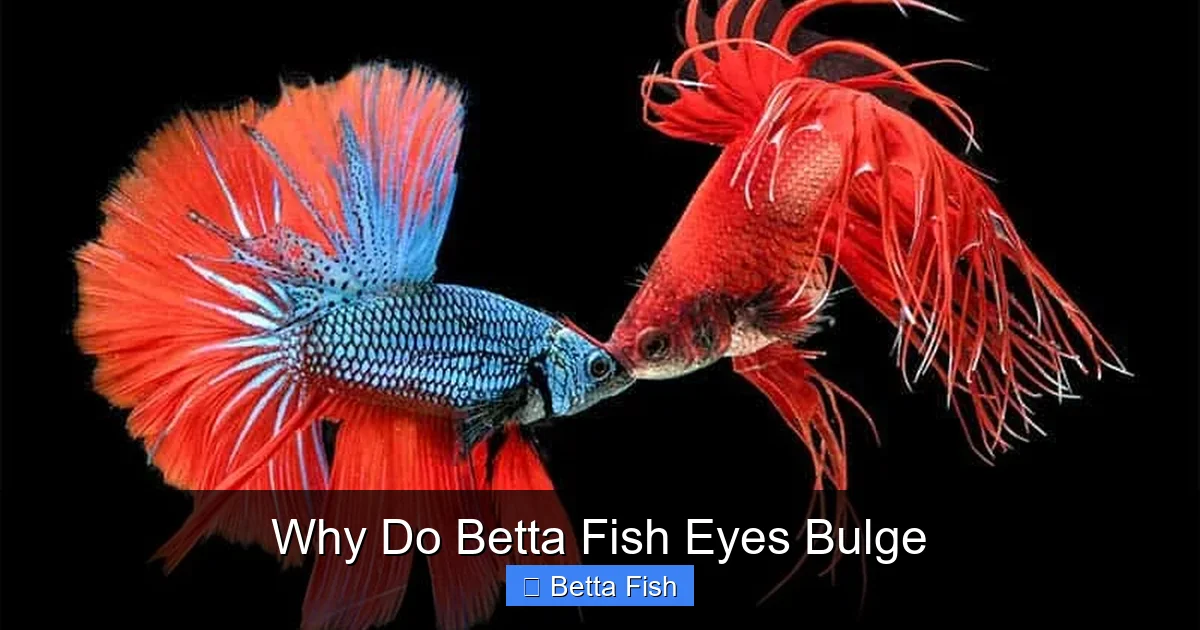
When a betta feels threatened, it will flare its gills and spread its fins. This defensive posture often includes a rapid eye movement that can make the eye appear larger. Chronic aggression—especially in a community tank—can keep the eyes constantly “on edge.”
Learn more about why betta fish flare in our article Why Do Betta Fish Flare.
4.2. Poor Tankmates
Betta fish are territorial. Introducing fast‑moving or fin‑nipping species can cause chronic stress, leading to eye swelling over time.
For advice on compatible companions, read Why Can Betta Fish Be With Other Fish.
4.3. Overcrowding and Lack of Hiding Spots
A cramped environment forces a betta to constantly defend its space, raising cortisol levels. Elevated cortisol can suppress the immune system, making infections (including eye problems) more likely.
Provide at least one plant or décor piece for the betta to hide behind.
5. Diagnosis and Treatment Steps
5.1. Quick Visual Check
1. Observe the eye from multiple angles.
2. Look for cloudiness, white patches, or discharge.
3. Note any other symptoms: loss of appetite, abnormal swimming, or discoloration.
5.2. Water Test First
Before treating the fish, test the water. If ammonia or nitrite is present, perform an immediate partial water change and add a detox product.
5.3. Isolate the Affected Betta
Move the fish to a hospital tank (2‑3 gallon) with clean, temperature‑matched water. This reduces stress and prevents the spread of disease.
5.4. Choose the Right Medication
- Bacterial infection: Maracyn‑Two (broad spectrum) for 5‑7 days.
- Fungal infection: Fungus‑Cure or a copper‑based medication.
- Parasite: Metronidazole bath (250 mg/L for 30 minutes, repeat daily for 3 days).
5.5. Salt Dip for Minor Swelling
A simple 1‑2 % aquarium salt dip (10 g of non‑iodized salt per liter) for 5‑10 minutes can reduce fluid buildup and help the eye return to normal size.
5.6. Monitoring and Follow‑Up
After treatment, keep a close eye (no pun intended) on the fish for another two weeks. Continue regular water changes and watch for any recurrence.
6. Prevention: Keeping Betta Eyes Bright and Healthy
6.1. Maintain Pristine Water
Invest in a good filter, test kits, and a reliable heater. Change 25 % of the water weekly, or more often if you notice a spike in parameters.
6.2. Balanced Diet
Feed high‑quality betta pellets supplemented with occasional frozen or live foods (brine shrimp, daphnia). A varied diet strengthens the immune system.
Check out How Do You Feed A Betta Fish for feeding schedules and tips.
6.3. Stress‑Free Environment
Provide plenty of vertical space, live or silk plants, and avoid bright, direct lighting. Keep tank mates to a minimum or none at all for the most aggressive bettas.
6.4. Routine Health Checks
Spend a few minutes each week watching your betta. Early detection of eye cloudiness or bulging can prevent serious disease.
6.5. Understand Species‑Specific Traits
Some betta strains, like the “Dragon” or “Halfmoon,” naturally have a more rounded head and eyes that look a bit more protruding. Knowing your fish’s variety helps you differentiate normal from abnormal.
Conclusion: Seeing Clearly Into Your Betta’s World
Now you know that the simple question, “why do betta fish eyes bulge,” opens a window into the health, environment, and daily care of these fascinating creatures. While a slight protrusion can be a normal trait, sudden swelling, cloudiness, or accompanying symptoms are warning signs that deserve swift action.
By keeping the water clean, temperature stable, and stress low, you give your betta the best chance to keep those eyes sparkling. And when problems do arise, a quick diagnosis, proper isolation, and targeted treatment can often turn a potential tragedy into a happy recovery.
Remember, a healthy betta is a happy betta—watch those eyes, and you’ll enjoy a vibrant, active companion for years to come.
Frequently Asked Questions
Why are my betta’s eyes bulging but not white?
Bulging without whiteness often indicates fluid buildup from stress or a mild infection. Check water parameters and consider a short salt dip.
Can a betta’s eyes become permanently swollen?
If the underlying cause isn’t treated, chronic swelling can lead to permanent damage. Early intervention usually restores normal appearance.
Do bettas with bulging eyes need a different diet?
Not a different diet, but a higher protein, nutrient‑rich diet can boost immunity and help recovery.
Is it safe to keep a betta with bulging eyes in a community tank?
Only if the cause is non‑infectious and water quality is excellent. Infections can spread, so isolation is recommended until the issue resolves.
How long does it take for a bulging eye to return to normal after treatment?
Most mild cases improve within 3‑5 days of proper treatment and water changes. Severe infections may take up to two weeks.
When should I consider taking my betta to a vet?
If the eye remains swollen after 48‑72 hours of treatment, or if you see loss of appetite, rapid breathing, or blackening of the eye, seek professional help.