Propeller Propeller
Rotate with Power, Conquer with Speed
Find the perfect propeller for your boat. Compare top options for speed, efficiency, and power. Get the best performance on the water with expert-engineered designs.
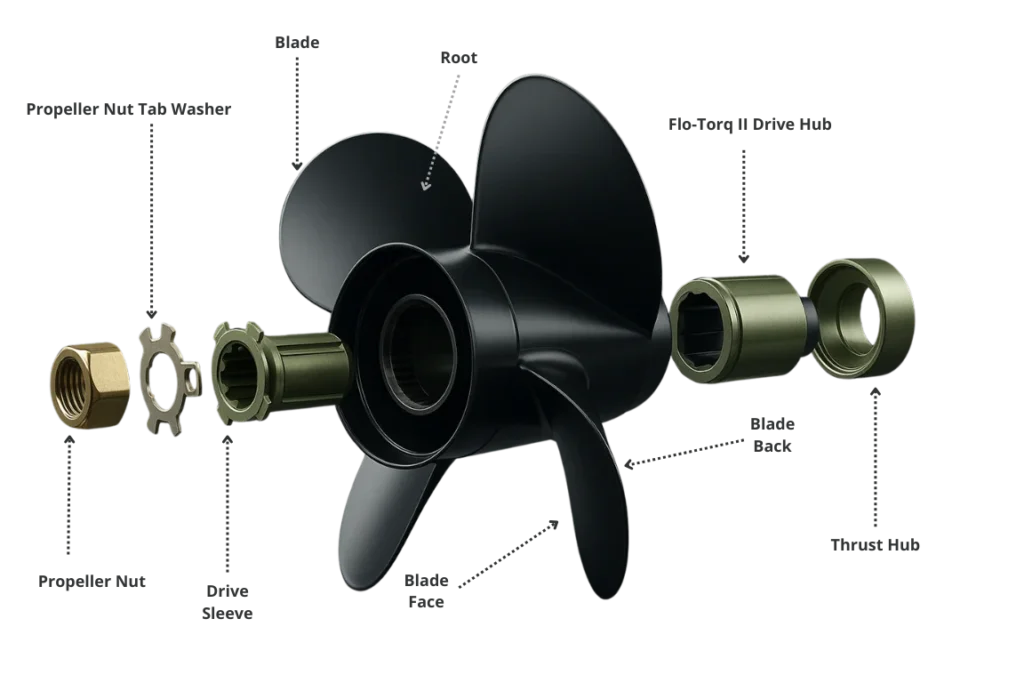
Prop By Engine
Get the Best Propellers by Engine

Do Betta Fish Like Air Pump Circulation

Do Betta Fish Like Air Filters

Do Betta Fish Like Acidic Water

Do Betta Fish Like a Lot of Space
Do Betta Fish Like 10 Gallon Tank

Do Betta Fish Like
Marine Circle
Join the Propeller Community
Connect with fellow boaters, share tips, and stay updated on the latest propeller reviews and upgrades. Get expert advice and exclusive offers to enhance your boating experience!

Pre-Purchase Guide
for your success
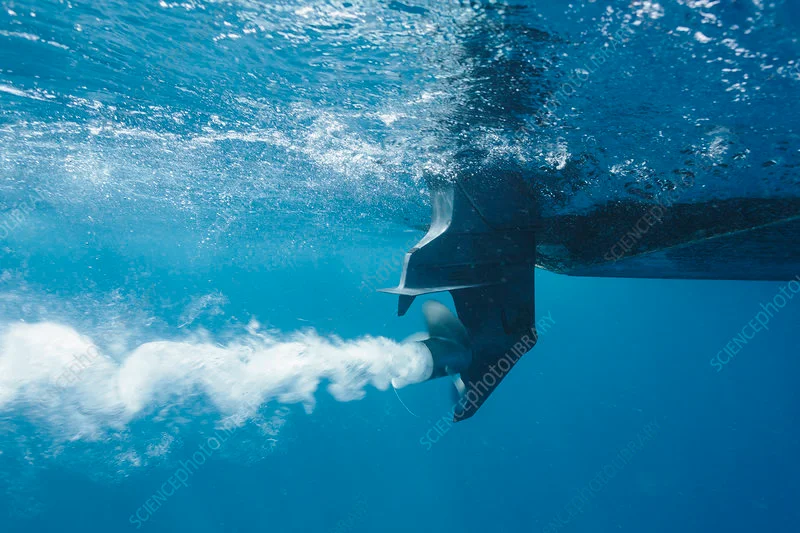
How to Choose the Right Propeller?
Choosing the right propeller is essential for optimal performance. The right propeller enhances speed, efficiency, and handling. Consider your boat type and usage to find the perfect fit for optimal performance.
Boat Type Matters
Sailboats need smaller propellers for minimal drag, powerboats require larger ones for speed and efficiency, and PWCs use high-performance propellers for agility and quick acceleration.
Pitch & Diameter
Pitch controls speed and efficiency, while diameter affects power and thrust. A higher pitch gives more speed but less acceleration, while a larger diameter adds power but can slow you down.
Material Choice
For casual boating, aluminum propellers good as they are affordable and easy to replace. Stainless steel propellers last longer, handle rough conditions better, and offer consistent performance.
Blade Count
A 3-blade prop offers good speed and efficiency, with less drag. A 4-blade prop provides better stability, smoother rides, and improved low-speed handling but may sacrifice some top speed.
Purpose of the Boat
For recreational activities, a medium-pitch, moderate-diameter prop provides smooth handling and quick acceleration. For commercial use, a larger, high-pitch prop delivers the power and performance
Weight and Load Capacity
Heavier boats need a lower-pitch, larger-diameter prop for more thrust. On the other hand, lighter boats use a higher-pitch, smaller-diameter prop for speed and efficiency.
Purchase Follow-Up
What’s Next After Buying a New Prop?
Use this short paragraph to write a supporting description of your list item. Remember to let your readers know why this list item is essential.
Installation
Ensure the prop is correctly installed by a professional or follow manufacturer instructions to avoid any damage
Test Run
Take the boat out for a test to make sure the prop performs well. Monitor the engine’s response, speed, and handling.
Maintenance
Regularly inspect the prop for damage, clean it after each use, and check for any debris that could affect performance.
Frequently Asked Questions
Explore the most common questions we receive to understand better how everything works and how to get the best experience with your propeller.
Speed, Lift, Control – It Starts Here.
From recreational boating to heavily loaded cargos, learn how different propellers power the water. Explore guides, tips, and handpicked selections by our team.
Quick Links
- Home
- About
- Contact Us
- Privacy Policy
Propeller Topics
- Boat Propellers
- Engine Propellers
- Basics
- Guide
- Maintenance
Precision in Every Spin
Browse expert picks, performance reviews, and maintenance tips to get the most out of your propellers – no engineering degree required! For inquiries, reach us at-
