The best temperature for a betta fish is a stable 78-80°F (25.5-26.5°C). This tropical species thrives in consistently warm water, which supports its immune system, metabolism, and vibrant colors. Fluctuations or temperatures outside this range cause stress, lethargy, and disease. Using a reliable aquarium heater and a separate thermometer is non-negotiable for betta care. Never guess the water temperature; accurate monitoring is key to your fish’s long-term health and happiness.
Key Takeaways
- Ideal Range: The optimal temperature for a betta fish is a stable 78-80°F (25.5-26.5°C). This range mimics their native Southeast Asian tropical waters.
- Stability is Paramount: Consistent temperature is even more critical than hitting the exact number. Sudden drops or spikes of even 2-3 degrees can cause dangerous temperature shock.
- Heater & Thermometer are Essential: A small, adjustable aquarium heater is mandatory. A separate, high-quality stick-on or digital thermometer is equally important for accurate readings.
- Cold Water is Dangerous: Water below 76°F slows metabolism, weakens the immune system, and makes bettas susceptible to fatal diseases like dropsy and fin rot.
- Hot Water is Harmful: Temperatures above 82°F accelerate metabolism, deplete oxygen, and can cause heat stress, leading to organ damage and a shortened lifespan.
- No “Room Temperature” Assumptions: Room temperature is rarely stable or warm enough. It fluctuates daily and seasonally, making it unsuitable for a betta tank without active heating.
- Acclimation Matters: When introducing a new betta or doing water changes, always float the bag or ensure new water is within 1-2 degrees of the tank temperature to prevent shock.
📑 Table of Contents
- Why Temperature Isn’t Just a Number: It’s a Lifeline for Your Betta
- The Goldilocks Zone: Pinpointing the Perfect 78-80°F Range
- The Dangers of Temperature Extremes: Cold Shock vs. Heat Stress
- Essential Equipment: Your Temperature Control Toolkit
- Maintaining a Stable Environment: Daily and Weekly Practices
- Seasonal Adjustments and Special Situations
- Conclusion: Your Commitment to a Warm, Stable World
Why Temperature Isn’t Just a Number: It’s a Lifeline for Your Betta
Imagine you’re wearing a heavy coat in a sauna, or shorts in a snowstorm. Your body would revolt. It’s the exact same for your betta fish. For these dazzling, personality-filled fish, water temperature isn’t a casual suggestion—it’s a fundamental pillar of health, second only to clean water. Bettas, scientifically known as Betta splendens, are tropical fish indigenous to the shallow, slow-moving streams, rice paddies, and warm ponds of Thailand, Cambodia, and Vietnam. These waters are consistently warm, typically sitting between 75°F and 85°F, with minimal daily fluctuation. Your betta’s entire physiology, from its labyrinth organ (which allows it to breathe air) to its digestive speed and immune response, is fine-tuned for this specific, stable thermal environment.
When we keep them in captivity, we are responsible for replicating that crucial aspect of their natural habitat. The “best temperature” isn’t a single magic number, but a stable range that allows their bodies to function without stress. Think of it like the perfect indoor climate for a human—not too hot, not too cold, and certainly not swinging wildly from one extreme to the other. Getting this right is the single most impactful thing you can do for your betta’s vitality, color intensity, and lifespan. A betta in the correct temperature will be an active explorer, with flaring fins and a hearty appetite. One in the wrong temperature will become listless, hide constantly, and quickly succumb to illness. Let’s dive deep into what that perfect thermal zone is, why it matters so much, and exactly how you, as a dedicated betta parent, can achieve and maintain it flawlessly.
The Goldilocks Zone: Pinpointing the Perfect 78-80°F Range
So, what is that “just right” temperature? After decades of collective hobbyist experience and veterinary guidance, the consensus is clear: 78-80°F (25.5-26.5°C) is the optimal, stable target range for a betta fish. This is the sweet spot where all their biological systems operate at peak efficiency. Let’s break down why this specific window is so ideal.
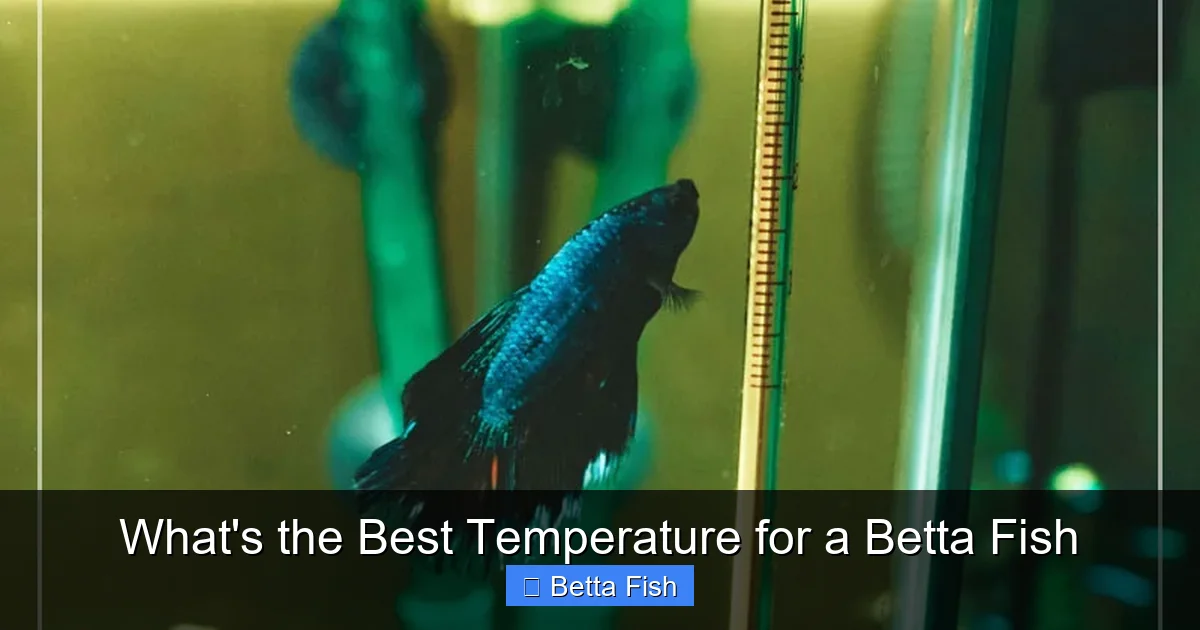
Visual guide about What’s the Best Temperature for a Betta Fish
Image source: smartaquariumguide.com
Metabolism and Digestion: Speed and Efficiency
As a cold-blooded (ectothermic) animal, a betta’s body temperature is the same as its surrounding water. This means its metabolic rate is directly controlled by the water’s warmth. At 78-80°F, a betta’s metabolism is humming along at a perfect pace. Food is digested efficiently (typically within 24-48 hours), nutrients are absorbed properly, and energy is readily available for swimming, flaring, and displaying. You’ll see a healthy betta eagerly greet you at the glass and actively hunt for food. Drop that temperature into the mid-70s, and digestion slows dramatically. Food can sit in their gut for 4-5 days, leading to constipation, bloating, and a dangerous condition called swim bladder disorder, where the fish struggles to maintain buoyancy and floats upside down or sinks. Conversely, temperatures consistently above 81°F speed up metabolism too much, causing the betta to burn energy rapidly, eat more, and produce more waste, which can degrade water quality faster and strain their system over time.
Immune System Function: Building a Fortress
A robust immune system is your betta’s primary defense against the countless pathogens (bacteria, parasites, fungi) that exist in even the cleanest aquariums. This immune response is temperature-dependent. Within the 78-80°F range, white blood cells are produced and function most effectively, creating a strong internal defense. This is why bettas kept at the correct temperature are far less likely to contract common diseases like ich, velvet, or fin rot. When the water is too cold, the immune system essentially goes into a slow, hibernation-like state. It’s not producing defenders at the necessary rate, leaving the fish vulnerable to opportunistic infections that can take hold and spread rapidly. This is the primary reason a betta kept in a cold bowl will almost inevitably get sick—it’s not a matter of if, but when.
Coloration and Fin Development: The Beauty Factor
Ever seen a betta that looks dull, faded, or has clamped fins (held tightly against the body)? Low temperature is a prime suspect. Bettas are famous for their spectacular colors and flowing fins. These traits are metabolically expensive to maintain. The vibrant pigments in their skin and the energy required to keep large, delicate fins in pristine condition both thrive in warm, stable water. In the optimal range, you’ll see maximum color expression—reds will be fiery, blues iridescent, and patterns sharp. Their fins will be fully extended and flowing, a clear sign of health and contentment. In cooler water, color often becomes muted or muddy as pigment production slows, and fins will frequently clamp as a sign of stress and poor circulation. Keeping your betta warm is one of the best ways to ensure they look as stunning as they were meant to.
Activity Level and Behavior: The Spark of Life
Bettas are curious, intelligent, and often interactive fish. You want to see your betta patrolling its territory, investigating plants and decor, and perhaps even responding to your presence. This level of activity requires energy and proper muscle function, both fueled by the right temperature. In the 78-80°F zone, your betta will have the vigor to be a “wet pet.” It will explore, build bubble nests (a sign of happiness and readiness to spawn, even without a mate), and display its beautiful fins. In cold water, bettas become lethargic, spending most of their time motionless at the bottom or hiding in the back corner of the tank. This isn’t just a personality quirk; it’s a physiological response to conserve energy in an environment that is too cool for their body to operate normally. You are quite literally warming up their world to bring out their true, active personality.
The Dangers of Temperature Extremes: Cold Shock vs. Heat Stress
Understanding the ideal range is only half the battle. Knowing the catastrophic effects of falling outside that range is equally important. Both cold and heat are enemies, but they attack in different ways.
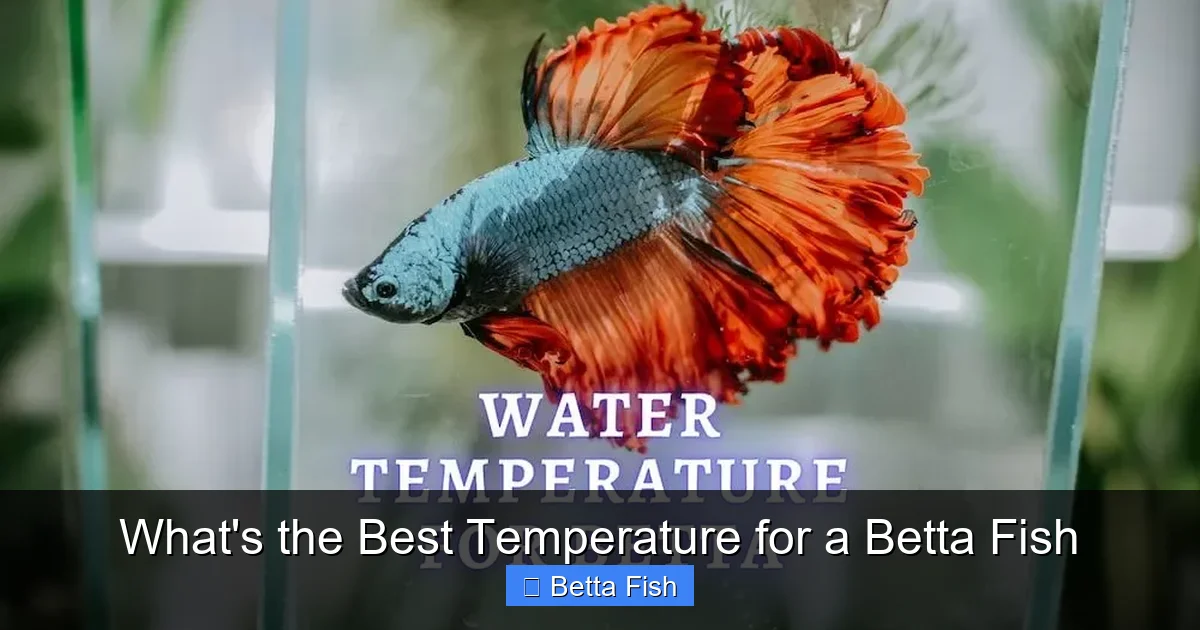
Visual guide about What’s the Best Temperature for a Betta Fish
Image source: img.thepets.net
Cold Water: The Slow Killer
Water that is too cold (consistently below 76°F, or acutely below 74°F) initiates a cascade of problems. First, as discussed, metabolism and digestion grind to a halt. Next, and more critically, the immune system collapses. The fish becomes a sitting duck for diseases like dropsy (a severe symptom of internal bacterial infection causing pinecone-like scales), fin rot, and columnaris. These are not just minor ailments; they are often fatal without aggressive, immediate treatment, which is difficult on a weakened fish. Cold water also holds more dissolved oxygen, but a cold betta’s blood is less efficient at transporting that oxygen, paradoxically leading to respiratory stress. You might see your betta gasping at the surface, not because of low oxygen in the water, but because its body can’t utilize what’s there. The most insidious part? This decline can be slow. Your betta might just seem “a bit quiet” for weeks before a sudden, severe illness strikes, making it hard to connect the cause (the cold) to the effect (the disease).
Hot Water: The Accelerant
Water that is too hot (consistently above 82°F, acutely above 84°F) presents a different set of dangers. The immediate issue is oxygen depletion. Warm water holds significantly less dissolved oxygen than cooler water. Simultaneously, the betta’s accelerated metabolism demands more oxygen. This creates a lethal mismatch. Your betta will gasp at the surface, its gills moving rapidly, not because it’s sick, but because it’s literally suffocating in warm, oxygen-poor water. Heat also directly stresses fish cells and organs. Prolonged exposure to high temperatures can lead to organ failure, particularly affecting the liver and kidneys. It can also exacerbate existing parasites like Velvet or Ich, as their life cycles speed up dramatically in warmer water, making outbreaks more severe and difficult to control. Furthermore, extreme heat can cause your betta to become hyperactive and erratic, bouncing off decorations, which can lead to physical injury.
The Silent Killer: Temperature Fluctuation
Perhaps the most common and deadly issue for new betta owners is temperature fluctuation. This isn’t necessarily about the absolute number on the thermometer at any given moment, but how much it changes throughout the day or night. A tank that drops from 80°F during the day to 74°F at night because of room temperature changes, or that spikes when a sunny window beats down on it, is inflicting constant, repeated temperature shock on your fish. This chronic stress is a direct path to a compromised immune system and disease. Stability is the keyword. A steady 78°F is infinitely better than a fluctuating 76-80°F range. Your goal is a thermostat-controlled, unchanging environment.
Essential Equipment: Your Temperature Control Toolkit
You cannot manage what you do not measure. Relying on “room temperature” or your hand to judge water warmth is a recipe for disaster. Building a proper temperature control setup is simple and affordable, and it starts with two non-negotiable tools.
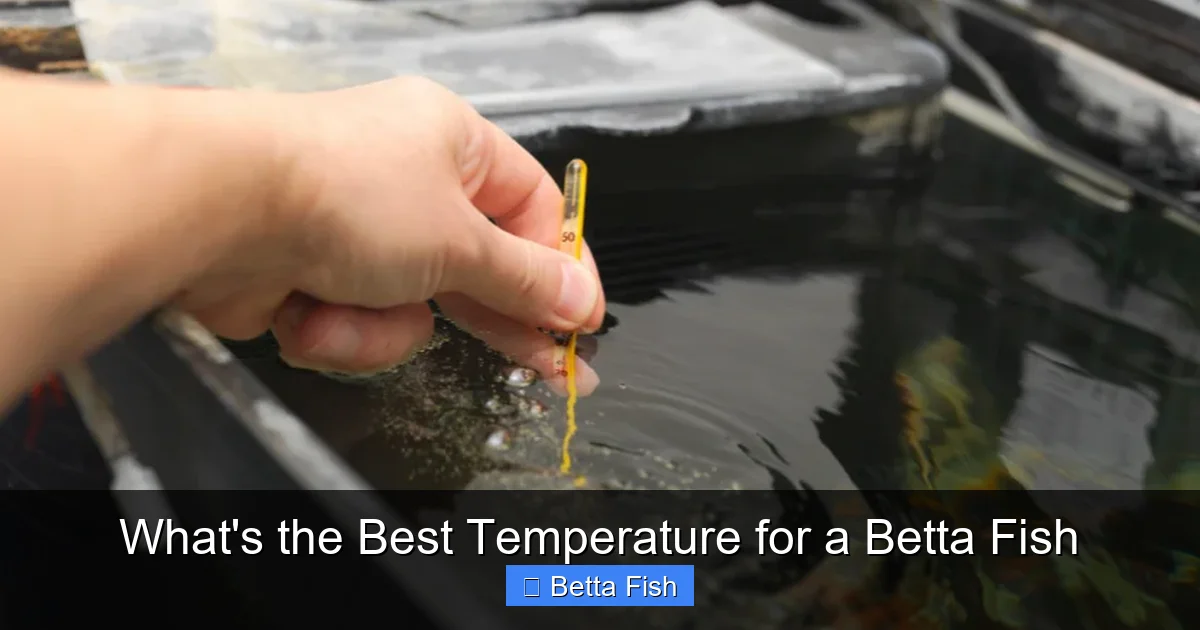
Visual guide about What’s the Best Temperature for a Betta Fish
Image source: japanesefightingfish.org
1. The Aquarium Heater: Your Betta’s Personal Sunlamp
For any tank under 5 gallons, you need a submersible aquarium heater. For a standard 2.5-5 gallon betta tank, a 25-watt heater is typically sufficient. Look for one with an adjustable thermostat (not just a preset “on/off” model) so you can dial in your precise target. Key features to seek:
- Fully Submersible: Can be placed entirely underwater.
- Shut-Off Protection: Automatically turns off if removed from water or if water level drops.
- Indicator Light: Shows when it’s actively heating.
Placement Tip: Place the heater near a filter outlet or water circulation source to distribute the warm water evenly throughout the tank and prevent “hot spots” directly around the heater. Ensure it’s fully submerged according to the manufacturer’s minimum water line marking.
2. The Aquarium Thermometer: Your Objective Truth-Teller
The built-in thermometer on your heater is notoriously inaccurate. You must have an independent, reliable thermometer. Your best options are:
- Digital Stick-On Thermometers: Adhesive strips that stick to the outside glass. They are accurate, easy to read, and inexpensive. Place them on the side of the tank away from direct light and heater for the most representative reading.
- Floating/Submersible Digital Thermometers: These are placed inside the tank and provide a direct, digital readout. They are very accurate but can be slightly more expensive.
- Glass Tube Thermometers: The classic liquid-filled type. They work well if placed correctly (away from heater) and read regularly.
Never use your hand. Our skin temperature is not calibrated to judge water temperature accurately, especially in the narrow range bettas require. What feels “lukewarm” to you could be dangerously cold for your fish.
3. The Backup Plan: Power Outage Considerations
If you live in an area with frequent power outages, you need a contingency plan. A sudden loss of heating in winter can cause a rapid, fatal temperature drop. Options include:
- Battery-Powered Air Pumps with Diffusers: While they don’t heat, the air movement can help slightly with gas exchange and prevent total stagnation.
- Insulating the Tank: Wrapping the tank in blankets or foam can slow heat loss significantly during a short outage.
- Chemical Heat Packs: Hand warmers designed for outdoor use can be wrapped in a cloth and floated in the tank (ensuring no leakage) to provide emergency heat for several hours. Always monitor temperature closely if using these.
Maintaining a Stable Environment: Daily and Weekly Practices
Having the right gear is step one. Using it correctly and maintaining stability is an ongoing practice. Here’s how to integrate temperature management into your routine care.
Setting and Monitoring Your Heater
Once you have your heater and thermometer, set the heater dial to achieve a reading of 78-80°F on your independent thermometer. Do not set it and forget it for months. Check the temperature daily when you feed your betta. Make a mental note or a quick log. If the reading is creeping up or down, adjust the heater dial by 1/4 turn and check again in an hour. Heaters can become less accurate over time or if the tank is moved. Seasonal changes in room temperature will also require minor adjustments—you may need to turn the heater down slightly in a hot summer and up slightly in a cold winter.
The Critical Water Change Protocol
Water changes are the #1 moment when temperature shock occurs. Never, ever pour cold tap water or hot tap water directly into the tank. The new water must be temperature-matched to the existing tank water.
- Prepare Your Water: Fill your clean bucket with the appropriate amount of water for the change (e.g., 25-50%).
- Condition the Water: Add your water conditioner/dechlorinator as directed.
- Match the Temperature: Use your thermometer to check the new water. It must be within 1-2°F (0.5-1°C) of your tank’s current temperature. If it’s too cold, you can add a little warm (never boiling) tap water from the hot side of your sink (run it first to ensure it’s not scalding). If it’s too warm, add a little cold tap water. Mix well and recheck.
- Slow Introduction: Pour the new water slowly into the tank, ideally over 15-30 minutes, to allow for a gentle, gradual temperature equalization.
Location, Location, Location: Tank Placement
Where you put the tank has a massive impact on temperature stability.
- Avoid Drafts: Keep away from air conditioning vents, open windows, and frequently opened doors.
- Avoid Direct Sunlight: This is a major no-no. Sunlight will cause rapid, uncontrollable heating and algae blooms. It acts like a powerful, unregulated heater.
- Avoid Heat Sources: Keep away from radiators, fireplaces, and space heaters.
- Interior Rooms are Best: A spare bedroom or living room interior tends to have the most stable ambient temperature.
Seasonal Adjustments and Special Situations
Your job isn’t done once you set the heater in spring. You must be a thermostat for your betta’s world throughout the year and during special events.
Winter vs. Summer: The Thermostat Dance
As seasons change, your home’s ambient temperature shifts. In winter, a room that was 72°F might drop to 65°F at night. Your heater will work harder to maintain 79°F, which is fine—that’s its job. Just monitor more frequently to ensure it’s keeping up. In summer, a room that was 75°F might climb to 85°F with air conditioning off. Here, your heater may not need to run at all, or you may need to turn it off entirely if the room stays consistently above 78°F. However, be cautious: if you use air conditioning, it can cause rapid overnight cooling. Your thermometer is your guide. Let it dictate your heater setting, not the calendar.
Travel and Short Absences
Leaving for a weekend? Your stable setup should handle 3-4 days without intervention, provided the tank is healthy and the heater/thermometer are working. For longer absences (1+ weeks):
- Have a Trusted Friend Check: Give them clear instructions: “Check the thermometer. It must read between 78 and 80. Do not adjust anything. Just tell me the number.”
- Consider a Thermostat Controller: For ultimate peace of mind, invest in an external thermostat controller (like an Inkbird). You plug your heater into it, and it uses its own separate probe to control the heater with extreme precision, acting as a backup to the heater’s internal thermostat.
- Do NOT Lower the Temperature: Some think lowering the temp slows metabolism so the betta needs less food. This is dangerous. The stress of being cold outweighs any minor metabolic benefit. Keep it in the optimal range and ensure your friend doesn’t overfeed.
Hospital Tanks: A Slightly Different Approach
If you have a betta in a separate hospital/quarantine tank being treated for an illness, your temperature strategy might shift slightly. For many parasitic infections like Ich or Velvet, raising the temperature to 82-84°F (with extreme caution and monitoring) can speed up the parasite’s life cycle, making them more vulnerable to medication. This is a targeted treatment tactic, not a permanent setting. It should only be done under guidance (from a vet or reputable source) and with vigilant oxygen monitoring, as the higher temperature reduces oxygen levels. For most other treatments (bacterial, fungal), the standard 78-80°F is best to support the immune system without added stress.
Conclusion: Your Commitment to a Warm, Stable World
Owning a betta fish is a commitment to replicating a specific slice of the tropical world. That world is defined by a consistent, warm embrace of 78-80°F. This temperature range is the bedrock upon which every other aspect of your betta’s health is built—robust immunity, efficient digestion, brilliant color, and playful behavior. Investing in a quality, adjustable heater and a separate, accurate thermometer is not optional; it is the foundational equipment for responsible betta care. From there, your role is that of a vigilant steward: checking the temperature daily, matching water during changes, and positioning the tank wisely to avoid environmental swings. Remember, stability trumps perfection. A steady 77°F is far better than a fluctuating 78-80°F range. By mastering this single, critical environmental parameter, you are not just keeping a fish alive; you are providing the conditions for your betta to truly thrive, displaying the full extent of its beauty and personality for years to come. Your betta’s health is in your hands, and it starts with the thermostat.
Frequently Asked Questions
Can betta fish live in cold water without a heater?
Technically, they can survive for a time in cooler water (like 72°F), but they will not thrive. Their immune system will weaken significantly, digestion will slow, and they will become lethargic and prone to fatal diseases. A heater is essential for long-term health and a good quality of life.
What are the signs my betta is too cold?
Look for lethargy (laying at the bottom, not moving much), loss of appetite, clamped fins (held tightly against the body), faded or dull colors, and frequent hiding. If you suspect cold stress, check your thermometer immediately and adjust your heater.
Is a heater necessary for a 1-gallon betta tank?
Yes. Small volumes of water (like in a 1-gallon tank) experience temperature swings much more rapidly and severely than larger volumes. A small, adjustable heater is absolutely necessary to maintain a stable temperature in any betta tank under 5 gallons.
How do I safely acclimate my new betta to my tank’s temperature?
After floating the bag to equalize temperature, also ensure the water inside the bag is within 1-2 degrees of your tank water before fully releasing the betta. You can add a small amount of your conditioned tank water to the bag every few minutes during the float to help with both temperature and water parameter acclimation.
My heater is on, but the temperature is still low. What’s wrong?
First, check your independent thermometer—the heater’s built-in gauge is often inaccurate. If the thermometer confirms it’s too cold, your heater may be too small for the tank size, it could be faulty, or the room temperature might be dropping below the heater’s capacity. You may need a more powerful heater or to insulate the tank better.
Can the water get too hot from my aquarium light?
Yes, especially with incandescent or halogen bulbs that generate significant heat, or with powerful LED lights placed very close to the water surface in a small tank. This can create a dangerous “hot spot.” Always use a thermometer to check the actual water temperature, not just assume the light isn’t affecting it. Consider using a light that rests on the tank rim rather than submerged clips if heat is a concern.