Why Do Betta Fish Disappear
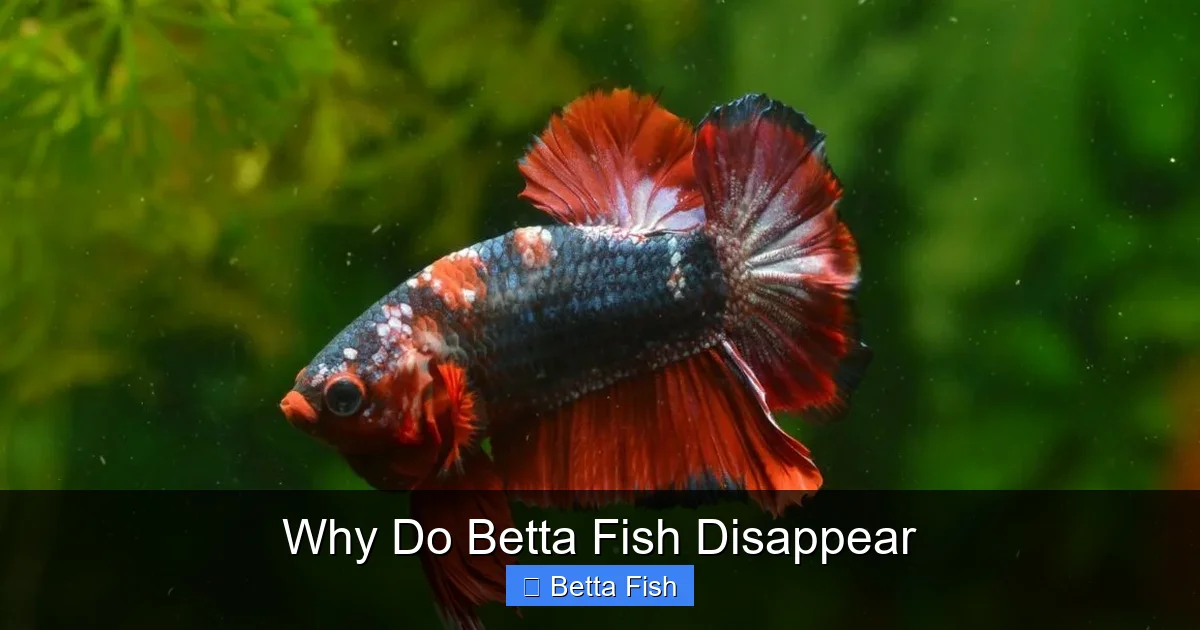
Betta fish can vanish from their tanks for many reasons, from hidden health issues to simple tank habits. Understanding water quality, tank setup, and fish behavior helps prevent disappearances and ensures a happy, healthy betta.
Key Takeaways
- Water quality matters: Poor parameters can stress or kill bettas, making them seem to disappear.
- Tank design can hide fish: Decorations, plants, and covers create hiding spots.
- Health issues are a silent cause: Disease, parasites, or internal injuries may cause sudden loss.
- Jumping is common: Betta fish often leap out of tanks if they feel threatened or cramped.
- Proper feeding prevents stress: Over‑ or under‑feeding can lead to digestive problems and loss of appetite.
- Regular monitoring saves lives: Daily checks of temperature, pH, and behavior catch problems early.
- Know when to seek help: If you notice rapid changes, consult a specialist or reputable guide.
📑 Table of Contents
Introduction: When Your Betta Vanishes
Imagine you’re checking your fish tank after a busy day, and your betta is nowhere to be seen. No bubbles, no flaring fins, just an empty space where your colorful companion usually darts about. It’s a heart‑stopping moment that many betta owners experience. The question that instantly pops into your mind is, “why do betta fish disappear?”
Don’t panic just yet. In most cases, the answer isn’t a mysterious vanishing act but a combination of simple, fixable issues. This guide walks you through the most common reasons, practical prevention steps, and what to do if your betta truly goes missing.
1. Water Quality Issues
Bad Parameters Hide the Truth
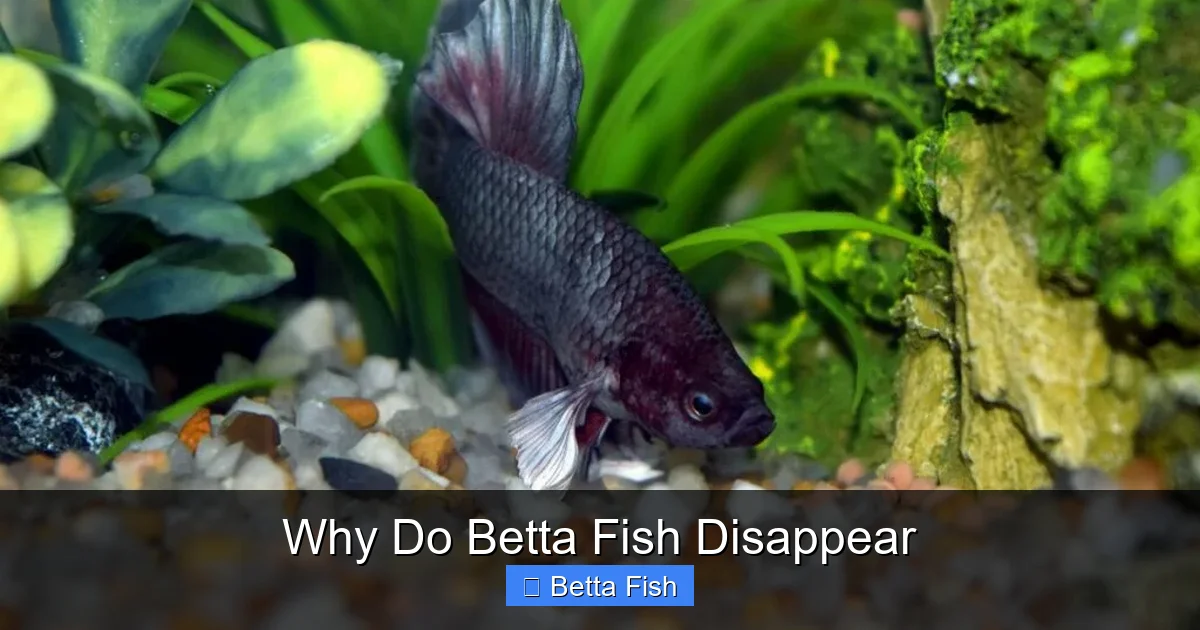
Betta fish are surprisingly sensitive to water conditions. High ammonia, nitrite spikes, or a pH that’s too low can cause rapid stress. A stressed betta may become lethargic, hide under decorations, or even die silently at the bottom, giving the illusion that it has disappeared.
Visual guide about Why Do Betta Fish Disappear
Image source: thepetstome.com
How to Test and Fix
- Invest in a reliable test kit (ammonia, nitrite, nitrate, pH).
- Perform partial water changes of 25‑30% weekly.
- Use a gentle water conditioner to neutralize chlorine and chloramines.
Keeping parameters stable not only prevents disappearances but also promotes vibrant colors and active swimming.
2. Tank Setup and Hiding Spots
Decor Can Turn Into a Hide‑and‑Seek Game
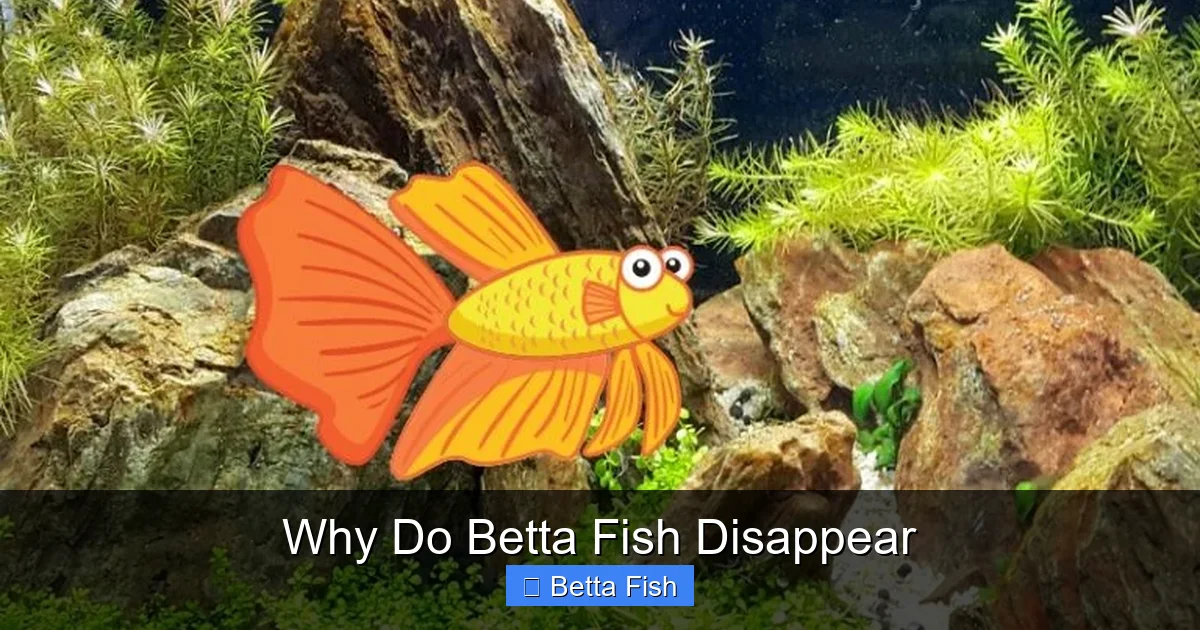
Live plants, caves, and driftwood provide essential enrichment, but they also create perfect hideaways. A betta may tuck itself into a dense leaf cluster to feel safe, especially if it’s shy or new to the tank.
Visual guide about Why Do Betta Fish Disappear
Image source: infishtank.com
Tips for a Betta‑Friendly Layout
- Choose open‑bottomed caves that allow easy observation.
- Space decorations so the betta can swim freely.
- Use a clear background (glass or acrylic) to see every corner.
When you suspect a hiding betta, gently tilt the tank and shine a soft flashlight from the side. You’ll often spot the fish peeking out.
3. Health Problems and Silent Death
Illness Can Appear as Disappearance
Some diseases, like Ich or velvet, start with subtle signs—loss of appetite, slight color fading, or occasional surface gasping. If untreated, the fish may succumb quickly, leaving no obvious carcass.
Visual guide about Why Do Betta Fish Disappear
Image source: flyfishfinesse.com
Recognizing Early Warning Signs
- Frequent flaring without a clear trigger.
- White patches, black spots, or fuzzy growths.
- Changes in swimming pattern—floating, sinking, or swimming sideways.
For a deeper dive into health clues, see our guide on how to know if your betta fish is dying. Early detection and treatment can save a fish that might otherwise seem to have vanished.
4. Jumping Out of the Tank
Why Betta Fish Leap
Betta fish are natural jumpers. They may jump when startled by sudden movements, loud noises, or aggressive tank mates (even other small fish). A poorly covered tank makes this a real risk.
Preventing Unwanted Escapes
- Always use a secure lid with a tight seal.
- Place the tank away from windows or high‑traffic areas.
- Provide plenty of hiding places to reduce stress.
Curious about other reasons bettas might leave the water? Check out our article on why did my betta fish jump out of the tank for more details.
5. Feeding Mistakes
Overfeeding vs. Underfeeding
Both extremes can lead to problems. Overfeeding creates excess waste, raising ammonia levels. Underfeeding weakens the immune system, making the fish more prone to disease.
Feeding Best Practices
- Offer a pinhead amount of high‑quality betta pellets 2‑3 times a day.
- Remove uneaten food after 5 minutes.
- Supplement with occasional frozen or live foods for variety.
For specific feeding guidance, read how do you feed a betta fish.
6. Temperature Fluctuances
Heat Is Not Just About Comfort
Betta fish thrive in water that stays between 76°F and 82°F (24‑28°C). Sudden drops can cause shock, while overheating can speed up bacterial growth, both leading to rapid decline.
Maintaining Stable Temperatures
- Use a reliable aquarium heater with an adjustable thermostat.
- Check the temperature twice daily with a calibrated thermometer.
- Avoid placing the tank near drafts, air conditioners, or direct sunlight.
Consistent warmth keeps your betta active and reduces the chance of an unexpected disappearance.
7. Stress From Incompatible Tank Mates
Betta’s Territorial Nature
While some hobbyists successfully keep bettas with peaceful species, many others see their betta become stressed, hide, or even die from constant harassment. This stress can make the fish appear to have vanished.
Choosing the Right Companions
- Only consider community tanks if the betta is a female or a very calm male.
- Use a tank of at least 20 gallons with plenty of visual barriers.
- Observe for signs of flaring, chasing, or loss of color.
For a deeper look at betta compatibility, see why can’t betta fish live together.
Conclusion: Solving the Mystery
When a betta fish seems to disappear, the cause is usually something you can address with a bit of observation and proper care. By monitoring water quality, providing a secure and enriched environment, feeding correctly, and watching for health signs, you dramatically lower the risk of a sudden loss.
Remember, a vigilant owner catches problems early. Keep a simple checklist, perform regular water tests, and maintain a calm tank environment. If you ever feel stuck, don’t hesitate to revisit our detailed guides or seek advice from experienced hobbyists. Your betta’s next “where did you go?” moment will most likely be a happy surprise when it pops out from behind a leaf, not a tragic mystery.
Frequently Asked Questions
Why is my betta not showing up in the tank?
Betta fish often hide under plants or decorations when they feel stressed or are adjusting to a new environment. Check for hidden spots and ensure the water parameters are stable.
Can bettas jump out of their tanks?
Yes, bettas are natural jumpers. A secure lid and a calm environment help prevent accidental escapes.
What water conditions cause a betta to disappear?
High ammonia, nitrite spikes, or a pH far from 6.5‑7.5 can stress a betta, leading it to hide or become ill, which may look like disappearance.
How quickly can a sick betta die without warning?
Some diseases progress rapidly, especially if water quality is poor. Early signs include loss of color, flaring, or unusual swimming. Prompt treatment is essential.
Is it normal for a betta to stop moving?
Occasional rest is normal, but prolonged inactivity can indicate illness, poor water conditions, or temperature stress.
What should I do if I think my betta jumped out?
Check the surrounding area for a wet spot, and ensure the tank lid is secure. If the fish is found, assess for injuries and improve tank security.