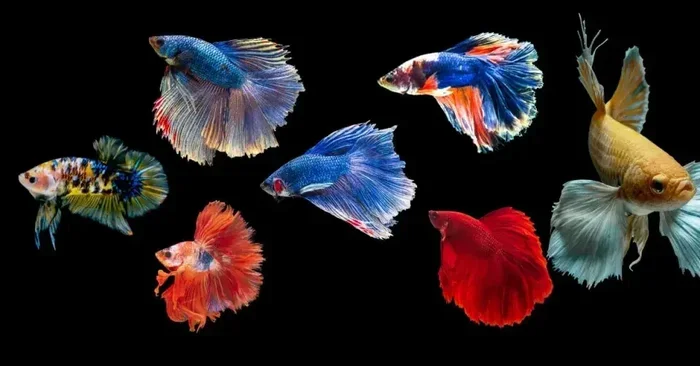
How Often Should I Change My Bettas Fish Water

Changing your betta fish water regularly is one of the most important things you can do for your pet’s health. Most experts recommend doing a 25-50% partial water change every 1-2 weeks. In this guide, you will learn the best schedule, techniques, and tips for keeping your betta’s aquarium water quality top-notch.
Key Takeaways
- Change water every 1-2 weeks: A consistent schedule keeps ammonia and nitrate levels safe for your betta.
- Do partial water changes: Replace 25-50% of the water each time to preserve beneficial bacteria.
- Use water conditioner: Always treat tap water before adding it to your betta tank.
- Monitor water parameters: Test pH, ammonia, nitrite, and nitrate levels regularly.
- Clean the filter gently: Rinse filter media in old tank water to protect helpful bacteria.
- Watch for warning signs: Cloudy water, odors, and sluggish behavior signal it is time for a change.
- Match water temperature: Keep new water close to tank temperature to avoid stressing your betta.
📑 Table of Contents
- How Often Should I Change My Bettas Fish Water
- Why Regular Water Changes Matter for Your Betta
- How Often to Change Your Betta Fish Water
- How to Properly Change Your Betta Fish Water
- Common Mistakes to Avoid During Water Changes
- Tips for Keeping Your Betta’s Water Clean Between Changes
- Expert Insights on Betta Water Management
- Conclusion
How Often Should I Change My Bettas Fish Water
If you own a betta fish, you already know how beautiful and full of personality these little creatures are. But keeping them healthy requires more than just a pretty tank. One of the biggest factors in betta fish care is maintaining clean water. So, how often should I change my bettas fish water? The short answer is every 1 to 2 weeks. But the full answer involves a few more details that every betta owner should know.
In this comprehensive guide, we will walk you through everything about betta fish water change schedules, techniques, and best practices. You will learn how to keep your betta’s habitat safe, comfortable, and thriving. Whether you are a new betta parent or a seasoned hobbyist, this article has something valuable for you.
Let us dive right in and make sure your betta always lives in the best possible conditions.
Why Regular Water Changes Matter for Your Betta
Your betta fish lives in a small world you created for them. That world is their water. Unlike larger bodies of water, a fish tank does not naturally clean itself. Everything your betta produces goes straight into that water. This includes waste, leftover food, and even chemicals from their environment. Over time, these pollutants build up and become dangerous.
The Problem with Dirty Water
Fish waste breaks down into harmful substances like ammonia, nitrite, and nitrate. Even small amounts of ammonia can burn your betta’s fins and damage their gills. High nitrate levels weaken their immune system over time. Your betta might seem fine at first, but long-term exposure to poor water quality leads to disease and even death.
Dirty water also affects how your betta behaves. A fish living in contaminated water will often become sluggish, stop eating, or hide more than usual. These are not signs of a lazy fish. They are signs of a fish that is struggling to survive.
Benefits of Clean Water
On the flip side, clean water does amazing things for your betta. Here are some of the key benefits:
- Better color: Betta fish display their brightest colors when they feel safe and comfortable.
- Stronger immune system: Clean water helps your betta fight off illness naturally.
- More energy: A healthy betta swims actively and explores its tank.
- Longer lifespan: Betta fish can live 3 to 5 years or more with proper care.
- Less stress: Stable water conditions keep your betta calm and happy.
Regular tank maintenance is the foundation of all of these benefits. Without it, even the most expensive filter and the best food cannot save your fish.
How Often to Change Your Betta Fish Water
Now let us get to the big question. How often should you actually change the water? The answer depends on a few factors, including tank size, whether you have a filter, and how many fish are in the tank. Let us break it down.
The General Rule of Thumb
For most betta fish owners, a partial water change of 25 to 50 percent every 1 to 2 weeks works best. This schedule removes harmful waste without disrupting the helpful bacteria that live in your tank. Those bacteria are essential because they break down ammonia and nitrite into less harmful substances.
If you wait too long between changes, waste builds up faster than bacteria can handle. If you change too much water at once, you risk killing those beneficial bacteria and causing water parameter swings that stress your betta.
Different Tank Setups, Different Schedules
Not every betta tank is the same. Here is a quick comparison to help you figure out the right schedule for your setup:
- Small bowls (under 2 gallons): Change 50-100% of the water every 3-4 days. Small volumes get dirty very fast.
- Standard tanks (5-10 gallons) with filter: Change 25-50% of the water every 1-2 weeks.
- Larger tanks (20+ gallons) with filter: Change 20-30% every 2 weeks. Larger volumes are more stable.
- Tanks without a filter: Change 30-50% every 5-7 days. You need to compensate for the lack of filtration.
These are general guidelines. You should always test your water to confirm. A test kit will show you exactly where your ammonia, nitrite, and nitrate levels stand. For more detailed guidance on water change methods, check out our article on how often to change water for betta fish.
Signs Your Betta Needs a Water Change
Sometimes life gets busy and you forget to follow the schedule. That is okay, but watch for these warning signs:
- Cloudy water: This often means bacterial bloom or excess waste in the water.
- Bad smell: If the tank smells foul, waste has built up significantly.
- Algae growth: Green algae on glass and decorations signals nutrient overload.
- Behavior changes: A betta that gasps at the surface or hides constantly may be uncomfortable.
- Visible waste: Uneaten food and debris sitting on the substrate need immediate attention.
If you notice any of these, do a water change right away. Do not wait for your next scheduled change. Your betta’s health depends on quick action.
How to Properly Change Your Betta Fish Water
Knowing when to change the water is only half the battle. You also need to do it correctly. A rushed or careless water change can do more harm than good. Here is a step-by-step guide to doing it right.
Step 1: Gather Your Supplies
Before you start, make sure you have everything ready:
- A clean bucket or container dedicated to tank use only
- Water conditioner or dechlorinator
- A gravel vacuum or siphon
- A thermometer to check temperature
- Fresh, room-temperature water
Never use soap or chemical cleaners on any tank equipment. Even tiny residue traces can harm your betta. Also, if you are using tap water, make sure to address whether it is safe. You can read more about this in our guide on can I use tap water in my betta fish bowl.
Step 2: Remove Debris and Waste
Use a gravel vacuum to siphon debris from the substrate. Focus on areas where food tends to collect, like near decorations and corners. This step physically removes waste before it breaks down into toxic compounds. Aim to vacuum about 25-50% of the substrate surface.
While vacuuming, remove any visible uneaten food, plant debris, or detritus. The cleaner the substrate, the better your water replacement will work.
Step 3: Remove the Old Water
Siphon out the appropriate amount of water. For a standard 10-gallon tank, that means removing 2.5 to 5 gallons. Do not dump this water down the drain carelessly. Some aquarists use old tank water to water plants, which is a great eco-friendly option.
Step 4: Treat the New Water
This step is critical. Fill your bucket with fresh water and add the correct amount of water conditioner. The conditioner removes chlorine, chloramine, and heavy metals that are toxic to fish. Let the water sit for a few minutes to fully treat. You can also test the water to make sure the pH and temperature are close to your tank’s current levels.
If you are unsure about your tap water quality, consider using a water conditioner that also adds beneficial minerals. Some brands even include aloe vera, which can help protect your betta’s fins.
Step 5: Add the New Water Slowly
Pour the treated water into the tank slowly. This prevents splashing and disturbing your betta. You can pour it onto a plate or hang a tube over the water surface to disperse the flow. Make sure the temperature matches closely. A sudden temperature change can shock your betta and lead to illness.
For more detailed instructions on the full process, see our guide on how to change my betta fish water.
Step 6: Clean the Filter
While you are doing your water change, take a moment to clean your filter. Remove the filter media and rinse it gently in a cup of old tank water. Never use tap water directly on filter media because it kills the beneficial bacteria living on it. Squeeze sponges and ceramic rings softly. Do not scrub them aggressively.
Replace any filter cartridges that are worn out. A well-maintained filter makes your betta fish water change routine much more effective.
Common Mistakes to Avoid During Water Changes
Even experienced fish keepers can make mistakes. Here are some common pitfalls to watch out for:
Changing Too Much Water at Once
Some people think a 100% water change is the best option. It is not. Replacing all the water destroys the colony of beneficial bacteria that helps keep your tank stable. These bacteria are your secret weapon against ammonia spikes. Stick to 25-50% changes for routine maintenance.
Using Untreated Tap Water
Tap water often contains chlorine and chloramine. These chemicals are deadly to fish at even low concentrations. Always use a quality water conditioner before adding any tap water to your tank. For more information on water safety, read our article about can I use drinking water for my betta fish.
Ignoring Water Temperature
Betta fish are tropical fish. They need warm water between 78 and 80 degrees Fahrenheit. If you add cold water to the tank, your betta can go into thermal shock. Always check the temperature before adding new water. A simple aquarium thermometer makes this easy.
Skipping the Gravel Vacuum
Simply draining and refilling water without cleaning the substrate leaves a lot of waste behind. Debris sits on the bottom and continues to release toxins. Always vacuum the substrate as part of your water change routine.
Forgetting to Treat the Water
This mistake happens more often than you would think. Even a small amount of untreated water can irritate your betta’s skin and gills. Make treating water a non-negotiable step every single time.
Overfeeding Before a Water Change
Uneaten food is one of the biggest water quality killers. If you overfeed before a water change, you are just adding more waste to remove. Feed your betta lightly and remove any leftovers before starting your water change. For feeding guidelines, check out our article on how much food should I feed my betta fish.
Tips for Keeping Your Betta’s Water Clean Between Changes
Regular water changes are essential, but you can also take steps to keep your tank cleaner between sessions. Here are some practical tips:
Do Not Overfeed Your Betta
Overfeeding is the number one cause of poor water quality. Feed your betta small amounts once or twice a day. A pinch of food is usually enough. Remove anything they do not eat within a few minutes.
Use a Quality Filter
A good filter does a lot of heavy lifting. It mechanically removes debris and biologically breaks down waste. For betta tanks, a gentle filter like a sponge filter or a small hang-on-back filter works well. Avoid strong currents because bettas are not strong swimmers.
Add Live Plants
Live plants are natural water purifiers. They absorb ammonia and nitrate, release oxygen, and provide hiding spots for your betta. Some great plant choices include java fern, anubias, and Amazon sword. Plants make a noticeable difference in aquarium water quality.
Limit Light Exposure
Excess light encourages algae growth. Keep your tank in a spot where it gets natural light but not direct sunlight. Turn off the tank light for 8-10 hours per day. This simple step reduces algae dramatically.
Test Your Water Regularly
Invest in a liquid test kit. Test strips are okay, but liquid kits are more accurate. Test for ammonia, nitrite, nitrate, and pH at least once a week. This helps you catch problems before they become emergencies.
Quarantine New Fish or Plants
If you ever add new fish or plants to your tank, quarantine them first. New arrivals can introduce parasites, bacteria, or algae spores. A quarantine period of 2-4 weeks protects your main tank from unexpected problems.
Expert Insights on Betta Water Management
Professional aquarists and veterinarians agree on a few key principles when it comes to betta fish health and water care:
- Consistency beats perfection. A regular but imperfect schedule is better than occasional big changes.
- Prevention is easier than treatment. Keeping water clean prevents diseases that are hard and expensive to treat.
- Every tank is different. Tank size, stocking level, filtration, and feeding habits all affect how often you need to change water.
- Patience pays off. It takes time for a tank to develop a stable bacterial colony. Do not rush the process.
One aquarist we spoke with shared a valuable tip. They recommended keeping a simple logbook. Write down when you do water changes, how much water you replaced, and what your test results show. Over time, you will see patterns and can fine-tune your schedule perfectly for your specific setup.
If your betta ever shows signs of distress after a water change, such as twitching or unusual behavior, check out our article on why is my betta fish twitching after water change for helpful solutions.
Conclusion
So, how often should I change my bettas fish water? The answer is simple: every 1 to 2 weeks, with a 25 to 50 percent partial water change each time. This schedule keeps ammonia and nitrate levels low, preserves beneficial bacteria, and gives your betta the best chance at a long, healthy life.
Remember that betta fish care is about consistency. Do not wait until the water looks bad. Stick to a schedule, test your water regularly, and always treat new water before adding it to the tank. Clean water means a happy betta. A happy betta means a beautiful, active fish that brings joy to your home every single day.
Take what you have learned here and put it into action. Your betta depends on you to create the best possible environment. With a little effort and a lot of love, you can keep your betta thriving for years to come.
Frequently Asked Questions
How often should I change my betta fish water in a 5-gallon tank?
For a 5-gallon tank with a filter, change 25 to 50 percent of the water every 1 to 2 weeks. This keeps ammonia and nitrate levels safe. If you do not have a filter, you may need to change water more frequently, around every 5 to 7 days.
Can I do a 100% water change for my betta fish?
It is best to avoid 100% water changes unless there is an emergency, like a chemical spill or severe contamination. Full water changes kill beneficial bacteria that help break down waste. Stick to partial changes of 25-50% for regular maintenance.
What water temperature is best for betta fish?
Betta fish thrive in water between 78 and 80 degrees Fahrenheit. This is slightly warmer than room temperature. Use an aquarium heater to maintain a stable temperature. Cold water weakens their immune system and can lead to illness.
Do I need to use water conditioner every time I do a water change?
Yes, always use a water conditioner whenever you add new water to your tank. Tap water contains chlorine and chloramine that are harmful to fish. A good water conditioner neutralizes these chemicals instantly and protects your betta’s health.
How can I tell if my betta fish water is dirty?
Cloudy water, a foul smell, visible debris on the substrate, and algae growth are all signs of dirty water. You can also test the water for ammonia and nitrate levels. If ammonia is above 0 ppm or nitrates are above 20 ppm, it is time for a water change.
What happens if I do not change my betta fish water regularly?
Skipping water changes allows ammonia, nitrite, and nitrate to build up. This can cause fin rot, infections, lethargy, loss of appetite, and even death. Regular water changes are the single most important thing you can do to keep your betta healthy and happy.