Why Do Betta Fish Die Suddenly
Betta fish can die suddenly for many reasons—water quality, disease, stress, or improper care. This article breaks down the top culprits, shows how to spot warning signs early, and gives simple, actionable steps to protect your betta from a tragic, unexpected loss.
Key Takeaways
- Water quality matters: Poor parameters are the #1 cause of sudden death.
- Stress kills fast: Over‑crowding, aggressive tank mates, and sudden temperature changes can be fatal.
- Hidden diseases: Bacterial, fungal, and parasitic infections often show no symptoms until it’s too late.
- Nutrition counts: Over‑feeding or a poor diet weakens immunity.
- Equipment checks: Faulty filters, heaters, or lighting can create lethal conditions.
- Observe daily: Small behavior changes are early warnings.
- Preventive routine: Regular water changes and health checks dramatically reduce risk.
📑 Table of Contents
Introduction
Betta fish are famous for their vivid colors and feisty personalities, which is why many hobbyists fall in love with them at first sight. Yet, just as quickly as they brighten a room, they can disappear—sometimes in a single day. If you’ve ever wondered “why do betta fish die suddenly?” you’re not alone. The answer is rarely simple, but understanding the most common triggers can save you from heartache.
In this friendly guide we’ll walk through the top reasons a betta might drop dead without warning, show you how to catch subtle signs before they become emergencies, and give you a step‑by‑step plan to create a safe, stable home for your finned companion.
1. Water Quality – The Silent Killer
Why clean water is non‑negotiable
Betta fish are native to shallow, slow‑moving waters in Southeast Asia. In the wild they experience stable temperatures, low ammonia, and plenty of oxygen. In a home aquarium, a single spike in ammonia or nitrite can be lethal within hours.

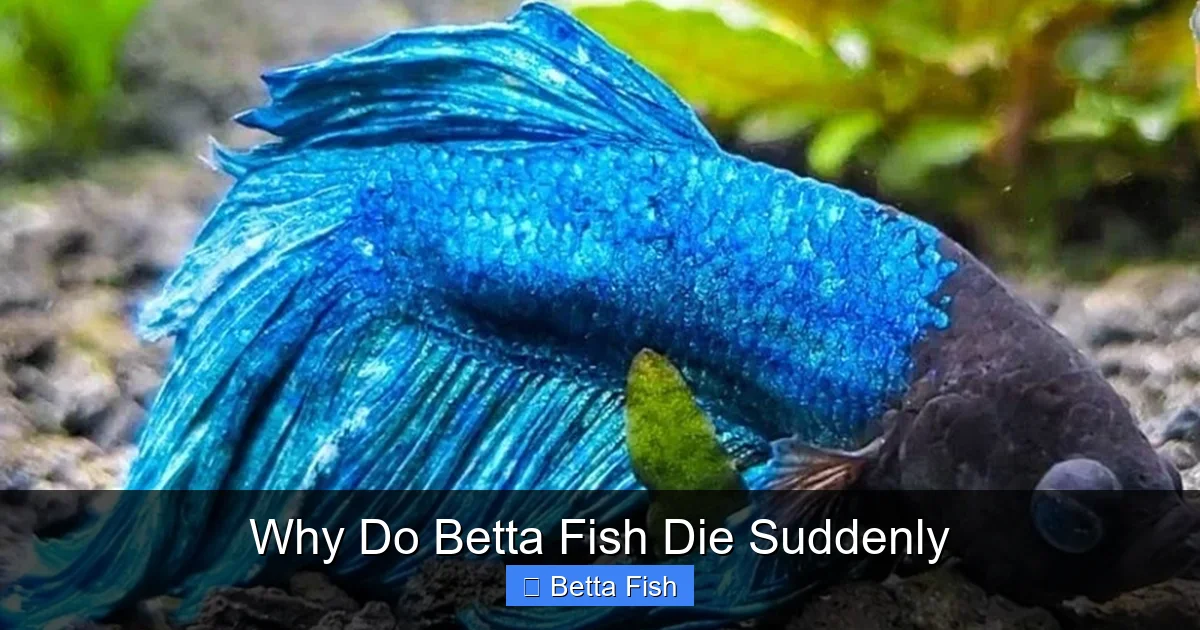
Visual guide about Why Do Betta Fish Die Suddenly
Image source: infishtank.com
Key parameters to monitor
- Ammonia (NH₃): Should always read 0 ppm. Even a trace can damage gills.
- Nitrite (NO₂⁻): Also 0 ppm; a rise indicates a broken nitrogen cycle.
- Nitrate (NO₃⁻): Keep under 20 ppm; higher levels cause chronic stress.
- pH: Ideal range 6.5‑7.5. Sudden swings stress the fish.
- Temperature: 76‑82 °F (24‑28 °C) is optimal. Drops below 75 °F can slow metabolism and trigger illness.
Practical tip: Test and change
Invest in a reliable liquid test kit and test your water weekly. Perform a 25‑30 % water change every 2‑3 days during the first week of a new tank, then settle into a weekly 20 % change schedule. Use a water conditioner that removes chlorine and chloramines.
2. Illnesses That Appear Overnight
Bacterial infections
Bacteria such as Aeromonas and Pseudomonas thrive in warm, dirty water. Symptoms include ragged fins, white patches, and loss of appetite. Because bettas have a labyrinth organ that lets them breathe air at the surface, they may look fine until the infection spreads internally.

Visual guide about Why Do Betta Fish Die Suddenly
Image source: bettacarefishguide.com
Fungal growth
White, cotton‑like growth on the body or fins signals a fungal infection, often following a minor injury. If left untreated, the fungus can invade the bloodstream and cause rapid death.
Parasitic infestations
Ich (white spot disease) and velvet are common parasites. Early signs are tiny white dots and a dusty gold sheen. In severe cases, the fish may become lethargic and die within a few days.
Quick action plan
- Isolate the sick betta in a hospital tank with clean, treated water.
- Increase temperature to 80‑82 °F to speed up medication efficacy.
- Use a broad‑spectrum antibiotic (e.g., Maracyn) for bacterial issues, or antifungal (e.g., Mardel) for fungal growth.
- Consult the article Why Did My Betta Fish Die All Of A Sudden for more detailed treatment steps.
3. Stress – The Invisible Predator
Common stressors
- Over‑crowding or aggressive tank mates.
- Frequent temperature fluctuations (e.g., drafts, heater failure).
- Improper lighting cycles—too much light or sudden darkness.
- Handling the fish with wet hands or using rough nets.
How stress leads to sudden death
Stress suppresses the immune system, making the betta vulnerable to opportunistic infections. A stressed fish may also develop “fin rot” or become prone to gulping air excessively, leading to “swim bladder disease.”
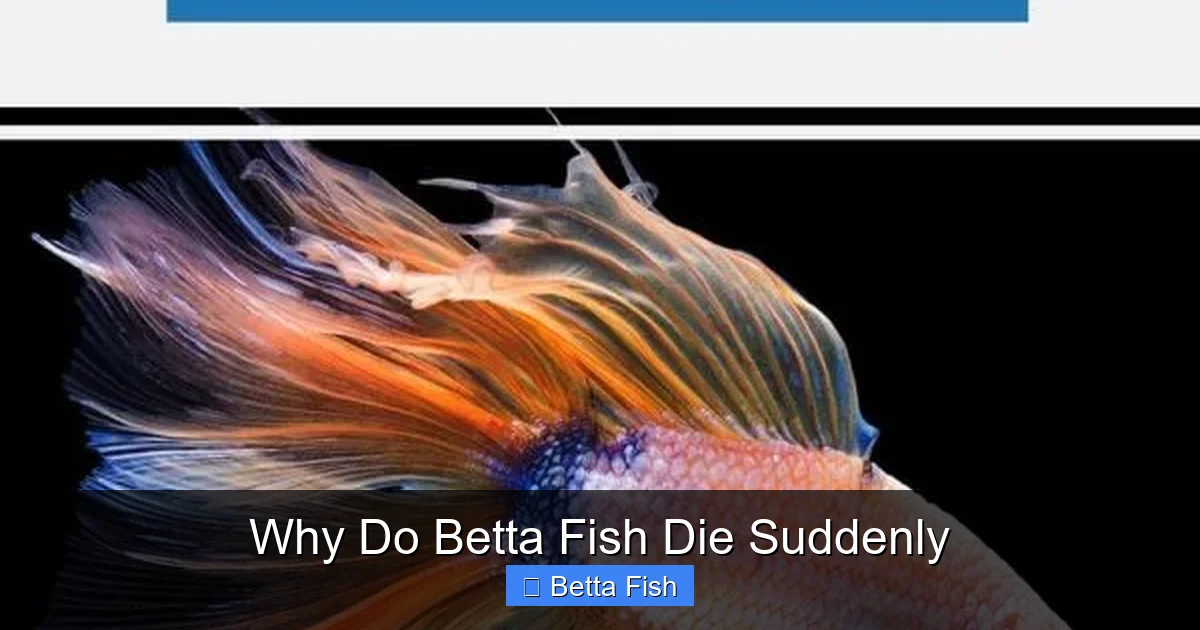
Visual guide about Why Do Betta Fish Die Suddenly
Image source: modestfish.com
Stress‑reduction checklist
- Provide at least 2‑3 gallons of filtered water per adult betta.
- Use a heater with an automatic shut‑off and a reliable thermostat.
- Maintain a consistent 12‑hour light/12‑hour dark cycle.
- Limit handling to emergencies only; always wet your hands first.
4. Nutrition Mistakes That Can Kill Quickly
Over‑feeding
Feeding more than you can see them eat in 2‑3 minutes leads to uneaten food decaying in the tank, raising ammonia levels. It also causes constipation, which can block the digestive tract.
Poor‑quality diet
Low‑quality pellets lack essential vitamins and may contain fillers that irritate the gut. A betta’s diet should be varied: high‑protein pellets, occasional frozen or live brine shrimp, and a small amount of daphnia.
Feeding routine
Feed small portions twice daily. Remove any leftover food after 5 minutes. For a deeper dive on feeding basics, see How Do You Feed A Betta Fish.
5. Equipment Failures That Can Strike Without Warning
Heater malfunction
A heater that suddenly turns off can drop the tank temperature by 10 °F in minutes, shocking the fish. Conversely, a stuck‑on heater can overheat the water, causing fatal heat stress.
Filter breakdown
Clogged filter media reduces water flow, leading to low oxygen and waste buildup. Check the filter weekly and clean or replace media as recommended.
Power outages
During an outage, a heater and filter stop working. Keep a battery‑backed air pump on hand for emergencies.
Preventive maintenance
- Test heater accuracy with a calibrated thermometer.
- Rinse filter media in tank water (not tap) during water changes.
- Inspect tubing for cracks or blockages.
6. Recognizing Early Warning Signs
Behavioral cues
- Floating near the surface for long periods (possible gas‑bubble disease).
- Lethargy or hiding at the bottom.
- Loss of color intensity or faded fins.
- Frequent gulping of air – could signal low oxygen.
Physical indicators
- Clamped fins or torn edges.
- White spots, cotton‑like growth, or black tail rot.
- Swollen abdomen or bulging eyes.
When to act
If you notice any of these signs, start a quarantine tank within an hour, test water parameters, and begin treatment based on the suspected cause. Early intervention often saves the fish.
Conclusion
Sudden death in betta fish is usually the result of one or more preventable factors: poor water quality, hidden disease, stress, bad nutrition, or equipment failure. By keeping a close eye on water parameters, providing a stable environment, feeding a balanced diet, and reacting quickly to any change in behavior, you dramatically lower the risk of that heartbreaking moment when a betta “just dies.” Remember, a happy betta is a healthy betta—invest a little time each day, and you’ll enjoy a vibrant, long‑lived companion.
Frequently Asked Questions
Why did my betta fish die so fast?
Rapid death is often caused by a sudden spike in ammonia, a severe bacterial infection, or a catastrophic equipment failure like a heater breaking.
Can a betta fish die in just one day?
Yes. Acute stress, a toxic water condition, or a fast‑acting parasite can kill a betta within 24 hours if not addressed immediately.
What are the most common signs of a dying betta?
Floating near the surface, loss of color, clamped fins, and sudden loss of appetite are early warnings that the fish is in trouble.
How often should I change the water to prevent sudden death?
For a single betta, change 25‑30 % of the water every 2‑3 days during the first week, then switch to a weekly 20 % change once the tank is cycled.
Is it safe to keep a betta with other fish?
Betta fish are territorial. If you must share, choose peaceful, non‑fin‑nipping species and provide plenty of hiding spots. See Why Can Betta Fish Live Together for more guidance.
What temperature range is safest for bettas?
Maintain a steady temperature between 76‑82 °F (24‑28 °C). Sudden drops or spikes can stress the fish and lead to illness. For details, read What Temperatures Do Betta Fish Like.