How Long Does It Take Betta Fish Eggs to Hatch
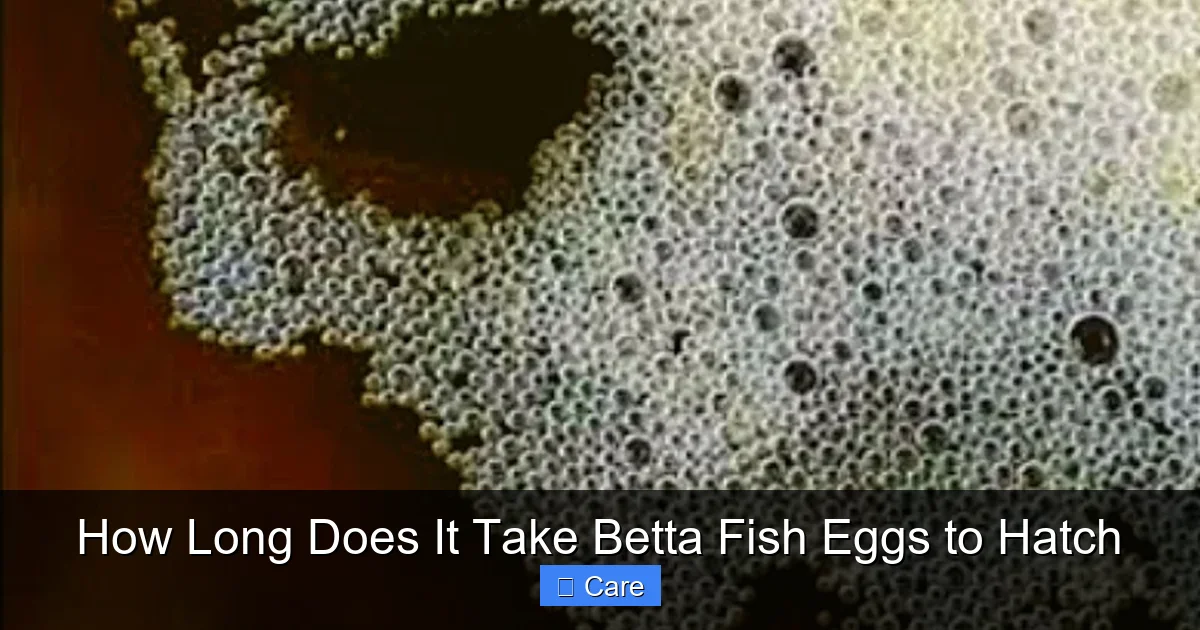
Betta fish eggs typically hatch in 24‑48 hours, but temperature, water quality, and parental care can shift this window. By controlling the environment and monitoring the eggs, you can boost hatch rates and raise strong, vibrant fry.
Key Takeaways
- Typical hatch time: Most betta eggs hatch within 24‑48 hours after fertilization.
- Temperature matters: Warmer water (78‑82 °F) speeds development; cooler water slows it down.
- Quality of water: Clean, low‑ammonia water prevents fungal growth and improves hatch success.
- Male’s role: A caring male will guard the nest, fan the eggs, and remove fungus‑covered eggs.
- Post‑hatch care: Fry need gentle water flow, infusoria or microworms, and a separate rearing tank.
- Monitoring signs: Look for eye development, heartbeats, and the “twinkling” of healthy eggs.
- Common pitfalls: Over‑heating, sudden water changes, and handling the eggs can cause death.
📑 Table of Contents
- Introduction: Why Egg Hatch Timing Matters
- 1. The Biology Behind Betta Egg Development
- 2. How Temperature Controls the Hatch Clock
- 3. Water Quality – The Unsung Hero
- 4. The Male’s Role: Guarding, Fanning, and Cleaning
- 5. Timing the Hatch: What to Expect Day by Day
- 6. After the Hatch: Raising Healthy Fry
- Conclusion: Mastering the Hatch Clock
Introduction: Why Egg Hatch Timing Matters
If you’ve ever watched a male betta fan his bright, orange‑red fins over a cluster of tiny specks, you know the excitement of a breeding session. But the real joy (and the biggest challenge) begins after the eggs are laid. Knowing how long does it take betta fish eggs to hatch helps you create the perfect conditions, avoid costly mistakes, and enjoy a healthy batch of fry.
In this guide we’ll walk through the science behind egg development, the environmental factors that speed up or slow down hatching, and practical step‑by‑step tips you can start using today. Whether you’re a first‑time breeder or a seasoned hobbyist, you’ll finish this article with a clear timeline and a checklist for success.
1. The Biology Behind Betta Egg Development
What happens after fertilization?
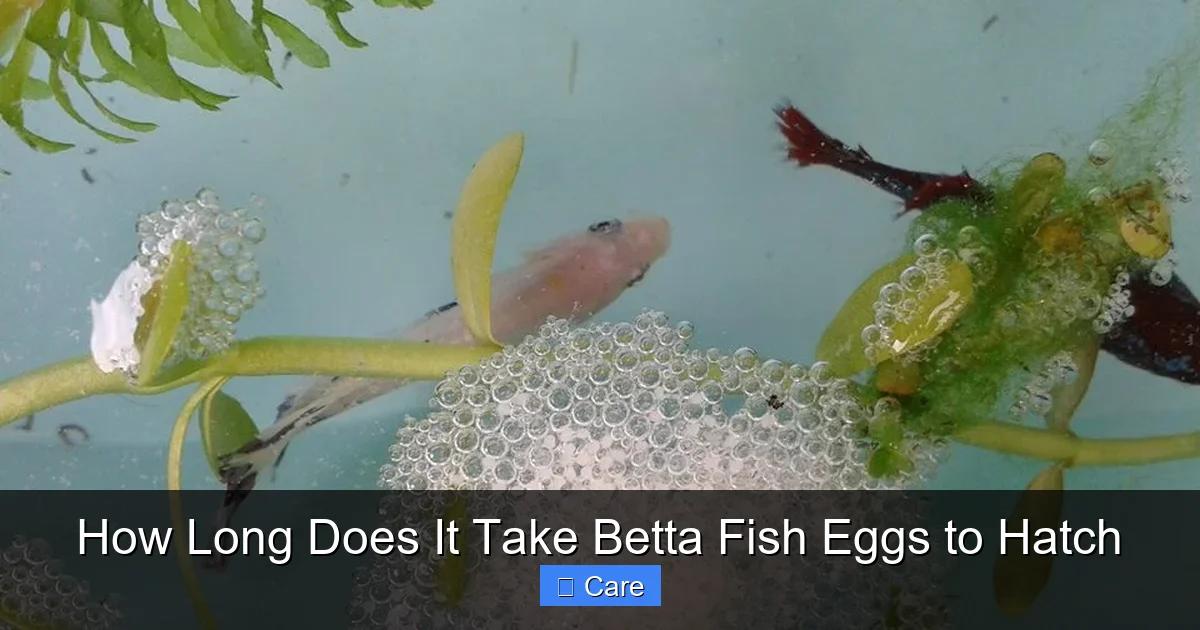
When a male betta releases milt, the female’s eggs become fertilized almost instantly. Each egg is a tiny, yolk‑filled capsule that contains everything the future fry will need for the first few days. Inside, cell division begins, and a tiny heart starts to beat within 12‑18 hours.
Visual guide about How Long Does It Take Betta Fish Eggs to Hatch
Image source: nippyfish.net
Stages of development
- Stage 1 – Cleavage (0‑12 hrs): Cells divide rapidly; the egg looks like a solid speck.
- Stage 2 – Organogenesis (12‑24 hrs): The tiny heart forms, and you may see a faint “twinkle” as blood circulates.
- Stage 3 – Hatching (24‑48 hrs): The embryo uses an internal “egg tooth” to break the membrane and emerge as a free‑swimming fry.
Understanding these stages helps you spot problems early—like fungal growth, which often appears between stages 1 and 2.
2. How Temperature Controls the Hatch Clock
Ideal temperature range
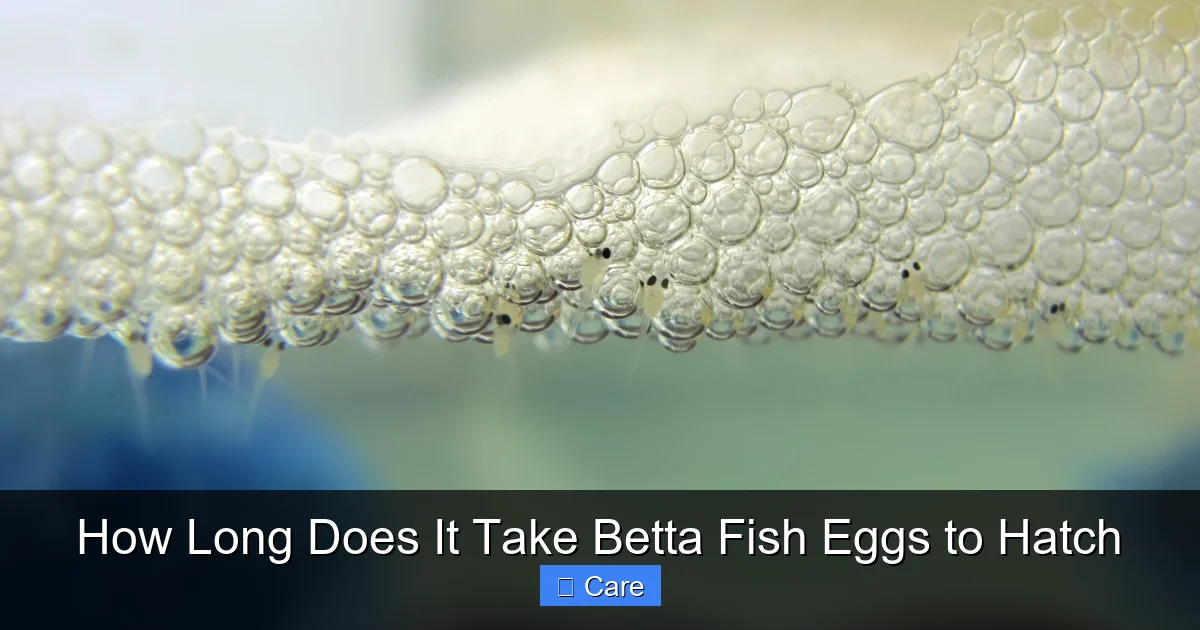
Betta embryos develop fastest at 78‑82 °F (25‑28 °C). In this range, most eggs hatch in 24‑30 hours. If the water is cooler (70‑74 °F), the hatch can stretch to 48‑72 hours. Warmer than 84 °F can speed things up, but it also raises the risk of fungus and reduces oxygen solubility.
Visual guide about How Long Does It Take Betta Fish Eggs to Hatch
Image source: i.pinimg.com
Practical tip: Use a reliable heater
Place a submersible aquarium heater near the breeding site and set it to 80 °F. Use a digital thermometer to double‑check the reading at the egg level, not just the tank surface.
Temperature and fungal control
Warm water encourages beneficial bacterial growth that outcompetes fungus, but if the temperature spikes above 86 °F, the opposite can happen. Keep a stable temperature and avoid sudden changes (no more than 2 °F per hour).
3. Water Quality – The Unsung Hero
Why clean water matters
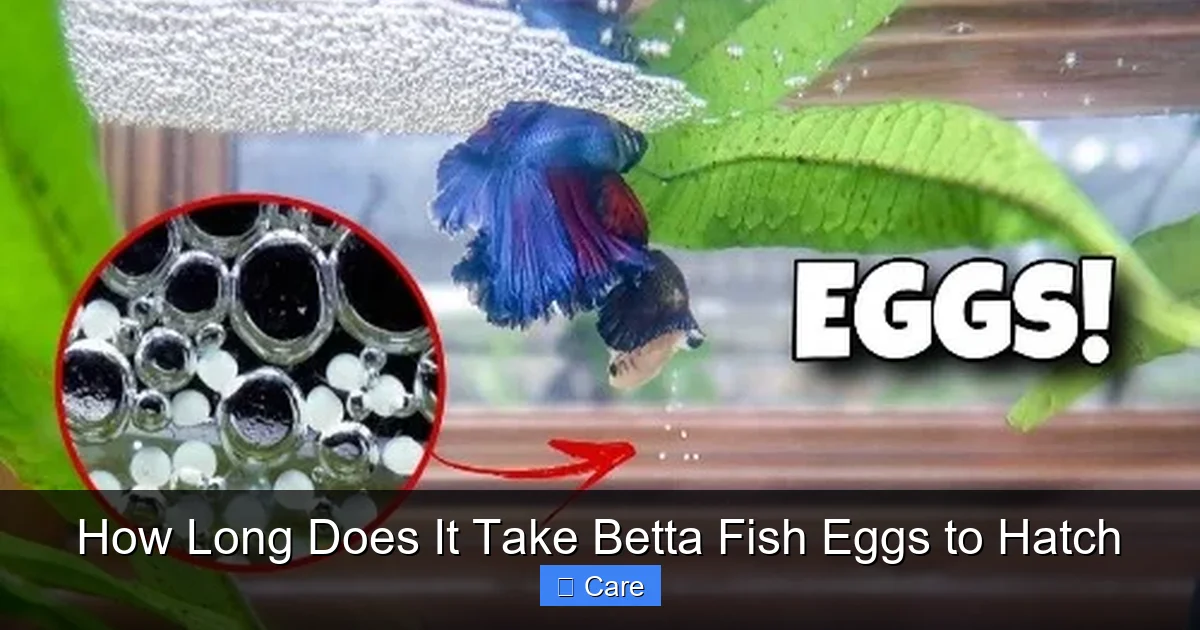
Betta eggs are porous; they absorb whatever is in the water. High ammonia or nitrite levels can damage the delicate membranes and cause embryo death. Even a slight cloudiness can harbor fungal spores.
Visual guide about How Long Does It Take Betta Fish Eggs to Hatch
Image source: japanesefightingfish.org
Preparing the breeding tank
- Use aged, dechlorinated water or reverse‑osmosis (RO) water mixed to a neutral pH (6.5‑7.5).
- Run a gentle sponge filter to provide oxygen without creating strong currents.
- Perform a 25‑30 % water change 24 hours before spawning to lower any hidden toxins.
Internal link example
For a deeper dive on water care, see our guide on how much water a betta fish needs.
4. The Male’s Role: Guarding, Fanning, and Cleaning
Why the male is essential
After the female deposits the eggs, the male takes over. He fans the eggs with his fins, delivering oxygen and preventing the eggs from sticking together. He also removes any eggs that turn white—these are usually unfertilized or fungus‑infected.
How long should the male stay?
Most breeders let the male guard the nest for 48‑72 hours post‑spawning. Once the fry hatch and become free‑swimming, the male’s job is done and can be removed to prevent cannibalism.
Practical tip: Spot‑check the nest
Every 6‑8 hours, gently glance at the eggs. If you see a white, fuzzy coating, use a soft pair of tweezers to remove the affected egg. This simple act can raise overall hatch rates by up to 20 %.
5. Timing the Hatch: What to Expect Day by Day
Day 0 – Spawning
The female lays 20‑30 eggs (sometimes more) on the leaf or spawning mop. The male immediately begins fanning.
Day 1 – Early development (0‑12 hrs)
Eggs look opaque and solid. A faint heartbeat may be visible under bright light.
Day 1 – Mid development (12‑24 hrs)
You’ll notice a slight “twinkling” as blood circulates. This is a good sign that fertilization succeeded.
Day 2 – Hatching window (24‑48 hrs)
Eggs start to swell and crack. The fry use their tiny egg tooth to burst out. Expect most hatchings to finish by the 48‑hour mark if temperature is optimal.
Day 3 – Post‑hatch care
Fry will cling to the breeding leaf for a few hours, absorbing their yolk sac. After 24‑48 hours, they become free‑swimming and need to be fed.
Quick checklist for the hatch period
- Maintain 78‑82 °F temperature.
- Check water parameters twice daily (ammonia < 0.25 ppm).
- Watch for fungal spots; remove promptly.
- Keep the male in the tank until fry are free‑swimming.
- Prepare a separate rearing tank with infusoria or microworms.
6. After the Hatch: Raising Healthy Fry
Feeding the first meals
Fry live off their yolk sac for the first 24‑48 hours. After that, offer microscopic foods like infusoria, newly hatched brine shrimp, or commercial fry food powdered to a fine consistency.
Separate rearing tank
Move the fry to a 5‑gal breeder tank with a gentle sponge filter. Keep the water temperature steady at 80 °F and perform 10‑15 % daily water changes to maintain pristine conditions.
Growth milestones
- Day 5‑7: Fry begin to show distinct body patterns.
- Week 2‑3: Full set of fins appears; start weaning to finely crushed betta pellets.
- Week 4+: Ready for a larger community tank (if desired).
Internal link example
Need more on feeding? Check out our article on how to feed betta fish for detailed diet plans.
Conclusion: Mastering the Hatch Clock
Knowing how long does it take betta fish eggs to hatch is the first step toward a successful breeding project. By controlling temperature, keeping water pristine, and letting the male do his job, you can expect a 24‑48 hour hatch window and a higher survival rate for your fry. Remember to monitor daily, act quickly on any signs of fungus, and prepare a clean rearing tank for the newborns.
With these simple yet effective strategies, you’ll move from “hopeful breeder” to “confident fry‑raiser” in no time. Happy hatching!
Frequently Asked Questions
How many days does it usually take for betta fish eggs to hatch?
Under optimal conditions (78‑82 °F, clean water), betta eggs typically hatch in 24‑48 hours. Cooler water can extend the period to 72 hours.
Can I speed up the hatch by raising the temperature?
Raising the temperature to 84 °F may shorten the hatch time a few hours, but it also increases the risk of fungal growth and lower oxygen levels. It’s safer to stay within the 78‑82 °F range.
What signs indicate that an egg is dying or infected?
Dead or infected eggs turn white and develop a fuzzy, cotton‑like coating. Remove them promptly with tweezers to protect the healthy eggs.
Do I need to feed the eggs before they hatch?
No. Betta embryos rely on the yolk sac for nutrition until they hatch. Feeding should start only after the fry become free‑swimming.
How long should the male stay with the eggs?
Keep the male in the tank for 48‑72 hours after spawning. Once the fry are free‑swimming, remove the male to prevent him from eating them.
What should I feed the fry after they hatch?
Start with infusoria or newly hatched brine shrimp for the first few days, then transition to finely crushed fry food or microworms as they grow.