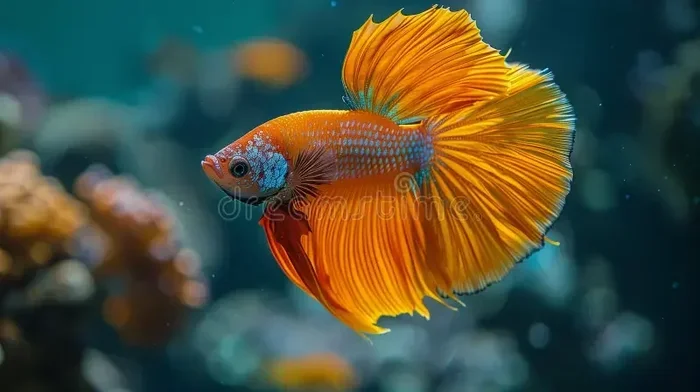
Can You Touch a Betta Fish Safely Without Hurting Your Pet
Direct contact with your betta fish is generally unsafe and unnecessary for their health. Their delicate slime coat protects them from infections, and human hands can strip this natural barrier away. Instead of touching, you can build a strong bond through visual interaction, training, and a clean, stress-free tank environment.
Many new betta owners ask the same question: can you touch a betta fish without causing harm? It is a natural curiosity. These vibrant fish seem like they want interaction. Their bright colors and curious movements make them feel almost like pets you can hold. But fish are not dogs or cats. Their bodies work very differently. What feels like a friendly gesture to us can actually cause real damage to them.
In this guide, we will break down exactly why touching your betta is risky. We will also show you safe, effective ways to connect with your fish. You will learn how their protective slime coat works, what stress looks like, and how to keep your tank environment healthy. By the end, you will know how to care for your betta in a way that keeps them happy, secure, and thriving.
Key Takeaways
- Human hands carry oils and chemicals: Even clean skin transfers residues that damage a betta’s protective slime coat.
- Touching causes severe stress: Bettas are easily frightened, and handling can trigger shock or weaken their immune system.
- Slime coat damage leads to illness: Removing this natural barrier makes your fish vulnerable to fungal and bacterial infections.
- Use a soft net only when necessary: If you must move your fish, a gentle, fine-mesh net is far safer than bare hands.
- Bonding happens without contact: Training, hand-feeding, and consistent routines build trust without physical touch.
- Tank setup reduces stress: Proper filtration, clean water, and hiding spots keep your betta calm and healthy.
- Observe instead of interfere: Watching your fish’s behavior gives you better insights into their health than handling ever could.
📑 Table of Contents
- Why You Should Think Twice Before Touching Your Betta
- What Actually Happens When You Touch a Betta Fish
- Safe and Gentle Ways to Bond With Your Betta
- When Handling Might Be Necessary (And How to Do It Right)
- How to Keep Your Betta Healthy Without Touching Them
- Common Myths About Touching Bettas
- Expert Tips for Long-Term Betta Care
- Conclusion
Why You Should Think Twice Before Touching Your Betta
The short answer to can you touch a betta fish is that you really should not. Bettas have a very thin, sensitive outer layer called a slime coat. This coating acts like a shield. It blocks harmful bacteria, parasites, and fungi from entering their skin. When you place your hand in the water and touch your fish, you instantly rub against that shield. Even if your hands look clean, they carry natural oils, sweat, soap residue, and tiny particles from the air. All of these can strip away the slime coat in seconds.
Once that protective layer is damaged, your betta becomes an easy target for illness. You might notice white spots, frayed fins, or unusual hiding behavior a few days later. These are common signs that their immune system is struggling. The safest rule is simple: keep your hands out of the water unless you absolutely must move the fish for tank maintenance. If you are ever unsure about handling risks, you can read more about this in our detailed guide on can you touch a pet betta fish.
The Slime Coat: Your Betta’s First Line of Defense
Think of the slime coat as a living raincoat. It keeps moisture balanced and fights off germs. Bettas produce this coating naturally, but it takes time to rebuild after damage. Human fingers, even when wet, create friction that peels it away. That is why repeated touching is so harmful. You are not just startling your fish. You are slowly weakening their natural armor.
Stress and Shock: The Hidden Dangers
Bettas are highly sensitive to sudden changes. A large hand appearing in their space triggers a fear response. Their heart rate spikes. They may dart around the tank or crash into decorations. This panic wastes energy and raises stress hormones. Over time, chronic stress shortens a betta’s lifespan. It also makes them more likely to refuse food or fade in color. If you want a calm, active fish, avoiding direct contact is one of the best choices you can make.
What Actually Happens When You Touch a Betta Fish
Many people imagine fish scales are tough like armor. In reality, betta scales are tiny and delicate. The skin underneath is even more fragile. When you grab or pet a betta, you risk tearing fins, bruising tissue, and introducing outside germs. Aquarium water is a closed system. Anything you bring into it changes the balance. That includes bacteria from your skin, lotion, or even the air drying on your hands.
There is also the issue of temperature. Human hands are much warmer than tank water. That heat shock can discomfort your fish instantly. Bettas thrive in stable, warm water around 78 to 80 degrees Fahrenheit. A sudden warm touch disrupts that comfort. If you ever need to remove your fish from the tank, using a soft net is always the better choice. For more on safe handling tools, check our article on can you put your hand inside a betta fish bowl.
Physical Damage You Might Not See
Some injuries are obvious right away. A torn tail or a scraped body shows clear signs. But microscopic damage is harder to spot. Rubbing a betta’s body can create tiny abrasions. Those small wounds become entry points for disease. You might not notice the problem until your fish starts clamping its fins or losing appetite. Prevention is always easier than treatment.
Water Quality Changes From Hand Contact
Every time you reach into the tank, you alter the water slightly. Oils and skin cells float into the aquarium. That extra organic matter feeds bacteria and cloud the water. Over time, it forces your filter to work harder. It also makes water changes more important. If you want to keep your tank clean, limiting hand entry is a smart habit. Learn more about safe water choices in our guide on can you use tap water in a betta fish tank.
Safe and Gentle Ways to Bond With Your Betta
You do not need to touch your fish to build a real connection. Bettas are surprisingly intelligent. They recognize their owners, follow movement, and can even learn simple routines. The best bonding methods are calm, consistent, and completely hands-free. This approach keeps your fish relaxed while still giving you meaningful interaction.
Start by sitting near the tank at the same time each day. Move slowly. Let your betta get used to your presence. Many owners notice their fish swimming to the front glass when they approach. That is a sign of recognition, not just hunger. You can also try training sessions. Bettas can learn to swim through hoops, follow a target, or come to the surface for food. If you want step-by-step ideas, see our guide on can you train a betta fish to do tricks.
Hand-Feeding Without Touching
You can place food near the surface using tweezers or a feeding ring. This keeps your hands out of the water while still creating a positive association. Your betta will learn that your approach means good things. Over time, they may rise to meet you as you drop in the food. This is a safe way to build trust without risking their slime coat.
Creating a Calm, Interactive Environment
A well-decorated tank gives your betta confidence. Add live or silk plants, smooth rocks, and a cozy hiding spot. Avoid sharp plastic decorations that can tear fins. A calm environment encourages natural behavior. You will see more exploring, flaring, and comfortable swimming. If you want to know which tank mates or decorations work well, read our article on can you put other fish with a female betta. A peaceful setup makes observation much more rewarding.
When Handling Might Be Necessary (And How to Do It Right)
There are a few situations where you may need to move your betta. Tank cleaning, water changes, or emergency health checks sometimes require temporary removal. Even then, direct hand contact should be avoided. The goal is to reduce stress and keep the fish secure. A soft, fine-mesh net is your best tool. Never use rough nets that can snag fins or scratch the body.
If you must lift your betta out of the water, keep the exposure brief. Bettas breathe air from the surface, but they still need water to support their body weight. Holding them out too long causes strain. Always have a clean container ready with matched water temperature. Move smoothly and avoid sudden movements. If you are planning a move or travel, our guide on can you take betta fish on a plane covers safe transport tips.
Using a Net Safely
Dip the net slowly from the side, not from above. Predator-like movements from above trigger panic. Guide the fish gently instead of chasing it. Once caught, support the net carefully and transfer the fish to the prepared container. Keep the transfer container covered to prevent jumps. Bettas are known escape artists when they feel threatened.
Emergency Situations Only
Only handle your betta when health or safety requires it. Examples include removing a sharp object from the tank, separating aggressive tank mates, or treating a serious injury. In those moments, speed and gentleness matter most. Afterward, give your fish time to recover in quiet water. Watch for normal breathing and steady swimming before returning them to the main tank.
How to Keep Your Betta Healthy Without Touching Them
Good care replaces the need for handling. When your tank is stable, your betta stays strong and active. That means fewer emergencies and less reason to ever touch them. Focus on water quality, temperature, filtration, and nutrition. These basics create a healthy foundation. You can learn more about setting up a proper environment in our article on can you use a filter in a betta fish tank.
Bettas need warm, clean water and a balanced diet. Overfeeding causes waste and poor water conditions. Underfeeding leads to weakness. Feed small portions once or twice a day. Remove uneaten food after a few minutes. Perform regular partial water changes instead of full replacements. This keeps beneficial bacteria intact while removing harmful toxins. If you are curious about different water sources, read our guide on can you use well water for a betta fish.
Water Temperature and Stability
Stable warmth is critical. Sudden drops in temperature weaken immunity and slow metabolism. Use a reliable heater and check the temperature weekly. Keep the tank away from drafts, direct sunlight, and cold windows. Consistency matters more than perfection. A steady environment helps your betta stay vibrant and active.
Nutrition and Observation
A varied diet supports color, energy, and fin health. Offer high-quality pellets, frozen treats, and occasional live food if appropriate. Watch how your fish eats. A healthy betta approaches food eagerly. If feeding slows down, check water parameters first. Observation is your best diagnostic tool. You will catch problems early when you pay attention to daily behavior.
Common Myths About Touching Bettas
There is a lot of outdated advice floating around. Some people believe bettas enjoy being petted because they follow fingers. Others think a quick touch is harmless if the hands are wet. These ideas sound friendly, but they do not match fish biology. Bettas may follow movement out of curiosity or feeding expectation. That does not mean they want contact. In fact, most fish interpret touching as a threat.
Another common myth is that bettas are tough because they can breathe air. While it is true they have a special labyrinth organ, that adaptation does not make them resistant to handling stress. Air breathing helps them survive in low-oxygen water. It does not protect their slime coat or prevent injury. Understanding these facts helps you make better care choices. For more on safe tank practices, see our article on can you use a filter with betta fish.
Myth: Wet Hands Make It Safe
Wetting your hands reduces friction slightly, but it does not remove oils, salts, or bacteria. It also does not stop temperature shock. The slime coat still gets disturbed. The safest approach is still no contact at all. If you want to interact, use visual presence and feeding routines instead.
Myth: Bettas Like Being Petted
Fish do not have the same social touch response as mammals. They do not seek affection through physical contact. What looks like enjoyment is usually curiosity or conditioning. Respecting their natural behavior means giving them space. A stress-free fish is a healthier, longer-lived fish.
Expert Tips for Long-Term Betta Care
Experienced keepers know that consistency beats novelty. Build a simple routine and stick with it. Feed at regular times. Check water parameters weekly. Clean the substrate gently. Replace filter media only when needed, and always rinse it in old tank water, not tap water. These habits keep your aquarium balanced and your betta comfortable.
Also, pay attention to body language. A relaxed betta swims smoothly and holds its fins naturally. A stressed betta may clamp fins, hide constantly, or breathe heavily. Catching these signs early gives you time to adjust conditions. If you ever worry about a sudden decline in health, our guide on can you save a betta fish from dying offers helpful emergency steps.
Quick Tips for Everyday Care
- Keep hands out of the tank unless you are performing necessary maintenance.
- Use a soft net for any required movement or transfer.
- Maintain steady warmth with a reliable heater and thermometer.
- Feed small portions and remove leftovers quickly.
- Perform weekly partial water changes to keep toxins low.
- Add gentle hiding spots so your betta feels secure.
- Watch behavior daily to spot stress or illness early.
Common Mistakes to Avoid
- Using rough nets that tear fins or scratch skin.
- Grabbing your betta out of curiosity or for photos.
- Adding lotions, oils, or soap residue to the water through hand contact.
- Making sudden movements that trigger panic and jumping.
- Ignoring water temperature swings that weaken immunity.
- Overcleaning the tank and removing beneficial bacteria.
- Assuming air breathing means toughness and ignoring stress signs.
Conclusion
So, can you touch a betta fish safely? The best answer is to avoid it whenever possible. Direct contact strips away the protective slime coat, introduces harmful residues, and causes unnecessary stress. Even well-meaning handling can lead to hidden injuries and weaker immunity. The good news is that you do not need to touch your betta to enjoy a close bond. calm presence, hand-feeding routines, and a clean, stable tank create a much healthier relationship.
When you respect your betta’s natural needs, you give them the best chance to live a long, colorful life. Focus on water quality, gentle observation, and safe handling tools when necessary. Your fish will stay calmer, healthier, and more active. And you will get to enjoy all the beauty and personality that make bettas such special pets.
Frequently Asked Questions
Is it ever okay to touch a betta fish?
It is best to avoid touching your betta fish altogether. Human hands remove their protective slime coat and introduce oils that can cause illness. Only handle them in emergencies, and always use a soft net instead of bare fingers.
Why does my betta follow my finger if touching is bad?
Bettas often follow movement because they are curious or expect food. This behavior shows recognition, not a desire for physical contact. You can use this natural interest to train and interact without ever putting your hands in the water.
What should I use if I need to move my betta fish?
Use a clean, fine-mesh net and move slowly from the side of the tank. Keep the fish in water as much as possible and transfer it to a container with matched temperature. This reduces stress and protects their delicate fins.
Can wet hands make touching a betta fish safe?
Wet hands reduce friction slightly, but they still carry oils, bacteria, and heat that harm the slime coat. Wetting your hands does not make direct contact safe. The healthiest choice is to keep your hands out of the tank entirely.
How can I bond with my betta without touching it?
You can build trust by sitting near the tank daily, feeding at consistent times, and using gentle training routines. Many bettas learn to recognize their owners and respond to visual cues. This creates a strong connection without risking their health.
What are the signs that my betta is stressed after handling?
Watch for clamped fins, hiding, loss of appetite, dull color, or rapid breathing. These are common signs that your fish is under stress or developing an infection. If you notice these symptoms, check your water quality and give your betta quiet time to recover.