Do Betta Fish Recognize Their Owners

Betta fish can learn to recognize you through sight, sound, and routine, but the bond isn’t the same as a dog’s. By providing consistent care, a calm environment, and positive interactions, you’ll see your betta respond with curiosity, relaxed posture, and even color changes.
Key Takeaways
- Recognition is possible: Betta fish can associate your face and voice with feeding and tank maintenance.
- Consistent routines help: Regular feeding times and gentle hand‑presentations strengthen the connection.
- Visual cues matter most: Bright colors, movement, and the shape of your hand are the primary signals bettas use.
- Stress reduces recognition: A noisy, chaotic tank or sudden changes can erase any progress.
- Positive reinforcement works: Gentle tapping, “talking,” and rewarding with food encourage a friendly response.
- Tank setup influences behavior: Proper temperature, space, and hiding spots make bettas more comfortable and open to interaction.
- Patience is key: It may take days to weeks for a betta to show clear signs of recognizing you.
📑 Table of Contents
- Introduction: Why the Question Matters
- How Betta Fish See the World
- What Science Says About Fish Recognition
- Signs Your Betta Recognizes You
- Practical Steps to Build Recognition
- Common Mistakes That Break the Bond
- How Tank Setup Affects Recognition
- Patience: The Real Secret
- Conclusion: A Friendly Betta Is Within Reach
Introduction: Why the Question Matters
If you’ve ever stared into a betta’s jeweled eyes and wondered whether it knows you’re the one who refills its water and tosses in the tasty pellets, you’re not alone. Many hobbyists ask, “do betta fish recognize their owners?” The answer is a mix of science, observation, and a dash of patience.
Betta fish (Betta splendens) are famous for their flamboyant fins and feisty personalities. While they’re not the cuddly pets of a dog or cat, they are intelligent enough to learn patterns, react to familiar shapes, and even show excitement when you approach the tank. In this article we’ll break down the research, explore the senses bettas use, and give you practical steps to build a friendly bond.
How Betta Fish See the World
Vision: Color and Motion
Betta fish have excellent color vision. Their eyes contain four types of cone cells, allowing them to see a broader spectrum than humans, especially in the red and orange ranges. This is why a bright pink hand or a flashing red feeder can grab their attention instantly.

Visual guide about Do Betta Fish Recognize Their Owners
Image source: media.petsoverload.com
Hearing: Vibration Over Sound
Fish don’t have ears like mammals, but they detect vibrations through a line of tiny bones called the lateral line. When you speak softly above the tank, the water picks up those vibrations, and a betta can sense the rhythm of your voice.
Smell and Taste: Food Cues
Betta fish have a well‑developed sense of smell. The scent of their favorite flake or pellet triggers a feeding response. Over time, they start to link that scent with the person who provides it.
What Science Says About Fish Recognition
Studies on Conditioning
Research on goldfish and zebrafish shows they can be trained to associate a specific shape or sound with food within a few days. While bettas haven’t been studied as extensively, their close relatives respond similarly, suggesting a comparable capacity.
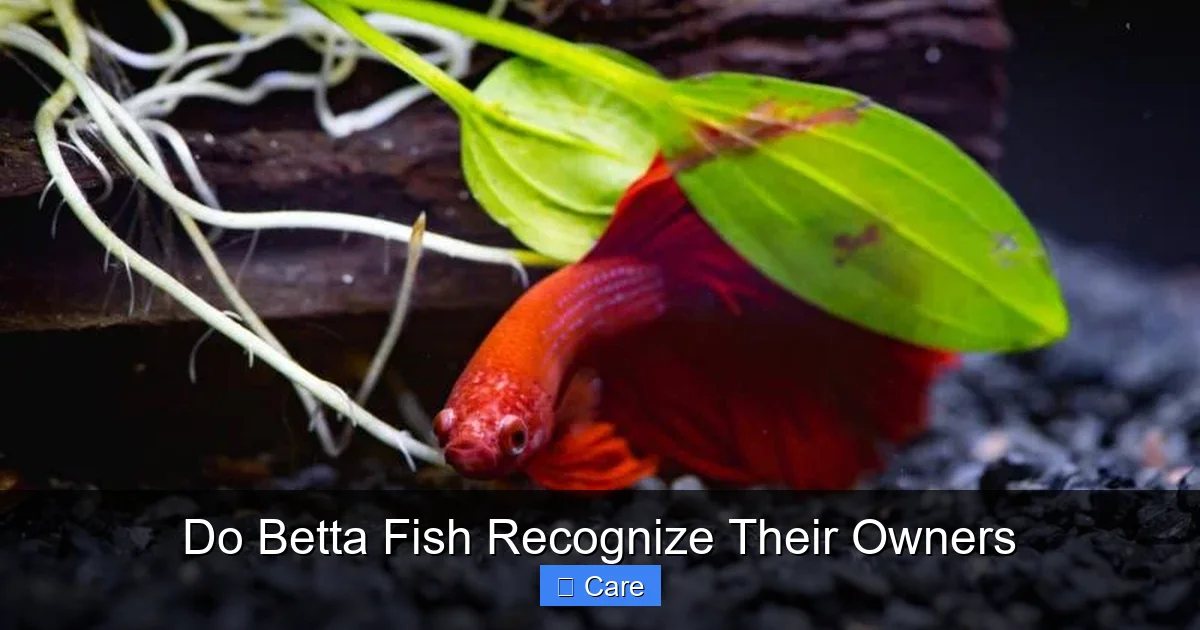
Visual guide about Do Betta Fish Recognize Their Owners
Image source: cf.ltkcdn.net
Observational Evidence from Betta Keepers
Many experienced hobbyists report that their bettas swim to the front of the tank when the owner approaches, flare their fins in a relaxed manner, or change color to brighter hues. These behaviors are often linked to anticipation of food or a calm presence.
Signs Your Betta Recognizes You
Approaching the Glass
When you sit near the tank, a betta that knows you may glide toward the front, hover, and keep eye contact. This is different from random swimming; it’s a focused movement.

Visual guide about Do Betta Fish Recognize Their Owners
Image source: cf.ltkcdn.net
Relaxed Fin Position
A betta that is comfortable will hold its fins slightly spread but not erect. An aggressive or stressed betta keeps its fins tightly folded. A relaxed posture often appears when the owner is about to feed.
Color Changes
Betta coloration can shift with mood. Brighter, more vivid hues often indicate excitement or happiness, while duller tones suggest stress. If you notice a flash of vivid color just before feeding, it’s a good clue your fish anticipates you.
Bubble‑Nesting Activity
Male bettas build bubble nests when they feel safe. An increase in bubble‑nesting after regular interaction can be a sign of trust.
Reduced Hiding
Betas love to hide among plants or decorations when they’re nervous. If your fish spends more time out in the open during your presence, it’s a sign of growing confidence.
Practical Steps to Build Recognition
1. Consistent Feeding Schedule
Feed at the same times each day. Use the same hand and the same motion—lift the feeder, pause, then release the food. Consistency teaches the betta that your presence equals a meal.
2. Gentle Hand Movements
Approach the tank slowly. A quick splash can startle a betta. Instead, hover your hand just above the water, let the betta see your fingers, and then lower a tiny amount of food.
3. Talk to Your Betta
Soft, steady voices create a recognizable vibration pattern. Say the same phrase (“time to eat”) each feeding. Over weeks, the betta may associate the sound with food.
4. Create a Calm Environment
Limit sudden loud noises, bright flashing lights, or rapid tank movements. A stable environment reduces stress, which is essential for learning.
5. Use Visual Cues
Wear a bright colored glove or hold a small, brightly colored object while feeding. The consistent visual cue helps the betta link that color with a positive event.
6. Reward Positive Behavior
If your betta swims to the front or flares gently when you approach, give a tiny extra treat. This positive reinforcement strengthens the association.
Common Mistakes That Break the Bond
Over‑Handling
Betta fins are delicate. Repeatedly tapping the glass or trying to “pet” the fish can cause stress and even fin damage.
Irregular Feeding
Skipping meals or feeding at wildly different times confuses the fish and weakens any learned recognition.
Loud Environments
Playing loud music or having a TV near the tank creates vibrations that drown out the gentle cues you’re trying to make.
Inadequate Tank Conditions
Temperature swings, poor water quality, or cramped space make a betta focus on survival rather than interaction. For optimal behavior, maintain a stable temperature of 76‑82°F (What Temperatures Do Betta Fish Like) and provide at least 2‑3 gallons of space.
How Tank Setup Affects Recognition
Temperature Stability
Betta fish are tropical; a consistent warm environment keeps their metabolism steady, making them more responsive. A heater is often essential (Do Betta Fish Need Heaters In Their Tanks).
Hiding Places and Plants
Live or silk plants give a sense of security. When a betta feels safe, it’s more likely to explore and interact with you.
Lighting
Soft, natural lighting mimics their native habitat. Avoid harsh fluorescent lights that can cause stress.
Water Quality
Regular water changes (about 25% weekly) keep ammonia low and pH stable. Clean water promotes healthy behavior (How Do You Change A Betta Fish Water).
Patience: The Real Secret
Recognition doesn’t happen overnight. Some bettas show a response within a few days; others may take weeks. Observe your fish daily, note any changes, and adjust your routine accordingly. Celebrate small victories—like a curious glance or a brief swim toward the glass.
Conclusion: A Friendly Betta Is Within Reach
So, do betta fish recognize their owners? Yes, they can learn to associate you with food, safety, and positive experiences. While the bond isn’t as overt as a dog’s wagging tail, you’ll notice subtle signs—approach, relaxed fins, brighter colors—that tell you your betta knows you’re a friendly presence.
By offering a stable, clean tank, feeding on a schedule, speaking softly, and rewarding curiosity, you’ll nurture a relationship that makes both you and your betta happier. Remember, the journey is as rewarding as the result, and every small interaction is a step toward a more engaged, vibrant betta.
Frequently Asked Questions
Do betta fish remember their owners after a long absence?
Betta memory is short‑term but can last several weeks if the routine was strong. A sudden return with the same feeding cues often triggers recognition again.
Can I train my betta to do tricks?
Simple tricks like swimming to a target or following a finger are possible with consistent positive reinforcement, but complex tricks are beyond their natural abilities.
Why does my betta sometimes ignore me?
Stress, poor water conditions, or a change in routine can cause temporary disengagement. Check temperature, water quality, and reduce sudden noises.
Is it safe to let my betta touch my hand?
Betta fins are delicate; brief contact is okay if the fish approaches you, but avoid forcing touch. Let the fish decide.
How often should I talk to my betta?
Speaking softly during feeding or tank cleaning (once or twice a day) is enough to create a recognizable sound pattern.
What’s the best way to tell if my betta is happy?
A happy betta displays relaxed fins, bright colors, active swimming, and may build a bubble nest. For more details, see How Do I Know If My Betta Fish Is Happy.