Can Betta Fish Be Together
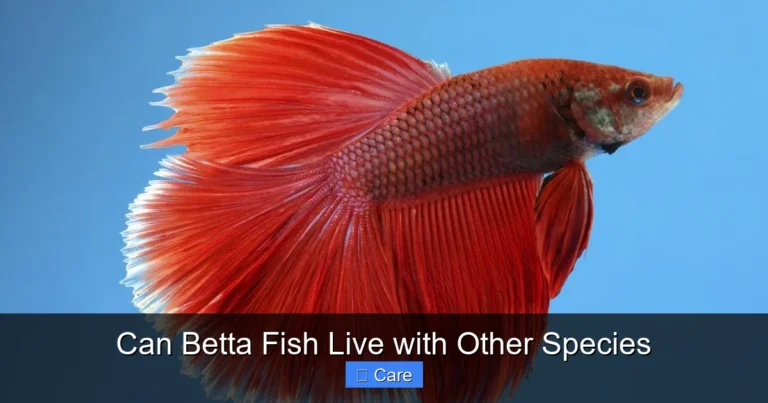
Betta fish are famous for their feisty nature, but that doesn’t mean they must live alone. With the right tank size, careful gender selection, and plenty of hiding spots, many bettas can coexist happily. Read on to find out which pairings work, how to set up the perfect community, and what pitfalls to avoid.
Key Takeaways
- Gender matters most: Female‑to‑female groups often thrive, while males usually need separation unless the tank is huge.
- Tank size is critical: A minimum of 10 gallons per betta reduces aggression and provides room for territories.
- Plants and décor help: Live plants, caves, and vertical barriers give shy bettas places to hide.
- Monitor behavior daily: Early signs of stress—flaring, chasing, or loss of color—signal a need to re‑evaluate the setup.
- Compatibility varies by strain: Some dwarf or “peaceful” bettas are more tolerant of companions.
- Mixing species is possible: Certain small, fast‑swimming fish can share a tank when space and water conditions are optimal.
- Regular water maintenance: Good water quality keeps aggression low and health high for all occupants.
📑 Table of Contents
- Introduction: The Myth of the Lonely Betta
- 1. Gender Dynamics: Who Gets Along?
- 2. Tank Size and Layout: The Foundation of Peace
- 3. Choosing the Right Betta Strains
- 4. Introducing New Betta(s) Safely
- 5. Co‑habitating Betta with Other Species
- 6. Maintaining a Healthy Community
- Conclusion: Making the Decision
Introduction: The Myth of the Lonely Betta
When most people think of betta fish, the first image that comes to mind is a solitary, flamboyantly colored male flaring his fins at a mirror. This reputation for aggression has turned many hobbyists into “betta‑only” keepers. But the truth is more nuanced. In the right environment, bettas can enjoy the company of other bettas—or even other fish species—without constant fighting.
Understanding can betta fish be together means looking beyond the headline “males fight.” It involves gender dynamics, tank size, décor, water parameters, and the personalities of individual fish. In this guide we’ll break down each factor, give you step‑by‑step set‑up tips, and answer the most common questions you’ll face when planning a community betta tank.
1. Gender Dynamics: Who Gets Along?
Male‑to‑Male Pairings
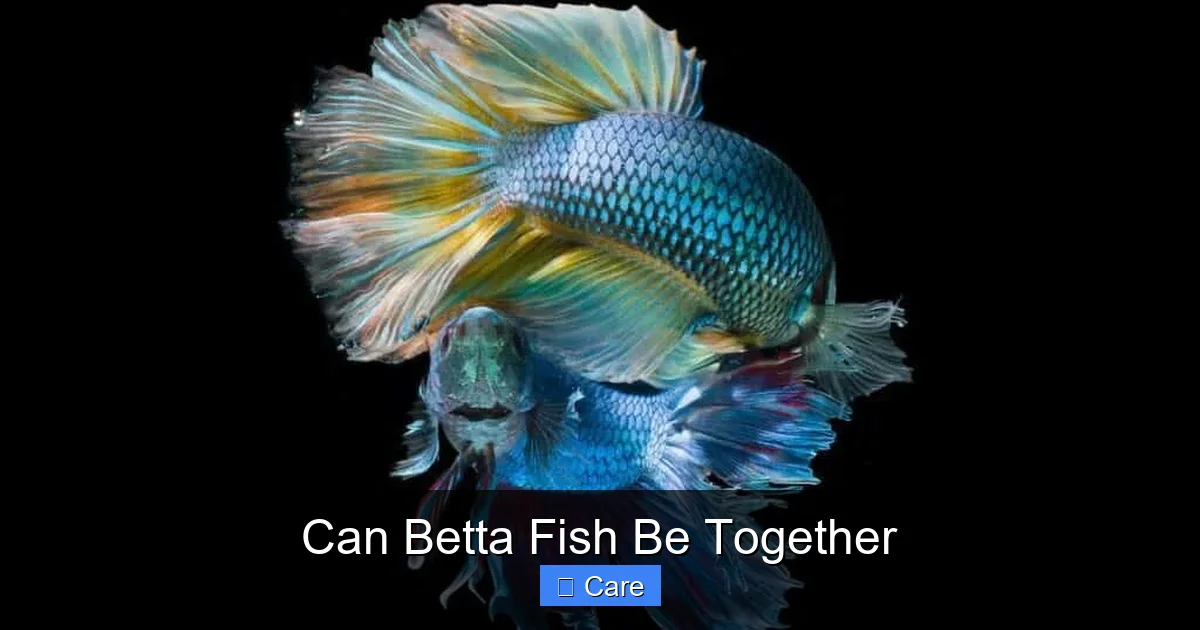
Two adult males are the classic “no‑go” scenario. Their natural instinct is to defend a territory, and a small bowl offers no escape routes. However, a large, heavily planted aquarium (20 gallons or more) can sometimes accommodate a pair of very young or dwarf males if you provide plenty of vertical barriers. Even then, watch for constant flaring and be ready to separate them at the first sign of danger.

Visual guide about Can Betta Fish Be Together
Image source: articles.hepper.com
Female‑to‑Female Groups
Female bettas are generally less territorial than males. A group of three to five females can live together peacefully in a 10‑gallon tank, provided there are enough plants and hiding places. Can Two Female Betta Fish Be Together explores this setup in detail, noting that personality still plays a role—some females are naturally more aggressive.
Male‑and‑Female Pairings
Many hobbyists wonder if a male and a female can share a home. The answer is yes, but only if the male is not overly aggressive and the tank is spacious (at least 15 gallons). The male will often display his fins to the female, which can be a sign of courtship rather than hostility. Still, keep an eye on the female’s stress signals; if she hides constantly or loses color, separate them.
For a deeper dive, see Can Male And Female Betta Fish Be Kept Together.
2. Tank Size and Layout: The Foundation of Peace
Minimum Volume Guidelines
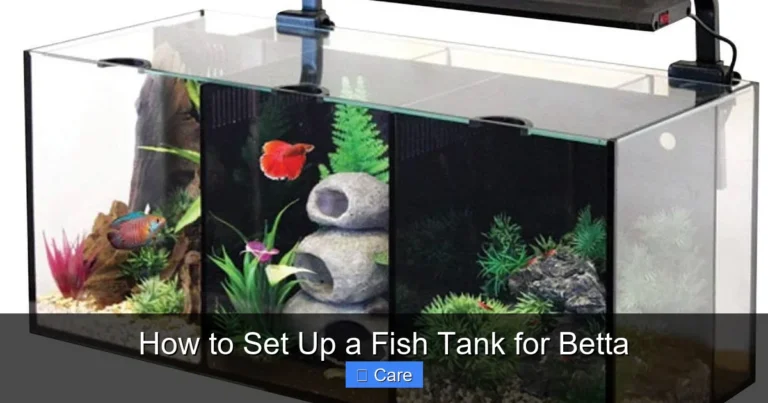
One of the biggest mistakes is trying to keep multiple bettas in a 2‑gallon bowl. A good rule of thumb is 10 gallons per betta for a mixed‑gender or all‑female group, and 20 gallons if you’re attempting a male‑to‑male pairing (only for advanced keepers).

Visual guide about Can Betta Fish Be Together
Image source: petshun.com
Creating Territories with Plants and Décor
Live plants like Java fern, Anubias, and Amazon swords not only improve water quality but also break sight lines. Add vertical pieces such as driftwood, slate, or ceramic caves. These structures let each fish claim a “home base,” reducing the urge to chase each other.
Flow and Filtration
Betas prefer calm water. Use a gentle sponge filter or a low‑flow hang‑on‑back unit set to a trickle. Too much current can stress them, making them more aggressive. A well‑filtered tank also keeps ammonia and nitrite low, which in turn reduces irritability.
3. Choosing the Right Betta Strains
Dwarf and “Peaceful” Varieties
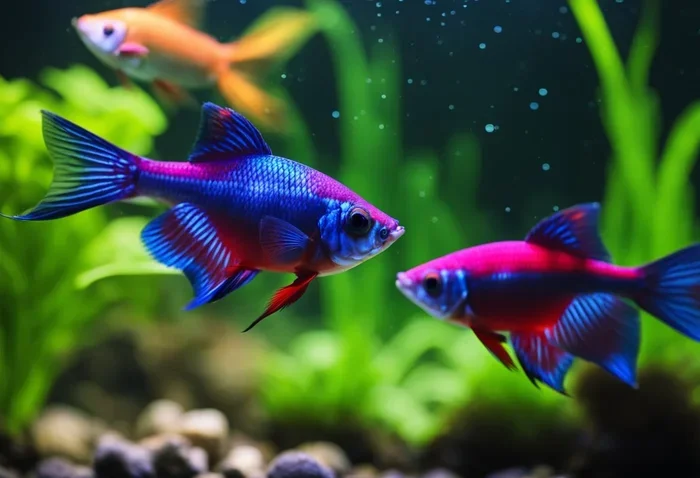
Some betta strains are naturally less aggressive. Dwarf bettas (often under 2 inches long) and certain “crowntail” or “half‑moon” lines have been selectively bred for calmer temperaments. These are excellent candidates for community tanks.

Visual guide about Can Betta Fish Be Together
Image source: fishkeepingwisdom.com
Bright vs. Dark Coloration
Vibrant colors can sometimes trigger aggression, especially in males who see bright rivals as threats. When mixing colors, consider pairing a bright male with a more muted female, or keep similarly colored fish together to avoid visual provocation.
4. Introducing New Betta(s) Safely
Quarantine First
Before adding any new betta, quarantine it for at least two weeks in a separate tank. This prevents the spread of disease and lets you observe its temperament without risking existing residents.
Gradual Acclimation
Use a clear divider or a breeding net to place the newcomer in the tank without direct contact. Let them see each other for a few days. If there are no signs of extreme flaring or chasing, you can remove the barrier and monitor closely for the first 24‑48 hours.
When to Separate
If you notice persistent aggression—such as one fish constantly chasing the other or the loser losing color—don’t hesitate to move the aggressor to a separate tank. Long‑term stress can lead to fin rot and loss of appetite.
5. Co‑habitating Betta with Other Species
Ideal Tankmates
Small, fast swimmers that occupy different tank levels work best. Examples include:
- Neon tetras (stay in the middle‑upper levels)
- Corydoras catfish (bottom dwellers)
- Harlequin rasboras (peaceful mid‑water swimmers)
Species to Avoid
Fin‑nipping fish such as guppies or other bettas of the same gender can cause trauma. Larger, aggressive fish like gouramis will also dominate a betta.
Further Reading
Check out Can You Keep Guppies And Betta Fish Together for a detailed guide on mixing bettas with small community fish.
6. Maintaining a Healthy Community
Water Parameters
Betta fish thrive in water that is:
- pH: 6.5–7.5
- Temperature: 76–82 °F (24–28 °C)
- Hardness: 3–4 dGH
Regular water changes (25 % weekly) keep nitrate levels low and help all fish stay calm.
Feeding Strategies
Feed high‑quality betta pellets or frozen foods once or twice daily. If you have other species, offer them sinking wafers or micro‑grains in a separate feeding zone to prevent competition.
Health Checks
Look for signs of stress: faded colors, clamped fins, or constant hiding. Early detection of fin rot, ich, or velvet can be treated before it spreads to tankmates.
Conclusion: Making the Decision
So, can betta fish be together? Absolutely—provided you respect their natural instincts, give them enough space, and create a well‑structured environment. Female groups are the easiest to manage, while male‑to‑male setups demand larger tanks and vigilant observation. Mixing bettas with compatible community fish adds color and activity, but always prioritize water quality and individual temperament.
Take the time to research each fish’s personality, start with a larger tank, and never rush introductions. With patience, you’ll enjoy a vibrant, interactive aquarium that showcases the beauty of bettas living side by side.
Frequently Asked Questions
Can two male bettas live together?
Only in a very large (20+ gallon) tank with plenty of plants and visual barriers. Even then, constant monitoring is essential, and many keepers still choose to separate them.
Are female bettas safe to keep in groups?
Yes, females are less territorial. A group of three to five females can thrive in a 10‑gallon tank with ample hiding spots.
What is the minimum tank size for a mixed‑gender pair?
A minimum of 15 gallons is recommended. This gives the male enough space to display without constantly chasing the female.
Can bettas share a tank with tetras?
Fast‑moving, mid‑water tetras like neon tetras can coexist with bettas if the tank is well‑planted and the betta is not overly aggressive.
How often should I change the water in a community betta tank?
Change about 25 % of the water each week, testing for ammonia, nitrite, and nitrate to keep parameters stable.
What signs show that a betta is stressed?
Flaring, clamped fins, loss of color, constant hiding, or reduced appetite indicate stress and should prompt a closer look at tank conditions.