What Causes Stress in a Betta Fish
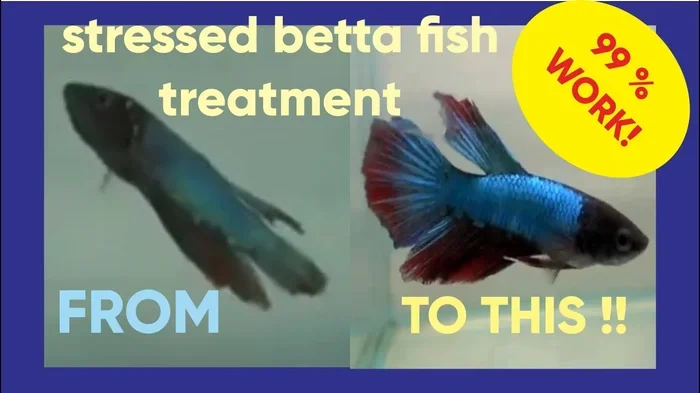
Stress in betta fish comes from poor water quality, wrong temperatures, bad tank mates, and boring environments. A stressed betta fish can develop serious health problems fast. Learning the causes helps you create a safe and happy home for your fish.
Keeping a betta fish happy starts with understanding what makes them stressed. Stress in betta fish is a real problem that many fish owners overlook. When a betta is stressed, its immune system weakens. This makes it easy for diseases to take hold. A stressed betta fish may stop eating, hide constantly, or even lash out at its surroundings.
The good news is that most causes of betta fish stress are preventable. Once you know what triggers stress, you can fix the problem fast. This guide walks you through every major cause of stress in betta fish. You will also learn simple tips to keep your fish calm and healthy. Let us dive in and help your betta feel safe at home.
Key Takeaways
- Poor water quality is the #1 cause of stress in betta fish and can lead to deadly diseases.
- Wrong water temperature outside the ideal range puts your betta under constant physical stress.
- Incompatible tank mates can bully or harass your betta, leading to chronic stress.
- Lack of enrichment and too small a tank make bettas bored and anxious.
- Sudden changes in environment or routine can shock your betta’s system and trigger stress responses.
- Health issues and disease often show up as a direct result of prolonged stress.
- Simple fixes like regular water changes and proper tank setup go a long way in preventing stress.
📑 Table of Contents
- Poor Water Quality: The Biggest Stress Trigger
- Wrong Water Temperature and Its Effects
- Incompatible Tank Mates and Aggression
- Lack of Enrichment and Boredom
- Health Issues and Disease
- Sudden Changes in Environment
- Quick Tips to Reduce Betta Fish Stress
- Common Mistakes That Cause Betta Stress
- Expert Insights on Betta Fish Stress
- Conclusion
Poor Water Quality: The Biggest Stress Trigger
Poor water quality tops the list of what causes stress in a betta fish. Betta fish are sensitive to changes in their environment. Even small shifts in water chemistry can make them feel unsafe. Dirty water builds up harmful substances that attack your fish from the inside out.
Ammonia and Nitrite Buildup
Fish waste, uneaten food, and decaying plants release ammonia into the water. Ammonia is toxic to bettas even in small amounts. Nitrite is another dangerous chemical that builds up in unfiltered or poorly maintained tanks. Both ammonia and nitrite damage your betta’s gills and organs. This causes obvious signs of betta fish stress like rapid breathing and lethargy.
To keep ammonia and nitrite levels safe, you need to test your water regularly. A liquid test kit works better than test strips. Test your water at least once a week. If levels are off, do a partial water change right away.
Nitrate Accumulation
Nitrate is less toxic than ammonia or nitrite, but it still causes problems. High nitrate levels make bettas feel sluggish and unwell. Over time, chronic nitrate exposure leads to stress hormones building up in your fish’s body. These hormones weaken the immune system and shorten betta fish lifespan.
Regular water changes are the best way to control nitrate. A 25 to 30 percent water change every week works well for most tanks. Always use water that is the same temperature and pH as your tank water.
The Role of pH and Water Hardness
Water pH and hardness also play a role in betta fish health. Bettas prefer slightly acidic to neutral water, around 6.5 to 7.5 pH. Sudden pH swings are very dangerous. They shock the fish and cause immediate stress. Water that is too hard or too soft can also affect your betta’s comfort.
Use a water conditioner every time you add new water to the tank. This removes chlorine and chloramine from tap water. These chemicals are harmful to bettas and can trigger stress responses quickly.
Wrong Water Temperature and Its Effects
Water temperature is another major factor in betta fish stress. Bettas are tropical fish. They need warm, stable water to thrive. When the temperature drops too low or spikes too high, your fish feels the impact right away.
Why Temperature Stability Matters
Betta fish temperature should stay between 76 and 82 degrees Fahrenheit. Anything below 74 degrees is too cold. Cold water slows down your betta’s metabolism. This makes them sluggish and more prone to illness. On the other hand, water above 86 degrees can cause oxygen deprivation.
Temperature swings are just as bad as wrong temperatures. A heater with a thermostat helps keep the water stable. Avoid placing the tank near windows, vents, or drafty areas. These spots cause temperature fluctuations throughout the day.
How to Maintain the Right Temperature
Invest in a good aquarium heater. A heater with adjustable settings gives you more control. Place the heater near the filter output for even heat distribution. Use a separate thermometer to double-check the temperature. Do not rely only on the heater’s built-in display.
If you want to learn more about the ideal conditions for your betta, check out what temperature a betta fish tank should be in Celsius. Keeping the temperature right is one of the easiest ways to prevent stress.
Incompatible Tank Mates and Aggression
Tank mates are a common source of stress for betta fish. Bettas can be territorial. They may chase, nip, or bully other fish. This creates a constant state of betta fish stress that wears them down over time.
Choosing Compatible Tank Mates
Not every fish gets along with a betta. Fish that are bright, colorful, or have long fins may trigger your betta’s aggression. Fin nippers like tiger barbs are a bad choice. They will chase and nip at your betta’s tail constantly. This causes both physical injury and mental stress.
Good tank mates for bettas include snails, shrimp, and peaceful bottom dwellers. Always research any fish before adding it to a betta fish tank. The wrong companion can turn your tank into a stressful environment very fast.
If you are unsure about which fish to choose, look into what can go in a tank with a betta fish. Choosing the right companions makes a huge difference in your betta’s comfort level.
Overcrowding the Tank
Too many fish in one tank causes stress for everyone. Overcrowding leads to poor water quality fast. Waste builds up quickly when there are too many fish. This creates the ammonia and nitrite problems we talked about earlier. Your betta needs personal space to swim and explore.
As a general rule, give your betta at least 5 gallons of water. If you add tank mates, increase the tank size accordingly. A crowded tank is a recipe for chronic betta fish stress.
Lack of Enrichment and Boredom
You might be surprised to learn that betta fish get bored in a tank. Bettas are curious creatures. They need stimulation to stay mentally healthy. A bare tank with nothing to do causes boredom and stress over time.
The Importance of Tank Decor
Add plants, caves, and hiding spots to your betta’s tank. Live plants are best because they also help clean the water. Silk plants work well too. Avoid rough plastic plants with sharp edges. These can tear your betta’s delicate fins and cause injury.
Hiding spots give your betta a sense of security. Bettas like to rest and retreat when they feel overwhelmed. Without places to hide, your fish feels exposed and anxious. This leads to chronic stress hormones circulating in its body.
Adding Mental Stimulation
You can also add enrichment items like floating logs or gentle water flow. Some bettas enjoy watching the movement of snails in the tank. You can even train your betta to follow your finger or eat from your hand. These activities keep their mind engaged and reduce boredom.
If you are wondering about tank size and enrichment, read more about putting your betta in a big tank. A larger tank gives you more room to create a stimulating environment.
Health Issues and Disease
Fish diseases and health problems often cause or worsen stress in bettas. Sometimes stress comes first and leads to disease. Other times, disease comes first and causes stress. Either way, the two are closely linked.
Common Diseases That Cause Stress
Swim bladder disease is a common condition that affects bettas. It makes it hard for the fish to swim properly. A betta with swim bladder disease may float sideways or struggle to stay upright. This is very stressful for the fish. To learn more about this condition, check out what causes swim bladder disease in betta fish.
Fin rot is another stressful condition. It causes the fins to fray and decay. Fin rot often starts when a betta is already stressed or living in poor water. The sight of deteriorating fins adds to the owner’s worry too.
Eye problems like cloudy eye or pop eye can also cause distress. In severe cases, these conditions can lead to blindness in betta fish. A betta losing its vision becomes disoriented and scared. This is a major source of ongoing stress.
Signs That Your Betta Is Stressed Due to Illness
Watch for these warning signs of betta fish stress caused by health issues:
- Loss of appetite or refusal to eat
- Clamped fins held close to the body
- Hiding more than usual or staying still
- Rapid breathing or gasping at the surface
- Faded color or loss of vibrant coloring
- Scratching against decorations or gravel
- Lethargy and lack of response to feeding
If you notice any of these signs, test your water first. Then look for physical symptoms of disease. Early detection makes treatment much easier. A healthy betta is a stress-free betta.
Sudden Changes in Environment
Sudden changes in your betta’s surroundings can cause acute stress. Bettas do not like surprises. They rely on routine and stable conditions to feel safe.
Moving the Tank or Rearranging Decor
Moving a betta tank to a new location is very stressful. The change in light, noise, and temperature affects the fish deeply. Even rearranging the decorations inside the tank can cause stress. Your betta needs time to re-learn its environment after any major change.
If you must move the tank, do it slowly. Keep the water parameters stable during the move. Give your betta a few days to adjust before making any more changes. Avoid cleaning everything at once. Leave some familiar items in the tank.
New Fish Additions and Quarantine
Adding new fish to the tank can trigger territorial behavior in bettas. Your betta may see the newcomer as a threat. This leads to chasing, flaring, and constant alertness. All of this drains your betta’s energy and causes chronic stress.
Always quarantine new fish before adding them to the main tank. This protects both the new fish and your betta. It also gives you time to observe for signs of disease. A slow and careful introduction process keeps stress levels low.
The Impact of Loud Noises and Vibrations
Bettas are sensitive to vibrations and loud sounds. Placing the tank near a speaker, TV, or high-traffic area can cause stress. Heavy tapping on the glass startles your betta repeatedly. Over time, this constant disruption wears down the fish’s nervous system.
Place your betta tank in a quiet area of your home. Avoid high-traffic spots where people gather. A calm environment helps your betta feel secure and relaxed.
Quick Tips to Reduce Betta Fish Stress
Here are some fast and easy tips to keep your betta stress-free:
- Test water weekly and keep ammonia and nitrite at zero.
- Use a heater to maintain a stable temperature between 76 and 82 degrees Fahrenheit.
- Choose peaceful tank mates or keep your betta solo.
- Add plants and hiding spots to create a natural, stimulating environment.
- Feed a varied diet with high-quality pellets and occasional treats.
- Do regular water changes of 25 to 30 percent each week.
- Avoid sudden changes in lighting, noise, or tank setup.
- Observe your betta daily so you catch stress signs early.
Following these simple steps dramatically reduces betta fish stress. A calm, clean, and well-set-up tank is the foundation of a happy betta.
Common Mistakes That Cause Betta Stress
Many new betta owners make mistakes that lead to stress. Here are the most common ones to avoid:
- Keeping the betta in too small a bowl. Tiny tanks cause poor water quality fast. Learn more about can you put a betta fish in a bowl to understand the right setup.
- Skipping water changes. Even with a filter, waste builds up over time. Regular changes are non-negotiable.
- Using untreated tap water. Chlorine and chloramine in tap water harm bettas. Always condition your water first.
- Overfeeding your betta. Excess food rots in the tank and spikes ammonia levels. Feed small amounts twice a day.
- Adding aggressive tank mates. Fin nippers and territorial fish create a hostile environment for your betta.
- Ignoring signs of stress. Early intervention prevents small problems from becoming serious health issues.
Avoiding these mistakes puts you on the right path to a stress-free betta fish. Prevention is always easier than treatment.
Expert Insights on Betta Fish Stress
Betta fish care experts agree that stress is the root cause of most health problems in captivity. When a betta’s environment meets its basic needs, stress drops dramatically. This allows the fish’s natural immune system to do its job. A well-maintained tank with stable parameters is the best defense against disease.
Experienced aquarists also emphasize the importance of observation. Watching your betta every day helps you notice changes early. A betta that suddenly stops eating or hides more than usual is telling you something is wrong. Listening to these behavioral cues is one of the most powerful tools in betta fish care.
Remember that every betta has its own personality. Some bettas are bold and curious. Others are shy and prefer quiet corners. Understanding your individual fish helps you tailor its environment to its specific needs. A personalized approach to tank setup goes a long way in reducing betta fish stress.
Conclusion
What causes stress in a betta fish comes down to a few key factors. Poor water quality, wrong temperatures, bad tank mates, lack of enrichment, disease, and sudden changes all play a role. The good news is that you have the power to fix each of these issues. With the right knowledge and a little effort, you can create a peaceful home for your betta.
A stressed betta fish is an unhappy betta. And an unhappy betta is more likely to get sick. By focusing on water quality, temperature stability, proper tank setup, and gentle tank mates, you give your fish the best chance at a long and healthy life. Start making these changes today and watch your betta thrive. Your fish will thank you with vibrant colors and lively behavior every single day.
Frequently Asked Questions
How do I know if my betta fish is stressed?
Look for signs like clamped fins, loss of appetite, hiding more than usual, rapid breathing, and faded coloring. A stressed betta may also become aggressive or unusually lethargic. Catching these signs early helps you fix the problem before it gets worse.
Can stress in a betta fish cause death?
Yes, prolonged stress weakens the immune system and makes bettas vulnerable to fatal diseases. Chronic stress also shortens betta fish lifespan significantly. Keeping water quality high and the environment stable helps prevent stress-related deaths.
What is the fastest way to reduce stress in a betta fish?
The fastest way is to check and fix the water parameters. Test ammonia, nitrite, and nitrate levels right away. Do a partial water change if any levels are off. Also make sure the temperature is stable and the tank has hiding spots for your betta to feel safe.
Do betta fish get stressed alone?
No, bettas are solitary fish and often do better alone. Keeping a betta with aggressive or fin-nipping tank mates is what causes stress. A well-set-up tank with plants and hiding spots gives a solo betta plenty of comfort and enrichment.
Can poor water cause swim bladder problems in bettas?
Yes, poor water quality is a leading cause of swim bladder issues in bettas. Harmful chemicals in dirty water weaken the fish’s internal systems. This can lead to difficulty swimming and floating problems. Keeping the water clean and conditioned is the best prevention.
How often should I change my betta’s water to prevent stress?
A 25 to 30 percent water change every week works well for most betta tanks. This keeps ammonia and nitrate levels in check. Always use water that matches the tank temperature and has been treated with a conditioner. Consistent water maintenance is one of the best ways to prevent stress in betta fish.
=== CONCLUSION ===
What causes stress in a betta fish is a question every betta owner should know the answer to. From poor water quality and wrong temperatures to incompatible tank mates and boredom, there are many triggers to watch for. The good news is that preventing stress is within your control. Small, consistent actions like weekly water tests, proper heating, and a well-decorated tank make a huge difference. Your betta depends on you for its well-being. Give it a calm, clean, and enriching environment and you will be rewarded with a happy, healthy fish for years to come.