What Causes a Betta Fish to Lose Its Color
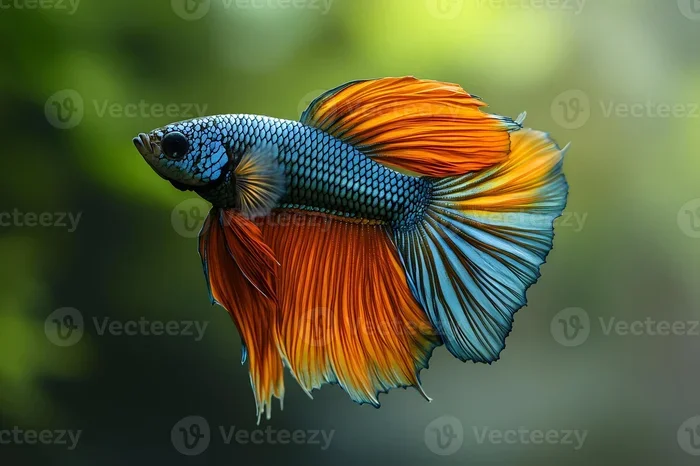
A betta fish losing its color is often caused by stress, poor water quality, illness, aging, or inadequate diet. Understanding the root cause helps you take quick action to bring back those brilliant shades. This guide walks you through every major reason your betta might be fading and gives you simple, proven fixes.
A betta fish losing its color is one of the most alarming things a fish owner can see. You wake up one morning, and your once-vivid fish looks pale, dull, or even translucent. It is natural to panic. But before you start googling frantically, take a breath. Most causes of betta fish losing color are fixable.
Color changes in bettas happen for a variety of reasons. Some are harmless and temporary. Others signal a deeper problem that needs immediate attention. This article breaks down every major cause, gives you practical solutions, and helps you understand what your fish is trying to tell you. Whether your betta is turning white, fading to pale blue, or losing its rich red, you will find answers here.
We will cover water quality, stress, diet, illness, aging, and environmental factors. By the end, you will know exactly what to check and what to fix first. Let us dive in.
Key Takeaways
- Water quality is the #1 culprit: High ammonia or nitrite levels can strip color fast.
- Stress triggers color loss: Tank mates, bright lights, and sudden changes all play a role.
- Diet matters more than you think: Without proper nutrients, bettas fade quickly.
- Aging is natural: Older bettas slowly lose vibrancy, but you can slow it down.
- Illness shows up as discoloration: Fungal, bacterial, and parasitic infections often change your fish’s appearance.
- Color can come back: With the right care and environment, most bettas regain their brilliance.
📑 Table of Contents
- Why Water Quality Causes Betta Fish to Lose Color
- Stress and Its Impact on Betta Coloration
- Diet and Nutrition: The Overlooked Cause of Color Loss
- Illness and Disease That Cause Color Changes
- Aging: The Natural Fading Process
- Environmental Factors That Fade Betta Colors
- Can Betta Fish Recover Their Color?
- Conclusion
Why Water Quality Causes Betta Fish to Lose Color
Dirty water is the biggest enemy of a betta’s vibrant colors. When toxins build up in the tank, your fish struggles to stay healthy. And one of the first signs? Color fading. This is why understanding what causes a betta fish to lose its color starts with water.
Ammonia and Nitrite Poisoning
Ammonia and nitrite are invisible killers. They build up from fish waste, uneaten food, and decaying plant matter. Even tiny amounts can damage your betta’s gills and skin. When this happens, the fish’s body diverts energy to survival instead of maintaining its pigment.
Signs of ammonia poisoning include:
- Dull or pale coloring
- Gills turning red or purple
- Rapid breathing
- Clamped fins
- Lethargy and loss of appetite
Testing your water regularly with a liquid test kit is essential. You should test for ammonia, nitrite, and nitrate at least once a week. If ammonia reads above 0 ppm, you need to act fast. A large water change of 50% can save your fish immediately.
The Role of Nitrate Buildup
Nitrate is less toxic than ammonia, but it still causes problems over time. High nitrate levels stress your betta, and stress leads to color loss. Keeping nitrate below 20 ppm is a good rule of thumb. Regular water changes are the best way to control this.
Many owners overlook this. They think their tank looks fine, so the water must be fine. But invisible chemical changes happen constantly. Testing removes the guesswork.
pH Fluctuations and Hardness
Betta fish prefer stable water parameters. Sudden pH swings can shock your fish and cause temporary or lasting color changes. The ideal pH for bettas is between 6.5 and 7.5. Water hardness (GH and KH) also plays a role in overall fish health and color vibrancy.
Using a water conditioner every time you do a water change helps stabilize these parameters. The right water for your betta makes a huge difference in maintaining bright, healthy colors.
Stress and Its Impact on Betta Coloration
Stress is a silent color killer. When a betta is stressed, its body releases cortisol. This hormone suppresses pigment production and weakens the immune system. The result is a fish that looks washed out or faded.
Common Stress Triggers
Several things in a home aquarium can stress a betta. Here are the most common ones:
- Bright or flickering lights: Betta fish prefer soft, indirect lighting. Harsh LEDs or direct sunlight can cause stress.
- Strong water current: Bettas are slow swimmers. A powerful filter output can exhaust them and strip their colors.
- Tank mates that nip or chase: Even peaceful fish can bother a betta. Fin-nippers are especially dangerous.
- Small tanks: Keeping a betta in a bowl or tank under 5 gallons creates constant stress.
- Sudden environmental changes: Moving the tank, rearranging decorations, or adding new fish can all trigger stress responses.
How to Reduce Stress and Restore Color
Reducing stress is the first step toward bringing color back. Start by checking your tank setup. Make sure the water flow is gentle. Add plants or decorations to break up sight lines. Keep the lights on a consistent schedule, about 8 to 10 hours a day. Give your betta plenty of hiding spots.
If you have multiple fish, observe their behavior closely. Any chasing, flaring, or hiding is a sign that something needs to change. A calm environment leads to a colorful betta.
Diet and Nutrition: The Overlooked Cause of Color Loss
What you feed your betta directly affects its color. A poor diet leads to malnutrition, which shows up as dull skin and faded fins. Many commercial fish foods lack the nutrients bettas need to maintain their vibrant colors.
Best Foods for Color Enhancement
Betta fish are carnivores. They need protein-rich foods. Here are the best options:
- Bloodworms: High in protein and natural pigments that enhance red and orange tones.
- Brine shrimp: Rich in carotenoids, which boost color intensity.
- Pellets designed for bettas: Look for brands with natural color-enhancing ingredients like spirulina and astaxanthin.
- Daphnia: A natural laxative and color booster.
- Frozen or live foods: These mimic what bettas eat in the wild and provide the most nutrition.
Feeding a varied diet is key. Flakes alone are not enough. If you have been feeding the same food for months, try rotating in some of these options. You may notice color improvement within two to four weeks.
Can Poor Feeding Habits Cause Color Loss?
Absolutely. Overfeeding causes bloating and poor water quality. Underfeeding leads to malnutrition and a weakened immune system. Both extremes can cause your betta to lose its color. Feed small amounts twice a day and remove any uneaten food after five minutes.
Proper feeding your betta properly is one of the simplest ways to protect their color and overall health.
Illness and Disease That Cause Color Changes
When a betta gets sick, its body prioritizes fighting the infection over maintaining its appearance. Color loss is often one of the earliest warning signs of illness. Catching these signs early can save your fish’s life.
Common Diseases That Cause Discoloration
Here are the illnesses most commonly linked to color changes in bettas:
- Fin rot: Caused by bacterial infection. Fins appear ragged, pale, or white at the edges.
- Columnaris: A bacterial disease that creates white or grayish patches on the body and fins.
- Ich (white spot disease): Tiny white dots cover the body. The fish looks dusty or pale.
- Fungal infections: White cotton-like growths appear on the skin or fins.
- Velvet disease: A gold or rust-colored dusting over the body caused by parasitic infection.
How to Identify the Problem
Look at the pattern of color loss. Is it uniform fading, or are there patches, spots, or streaks? Uniform fading often points to stress or water quality. Patches, spots, or unusual textures usually indicate disease.
If you suspect illness, isolate the fish in a quarantine tank. Treat with appropriate medication based on the symptoms. Improving water quality during treatment speeds up recovery and helps the fish regain its color faster.
Aging: The Natural Fading Process
Just like humans, betta fish naturally change as they age. Older bettas may lose some of their intense coloration over time. This is not a cause for alarm in most cases.
A betta’s lifespan is typically 3 to 5 years with good care. As they approach the end of their life, color fading can occur gradually. The fish may also become less active and eat less. These are all normal signs of aging.
However, you can slow this process. Keeping water pristine, feeding a nutrient-rich diet, and minimizing stress all help an older betta maintain its colors longer. If your fish is aging gracefully, there is no need to panic. Just keep doing what you are doing.
Environmental Factors That Fade Betta Colors
Your betta’s surroundings have a bigger impact on its color than most people realize. Several environmental factors can cause gradual or sudden fading.
Lighting Issues
Too much light can bleach a betta’s colors over time. Direct sunlight or intense aquarium lights create stress and can even promote algae growth, which clouds the water and affects how you perceive your fish’s color. On the other hand, too little light can also make colors appear dull.
The sweet spot is moderate, indirect lighting for 8 to 10 hours per day. LED lights with adjustable brightness work best.
Tank Size and Setup
Bettas need room to thrive. A tank under 5 gallons creates a stale environment that drains color and energy. A 10-gallon tank with gentle filtration, live plants, and a few hiding spots gives your betta the space to feel secure and display its best colors.
Temperature Stress
Betta fish are tropical. They need warm water between 76 and 82 degrees Fahrenheit. Cold water slows their metabolism and dulls their colors. Temperature shock from sudden changes can cause instant color loss and serious health problems.
Using a reliable heater with a thermostat keeps the temperature stable. This single change can make a dramatic difference in your betta’s appearance and well-being.
Can Betta Fish Recover Their Color?
Yes, in most cases. Once you identify and fix the cause, your betta can regain its lost color. The timeline depends on the reason for fading. Water quality improvements often show results within days. Dietary changes may take two to four weeks. Recovery from illness depends on the severity and treatment speed.
The key is patience and consistency. Keep up with regular water changes, feed a balanced diet, and maintain a calm environment. Your betta will reward you with bright, beautiful colors once again.
Remember that every betta is different. Some regain their full vibrancy. Others may only return to a slightly less intense version of their original color. Both outcomes are perfectly healthy and normal.
Conclusion
What causes a betta fish to lose its color comes down to a mix of water quality, stress, diet, illness, aging, and environment. The good news is that most of these causes are within your control. You do not need expensive equipment or advanced skills. Consistent care and attention to detail make all the difference.
Start by testing your water. Check your feeding routine. Observe your fish daily for early warning signs. Small adjustments lead to big results. Your betta deserves to live in a space that lets its colors shine. And when those brilliant reds, blues, and greens come back, you will know all the effort was worth it.
Stay proactive, stay observant, and enjoy the journey of keeping a happy, healthy, and colorful betta fish.
Frequently Asked Questions
Can stress alone cause a betta fish to lose its color?
Yes, stress is one of the most common causes of color fading in bettas. When a fish is stressed, its body releases hormones that suppress pigment production. Removing the stressor and improving the environment usually restores color within a few weeks.
How long does it take for a betta to regain its color after treatment?
It depends on the cause. Water quality improvements can show results in just a few days. Dietary changes may take two to four weeks. Recovery from illness varies but often takes one to three weeks with proper treatment.
Is color loss in bettas ever a sign of a serious illness?
Sometimes. If the color loss is accompanied by other symptoms like clamped fins, loss of appetite, or unusual spots, it could indicate a disease. In these cases, prompt treatment and improved water conditions are essential for recovery.
Can I use aquarium salt to help my betta regain its color?
Yes, aquarium salt can help with mild stress and certain infections. It supports the fish’s slime coat and reduces osmotic stress. Use it carefully and at the right dosage, as too much salt can harm bettas.
Does the type of food really affect a betta’s color?
Absolutely. Foods rich in natural pigments like carotenoids and astaxanthin directly enhance color intensity. Bloodworms, brine shrimp, and color-enhancing pellets are excellent choices for maintaining and boosting your betta’s vibrancy.
Should I be worried if my old betta starts losing color?
Not necessarily. Aging bettas naturally fade over time. However, if the fading is sudden or accompanied by other symptoms, it is worth checking water quality and looking for signs of illness. Regular care can help older bettas maintain their colors longer.
=== INTERNAL LINKS ===
Understanding why a betta fish loses its color is the first step toward effective treatment. Many owners discover that simple changes in their routine make a massive difference. For more on maintaining the right environment, check out the right water for your betta and learn how feeding your betta properly plays a crucial role in keeping their colors bright and vibrant.