What Causes a Betta Fish to Lay on Its Side
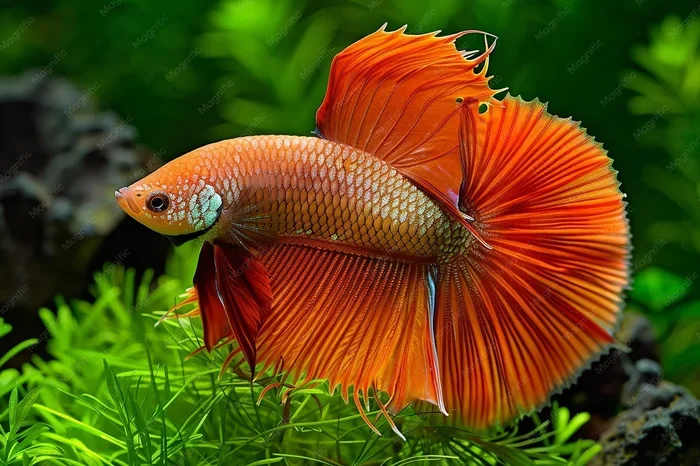
A betta fish laying on its side is a worrying sign that something is off with its health or environment. Common causes include swim bladder disease, poor water quality, overfeeding, and infections. This guide walks you through every reason, fix, and prevention step so you can help your betta recover quickly.
There is nothing more alarming than watching your betta fish lay on its side in the tank. One moment your fish is swimming gracefully, and the next it is lying flat, struggling to stay upright. If you have seen this happen, you are not alone. Many betta fish owners face this scary situation at some point.
The good news is that a betta fish laying on its side is often treatable. The key is figuring out what caused it in the first place. In this article, we will break down every possible reason and give you clear, step-by-step solutions. Whether your betta has been doing this for hours or days, you will find the answers you need right here.
We will cover everything from swim bladder disease to water quality problems and everything in between. By the end, you will know exactly what to do. You will also learn how to prevent this from happening again. Let us get into it and help your betta fish feel better.
Key Takeaways
- Swim bladder disease is the most common reason a betta fish lays on its side.
- Poor water quality and incorrect tank conditions can trigger this behavior fast.
- Overfeeding and constipation put real pressure on your betta’s internal organs.
- Infections like fin rot and ich can cause your betta to lay on its side.
- Quick action and proper treatment can save your betta fish’s life.
- Prevention through good tank maintenance keeps your betta healthy long-term.
📑 Table of Contents
- What Does It Mean When a Betta Fish Lays on Its Side?
- Swim Bladder Disease: The #1 Cause
- Poor Water Quality: A Silent Killer
- Overfeeding and Digestive Problems
- Infections and Diseases That Cause Side-Laying
- Environmental and Tank Setup Issues
- How to Prevent Your Betta From Laying on Its Side
- When to Seek Professional Help
- Conclusion
What Does It Mean When a Betta Fish Lays on Its Side?
When a betta fish lays on its side, it means something is disrupting its normal balance or buoyancy. Healthy bettas swim upright and move freely through the water. A fish that keeps flipping or resting on its side has lost control of its position in the tank.
This behavior is a clear distress signal. It tells you that your betta is not feeling well or that something in its environment is wrong. Some bettas may lay on their side briefly and then recover. Others stay in that position for hours or even days. The duration and severity help you figure out the cause.
If you noticed your betta floating on its side or resting at the bottom of the tank sideways, do not panic. There are many reasons this can happen, and most are fixable. The important thing is to act quickly and check a few key things in your tank.
Is It the Same as Floating Sideways?
Some people use different terms for the same problem. A betta laying on its side, floating sideways, or swimming on its side can all point to similar root causes. The main difference is whether the fish is at the top of the tank, the bottom, or somewhere in between. Each position can hint at a specific issue we will cover below.
For more on why bettas float on their side, check out our guide on why a betta fish lays on its side. It covers this topic in even more detail.
Swim Bladder Disease: The #1 Cause
The swim bladder is a small organ inside your betta fish that controls buoyancy. Think of it like a tiny balloon that helps your fish float at different depths. When this organ gets infected, damaged, or blocked, your betta loses its ability to stay upright.
Swim bladder disease is the single most common reason a betta fish lays on its side. The fish simply cannot control its position in the water anymore. It might float to the top upside down, sink to the bottom, or lie on its side.
What Causes Swim Bladder Problems?
Several things can damage or disrupt the swim bladder:
- Overfeeding — This is the biggest culprit. Too much food bloats the stomach, which presses against the swim bladder.
- Constipation — When a betta cannot pass waste, the buildup puts pressure on internal organs including the swim bladder.
- Air swallowing — Betta fish that gulp air at the surface can accidentally introduce air into their digestive system.
- Bacterial or viral infection — Infections can inflame the swim bladder directly.
- Physical injury — A hard bump or fight can bruise the swim bladder organ.
How to Treat Swim Bladder Disease
Start by fasting your betta for two to three days. This gives the digestive system time to clear out. After the fast, feed a single boiled pea (no shell) to help get things moving. You can also raise the tank temperature slightly to around 78-80°F, which speeds up digestion.
If the issue does not improve after a few days, consider a betta-safe treatment for bacterial infections. Epsom salt baths can also help reduce swelling. For more detailed treatment steps, our article on why does my betta fish keep laying on its side has additional treatment options that work well.
Poor Water Quality: A Silent Killer
Your betta fish lives in water. That water is its entire world. If the water quality drops, your fish will show signs of stress and illness fast. One of the first warning signs is often a betta laying on its side or at the bottom of the tank.
Dirty water contains ammonia, nitrite, and nitrate buildup that irritates your betta’s gills and skin. Even small amounts of ammonia can cause serious harm. Over time, poor water conditions weaken the immune system and make your fish vulnerable to disease.
What Water Parameters Matter Most?
Keep these key parameters in check to protect your betta:
- Ammonia: 0 ppm (parts per million). Any level above zero is dangerous.
- Nitrite: 0 ppm. This toxin is just as harmful as ammonia.
- Nitrate: Below 20 ppm. Higher levels cause stress over time.
- pH: Between 6.5 and 7.5. Stable pH matters more than hitting a perfect number.
- Temperature: 76-82°F. Sudden temperature swings are very harmful.
For the best water choices for your tank, read our guide on what water to use for a betta fish. Using the wrong type of water can cause problems you might not even realize at first.
How to Fix Water Quality Issues
Do a 25-50% water change immediately if you suspect poor water quality. Use a gravel vacuum to remove waste from the substrate. Test your water with a reliable liquid test kit. Never use soap or household cleaners to clean your tank. Always make sure your filter is running properly and that the water flow is gentle enough for your betta.
Overfeeding and Digestive Problems
Betta fish have small stomachs. In the wild, they eat tiny insects and larvae throughout the day in small amounts. In a home tank, many owners make the mistake of giving too much food at once. This leads to a cascade of digestive problems that can cause your betta to lay on its side.
Overfeeding causes bloating, constipation, and swim bladder issues. A bloated betta cannot swim properly and often rests on its side or at the bottom of the tank. The uneaten food also rots in the water, making ammonia levels spike and further stressing your fish.
Signs Your Betta Is Being Overfed
Watch for these warning signs:
- A swollen or rounded belly that does not go down after feeding.
- Long strings of waste hanging from the fish.
- Food left in the tank after feeding time.
- Your betta laying on its side shortly after eating.
- Loss of interest in food over time.
Best Feeding Practices
Feed your betta two to three small meals per day. Each meal should be no bigger than the size of your betta’s eye. High-quality betta pellets are the best staple food. You can supplement with frozen or live foods like brine shrimp and bloodworms once or twice a week. Always remove any uneaten food within five minutes.
If your betta is already constipated, skip feeding for a day or two. A single skinless boiled pea can work wonders as a natural laxative. Just make sure to mash it up into a small piece before offering it.
Infections and Diseases That Cause Side-Laying
Sometimes a betta fish lays on its side because of an infection or disease. These health issues affect the body internally and can quickly disrupt your fish’s ability to swim normally. Bacterial, fungal, and parasitic infections are all possible culprits.
Fin Rot
Fin rot is a bacterial infection that eats away at your betta’s fins and tail. As the fins deteriorate, your betta loses its ability to steer and balance properly. In severe cases, a betta with fin rot may lay on its side because it simply cannot swim correctly anymore.
Look for ragged or discolored fins, red edges, or fins that appear to be melting away. If you catch fin rot early, water changes and aquarium salt treatments can help. For advanced cases, a betta-safe antibiotic may be necessary. Our guide on how to cure fin rot on a betta fish covers treatment in detail.
Ich (White Spot Disease)
Ich is a parasitic infection that shows up as tiny white spots on your betta’s body and fins. The parasite irritates the skin and gills, making your fish extremely uncomfortable. A betta with ich may scratch against objects, breathe rapidly, and in severe cases, lay on its side.
To treat ich, raise the tank temperature to 82°F and add aquarium salt. A dedicated ich treatment medication from your fish store can also speed up recovery. For a full treatment guide, check out our article on how to treat ich on a betta fish.
Other Infections to Watch For
Other health issues like bacterial body infections, fungal growth, and internal parasites can all cause your betta to lose its balance. These often show additional symptoms like clamped fins, loss of color, lethargy, or loss of appetite. If your betta shows multiple symptoms at once, it is best to start treatment quickly and consult a fish veterinarian if needed.
Environmental and Tank Setup Issues
Your betta fish tank setup plays a huge role in your fish’s health and behavior. Problems with the tank environment can cause stress, illness, and the infamous side-laying behavior. Let us look at the most common environmental causes.
Tank Size Matters
Many people keep bettas in tanks that are too small. A tank under 5 gallons makes it very hard to maintain stable water parameters. A cramped space also causes stress, which weakens the immune system. Ideally, your betta should have at least a 5-gallon tank, but bigger is always better.
Filter Current Too Strong
Betta fish are not strong swimmers. They come from slow-moving rice paddies and shallow waters in Southeast Asia. If your filter creates a strong current, your betta will struggle to swim against it. This constant exhaustion can lead to your fish laying on its side or hiding in corners.
Use a sponge filter or adjust your filter output with a baffle. The water flow should be gentle enough that your betta swims comfortably without effort.
Lack of Hiding Spots
Betta fish need places to rest and feel safe. A bare tank with no decorations causes chronic stress. Add plants (live or silk), caves, and driftwood to create a comfortable environment. When your betta feels secure, it is less likely to develop stress-related health problems.
Lighting Issues
Too much light or no light at all can disrupt your betta’s natural rhythm. Bettas need a regular day-night cycle. Keep the tank light on for 8-10 hours per day and turn it off at night. This helps reduce stress and keeps your fish on a healthy schedule.
How to Prevent Your Betta From Laying on Its Side
Prevention is always better than cure. Once you know what causes a betta fish to lay on its side, you can take steps to stop it from happening again. Here are the most effective prevention strategies:
- Keep water clean — Perform weekly water changes of 25-30%. Test parameters regularly with a liquid test kit.
- Feed properly — Stick to small, measured meals two to three times a day. Do not overfeed no matter how much your betta begs for food.
- Maintain stable temperature — Use a reliable aquarium heater and keep the temperature between 76-82°F.
- Use a gentle filter — Choose a sponge filter or adjust flow to create minimal current.
- Quarantine new fish — If you add new fish to your tank, keep them in a separate tank for two weeks first to prevent disease spread.
- Provide enrichment — Add plants, decorations, and hiding spots to keep your betta mentally stimulated and stress-free.
- Watch for early signs — Check on your betta daily. Catching changes in behavior early gives you the best chance to fix problems quickly.
By following these simple steps, you create a healthy environment where your betta fish can thrive. A well-maintained tank is the best defense against most health problems that cause side-laying behavior.
When to Seek Professional Help
Most cases of a betta fish laying on its side can be treated at home with the steps outlined above. However, there are times when you need professional help. If your betta does not improve after 3-5 days of treatment, if the fish stops eating entirely, or if you notice rapid deterioration, it is time to consult a veterinarian who specializes in fish health.
Also, if your betta has visible wounds, severe fin damage, or unusual growths, a professional evaluation is important. Some conditions like internal infections or organ failure require medications that are not available over the counter. Do not wait too long to seek help. The faster you act, the better your betta’s chances of recovery.
Conclusion
A betta fish laying on its side is a serious but usually treatable condition. The most common causes are swim bladder disease, poor water quality, overfeeding, infections, and tank setup problems. By understanding these causes, you can take quick action to help your fish recover. Remember to check your water parameters first, adjust feeding habits, and watch for signs of infection. With patience and proper care, most bettas bounce back fully. Keep your tank clean, feed wisely, and your betta will swim happily for years to come.
Frequently Asked Questions
Why did my betta fish suddenly start laying on its side?
A sudden onset of side-laying usually points to swim bladder disease, a water quality spike, or overfeeding. Check your tank parameters immediately and fast your fish for a day or two. Most sudden cases are treatable if you act quickly.
Can a betta fish recover from laying on its side?
Yes, most bettas recover fully when the underlying cause is identified and treated promptly. Swim bladder issues often resolve with fasting and dietary adjustments. Water quality problems clear up after a partial water change. The key is not to wait too long before starting treatment.
Is a betta fish laying on its side always a sign of illness?
Not always. Sometimes a betta may rest on its side briefly after a big meal or during a nap. However, if the behavior continues for more than a few hours or happens repeatedly, it is almost always a health or environmental issue that needs attention.
How long can a betta fish survive while laying on its side?
This depends entirely on the cause. A fish suffering from constipation or mild swim bladder issues can recover within days with proper care. A fish with a severe infection or extreme water toxicity may decline within hours. Early intervention is critical for survival.
What should I do right now if my betta is laying on its side?
First, test your water parameters to rule out ammonia or nitrite poisoning. Then fast your fish for 24-48 hours and check the water temperature. If the fish does not improve after this, look for signs of infection and consider treatment options like aquarium salt or medication.
Can stress cause a betta fish to lay on its side?
Yes, chronic stress weakens a betta’s immune system and can contribute to health problems that cause side-laying. Common stressors include poor water quality, aggressive tankmates, incorrect temperature, and lack of hiding spots. Reducing stress through proper tank setup is one of the best prevention methods.