Why Does My Betta Fish Keep Laying on Its Side
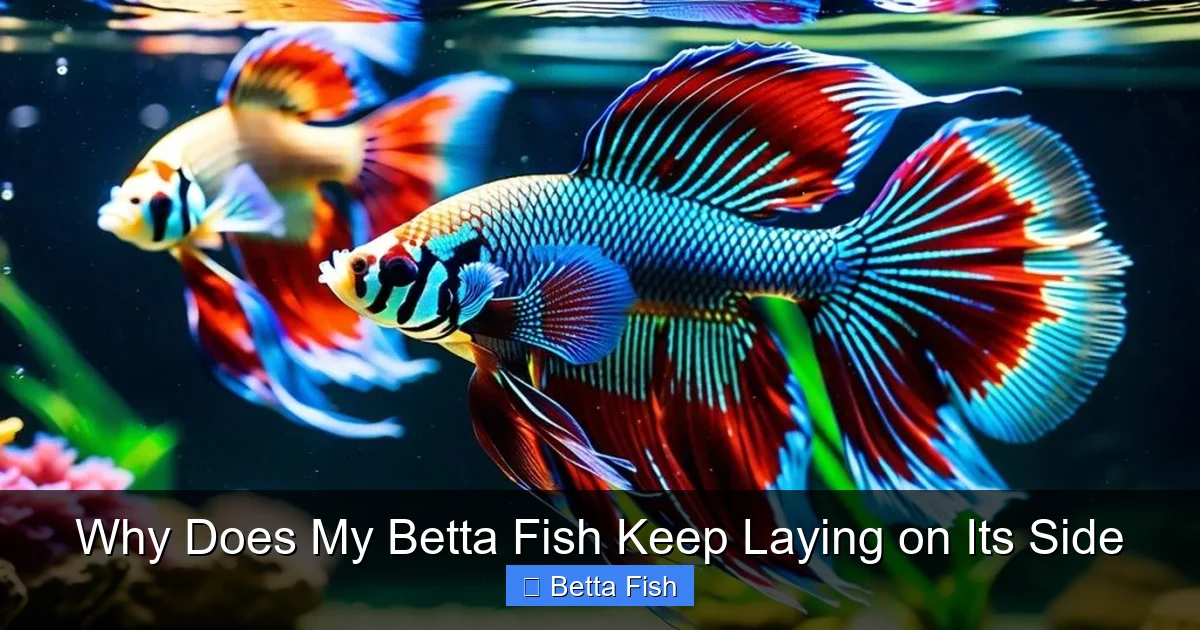
Seeing a betta fish lying on its side can be alarming, but it’s often a clue to an underlying problem. This guide explains the most common causes, from water quality to disease, and gives you clear, friendly actions to help your finned friend bounce back.
Key Takeaways
- Understanding why does my betta fish keep laying on its side: Provides essential knowledge
📑 Table of Contents
- Introduction: When Your Betta Turns Upside‑Down
- 1. Water Quality – The Silent Culprit
- 2. Temperature and Oxygen – Keeping the Balance
- 3. Swim Bladder Disorders – The Most Direct Reason
- 4. Infectious Diseases and Parasites
- 5. Stress Factors in the Tank
- 6. Nutrition – Feeding for a Strong Swim Bladder
- 7. When to Seek Professional Help
- Conclusion: Turning the Tide for Your Betta
Introduction: When Your Betta Turns Upside‑Down
Imagine you’re checking on your betta after a busy day and you find it lying on its side, motionless or barely moving. It’s a scene that can make any fish keeper’s heart skip a beat. The good news? In most cases the problem is fixable, and you don’t need to become a marine veterinarian overnight.
In this article we’ll explore the question why does my betta fish keep laying on its side from every angle—water chemistry, stress, disease, and even simple mistakes we all make. By the end you’ll have a checklist you can use right away, plus a few preventative habits that keep your betta swimming upright for life.
1. Water Quality – The Silent Culprit
Why clean water matters
Betta fish are native to shallow, slow‑moving waters in Southeast Asia. They thrive in stable, clean environments. When ammonia, nitrite, or nitrate spikes, the fish’s gills and internal organs become stressed, often leading to a loss of buoyancy.
How to test and fix
- Test weekly: Use a liquid test kit to check ammonia (0 ppm), nitrite (0 ppm), nitrate (<20 ppm), and pH (6.5‑7.5).
- Partial water changes: Replace 25‑30 % of the tank water every 2‑3 days until parameters are stable.
- Filter maintenance: Rinse filter media in tank water (not tap water) to preserve beneficial bacteria.
If you’re unsure how to interpret results, our article on why betta fish floating on its side provides a quick reference for common water‑related symptoms.
2. Temperature and Oxygen – Keeping the Balance
Temperature swings
Betta fish prefer a steady 78‑80 °F (25‑27 °C). Rapid drops or spikes can shock the swim bladder, making the fish tumble onto its side.
Oxygen levels
Even though bettas can gulp air from the surface, low dissolved oxygen still stresses them. A gentle air stone or a small, low‑flow filter can improve circulation without creating a current that stresses the betta.
3. Swim Bladder Disorders – The Most Direct Reason
What is the swim bladder?
The swim bladder is a gas‑filled organ that helps the fish control its depth. Damage, infection, or constipation can cause it to fill unevenly, resulting in the fish lying on its side.
Common triggers
- Overfeeding or feeding dry pellets that expand in the gut.
- Constipation from a diet low in fiber.
- Physical injury from rough décor or aggressive tank mates.
Simple home remedies
Give a fast‑acting “pea treatment”: soak a frozen peas in warm water, mash it, and feed a small piece once daily for 2‑3 days. The fiber helps clear the gut and often restores buoyancy.
4. Infectious Diseases and Parasites
Bacterial infections
Bacterial overgrowth can cause inflammation of the gastrointestinal tract, leading to a swollen belly and side‑lying posture. Look for fuzzy patches on the body or frayed fins.
Parasites
Internal parasites like Hexamita irritate the gut, causing loss of appetite and poor buoyancy. External parasites such as ich can also stress the fish enough to affect its swim bladder.
When to treat
If you notice additional signs—white spots, ragged fins, or a sudden loss of color—consult a vet or use a broad‑spectrum antibiotic designed for fish. Our guide on why does my betta fish fins look shredded explains how to recognize fin damage linked to disease.
5. Stress Factors in the Tank
Lighting and day/night cycle
Betta fish need a regular light schedule (about 10‑12 hours of light). Constant bright light can cause chronic stress, weakening the immune system and affecting buoyancy.
Tank mates and aggression
Even though many keep bettas alone, some owners house them with peaceful species. A nippy tank mate can cause injuries that lead to side‑lying. If you see fin nipping or the betta hiding more than usual, consider re‑homing the other fish.
Improper décor
Sharp edges, rough rocks, or a tank that’s too small (less than 2.5 gallons) can trap the betta, causing injury to the swim bladder.
6. Nutrition – Feeding for a Strong Swim Bladder
Balanced diet basics
High‑quality betta pellets should make up 70‑80 % of the diet. Supplement with frozen or live foods (brine shrimp, daphnia) 2‑3 times a week for protein variety.
Avoid overfeeding
Feed only what your betta can eat in 2‑3 minutes, once or twice daily. Overfeeding is a leading cause of constipation and swim bladder issues.
Special dietary concerns
If your betta is prone to floating on its side, add a small amount of blanched spinach or a commercial fiber supplement to the diet.
7. When to Seek Professional Help
If you’ve corrected water parameters, adjusted temperature, and tried the pea treatment, yet your betta continues to lie on its side for more than 48 hours, it’s time to consult a veterinarian who specializes in fish. Persistent symptoms may indicate a deeper internal infection or organ failure that requires medication.
Conclusion: Turning the Tide for Your Betta
Understanding why does my betta fish keep laying on its side is a matter of checking the basics first—water quality, temperature, and diet—then moving to health and stress factors. Most owners can resolve the issue with a few targeted actions, and the payoff is watching their vibrant companion swim confidently once again. Keep a regular maintenance schedule, observe any subtle changes, and don’t hesitate to act quickly. Your betta will thank you with bright colors, lively fins, and a proud upright stance.
Frequently Asked Questions
Why is my betta fish floating on its side?
Floating on the side is often a sign of swim bladder trouble, poor water quality, or an internal infection. Checking water parameters and feeding a pea can usually help.
Can water temperature cause my betta to lie on its side?
Yes. Sudden drops or spikes in temperature stress the fish’s internal organs, including the swim bladder, leading to side‑lying behavior.
What should I do if my betta won’t eat and is lying on its side?
First, ensure the water is clean and at the right temperature. Offer a peeled, blanched pea or a small amount of live food. If appetite doesn’t improve, consider a vet check.
Is a bubble nest related to side‑lying?
Not directly, but a stressed betta may stop building a bubble nest. If you notice both issues, examine water quality and look for signs of disease.
How often should I change the water to prevent side‑lying?
Change 25‑30 % of the tank water every 2‑3 days until parameters are stable, then shift to a weekly 20‑25 % change routine.
Can a cracked tank glass cause my betta to lay on its side?
Physical injury from broken glass can damage the swim bladder. Inspect the tank for sharp edges and replace any damaged décor immediately.