What Causes a Betta Fish to Get Blackened Scales
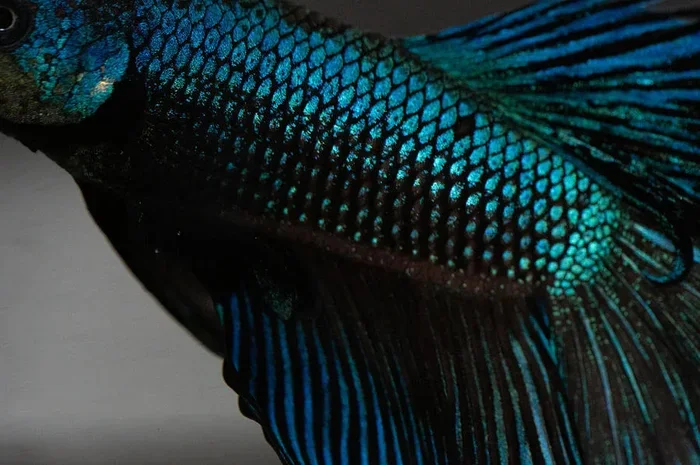
Blackened scales on a betta fish can result from several causes, including poor water quality, stress, bacterial infections, and dietary issues. Understanding the root cause is the first step toward restoring your betta’s natural color and health. This guide covers every major reason and offers practical solutions.
Watching your beloved betta fish slowly develop blackened scales can be alarming. You want to help, but you need to know what is causing the change first. The good news is that most causes are fixable once you identify the problem.
This article breaks down every major reason your betta fish might develop blackened scales. We will cover water quality issues, infections, stress, and diet. You will also learn how to treat and prevent the problem so your fish stays healthy and colorful.
Blackened scales are not always a death sentence. In many cases, a simple tank adjustment brings your betta back to life. Let us dive in and explore the causes, treatments, and prevention strategies together.
## Understanding Betta Fish Scales and Color Changes
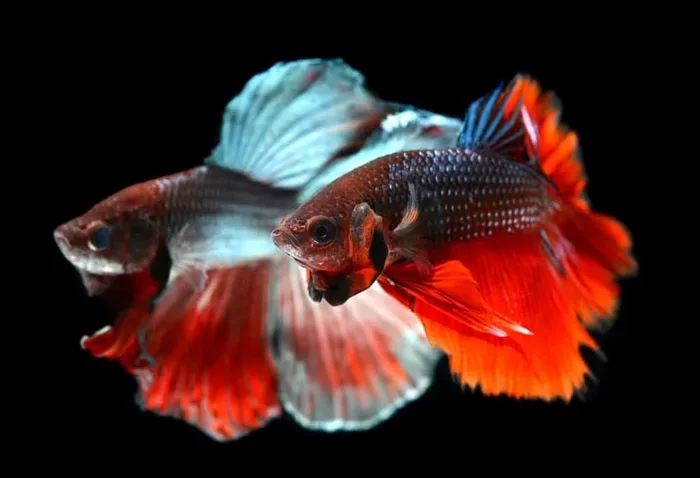
Betta fish are known for their vibrant colors and flowing fins. Their scales naturally reflect a wide range of hues, from deep blues and reds to shimmering greens and purples. When those scales start turning black, it is a sign that something in the environment or the fish’s body needs attention.
Color changes in betta fish can happen gradually or suddenly. A slow darkening over weeks might point to a chronic issue like water quality or diet. A sudden shift could indicate an acute infection or a stressful event in the tank. Either way, betta fish color change is the body’s way of telling you something is off.
### Why Scales Change Color
Scales act as a protective barrier for your betta. They also play a role in temperature regulation and camouflage. When the fish is healthy, scales lie flat and reflect light beautifully. When something disrupts that balance, the scales can darken, lift, or develop patches.
Several factors influence scale color:
- Water chemistry: Ammonia, nitrite, and nitrate levels directly affect scale health.
- Temperature: Too cold or too warm water stresses the fish and can alter pigmentation.
- Diet: Nutrients like carotenoids and spirulina support vibrant coloration.
- Genetics: Some bettas naturally darken as they age or during breeding seasons.
- Illness: Infections and parasites attack the scale structure and cause discoloration.
## Poor Water Quality: The Leading Cause of Blackened Scales
The single most common cause of blackened scales in betta fish is poor water quality. Betta fish are sensitive creatures. Even small changes in water chemistry can trigger a cascade of health problems, starting with the scales.
When ammonia or nitrite levels spike, the fish’s body reacts. Blood flow to the extremities slows, and the scales may darken as a stress response. Over time, prolonged exposure to bad water causes permanent scale damage.
### How to Test Your Water
Testing your aquarium water should be a weekly habit. You need a reliable liquid test kit, not just test strips. Here are the parameters you should monitor:
- Ammonia: Should be 0 ppm. Anything above 0.25 ppm is dangerous.
- Nitrite: Should be 0 ppm. Even low levels cause stress.
- Nitrate: Should be below 20 ppm. Higher levels weaken the immune system.
- pH: Bettas thrive in a pH range of 6.5 to 7.5.
- Temperature: Keep the water between 78°F and 80°F for optimal health.
If any of these parameters are off, a water change is your first step. Using the right water for your betta tank makes a huge difference in preventing scale discoloration.
### The Role of Tank Cycling
A properly cycled tank is essential for betta health. Cycling builds beneficial bacteria that break down harmful waste. Without a cycle, ammonia builds up fast and attacks the fish at the scale level.
If you are setting up a new tank, be patient. The cycling process takes 4 to 6 weeks. Rushing it puts your betta at serious risk of scale rot and other infections.
## Stress and Environmental Factors
Stress is a silent killer for betta fish. When a betta is stressed, its body releases cortisol. This hormone suppresses the immune system and can cause physical changes, including scale darkening.
### Common Stress Triggers
Many things in a home aquarium can stress out a betta. Here are the most common culprits:
- Overcrowded tanks: Bettas need at least 5 gallons of space. Smaller tanks cause chronic stress.
- Bright or flickering lights: Too much light disrupts their sleep cycle and causes anxiety.
- Aggressive tank mates: Fish that nip fins or chase your betta create constant tension.
- Loud noises: Vibrations near the tank can startle bettas and raise stress levels.
- Sudden water changes: Drastic temperature or pH shifts shock the fish.
- Lack of hiding spots: Bettas feel safer with plants and caves to retreat to.
If your betta shows blackened scales alongside clamped fins, loss of appetite, or lethargy, stress is likely the cause. Addressing the environment first often reverses the color change.
### Can Stress Cause Permanent Damage?
In most cases, stress-related scale darkening is temporary. Once you remove the stressor and improve conditions, the scales gradually return to their natural color. However, prolonged, unmanaged stress can lead to permanent scale loss or secondary infections.
The key is to act quickly. The sooner you fix the environment, the better the outcome for your fish.
## Bacterial and Fungal Infections
Infections are another major cause of blackened scales in betta fish. Bacteria and fungi thrive in poor water conditions and attack weakened fish. Once they take hold, they can damage the scale structure and cause dark patches.
### Scale Rot (Bacterial Infection)
Scale rot is one of the most serious conditions that cause scale darkening. It happens when bacteria eat away at the protective layer of the scales. The affected areas turn black or dark brown and may begin to lift or fall off.
Signs of scale rot include:
- Black or dark patches on the scales
- Lifted or peeling scales
- Foul odor from the tank
- Redness or inflammation around the affected area
- Loss of appetite and lethargy
Treatment for scale rot involves improving water quality first. A 25% water change and gravel vacuuming are essential. You can also use aquarium salt or a broad-spectrum fish antibiotic if the infection is severe.
### Fungal Infections
Fungal infections are less common than bacterial ones but still dangerous. They appear as white or gray cotton-like growths on the body and scales. If left untreated, the infection can cause secondary darkening of the scales.
Fungal infections often follow a bacterial infection or injury. Keeping the tank clean and maintaining good water parameters is the best prevention.
## Diet and Nutritional Deficiencies
What you feed your betta directly impacts the health of its scales. A poor diet leads to nutritional gaps that weaken the scale structure and cause discoloration. Over time, this can result in blackened scales and a dull appearance.
### Best Foods for Vibrant Scales
A varied diet keeps betta scales healthy and colorful. Here are the best food options:
- High-quality betta pellets: Look for pellets with a protein content of at least 35%.
- Brine shrimp: A natural color enhancer rich in carotenoids.
- Daphnia: Great for digestion and overall health.
- Bloodworms: A treat that supports vibrant red and orange pigments.
- Spirulina flakes: Packed with nutrients that boost scale color and immune function.
Feeding the right food in the right amounts matters just as much as the food itself. Overfeeding causes constipation and poor water quality, which indirectly affects scale health.
What to feed your betta fish is one of the most important topics for any betta owner. A proper diet prevents many common health issues, including scale discoloration.
### How Often Should You Feed Your Betta?
Feeding your betta twice a day is the standard recommendation. Offer only what your fish can eat in two minutes. Uneaten food decays in the tank and spikes ammonia levels, which harms the scales.
Skipping one feeding day per week can also help. It gives the digestive system a break and prevents constipation.
## Other Causes of Blackened Scales
Beyond water quality, stress, infection, and diet, there are a few other reasons your betta might develop blackened scales. Understanding these less common causes helps you cover all the bases.
### Genetics and Age
Some bettas naturally darken as they mature. This is especially common in marble and cambodian bettas, which have genes that cause color shifts throughout their lives. If your betta has always been a color-changer, blackened scales may be completely normal.
Aging also causes subtle darkening in many betta fish. A very old betta may develop darker patches on the scales that are not a sign of illness.
### Injury and Physical Damage
Bettas can injure their scales during fights, rough play, or collisions with tank decorations. Damaged scales often turn dark as they heal. This type of darkening is usually localized and resolves on its own with proper care.
### Medication Side Effects
Some medications, especially those containing malachite green or methylene blue, can temporarily darken scales. If you recently treated your betta for another condition, check the medication side effects. The darkening should fade after treatment ends.
## How to Treat Blackened Scales in Betta Fish
Treating blackened scales starts with identifying the cause. Once you know the root problem, you can take targeted action. Here is a step-by-step approach:
- Test the water: Check ammonia, nitrite, nitrate, pH, and temperature. Record the results.
- Perform a water change: Replace 25-50% of the tank water with treated, temperature-matched water.
- Remove stressors: Adjust lighting, remove aggressive tank mates, and add hiding spots.
- Improve the diet: Switch to high-quality pellets and add color-enhancing foods.
- Treat infections: If you see signs of bacterial or fungal infection, use appropriate medication.
- Monitor progress: Watch the scales daily for improvement. Document changes with photos.
### Quick Tips for Faster Recovery
- Add Indian almond leaves to the tank. They release tannins that support healing and reduce stress.
- Keep the tank lights dim for the first few days of treatment.
- Avoid handling the fish unnecessarily during recovery.
- Maintain a consistent feeding schedule with small, frequent meals.
## Preventing Blackened Scales in the Future
Prevention is always easier than treatment. Once your betta’s scales return to normal, you want to keep them healthy for the long term. A few consistent habits make all the difference.
### Daily and Weekly Maintenance Routines
Daily:
- Feed your betta the right amount at the same times each day.
- Observe your fish for any changes in behavior or appearance.
- Check the tank temperature to make sure it stays stable.
Weekly:
- Test water parameters and record the results.
- Perform a 25% water change with dechlorinated water.
- Vacuum the gravel to remove debris and waste.
- Rinse filter media in old tank water, never tap water.
### Building a Healthy Tank Environment
A well-maintained tank is the foundation of healthy scales. Invest in a good filter, a reliable heater, and a thermometer. Betta fish need a filter to keep waste under control and maintain stable water chemistry.
Live plants also help. They absorb nitrates, produce oxygen, and create a natural, calming environment for your betta. Plants like java fern, anubias, and amazon sword work great in betta tanks.
## Common Mistakes That Lead to Blackened Scales
Even experienced fish keepers make mistakes. Here are the most common ones that lead to scale darkening:
- Skipping water changes: This is the number one mistake. Waste builds up fast and poisons the fish.
- Overfeeding: Excess food rots and spikes ammonia levels within hours.
- Using soap or chemicals to clean the tank: Residue is toxic to bettas and damages scales.
- Ignoring early warning signs: Lethargy, loss of appetite, and fading color are cries for help.
- Keeping the tank in direct sunlight: This causes algae blooms and temperature swings.
Avoiding these mistakes alone can prevent most cases of blackened scales.
## Expert Insights on Betta Scale Health
Veterinary aquarists and experienced betta breeders agree on a few key points about scale health. First, water quality is the foundation of everything. No amount of fancy food or supplements can compensate for a dirty tank.
Second, stress is the hidden trigger behind many scale problems. Bettas are territorial and sensitive. Even small changes in their environment can cause a physiological response that shows up in the scales.
Third, early intervention is critical. The moment you notice blackened scales, start investigating the cause. Waiting even a few days can allow a minor issue to become a serious one.
## Conclusion
Blackened scales on a betta fish are a warning sign, but they are not a hopeless situation. Most causes are manageable with the right knowledge and consistent care. Poor water quality, stress, infections, and diet are the main culprits, and each one has a clear solution.
Start by testing your water and making immediate improvements. Adjust the environment to reduce stress. Feed a balanced, nutritious diet. And watch your betta closely for signs of recovery. With patience and attention, your betta’s scales can return to their natural vibrancy.
Taking care of a betta fish is a rewarding responsibility. Every effort you make to understand your fish’s needs pays off in a happier, healthier, and more colorful companion. Keep learning, keep observing, and your betta will thrive.
Key Takeaways
- Poor Water Quality: Ammonia and nitrate spikes are the #1 cause of blackened scales in betta fish.
- Stress and Environment: Overcrowding, bright lights, and aggressive tank mates can cause color changes.
- Bacterial and Fungal Infections: Scale rot and other infections lead to darkening and deterioration.
- Diet Matters: Nutritional deficiencies can weaken scales and cause discoloration over time.
- Early Detection Helps: Catching the signs early makes treatment much more effective.
- Prevention Is Key: Regular water changes and proper tank maintenance keep scales healthy.
Frequently Asked Questions
Can blackened scales in a betta fish be reversed?
Yes, in most cases blackened scales can be reversed once you address the underlying cause. Improving water quality, reducing stress, and adjusting the diet often brings the scales back to their natural color within a few weeks.
How long does it take for betta scales to return to normal after treatment?
Recovery time varies depending on the cause and severity. Mild cases caused by water quality issues may improve within 7 to 14 days. More serious infections or prolonged damage can take several weeks to fully resolve.
Is it normal for betta fish scales to change color as they age?
Yes, some bettas naturally darken or lighten as they age. Marble and cambodian bettas are especially prone to color changes throughout their lives. However, sudden or patchy darkening is usually a sign of a problem that needs attention.
Can I use aquarium salt to treat blackened scales caused by infection?
Aquarium salt can help with mild bacterial and fungal infections that cause scale darkening. Use it at the recommended dosage of 1 teaspoon per gallon and monitor your betta closely. If the condition does not improve, consult a fish veterinarian for stronger treatment options.
What water parameters are most important for preventing blackened scales?
The most critical parameters are ammonia (0 ppm), nitrite (0 ppm), nitrate (below 20 ppm), pH (6.5 to 7.5), and temperature (78°F to 80°F). Keeping these stable through regular water changes and proper filtration prevents most scale-related problems.
Should I quarantine my betta if I notice blackened scales?
Yes, quarantine is a good idea if you suspect an infection or if your betta lives with other fish. A separate hospital tank allows you to treat the fish without spreading disease and lets you monitor progress closely in a controlled environment.