What Can I Use to Clean My Betta Fish Tank
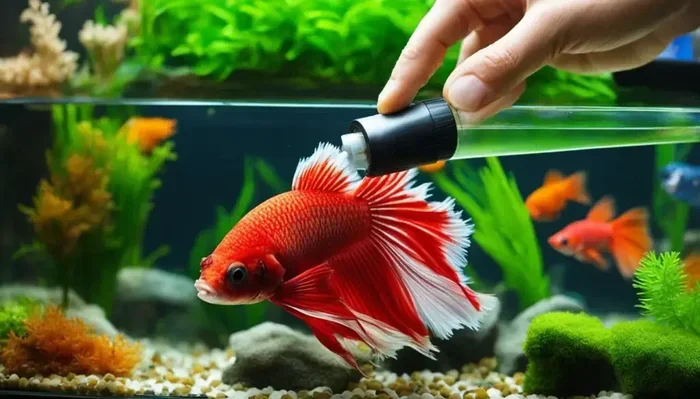
Keeping your betta fish tank clean is essential for your fish’s health and happiness. You can use fish-safe cleaners, gravel vacuums, algae scrapers, and water conditioners to maintain a sparkling tank. Always avoid soap, bleach, and harsh chemicals that can harm your betta. This guide covers every safe cleaning product and tool you need.
Key Takeaways
- Use fish-safe cleaners only: Avoid soap, bleach, and detergent at all costs.
- Gravel vacuums and algae scrapers are essential tools: They make cleaning faster and more effective.
- Always use a water conditioner: It removes chlorine and heavy metals from tap water before adding it to the tank.
- Never replace all the water at once: Partial water changes of 20-30% weekly keep beneficial bacteria alive.
- Follow a regular cleaning schedule: Consistency prevents waste buildup and keeps your betta healthy.
- Natural options like aquarium salt and white vinegar work well: But use them carefully and rinse thoroughly.
- Clean filter media in old tank water: This preserves the beneficial bacteria your tank needs.
📑 Table of Contents
- Why Cleaning Your Betta Fish Tank Matters
- Safe Cleaning Supplies You Can Use
- Tools and Equipment for Tank Cleaning
- Step-by-Step Tank Cleaning Process
- Comparison Table: Cleaning Products
- Common Mistakes to Avoid
- How Often Should You Clean Your Betta Tank
- Expert Insights on Betta Tank Cleaning
- Conclusion
Why Cleaning Your Betta Fish Tank Matters
Cleaning your betta fish tank is one of the most important parts of betta fish tank cleaning. A dirty tank can make your fish sick. It can even shorten their life. But cleaning it the wrong way can be just as bad. That is why you need to know what is safe.
Your betta fish lives in a small world. Everything in that world affects their health. Waste, leftover food, and algae build up fast. These things change the water parameters. Poor water quality leads to stress and disease.
Regular tank maintenance keeps things balanced. It also helps your betta stay active and colorful. A clean tank is a happy tank. Let us explore exactly what you can use to achieve that.
Safe Cleaning Supplies You Can Use
Not all cleaners are safe for a betta fish tank. Some products contain chemicals that can kill your fish. You need to be very careful about what you put inside the aquarium. Here are the safest options.
Fish-Safe Cleaners
The safest option is always a fish-safe cleaner. These products are made specifically for aquariums. They do not contain harmful soaps or detergents. Look for cleaners that are labeled non-toxic for fish.
Some popular brands include API Aquarium Cleaner and Seachem Prime. These are trusted by fish owners worldwide. Always read the label before buying anything. If a product does not mention fish safety, do not use it.
Natural Cleaning Options
You can also use natural methods to clean your tank. White vinegar is a great option for removing hard water stains. Just make sure you rinse everything thoroughly. Never put vinegar directly into the tank with your fish inside.
Another natural option is aquarium salt. It helps control algae and keeps the water clean. But use it sparingly. Too much salt can harm your betta. A little goes a long way.
Water Conditioners
A good water conditioner is essential for tank cleaning. It removes chlorine and heavy metals from tap water. This makes the water safe for your betta fish.
You can check out our guide on Can I Use Tap Water For My Betta Fish Tank for more details. Using the right water conditioner is a big part of keeping your tank clean and healthy. It is one of the simplest steps you can take.
Tools and Equipment for Tank Cleaning
Having the right tools makes the job much easier. You do not need a lot of fancy equipment. A few basic items will do the job perfectly. Here is what every betta owner should have on hand.
Gravel Vacuum
A gravel vacuum is a must-have tool. It sucks up debris from the tank floor. This includes leftover food, fish waste, and dead plant matter. You should use the gravel vacuum during every partial water change.
It keeps the substrate clean without removing beneficial bacteria. These bacteria are crucial for your tank’s ecosystem. A gravel vacuum saves you time and keeps your betta healthy.
Algae Scraper
Algae grows on almost every tank wall. An algae scraper helps you remove it easily. You can find magnetic scrapers that float on the water surface.
These are very convenient. You just glide them along the glass. Your betta fish will appreciate the clearer view too. Clean glass also lets more light through, which benefits any live plants you have.
Aquarium Sponge
An aquarium sponge is great for wiping down the inside of the tank. Use it to clean the glass and decorations. Make sure the sponge is brand new and has never touched soap or chemicals.
Keep a dedicated sponge just for your aquarium. Label it so no one accidentally uses it for household cleaning. This small habit prevents big problems.
Buckets and Siphons
A clean bucket is essential for water changes. Never use a bucket that has held soap or cleaning products. A simple siphon kit helps you remove old water safely.
Some siphon kits come with built-in gravel vacuums. These all-in-one tools are very efficient. They save you from buying multiple separate items.
Step-by-Step Tank Cleaning Process
Cleaning your betta fish tank does not have to be complicated. Follow these simple steps for a safe and effective clean. This process works for tanks of all sizes.
Step 1: Prepare Your Cleaning Supplies
Gather all your tools before you start. You will need:
- Gravel vacuum
- Algae scraper
- Clean bucket
- Water conditioner
- Aquarium sponge
- New filter media (if needed)
Having everything ready saves time. It also reduces stress for your fish. Set everything up near the tank before you begin.
Step 2: Turn Off All Equipment
Before you start cleaning, turn off the heater, filter, and air pump. This keeps your betta safe during the process. It also prevents any debris from getting sucked into the filter.
Wait a few minutes for the water to settle. This makes it easier to see what needs cleaning. It also keeps you from stirring up too much muck.
Step 3: Remove Decorations and Rinse Them
Take out any decorations, rocks, or plants. Rinse them in old tank water. Never use tap water or soap. Old tank water preserves the beneficial bacteria on these items.
Gently scrub any decorations with buildup. Use your aquarium sponge for this. If something is really dirty, soak it in a bucket of old tank water for a few minutes.
Step 4: Vacuum the Gravel
Use the gravel vacuum to clean the substrate. Start at one end of the tank and work your way to the other. Remove about 20 to 30 percent of the water.
Pay extra attention to corners and areas under decorations. These spots collect the most waste. But do not vacuum too aggressively. You want to remove debris, not all the beneficial bacteria.
Step 5: Clean the Tank Walls
Use the algae scraper and aquarium sponge to clean the glass. Wipe away any algae buildup. Be gentle so you do not scratch the tank.
For stubborn algae spots, let the scraper sit for a moment. Then gently scrape again. Most algae comes off easily with a little patience.
Step 6: Add Fresh Water
Fill the tank with treated water. Use a water conditioner to neutralize any harmful chemicals. The new water should be close to the tank temperature.
Adding water that is too cold or too warm can shock your betta. Use a thermometer to check the temperature first. Match it as closely as possible to the existing tank water.
Step 7: Turn Equipment Back On
Once the tank is filled, turn everything back on. Check that the filter and heater are working properly. Watch your betta for a few minutes to make sure they seem comfortable.
If your betta hides or acts strange, do not panic. It is normal after a cleaning. Give them time to adjust. Their behavior should return to normal within a few hours.
Comparison Table: Cleaning Products
Not sure which product to use? Here is a quick comparison of popular options.
| Product | Safe for Fish | Use Case | Price Range |
|---|---|---|---|
| API Aquarium Cleaner | Yes | General tank cleaning | $8-$12 |
| Seachem Prime | Yes | Water conditioning | $10-$15 |
| White Vinegar | No (tank only) | Hard water stains | $3-$5 |
| Aquarium Salt | Yes | Algae control | $5-$8 |
| Bleach | No | Never use in tank | N/A |
| Soap/Detergent | No | Never use in tank | N/A |
As you can see, only a few products are truly safe. Stick with fish-safe cleaners and conditioners. Avoid anything that is not specifically made for aquariums.
Common Mistakes to Avoid
Many new betta owners make mistakes when cleaning their tanks. Learning from these errors can save your fish a lot of stress. Here are the most common pitfalls.
Using Soap or Detergent
This is the biggest mistake. Soap may seem harmless to us. But even a small amount can be deadly for betta fish. Never use soap to clean anything that touches the tank water.
This includes sponges, buckets, and decorations. Even a tiny residue can harm your fish. Always rinse everything with old tank water before putting it back.
Replacing All the Water at Once
Some people think a full water change is best. This is not true. Replacing all the water removes beneficial bacteria. It also shocks your betta with sudden changes in water parameters.
Stick to partial water changes. Removing 20 to 30 percent weekly is the sweet spot. This keeps the tank stable and your fish healthy.
Skipping the Water Conditioner
Tap water contains chlorine and chloramine. These are harmful to fish. Always use a conditioner before adding new water. Skipping this step can cause serious health problems.
Even if your tap water smells fine, it still contains chemicals. Do not skip this step. A good conditioner is inexpensive and absolutely essential.
Cleaning the Filter Too Often
Your filter houses beneficial bacteria. These bacteria help break down waste. Cleaning the filter too often kills these bacteria. Rinse filter media in old tank water only.
Replace filter media only when it falls apart. Do not replace it on a schedule. Let the beneficial bacteria do their job. They are your tank’s best defense against toxins.
How Often Should You Clean Your Betta Tank
A good cleaning schedule keeps your tank in top shape. But how often should you actually do it? The answer depends on your tank size and setup.
For a small betta tank (under 5 gallons), partial water changes should happen weekly. For larger tanks (5 gallons or more), you can do water changes every two weeks. However, weekly is always better for your betta’s health.
Here is a simple schedule you can follow:
- Weekly: Remove 20 to 30 percent of the water
- Weekly: Check and adjust temperature
- Bi-weekly: Vacuum the gravel
- Monthly: Clean filter media in old tank water
- Monthly: Inspect decorations and plants
Consistency is key. A regular cleaning schedule prevents buildup and keeps your betta healthy. Set a reminder on your phone if you need to. Once it becomes a habit, it takes only about 15 to 20 minutes each week.
Expert Insights on Betta Tank Cleaning
Professional aquarists agree on a few key principles. First, never rush the cleaning process. Take your time and be gentle. Second, always match the temperature of new water to the tank water. Sudden temperature changes can stress your betta.
Third, keep your tank out of direct sunlight. This reduces algae growth and makes cleaning easier. One expert tip is to add live plants to your tank. Plants naturally absorb nitrates and keep the water cleaner longer. They also provide a more natural environment for your betta.
If you want to learn more about maintaining a healthy environment, check out our guide on How Do I Clean My Betta Fish Tank. It covers advanced tips for keeping your tank in perfect condition.
Conclusion
Keeping your betta fish tank clean is essential for your fish’s health and happiness. Use only fish-safe cleaners and avoid harsh chemicals like soap and bleach. Invest in the right tools like a gravel vacuum, algae scraper, and water conditioner. Follow a regular cleaning schedule and avoid common mistakes.
Remember, a little effort goes a long way. Your betta fish will thank you with vibrant colors and active behavior. Start applying these tips today and enjoy a crystal-clear aquarium. Clean water means a happy betta.
If you are new to fish keeping or want to expand your knowledge, also check out Can I Use A Filter With My Betta Fish for more helpful advice on maintaining the best environment for your finned friend.
Frequently Asked Questions
Can I use soap to clean my betta fish tank?
No, you should never use soap to clean a betta fish tank. Soap contains chemicals that are toxic to fish. Even a small amount of residue can be deadly. Always use fish-safe cleaners or natural methods like white vinegar for tank exteriors only.
What is the best water conditioner for cleaning a betta tank?
Seachem Prime and API Stress Coat are two of the most popular and effective water conditioners. They remove chlorine, chloramine, and heavy metals from tap water. Using a conditioner every time you add new water keeps your betta safe and healthy.
How often should I clean my betta fish tank?
You should do a partial water change of 20 to 30 percent every week. Vacuum the gravel and clean the glass during each water change. Deep clean the filter media once a month using old tank water. Consistency is more important than intensity.
Can I use bottled water instead of tap water for my betta tank?
Yes, bottled water can work, but check the label first. Some bottled water contains minerals or additives that are not ideal for fish. Spring water and purified water are generally safe options. Visit our guide on Can I Use Bottled Water For My Betta Fish Tank for more details.
Is it safe to use vinegar to clean a betta fish tank?
White vinegar is safe for cleaning tank exteriors and hard water stains, but never use it inside the tank while your fish is present. Always rinse all surfaces thoroughly with water before putting anything back into the aquarium. Vinegar should only be used outside the tank or on removable items.
What happens if I clean my betta tank too much?
Over-cleaning removes beneficial bacteria that are essential for breaking down waste. It can also stress your betta with sudden changes in water parameters. Stick to partial water changes and avoid replacing all the water at once. A balanced approach is always better.