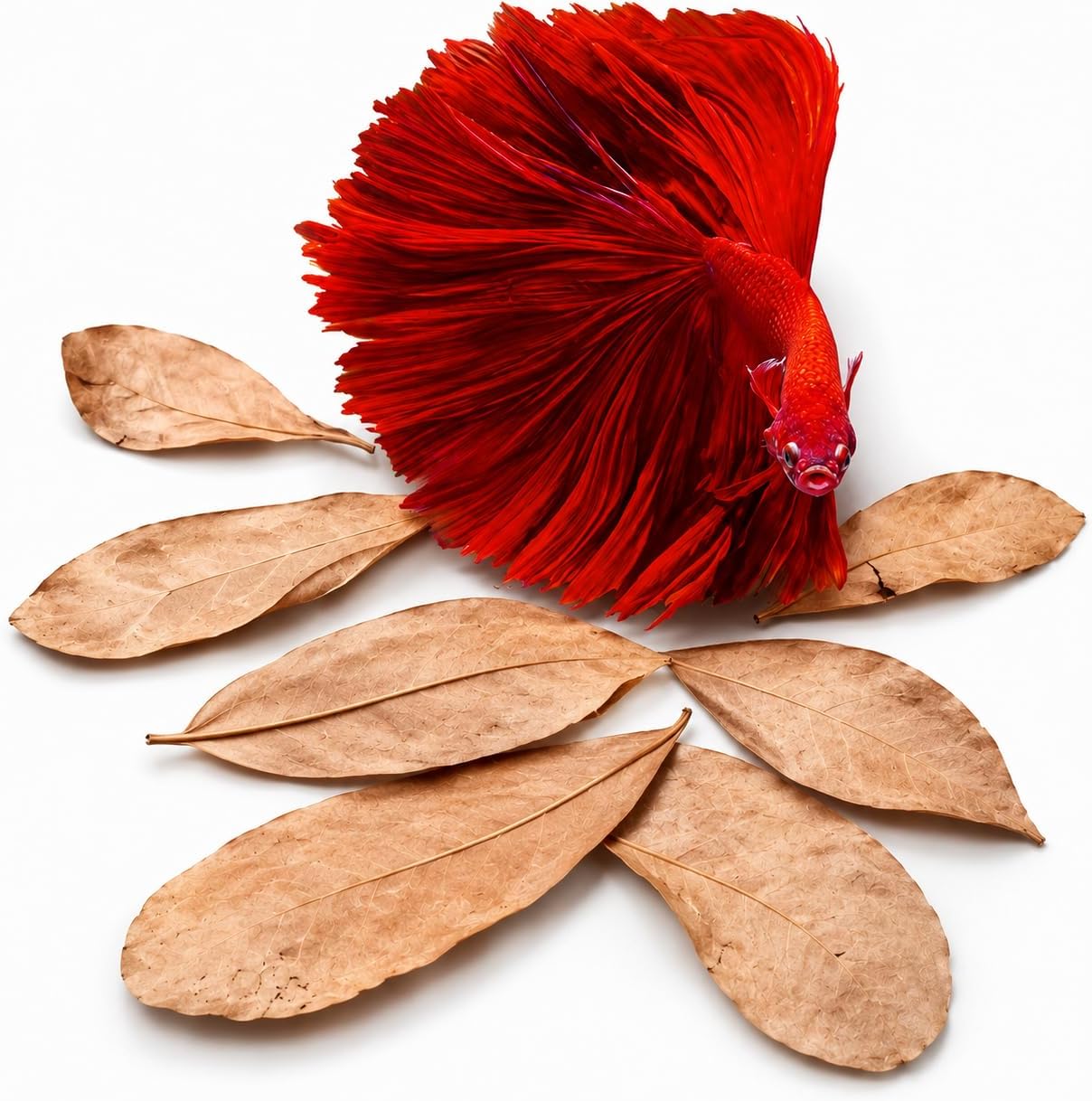
Looking for a healthier, more colorful pink Betta? Dr Weil’s expert advice shows you how to pick, feed, and house a better pink fish that thrives. Follow our step‑by‑step guide and give your Betta the best chance at a bright, long‑lasting life.
Key Takeaways
- Quality matters: Choose pink Betta fry from reputable breeders or trusted online stores.
- Water parameters are crucial: Keep temperature between 76‑82°F and maintain stable pH.
- Nutrition boosts color: High‑protein pellets plus occasional color‑enhancing treats make pink hues pop.
- Tank setup influences health: Use a 5‑gal minimum, fine sand, and plenty of hiding spots.
- Regular monitoring prevents problems: Watch for signs of stress, disease, or fading color.
- Dr Weil’s extra tip: Gentle water changes every week keep the pink fish looking its best.
- Compatibility: Pink Betta can share a tank with peaceful, non‑aggressive tank mates if space allows.
📑 Table of Contents
- Introduction: Why a Better Pink Fish Deserves Your Attention
- 1. Selecting a Better Pink Fish: What to Look For
- 2. Setting Up the Perfect Home for Your Pink Betta
- 3. Water Quality: The Backbone of a Bright Pink Betta
- 4. Feeding for a Vivid Pink Hue
- 5. Health Checks and Common Issues
- 6. Compatibility: Can a Pink Betta Share Its Space?
- Conclusion: Your Path to a Radiant Pink Betta
Introduction: Why a Better Pink Fish Deserves Your Attention
Pink Betta fish are like tiny living jewels. Their soft, blush‑colored fins can turn a plain aquarium into a work of art. But not every pink Betta lives up to its name. Some fade quickly, grow lethargic, or develop health issues that dim their sparkle. That’s where Dr Weil’s expertise comes in. He’s spent decades researching Betta health, water chemistry, and nutrition, and his recommendations help hobbyists raise a pink fish that truly shines.
In this guide we’ll walk you through every step—from picking the right fry to setting up the perfect tank, feeding a balanced diet, and troubleshooting common problems. By the end, you’ll feel confident that your pink Betta will be the star of your aquarium for years to come.
1. Selecting a Better Pink Fish: What to Look For
1.1. Source Matters
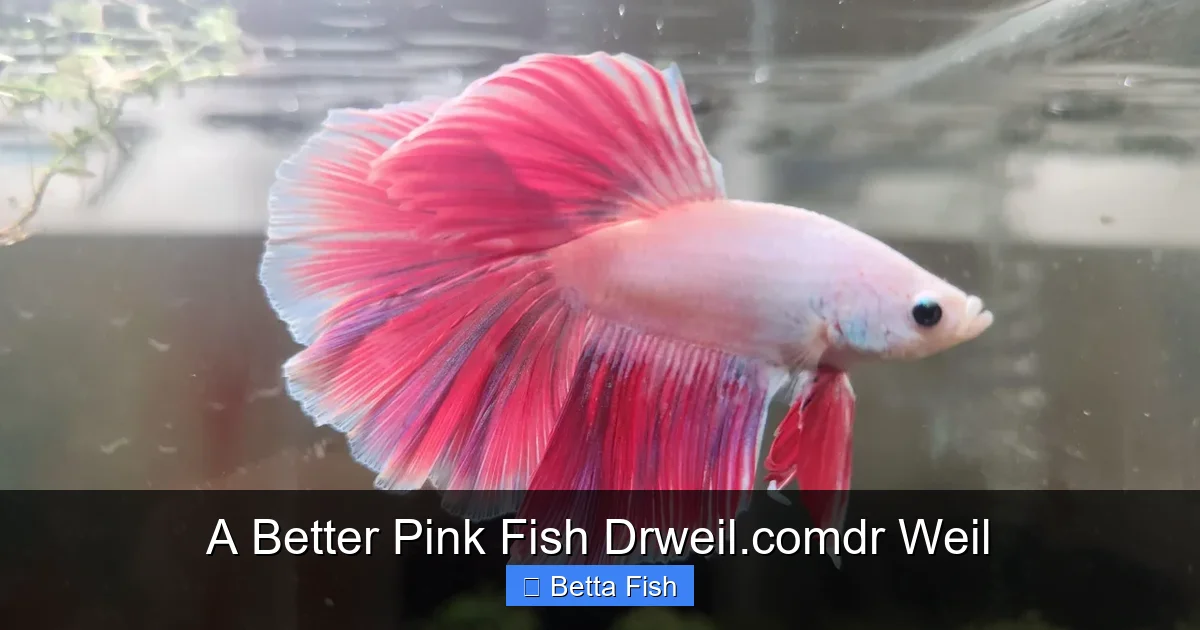
First, buy from a reputable breeder or a trusted online shop. Look for sellers who can provide health certificates, clear photos, and a brief history of the fish’s water conditions. Dr Weil stresses that a healthy pink Betta starts with good genetics and a stress‑free early life.
Visual guide about A Better Pink Fish Drweil.comdr Weil
Image source: ekk4j69ebaa.exactdn.com
1.2. Spotting Quality Pink Fry
- Vibrant coloration: The pink should be even across the body, not just a faint wash.
- Active behavior: A healthy fry swims confidently, flares its fins, and explores the tank.
- Clear eyes and intact fins: Avoid fish with torn or ragged fins, cloudy eyes, or visible parasites.
If you’re not sure where to start, check out Where Can I Buy A Betta Fish Near Me for tips on finding local breeders.
2. Setting Up the Perfect Home for Your Pink Betta
2.1. Tank Size and Shape
Dr Weil recommends a minimum of a 5‑gallon tank for a single Betta. Anything smaller forces the fish into a cramped space, stressing its delicate pink color. A longer tank also provides more surface area for oxygen exchange.
Visual guide about A Better Pink Fish Drweil.comdr Weil
Image source: thumbs.dreamstime.com
2.2. Substrate: Sand vs. Gravel
Both sand and fine gravel work, but sand mimics the Betta’s natural habitat and is gentler on delicate fins. For a detailed comparison, read Which Is Better Sand Or Gravel For A Fish Tank.
2.3. Filtration and Heating
- Filter: Choose a gentle sponge filter that creates a soft flow.
- Heater: Keep water between 76‑82°F (24‑28°C). Consistency is key; sudden drops can cause color fading.
2.4. Decorations and Hiding Spots
Live plants, silk plants, and smooth rocks give your pink Betta places to rest and explore. Avoid sharp ornaments that can tear the delicate pink fins.
3. Water Quality: The Backbone of a Bright Pink Betta
3.1. pH and Hardness
Maintain a pH of 6.5‑7.5 and moderate hardness. Use a reliable test kit weekly and adjust with driftwood or peat if needed.
Visual guide about A Better Pink Fish Drweil.comdr Weil
Image source: i.pinimg.com
3.2. Water Changes
Dr Weil’s “gentle change” method: replace 25 % of the water every week with pre‑conditioned, temperature‑matched water. This removes waste without shocking the fish.
3.3. Monitoring for Stress
Watch for rapid breathing, faded pink, or hiding at the bottom—signs that water quality may be off. Quick water changes and a check of ammonia/nitrite levels usually solve the issue.
4. Feeding for a Vivid Pink Hue
4.1. Core Diet
High‑protein Betta pellets (30‑40 % protein) form the base of the diet. Feed 2‑3 pellets twice daily, removing any excess after five minutes.
4.2. Color‑Enhancing Treats
Occasional treats like daphnia, brine shrimp, or a pinch of spirulina powder can intensify pink coloration. These foods contain natural carotenoids that the fish converts into vibrant pigments.
4.3. Over‑Feeding Pitfalls
Too much food clouds the water and can cause fungal infections. Stick to the recommended portion and fast the fish one day a week to keep the digestive system clean.
5. Health Checks and Common Issues
5.1. Spotting Illness Early
Pink Bettas are prone to fin rot, velvet, and ich. Early detection—white spots, frayed fins, or loss of pink intensity—lets you treat the problem before it spreads.
5.2. Treating Fungal Infections
Use a mild aquarium salt bath (1 % salt) for 15 minutes daily for three days. Follow with a water change to keep the environment clean.
5.3. When Color Fades
Fading can signal stress, poor diet, or water issues. Review your tank parameters, increase high‑carotenoid foods, and ensure the heater is stable.
6. Compatibility: Can a Pink Betta Share Its Space?
6.1. Tank‑Mate Selection
If you have a larger tank (10 gallons or more), you can keep peaceful species like small rasboras, neon tetras, or snails. Avoid fin‑nipping fish and aggressive cichlids.
6.2. Gender Considerations
Male pink Bettas are highly territorial. A single male should not share a tank with another male. A female can coexist with a male if the tank is spacious and plenty of plants provide visual barriers.
For more on compatible species, see What Fish Is Compatible With A Betta Fish.
Conclusion: Your Path to a Radiant Pink Betta
Raising a better pink fish isn’t magic; it’s a blend of smart choices, consistent care, and a bit of patience. By selecting quality fry, setting up a stable environment, feeding a balanced diet, and monitoring health, you give your pink Betta the best chance to flaunt its stunning hue for years. Follow Dr Weil’s practical tips, stay observant, and enjoy the daily show of a happy, pink‑flushed Betta swimming gracefully in its home.
Frequently Asked Questions
What temperature should water be for a pink Betta?
Keep the water between 76‑82°F (24‑28°C). Stable temperature helps maintain bright color and prevents stress.
How often should I change the water for my pink Betta?
Dr Weil recommends a 25 % water change each week using pre‑conditioned water that matches the tank’s temperature.
Can I keep a pink Betta with other fish?
Yes, in a tank of 10 gallons or larger with peaceful, non‑fin‑nipping species. Provide plenty of plants and hiding spots.
What foods enhance the pink coloration?
High‑protein pellets combined with occasional treats like brine shrimp, daphnia, or spirulina powder boost natural pink pigments.
How do I know if my pink Betta is stressed?
Watch for faded color, rapid breathing, excessive hiding, or loss of appetite. Check water parameters and adjust as needed.
Is a pink Betta considered a tropical fish?
Yes. Like all Bettas, pink varieties thrive in warm, tropical water conditions and need a heated aquarium.