Is It Better to Have 2 Fish Filters
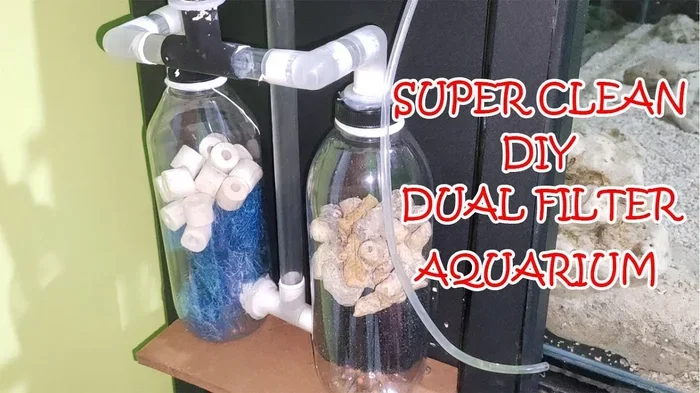
Having 2 fish filters can boost water quality and keep your betta tank cleaner longer. Double filtration offers backup protection, stronger biological coverage, and more stable water parameters. However, it also means higher costs, more maintenance, and potential strong flow issues for sensitive fish.
Every betta fish owner wants a clean, healthy home for their finned friend. One question that comes up often is whether it is better to have 2 fish filters in the tank. The short answer is: it depends on your setup. But there is a lot more to consider.
Filters do more than just keep water clear. They host beneficial bacteria that break down harmful toxins like ammonia and nitrite. Adding a second filter can supercharge this process. But it can also create strong currents that stress your betta. In this guide, we will walk through everything you need to know about running two filters in a fish tank. By the end, you will know exactly what works best for your setup.
Key Takeaways
- Better Water Quality: Two filters can handle waste more effectively than one.
- Redundancy Matters: If one filter fails, the other keeps your tank running safely.
- Watch the Flow Rate: Betta fish prefer gentle water movement, so filter choice matters.
- More Maintenance: Double filters mean more cleaning, more media replacement, and more cost.
- Tank Size Matters: Small tanks may not need two filters, but larger tanks benefit greatly.
- Biological Filtration Wins: Two filters grow more beneficial bacteria for a healthier ecosystem.
📑 Table of Contents
What Does a Fish Filter Actually Do?
Before we talk about having two filters, let us understand what a single filter does. A fish filter performs three types of filtration. Each one plays a vital role in keeping your tank safe.
Mechanical Filtration
This is the physical part of filtering. Water passes through foam or floss that traps debris, uneaten food, and fish waste. Think of it like a net that catches the gunk before it spreads around the tank.
Biological Filtration
This is where the magic happens. Good bacteria grow on filter media and convert toxic ammonia into less harmful nitrate. Biological filtration is the backbone of a healthy aquarium. Without it, your fish would be living in poison.
Chemical Filtration
Activated carbon or other media removes odors, discoloration, and dissolved organic compounds. This keeps the water looking and smelling fresh. Not all filters include chemical media, and that is okay.
Now that you know what filters do, let us explore whether running two fish filters is a smart move.
Pros of Having 2 Fish Filters
There are some real advantages to running double filtration. Let us break them down so you can see the full picture.
Stronger Biological Coverage
Two filters mean twice the surface area for beneficial bacteria to colonize. This leads to a more robust nitrogen cycle. Your water parameters stay more stable, even if something unexpected happens. For betta fish owners, this peace of mind is priceless.
Redundancy and Backup
If one filter breaks down or gets clogged, the other one keeps working. This is a huge safety net. Aquarium maintenance becomes less stressful when you are not relying on a single device. Think of it like having a backup generator for your tank.
Better Water Flow Distribution
In larger tanks, one filter might not circulate water evenly. Adding a second filter can help reach dead spots. These are areas where waste tends to collect. More even flow means cleaner water across the entire tank size.
Easier Media Rotation
With two filters, you can stagger your maintenance. Clean one filter at a time while the other keeps running. This preserves your beneficial bacteria colony and avoids cycling disruptions. It is a simple trick that many experienced fish keepers swear by.
Cons of Having 2 Fish Filters
Double filtration is not all sunshine and rainbows. There are real downsides you should know about before making the switch.
Strong Current Can Stress Betta Fish
Betta fish are not strong swimmers. They prefer calm, gentle water movement. Two filters can create a current that is too strong for them. This leads to stress, exhaustion, and even health problems over time. If you go with two filters, you may need to baffle them or adjust the flow direction.
Higher Costs
Two filters means double the purchase price. You also need replacement media, more electricity, and possibly new accessories. Over time, the cost adds up. Budget-conscious fish keepers should weigh this carefully.
More Maintenance Work
Cleaning one filter is already a chore. Cleaning two takes twice the effort. You need to rinse media, check impellers, and replace worn parts more often. Tank maintenance becomes a bigger time commitment.
Space Constraints
Filters take up space inside or outside the tank. In smaller setups, fitting two filters can be tricky. You might crowd the tank or block access to important areas like the substrate or decorations.
How to Decide if You Need 2 Fish Filters
The right choice depends on several factors. Let us walk through them so you can make an informed decision.
Consider Your Tank Size
A small bowl or a 5-gallon tank does not need two filters. In fact, it might be overkill. A single sponge filter or hang-on-back filter is usually enough. But if you have a 20-gallon tank or larger, a second filter starts to make sense. The general rule is to turn over your total tank volume about 4 to 5 times per hour. One filter might handle that. Two will do it with ease.
Think About Your Stocking Level
If you have more fish or messy eaters, waste production goes up. More waste means your single filter works harder. In this case, adding a second filter takes the load off. Water quality stays high even with a heavier bioload.
Evaluate Your Filter Type
Not all filters are created equal. A powerful hang-on-back filter might be enough on its own. But a small sponge filter might benefit from a partner. If you are using mechanical filter media, having two units ensures better particle removal. Check out our guide on are some water filters too strong for betta fish to learn more about choosing the right filter strength.
Your Experience Level
New fish keepers might want to start simple. One reliable filter is easier to manage while you learn the ropes. Experienced aquarists who understand water parameters can confidently run two filters and handle the extra maintenance.
Best Practices for Running 2 Fish Filters
If you decide to go with double filtration, there are some smart steps to follow. These tips will help you get the most benefit without the downsides.
Match Your Filter Flow Rates
Do not pair a super-strong filter with a weak one. Mismatched flow rates create uneven circulation. Choose filters with similar flow ratings or adjust the output on the stronger one. For betta tanks, aim for gentle flow. You can baffle filter outflows with sponge pre-filters or by pointing the nozzle toward the glass.
Stagger Your Cleaning Schedule
Clean one filter every two weeks and the other every two weeks on a different schedule. This way, you never lose all your beneficial bacteria at once. Your nitrogen cycle stays intact and your water stays safe for your fish.
Use Different Filter Media Types
Here is a pro tip. Use different media in each filter. For example, put biological media in one and chemical media in the other. This gives you a broader range of filtration without redundancy. It also lets you replace media at different times for maximum efficiency.
Monitor Your Water Parameters
After adding a second filter, test your water more frequently for the first few weeks. Watch for ammonia, nitrite, and nitrate levels. You want to confirm that the extra filtration is helping and not disrupting your cycle. Aquarium maintenance testing kits are inexpensive and very useful.
Baffle for Betta Safety
If your betta seems stressed by the flow, add a simple sponge baffle to each filter outlet. This softens the current significantly. Your betta will swim comfortably and show better color and energy. Remember, betta fish care is all about creating a calm, stress-free environment.
For more tips on keeping your betta happy and healthy, check out our article on is it good to keep betta fish at home for helpful husbandry advice.
Common Mistakes People Make With Multiple Filters
Even well-meaning fish keepers can make mistakes when setting up double filtration. Here are the most common ones to avoid.
Overfiltering Small Tanks
Putting two powerful filters in a 5-gallon tank is a mistake. The current will be overwhelming. Your betta will struggle to swim and rest. Always match your filtration power to your tank size. For small tanks, one gentle filter is the way to go.
Cleaning Both Filters at Once
This is a big one. Rinsing all your filter media at the same time wipes out your beneficial bacteria colony. Your tank can spike in ammonia and harm your fish. Always clean one filter at a time and wait at least a week before cleaning the second one.
Ignoring Flow Direction
Two filters pointing in the same direction create a strong current in one area and stagnant water in another. Point filters in different directions for balanced circulation. This simple adjustment makes a huge difference in water quality.
Skipping Media Replacement
Filter media does not last forever. Chemical media like carbon becomes saturated after a few weeks. Biological media can clog over time. Set reminders to replace or refresh your media regularly. Neglecting this step reduces the effectiveness of both filters.
Expert Insights on Double Filtration
Experienced aquarists generally agree that two filters offer real benefits for tanks 15 gallons and up. The added biological filtration alone is worth it for heavily stocked setups. However, for single betta tanks under 10 gallons, most experts recommend sticking with one quality filter. The key is balance. You want enough filtration to keep water pristine without creating an environment that feels like a washing machine for your fish.
If you are unsure about your current setup, consider reading our guide on do betta fish have to be in a filtered tank to understand the basics of filtration for betta fish. This will help you decide whether your current single filter is sufficient or if adding a second one makes sense.
Conclusion
So, is it better to have 2 fish filters? The honest answer is that it depends on your tank, your fish, and your goals. For larger tanks, heavily stocked setups, and experienced keepers, two filters can dramatically improve water quality and provide a safety backup. For small betta tanks, one well-chosen filter is usually more than enough.
The most important thing is to match your filtration to your specific needs. Consider your tank size, your fish species, and how much maintenance you are willing to do. Whether you use one filter or two, the goal is the same: a clean, safe, and happy home for your betta. Take your time, do your research, and your fish will thank you for it.
Frequently Asked Questions
Can 2 fish filters be too strong for a betta tank?
Yes, absolutely. Two filters can create a current that is too powerful for betta fish. Betta fish prefer slow, gentle water movement. If you use two filters, choose low-flow models and baffle the outflows to reduce the current. Always watch your betta for signs of stress like clamped fins or difficulty swimming.
How often should I clean each filter when running 2 fish filters?
Stagger your cleaning schedule. Clean one filter every two weeks and the other on a different two-week cycle. This preserves your beneficial bacteria colony and keeps your nitrogen cycle stable. Never clean both filters at the same time.
Does having 2 fish filters mean I can skip water changes?
No. Even with double filtration, regular water changes are essential. Filters remove debris and host beneficial bacteria, but they do not remove dissolved waste completely. Plan for weekly or biweekly water changes of about 25% to keep your tank in top shape.
What type of filter is best to pair with another filter for double filtration?
Mixing filter types works well. For example, pair a hang-on-back filter with a sponge filter. This gives you both mechanical and biological coverage. Just make sure the combined flow rate is appropriate for your tank size and your betta fish comfort.
Are 2 fish filters worth the extra cost?
For tanks 15 gallons or larger, yes. The improved water stability and backup protection are worth the investment. For smaller betta tanks under 10 gallons, one quality filter is usually sufficient and more cost-effective. Consider your budget and tank setup before deciding.
Can I run 2 fish filters in a 10-gallon betta tank?
It is possible but not always necessary. A 10-gallon tank can do well with one good filter. If you add a second one, make sure it is a low-flow model. Watch your betta closely for any signs of stress from the current. Adjust or remove one filter if needed.