What Betta Fish Is the Best for Fighting
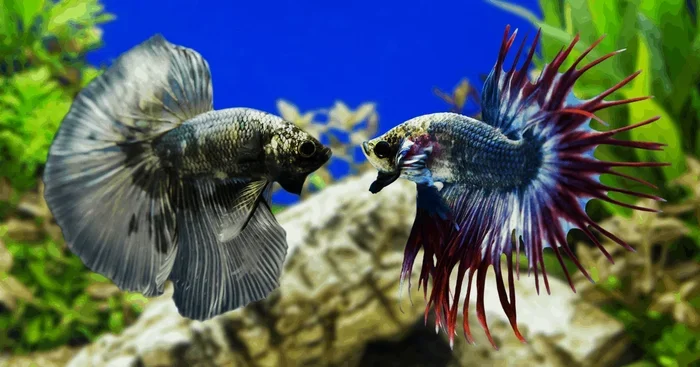
Choosing the best betta fish for fighting means understanding breeds, temperament, and proper care. The plakat betta is widely considered the top fighting breed due to its compact body and aggressive nature. Whether you are a seasoned hobbyist or a beginner, this guide covers everything you need to know about selecting, caring for, and understanding the best betta fish for fighting.
Few freshwater fish carry the reputation of the betta. Known for their vibrant colors and flowing fins, these fish also have a long history as fighting creatures. If you have ever wondered about the what betta fish is the best for fighting, you are in the right place. This guide breaks down everything from breed selection to daily care.
The world of fighting bettas is fascinating. It is not just about picking the prettiest fish. It is about choosing a fish with the right body type, temperament, and energy level. Whether you are interested in competitive fish keeping or simply want a strong, active pet, understanding what makes a great fighting betta is essential.
Below, we walk through the top breeds, care requirements, and practical tips that every betta enthusiast should know. Let us dive in.
Key Takeaways
- Plakat bettas are the #1 choice for fighting fish due to their short fins and aggressive temperament.
- Proper tank setup matters — the right tank size, temperature, and water quality keep fighters healthy.
- Diet plays a big role in building strong, active fighting fish that perform well.
- Know the difference between breeds — not all bettas are built for fighting.
- Always house fighters separately to prevent injury and stress.
- Regular water changes and monitoring are essential for long-term fish health.
📑 Table of Contents
- Why Some Betta Fish Are Bred for Fighting
- Best Betta Fish Breeds for Fighting
- How to Choose the Best Fighting Betta Fish
- Setting Up the Perfect Tank for Fighting Bettas
- Feeding Your Fighting Betta Fish
- Common Mistakes When Keeping Fighting Bettas
- Expert Tips for Raising Strong Fighting Bettas
- How Long Do Fighting Bettas Live?
- Final Thoughts on the Best Betta Fish for Fighting
Why Some Betta Fish Are Bred for Fighting
Betta fish, also known as Siamese fighting fish, have a centuries-old history in Southeast Asia. People in Thailand and Malaysia originally bred them for their aggressive behavior in contests. Over time, selective breeding shaped fish that were faster, stronger, and more territorial.
Today, the fighting tradition continues in some cultures, though it is regulated in many places. The fish that are bred for this purpose tend to have specific traits that set them apart from ornamental bettas.
Traits of a Good Fighting Betta
Not every betta fish makes a good fighter. Here are the traits that breeders look for:
- Short fins: Long fins slow a fish down. Fighters need speed and agility.
- Compact body: A muscular, streamlined build gives an edge in combat.
- High energy: Active fish that respond quickly to stimuli perform better.
- Strong coloration: Bright colors often indicate good health and strong genetics.
- Territorial instinct: A natural willingness to flare and defend territory is key.
These traits are the result of generations of careful breeding. If you want to learn more about the right betta fish tank setup for these active fish, check out our guide on what is the best tank size for a betta fish.
Best Betta Fish Breeds for Fighting
Several betta breeds stand out when it comes to fighting ability. Let us look at the top contenders.
Plakat Betta (Plakat)
The plakat betta is widely regarded as the best fighting betta. These fish have short, rounded fins and a sleek, muscular body. They are direct descendants of the wild betta fish found in Thailand’s rice paddies.
Plakats are incredibly active and aggressive compared to ornamental bettas. Their short fins give them a speed advantage, and their compact build makes them powerful. Many breeders consider the plakat the gold standard for fighting fish.
Halfmoon Betta
The halfmoon betta is known for its dramatic tail fin that spreads into a perfect half-circle. While they are popular in fish shows, they are also strong fish. Their broad fins can be a disadvantage in fights, but their overall strength and stamina make them notable.
Crowntail Betta
Crowntail bettas have distinctive spiky fins that resemble a crown. They are visually striking and carry a strong territorial instinct. Their fin structure is a bit longer than a plakat, but they still maintain good agility.
Delta Betta
Delta bettas have a triangular tail shape that tapers to a point. They are strong swimmers and tend to be more active than many other breeds. Their build is well-suited for quick movements, which matters in a fight.
How to Choose the Best Fighting Betta Fish
Picking the right fish goes beyond choosing a breed. You need to evaluate individual fish carefully. Here is what to look for.
Check the Body Condition
A healthy fighter should have a streamlined, muscular body. Avoid fish that look thin, bloated, or lethargic. The body should feel firm, not soft. A strong body means a strong fish.
Observe the Behavior
Watch how the fish responds to its surroundings. A good fighting betta will flare its gills, spread its fins, and show curiosity. Fish that hide or stay still may not have the right temperament.
Look at the Fins
Shorter fins are better for fighting. Long, flowing fins can get in the way during a confrontation. If you are serious about competitive fish, choose a fish with a plakat-style tail.
Consider the Color
Bright, vivid colors often signal good health. Fish that look faded or dull may be stressed or sick. A vibrant fish is usually a strong fish.
Want tips on feeding a strong fighting betta? Learn about the best food for betta fish in our detailed guide on what is the best food for betta fish.
Setting Up the Perfect Tank for Fighting Bettas
A proper tank setup is critical for keeping fighting bettas healthy and active. These fish need clean water, stable conditions, and enough space to thrive.
Tank Size
Even though fighting bettas are smaller than many ornamental breeds, they still need room to swim. A tank of at least 5 gallons is recommended. Larger tanks, around 10 gallons, give you more stability with water parameters.
If you are unsure about sizing, our article on what is the best tank for betta fish covers this in detail.
Water Temperature
Betta fish are tropical creatures. The ideal water temperature for betta fish ranges between 76°F and 82°F (24°C to 28°C). Use an aquarium heater to maintain a steady temperature. Fluctuations can stress your fish and weaken its immune system.
For more information on the ideal conditions, read our piece on what is the best temperature for a betta fish tank.
Water Quality
Clean water is non-negotiable. Perform partial water changes of 25% every week. Use a gentle filter to avoid strong currents, as bettas prefer calm water. Test the pH regularly — it should stay between 6.5 and 7.5.
Tank Decor and Hideouts
Add plants, caves, and hiding spots. These reduce stress and give your fish places to explore. Live plants like java moss or anubias work great. Just make sure there is enough open swimming space too.
Feeding Your Fighting Betta Fish
A strong diet builds a strong fish. Fighting bettas need protein-rich food to maintain their energy and muscle mass.
Best Foods for Fighting Bettas
- Betta pellets: High-quality pellets should be the staple of their diet.
- Frozen bloodworms: A great protein boost that fish love.
- Brine shrimp: Excellent for conditioning and building strength.
- Daphnia: A natural food that aids digestion.
- Live mosquito larvae: A favorite in the wild and a great treat.
Feed your fighting betta 1 to 2 times a day in small amounts. Overfeeding leads to bloating and poor water quality. For a complete feeding guide, visit our article on what is the best food for betta fish.
Feeding Schedule
Consistency matters. Feed your fish at the same times each day. A morning feeding and an evening feeding work well. Remove any uneaten food after a few minutes to keep the water clean.
Common Mistakes When Keeping Fighting Bettas
Even experienced fish keepers make mistakes. Here are the most common ones to avoid.
Keeping Two Males Together
Male bettas are highly territorial. Keeping two males in the same tank will lead to fights, injury, and sometimes death. Always house them separately.
Using Too Small a Tank
Tiny bowls and cups are not suitable for any betta. They need space to swim and stable water conditions. A cramped tank leads to stress and illness.
Ignoring Water Changes
Dirty water is the number one killer of betta fish. Skipping water changes allows ammonia and nitrite to build up, which is toxic to your fish.
Overfeeding
It is easy to overfeed, especially with pellets. Excess food rots in the tank and pollutes the water. Feed small amounts and remove leftovers.
Skipping the Heater
Room temperature water is almost never warm enough for bettas. An aquarium heater is a must. Cold water makes fish sluggish and vulnerable to disease.
Expert Tips for Raising Strong Fighting Bettas
Want to take your betta care to the next level? Here are some expert-backed tips.
- Start with healthy fish. Always buy from reputable breeders. Avoid fish from pet stores that keep them in poor conditions.
- Quarantine new fish. Keep new additions in a separate tank for two weeks before introducing them to your main setup.
- Monitor water parameters weekly. Test for ammonia, nitrite, nitrate, and pH. Catch problems early.
- Provide enrichment. Add gentle current, plants, and exploration opportunities to keep your fish mentally sharp.
- Be patient. Building a strong fighting betta takes time. Consistency in care matters more than any single trick.
For more tips on tank setup and compatibility, read our guide on what is a good tank mate for a betta fish.
How Long Do Fighting Bettas Live?
With proper care, a fighting betta can live between 3 and 5 years. Some well-maintained fish have even been known to reach 6 years or more. The key factors that influence lifespan include water quality, diet, tank size, and stress levels.
To maximize your fish’s life, focus on consistent care. Keep the tank clean, feed a balanced diet, and maintain stable water conditions. Your fish will reward you with years of active, vibrant life.
Final Thoughts on the Best Betta Fish for Fighting
Choosing the best betta fish for fighting comes down to understanding breeds, individual traits, and proper care. The plakat betta stands at the top of the list for its speed, strength, and natural fighting instinct. But no matter which breed you choose, the care you provide makes all the difference.
Set up the right tank, feed a nutritious diet, and keep the water clean. These simple steps will help your fighting betta thrive. Remember, a well-cared-for fish is a strong, healthy, and beautiful fish.
Whether you are a seasoned breeder or just starting out, the world of fighting bettas offers something for everyone. Start with the right fish, give it the right environment, and enjoy the journey.
Frequently Asked Questions
What is the best betta fish for fighting?
The plakat betta is widely considered the best betta fish for fighting. Its short fins, muscular build, and high energy make it the top choice among breeders and enthusiasts.
Can you keep two fighting bettas in the same tank?
No. Male bettas are highly territorial and will fight aggressively if housed together. Always keep them in separate tanks to prevent injury or death.
What temperature is best for fighting betta fish?
The ideal water temperature for fighting bettas is between 76°F and 82°F (24°C to 28°C). Use an aquarium heater to maintain a stable temperature and avoid sudden fluctuations.
How often should I feed my fighting betta fish?
Feed your fighting betta 1 to 2 times a day in small amounts. A diet of high-quality pellets supplemented with frozen or live foods like bloodworms and brine shrimp works best.
How long do fighting betta fish live?
With proper care, fighting bettas typically live between 3 and 5 years. Some fish can live longer when kept in clean water with a balanced diet and low-stress environment.
What tank size is best for a fighting betta?
A minimum of 5 gallons is recommended for a single fighting betta. A 10-gallon tank provides even more stability and room for your fish to swim and stay active.