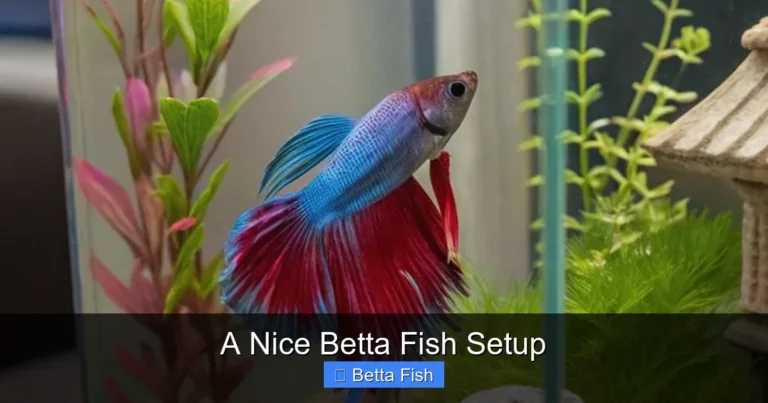
Should I Put a Mirror in Front of Betta Fish
Should you put a mirror in front of betta fish? The answer is more nuanced than you might think. A mirror can trigger natural flaring behavior and provide short-term stimulation, but it can also cause stress and exhaustion if used too often. This guide covers everything you need to know about mirror use for betta fish, including safer alternatives that keep your fish happy and healthy.
You have probably wondered whether should i put a mirror in front of betta fish at some point during your fish-keeping journey. Maybe you saw a video online of a betta fish puffing up its fins and flaring wildly at its own reflection. Or perhaps you want to give your pet some entertainment while you are away at work. Whatever your reason, the question of mirror use in a betta tank comes up a lot among fish owners.
The truth is, mirrors are not a simple yes-or-no answer. They can offer some real benefits when used correctly, but they also carry risks that many beginners do not know about. In this article, we will walk through everything you need to consider before placing a mirror near your betta fish tank. By the end, you will have a clear picture of what is best for your fish.
Your betta fish relies on you to create a safe and enriching environment. Understanding how reflections affect their behavior is a big part of that responsibility. Let us dive in and explore the world of betta fish mirrors together.
Key Takeaways
- Mirrors trigger flaring: Betta fish see their reflection as a rival and will flare their fins and gills in response.
- Short sessions are key: Limit mirror time to 5-10 minutes a few times a week to avoid stress and exhaustion.
- Overuse causes harm: Prolonged mirror exposure can lead to chronic stress, fatigue, and weakened immunity in bettas.
- Better alternatives exist: Plants, caves, and tank mates offer enrichment without the risks of mirror use.
- Every betta is different: Some fish respond strongly to mirrors while others seem indifferent or even frightened.
- Observe your fish: Watch for signs of stress like clamped fins, rapid breathing, or hiding after mirror sessions.
- Mirror use is not essential: Your betta can thrive without ever seeing a reflection in its tank.
📑 Table of Contents
- What Happens When You Put a Mirror in Front of a Betta Fish
- The Pros of Using a Mirror for Your Betta Fish
- The Cons and Risks of Mirror Use
- How Often Should You Use a Mirror With Your Betta Fish
- Better Alternatives to Mirrors for Betta Fish Stimulation
- Common Mistakes People Make With Betta Mirrors
- Expert Insights on Mirror Use for Betta Fish
- Final Verdict: Should You Put a Mirror in Front of Your Betta Fish
What Happens When You Put a Mirror in Front of a Betta Fish
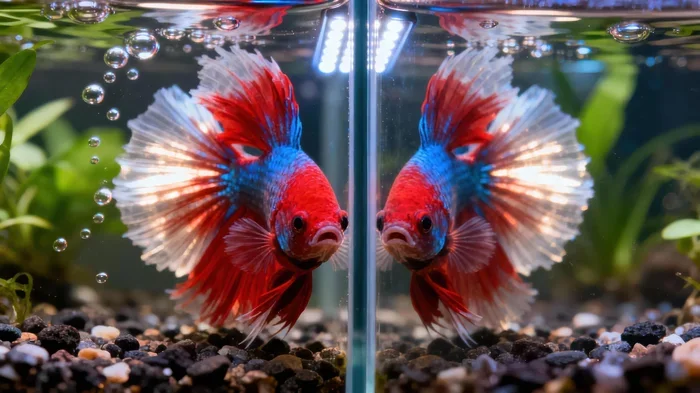
When a betta fish sees its own reflection, it does not recognize it as itself. Instead, your betta interprets the image as another male betta fish invading its territory. This triggers a natural defense response known as flaring. Your fish will spread its gills, puff up its body, and display its fins to look as large and intimidating as possible.
This reaction is completely normal. In the wild, bettas use flaring to establish dominance and defend their space from rival males. The mirror simply tricks your fish into thinking there is a competitor nearby. The intensity of the response varies from one fish to another. Some bettas flare aggressively for several minutes, while others barely react at all.
It is important to understand that flaring is not always bad in small doses. It is a natural behavior that exercises your fish both mentally and physically. However, the key word here is small doses. Repeated or prolonged exposure to a mirror can push this natural response into dangerous territory.
The Flaring Response Explained
A typical flaring session involves your betta spreading its tail fins wide, puffing out its gill plates, and sometimes even changing color slightly. Some fish will also bite at the glass or swim in aggressive circles. This display can last anywhere from a few seconds to several minutes depending on the individual fish.
After the mirror is removed, most bettas will calm down within a few minutes. However, if your fish stays agitated for a long time, that is a sign the session was too long or too frequent. A stressed betta fish may stop eating, hide in corners, or develop faded colors. These are all warning signs you should watch for closely.
The Pros of Using a Mirror for Your Betta Fish
There are some genuine benefits to using a mirror with your betta. Let us look at the reasons many fish owners choose to try this approach.
1. Provides Mental Stimulation
Betta fish are intelligent creatures that need mental engagement to stay healthy. In a small tank with limited objects, your fish can get bored. A mirror offers a temporary source of novelty and excitement. The flaring response gives your betta something to do, which can prevent boredom-related behaviors like lethargy or glass surfing.
Think of it like a puzzle toy for your fish. It engages their natural instincts and keeps their mind active. This is especially helpful if your tank setup is on the simpler side and does not include many decorations or hiding spots.
2. Encourages Physical Exercise
When a betta flares, it uses muscles throughout its body. The spreading of fins, the puffing of the gills, and the swimming movements all count as a form of exercise. For fish that spend most of their time resting near the bottom of the tank, a brief mirror session can get the body moving.
Regular gentle exercise supports overall betta fish health and can help maintain a healthy weight. Just like any exercise routine, moderation is essential. A few minutes of activity a few times a week is enough to make a positive difference.
3. Helps You Observe Natural Behavior
Using a mirror gives you a window into your betta’s natural instincts. You can see how your fish responds to perceived threats, which tells you a lot about its personality and temperament. Some bettas are bold and aggressive flarers, while others are shy and reserved. Observing these behaviors helps you better understand your pet and tailor its care accordingly.
The Cons and Risks of Mirror Use
Now let us talk about the downsides. Mirrors are not without risks, and understanding these is just as important as knowing the benefits.
1. Chronic Stress from Overexposure
The biggest danger of mirror use is stress caused by overuse. When a betta flares repeatedly without being able to escape the situation, its body stays flooded with stress hormones. Over time, this weakens the immune system and makes your fish more vulnerable to diseases like ich, fin rot, and fungal infections.
If you notice your betta breathing rapidly, staying at the bottom of the tank, or losing color after a mirror session, you are likely overdoing it. Stress is one of the leading causes of illness in captive bettas, and mirror abuse is an easily avoidable trigger.
2. Exhaustion and Fatigue
Flaring takes energy. A prolonged session can leave your betta physically exhausted. Some fish have been known to flare so intensely that they become too tired to swim properly afterward. This is especially concerning for older bettas or fish that already have health issues.
Think about how you would feel if someone made you sprint in place for an hour. Your body would be drained, and you would need a long recovery. The same principle applies to your fish. Keep mirror sessions short and infrequent to prevent exhaustion.
3. Territorial Aggression Buildup
Even after you remove the mirror, some bettas remain in an agitated state for a while. This lingering aggression can affect their behavior toward other tank inhabitants. If you keep other fish with your betta, a stressed betta may become more territorial and even attack tank mates. This is why timing and frequency of mirror use matter so much.
If you are considering adding tank companions, you should research compatible species carefully. Some fish can coexist peacefully with bettas, but a stressed betta is more likely to show aggression. You can learn more about suitable tank mates in our guide on Can I Put Other Fish In With A Betta.
How Often Should You Use a Mirror With Your Betta Fish
The frequency and duration of mirror sessions matter just as much as the mirror itself. Here are some practical guidelines to follow.
Recommended Schedule
- Duration: Keep each session to 5-10 minutes maximum.
- Frequency: No more than 2-3 times per week.
- Timing: Avoid using a mirror right before lights out, as it can disrupt your betta’s sleep cycle.
- Observation: Watch your fish closely during and after each session for signs of excessive stress.
Following these guidelines helps you get the benefits of mirror use without crossing into harmful territory. Every betta is different, so adjust based on how your individual fish responds. Some fish do well with just 3 minutes of mirror time, while others seem fine with a full 10-minute session.
Signs You Should Stop Immediately
Not all bettas handle mirrors well. You should stop a session right away if you notice any of the following signs:
- Rapid or labored breathing
- Clamped fins held close to the body
- Hiding behind decorations or staying at the bottom
- Refusing to eat after the session
- Faded or dull coloration
- Erratic swimming patterns
If your fish shows these signs consistently, it is best to skip mirror use altogether and explore other enrichment options. Not every betta enjoys or benefits from seeing its reflection.
Better Alternatives to Mirrors for Betta Fish Stimulation
If you are not comfortable using a mirror or if your betta does not respond well to one, there are plenty of other ways to keep your fish engaged and active.
1. Live Plants and Decorations
Adding live plants to your betta tank creates a more natural and stimulating environment. Plants like java fern, anubias, and amazon sword give your betta places to explore, rest, and hide. They also improve water quality and provide mental enrichment through natural foraging behavior.
You can also add safe decorations like caves, driftwood, and floating logs. These features break up the open space in the tank and give your betta a sense of territory to explore. For ideas on safe plants, check out our article on Can You Put Lucky Bamboo In A Betta Fish Tank to learn about plant options that work well in betta environments.
2. Floating Objects and Toys
Betta fish are curious by nature and enjoy investigating new objects in their environment. You can place a small floating log or a betta hammock near the surface of the water. Some owners even use small mirror cubes that attach to the inside of the tank and can be moved around periodically.
The key is to introduce variety. Just like you would get bored doing the same thing every day, your betta benefits from a changing environment that keeps its mind engaged.
3. Tank Mates and Social Interaction
Depending on your tank size and setup, you might consider adding peaceful tank mates that can provide social stimulation without aggression. Snails, for example, are generally safe with bettas and can add activity to the lower levels of the tank.
If you are thinking about adding a snail, our guide on Can I Put A Snail In With A Betta Fish covers everything you need to know about snail compatibility. Just remember that not all bettas get along with other creatures, so always monitor interactions closely.
4. Feeding Enrichment
You can turn mealtime into a mental workout by using puzzle feeders or scattering food around the tank instead of dropping it all in one spot. This encourages your betta to hunt and explore, mimicking natural foraging behavior. It is a simple but effective way to add enrichment without any special equipment.
Common Mistakes People Make With Betta Mirrors
Even well-meaning fish owners can make mistakes when it comes to mirror use. Here are the most common ones to avoid.
Leaving the Mirror In Too Long
This is the number one mistake. Some owners place a mirror in front of the tank and forget about it, leaving it there for hours. This is extremely stressful for your betta. The reflection never goes away, which means your fish never gets a chance to calm down. Always remove the mirror after a brief session.
Using a Mirror Every Single Day
Daily mirror sessions may seem harmless, but they add up quickly. Your betta needs time to recover between flaring episodes. Giving the fish a break between sessions allows its stress levels to return to normal and prevents the buildup of chronic anxiety.
Ignoring Your Fish’s Reaction
Every betta is unique. Some love to flare at mirrors, while others find it deeply unsettling. If your fish shows signs of distress, do not force mirror use. Respect your pet’s individual personality and choose enrichment methods that suit its temperament.
Using a Dirty or Distorted Mirror
A smudged or scratched mirror can create confusing reflections that stress your fish more than a clear one. Make sure any mirror you use is clean and produces a sharp, clear image. A distorted reflection can confuse your betta and trigger unnecessary panic.
Expert Insights on Mirror Use for Betta Fish
Many experienced aquarists and fish veterinarians have weighed in on the mirror debate. The general consensus is that occasional, short mirror sessions are safe and can even be beneficial. However, the consensus also agrees that mirrors should never replace proper tank enrichment and a well-maintained environment.
Dr. Richmond Loh, a fish veterinarian and expert in aquatic animal health, has noted that while flaring is a natural behavior, it should not be triggered artificially on a frequent basis. The goal of enrichment is to support your fish’s wellbeing, not to create unnecessary stress. A well-planned tank with plenty of hiding spots, plants, and gentle water flow often provides more consistent enrichment than a mirror ever could.
That said, if you enjoy using a mirror and your betta responds positively without showing signs of stress, there is no reason to stop. The key is balance and observation. You know your fish better than anyone, and your attentiveness is the best tool you have for keeping it healthy and happy.
You should also make sure your tank setup supports your betta’s overall wellbeing. Proper water parameters, appropriate tank size, and a comfortable environment all play a role in how your fish handles stimulation. If you are new to betta keeping, our guide on Can I Put My Betta Fish In A Bowl offers helpful insights about creating the right living space for your fish.
Final Verdict: Should You Put a Mirror in Front of Your Betta Fish
So, should you put a mirror in front of your betta fish? The answer depends on your fish’s personality, your tank setup, and how carefully you manage mirror use. Used in moderation, a mirror can be a fun and beneficial enrichment tool that provides mental stimulation and light exercise. Used excessively, it becomes a source of chronic stress and potential health problems.
The safest approach is to treat mirror use as an occasional activity rather than a daily routine. Keep sessions short, watch your fish closely, and always have alternative enrichment methods ready. A well-decorated tank with plants, caves, and gentle current will do more for your betta’s happiness on a daily basis than any mirror ever could.
Ultimately, your goal as a fish owner is to create a thriving environment where your betta can express natural behaviors in a healthy way. Mirrors can play a small role in that, but they are not the foundation of good betta care. Focus on the basics first, and then use mirrors as a supplementary tool when it makes sense for your fish.
Remember that every betta fish is an individual with its own preferences and personality. What works for one fish may not work for another. Stay observant, stay flexible, and always put your fish’s wellbeing first. With the right approach, you can keep your betta healthy, stimulated, and thriving for years to come.
Frequently Asked Questions
Can a mirror hurt my betta fish?
A mirror itself does not physically harm your betta fish. However, prolonged or frequent exposure to a reflection can cause chronic stress, which weakens the immune system and makes your fish more susceptible to illness. The key is to use mirrors in moderation and keep sessions short.
How long should I let my betta flare at a mirror?
Limit mirror sessions to 5-10 minutes at a time. This gives your betta enough time to engage in natural flaring behavior without becoming overly stressed or exhausted. Always remove the mirror after the session ends.
Do all betta fish flare at mirrors?
No, not all bettas react the same way to mirrors. Some fish are bold and flare aggressively, while others may seem indifferent or even frightened by their reflection. Pay attention to your individual fish’s response and adjust accordingly.
Can I use a mirror every day with my betta fish?
Daily mirror use is not recommended. It can lead to accumulated stress and fatigue. Limit mirror sessions to 2-3 times per week at most, and always monitor your fish for signs of stress during and after each session.
What are the best alternatives to a mirror for betta fish enrichment?
Live plants, caves, floating logs, puzzle feeders, and safe tank mates like snails all provide excellent enrichment without the risks of mirror use. A varied and stimulating tank environment is the best long-term solution for a happy betta.
Should I use a mirror if my betta fish is already stressed?
No. If your betta is already showing signs of stress such as clamped fins, rapid breathing, or loss of appetite, avoid using a mirror entirely. Adding more stimulation to a stressed fish can make the situation worse. Focus on improving water quality and providing a calm environment first.
=== CONCLUSION ===
The question of should i put a mirror in front of betta fish does not have a one-size-fits-all answer. Mirrors can offer valuable mental stimulation and exercise when used correctly, but they also carry real risks when overused. The best approach is to keep sessions short, observe your fish closely, and always prioritize its wellbeing above entertainment. With the right balance, you can use a mirror as a helpful enrichment tool while keeping your betta happy, healthy, and thriving in its home.