Should I Leave My Betta Fish Tank Open or Closed
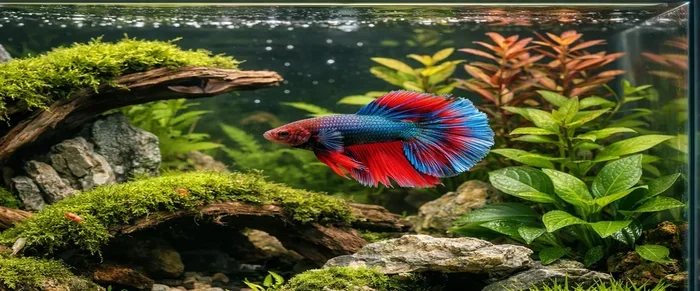
Should I leave my betta fish tank open or closed? The answer depends on your setup, but most experts recommend a partially covered tank to balance oxygen exchange, humidity, and safety. Leaving a tank fully open increases evaporation and jumping risks, while a fully sealed tank can trap harmful gases. A lidded betta fish tank with small gaps offers the best of both worlds.
Keeping a betta fish tank open or closed is one of the most common questions new betta owners ask. You might wonder if your fish prefers open air or a snug cover. The truth is, both setups have real benefits and real risks. Your choice affects water quality, temperature, oxygen levels, and even your betta’s safety.
This guide breaks down everything you need to know about whether to leave your betta fish tank open or closed. We will cover the pros and cons of each option, the best lid types, and simple tips to keep your betta healthy. By the end, you will know exactly what setup works best for your fish.
Key Takeaways
- Open tanks lose water faster through evaporation and require more frequent refills.
- A closed tank traps heat and humidity, which can benefit bettas but also reduce oxygen levels.
- Betta fish can jump, so some form of cover is strongly recommended for safety.
- A partially covered tank with gaps allows proper airflow while keeping your fish safe.
- Tank lid material matters — mesh, plastic, and glass lids each have unique pros and cons.
- Monitoring temperature and oxygen levels is essential regardless of whether your tank is open or closed.
📑 Table of Contents
- Why Does Your Betta Fish Tank Need a Cover?
- Pros and Cons of Leaving Your Betta Fish Tank Open
- Pros and Cons of Keeping Your Betta Fish Tank Closed
- What Is the Best Setup for Your Betta Fish Tank?
- How to Maintain Your Tank Whether Open or Closed
- Common Mistakes to Avoid
- Expert Insights on Open vs Closed Betta Tanks
- Final Thoughts on Whether to Leave Your Betta Fish Tank Open or Closed
Why Does Your Betta Fish Tank Need a Cover?
Betta fish are curious creatures. They swim near the surface to breathe air, and they can surprise you with sudden bursts of energy. Understanding why a cover matters helps you make the best decision for your tank.
Betta Fish Can Jump
This surprises many new owners, but bettas are skilled jumpers. In the wild, they live in shallow rice paddies and slow-moving streams. When conditions dry up, they can leap to the next water source. A tank without a cover gives your betta a clear escape route. A jumping betta outside the tank will not survive for long. Even a few minutes out of water can be fatal. This alone is a strong reason to consider some form of betta fish tank lid.
Water Evaporation Is a Real Problem
An open tank loses water fast. Warm room temperatures speed up evaporation even more. You will find yourself refilling the tank more often. Frequent water changes also mean more work for you. Worse, sudden water level drops can stress your betta. A closed or covered tank slows evaporation significantly. You will spend less time topping off the water and more time enjoying your fish.
Temperature and Humidity Control
Bettas thrive in warm water between 76 and 82 degrees Fahrenheit. An open tank loses heat quickly, especially in cooler rooms. A closed tank holds warmth better, which mimics the betta’s natural tropical habitat. Humidity also stays higher with a cover, which helps prevent the water from cooling too fast. However, too much heat trapped under a sealed lid can backfire. You need balance, and that is where the open-versus-closed debate really begins.
Pros and Cons of Leaving Your Betta Fish Tank Open
An open tank setup has its appeal, especially for beginners who want easy access. But there are downsides you should know about before choosing this route.
Benefits of an Open Tank
- Better airflow: An open top allows fresh air to mix with the water surface. This natural gas exchange boosts oxygen levels.
- Easier maintenance: You can feed, clean, and check on your betta without removing a lid.
- No condensation buildup: Open tanks do not trap moisture on the lid, which reduces the chance of mold around the tank.
- Natural light access: If you place your tank near a window, an open top lets natural light in without filtering it through a cover.
Risks of an Open Tank
- Jumping risk: Your betta can leap out at any time, especially during feeding or when startled.
- Water loss: Evaporation happens fast, and you will need to add water daily or every other day.
- Dust and debris: An open tank collects dust, dirt, and even insects on the water surface.
- Temperature swings: Without a cover, the water temperature can drop quickly in air-conditioned or cool rooms.
- Algae growth: More light reaching the water can trigger algae blooms if you are not careful.
Many owners who choose an open tank compensate by using a good filter to maintain water quality and a heater to keep temperatures stable. But even with these tools, the jumping risk remains the biggest concern.
Pros and Cons of Keeping Your Betta Fish Tank Closed
A fully closed tank means a solid lid with no gaps. This setup is common in pet stores, but it is not always ideal for home aquariums.
Benefits of a Closed Tank
- Keeps bettas safe: A solid lid prevents jumping accidents completely.
- Reduces evaporation: You will refill the tank much less often.
- Holds heat better: A closed tank stays warmer, which is great for bettas who love tropical temperatures.
- Less dust and debris: The lid acts as a barrier against airborne particles.
Risks of a Fully Closed Tank
- Low oxygen levels: A sealed tank has limited gas exchange. Over time, carbon dioxide builds up and oxygen drops.
- Condensation and mold: Trapped moisture drips back into the tank or grows mold on the lid.
- Heat buildup: In warm rooms, a closed tank can overheat quickly, especially under a light.
- Stress from poor air quality: Stale air above the water can affect the surface where your betta breathes.
If you go with a closed setup, you must address the oxygen problem. Many owners install a small air pump or choose a lid with built-in ventilation holes. You can also learn more about whether you can leave your tank light on for extended periods, since lights add heat to a closed system.
What Is the Best Setup for Your Betta Fish Tank?
The truth is, the best setup is neither fully open nor fully closed. Most experienced betta keepers recommend a partially covered tank. This gives you the safety of a lid with the airflow of an open top.
Partial Cover Options
- Mesh lid: A mesh cover sits on top and allows air to flow through while blocking jumps. Mesh is lightweight and easy to cut to size.
- Plastic hood with gaps: Many aquarium hoods come with adjustable vents. You can open them partially for airflow.
- Glass lid with holes: A glass top looks sleek and holds heat well. Drilling small holes adds ventilation.
- Floating cover: Some owners use a floating piece of plastic or styrofoam that covers part of the surface. This leaves room for gas exchange.
If you are unsure what type of cover to use, check out our guide on can I put a lid on my betta fish tank for detailed recommendations on lid types and materials.
How to Choose the Right Lid for Your Tank
Not all lids work for every tank. Here is a quick breakdown to help you decide:
- Tank size: Smaller tanks (under 5 gallons) need tighter-fitting lids because bettas can push through small gaps.
- Material: Mesh is breathable, plastic is lightweight, and glass is durable but heavy.
- Filter compatibility: If you use a hang-on-back filter, make sure the lid has cutouts for the filter tube.
- Budget: Mesh covers are affordable and easy to find. Custom glass lids cost more but look polished.
How to Maintain Your Tank Whether Open or Closed
Whether you keep your betta fish tank open or closed, maintenance habits matter just as much as the setup itself. A well-maintained tank keeps your betta healthy and happy no matter what type of cover you use.
Water Changes and Quality
Plan to do partial water changes every week. Replace about 25 percent of the water with treated, temperature-matched water. This removes waste buildup and keeps ammonia levels safe. If your tank is open, you may need to top off with fresh water more often because of evaporation. Always use a water conditioner to remove chlorine and chloramine from tap water before adding it to the tank.
Temperature Monitoring
Use a reliable aquarium thermometer to check the water temperature daily. Bettas need steady warmth. If your tank is open and the room runs cool, consider a heater with a built-in thermostat. For closed tanks, watch for overheating in summer months. Move the tank away from direct sunlight if the water climbs above 82 degrees Fahrenheit.
Oxygen Levels
A partially covered tank allows enough oxygen exchange for most bettas. If you notice your betta gasping at the surface, the water may have low oxygen. This can happen in fully closed tanks or in warm water that holds less dissolved oxygen. A small air stone or gentle filter outflow can boost oxygen levels without creating too much current.
Common Mistakes to Avoid
Many betta owners make avoidable mistakes when deciding how to cover their tank. Here are the most common ones:
- Using a completely sealed lid with no ventilation. This traps carbon dioxide and starves your betta of oxygen.
- Leaving the tank fully open without any cover. This invites jumping accidents and dust contamination.
- Using a lid that does not fit properly. Gaps big enough for your betta to squeeze through defeat the purpose of having a cover.
- Ignoring condensation buildup. Water dripping back into the tank from a wet lid can cause temperature swings and introduce bacteria.
- Forgetting to check the water level daily. Whether open or closed, evaporation happens and your betta needs consistent water levels to stay healthy.
Expert Insights on Open vs Closed Betta Tanks
Experienced betta keepers generally agree on one thing: the setup matters less than the consistency of care. A partially covered tank with regular water changes, proper heating, and good filtration will keep a betta healthy in almost any configuration. The lid is just one piece of the puzzle.
If you are still unsure, start with a mesh lid. It is affordable, easy to install, and gives your betta the safety of a cover without sealing in too much heat or humidity. You can always adjust as you learn your betta’s behavior and your room conditions.
Final Thoughts on Whether to Leave Your Betta Fish Tank Open or Closed
So, should you leave your betta fish tank open or closed? The honest answer is somewhere in the middle. A fully open tank risks your betta jumping out and losing water too fast. A fully closed tank can trap harmful gases and overheat. The sweet spot is a partially covered tank that keeps your fish safe while allowing fresh air in.
Think about your room temperature, your betta’s activity level, and how much maintenance you are willing to do. Choose a lid that fits your tank size and style. And most importantly, keep up with regular water changes and temperature checks. Your betta will thrive no matter what you choose, as long as you give it a clean, stable home.
Take a moment today to check your tank setup. If you do not have a lid, consider adding one. If your current lid is fully sealed, add some ventilation. Small changes can make a big difference for your betta fish tank open or closed setup and your fish’s overall well-being.
Frequently Asked Questions
Can a betta fish survive in a tank with no lid at all?
A betta can survive without a lid, but the risks are high. Bettas are strong jumpers and can leap out of the tank, especially when startled during feeding. Without a cover, you also deal with faster evaporation, dust buildup, and temperature drops. If you choose to keep your tank open, stay very attentive and consider lowering the water level slightly to reduce jumping chances.
What type of lid works best for a betta fish tank?
A mesh lid is often the best choice because it allows airflow while preventing jumps. Plastic aquarium hoods with adjustable vents also work well. Glass lids with drilled holes are a stylish option. The key is to make sure the lid fits snugly with no gaps large enough for your betta to squeeze through.
Does a closed tank cause low oxygen levels for bettas?
Yes, a fully sealed tank can cause oxygen levels to drop over time. Bettas breathe atmospheric air from the surface, but they still need dissolved oxygen in the water. If you keep your tank closed, make sure to include small ventilation gaps or use a small air pump to maintain healthy oxygen levels.
How often should I check my betta tank if it is left open?
Check your open tank at least once a day. Look at the water level, temperature, and your betta’s behavior. Open tanks lose water through evaporation quickly, so you may need to top off the water every day or every other day. Also watch for any signs of stress like gasping or lethargy.
Will a tank lid affect the temperature of my betta fish tank?
Yes, a lid holds heat in and slows down cooling. This is helpful in cooler rooms where bettas need warm water. However, in hot rooms or under strong lights, a closed lid can trap too much heat. Monitor the water temperature and adjust your lid or add ventilation if the water goes above 82 degrees Fahrenheit.
Can I use a regular aquarium lid for my betta fish tank?
Yes, most standard aquarium lids work fine for betta tanks. Just make sure the lid fits your tank size and has enough ventilation. If the lid is fully solid, consider drilling small holes or using a mesh overlay. This gives your betta the safety of a cover without sacrificing air quality.