Should I Leave a Mirror in a Betta Fish Tank
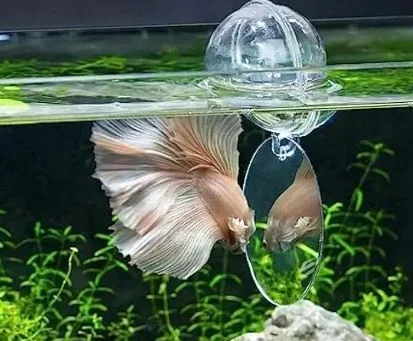
Leaving a mirror in a betta fish tank can spark interesting behavior, but it is not a long-term solution. Mirrors trigger a betta’s natural instinct to flare, which can cause stress if overdone. Use a mirror sparingly for short bursts of stimulation, and always remove it afterward to keep your fish healthy and happy.
Should you leave a mirror in a betta fish tank? This is a question many betta owners ask. The short answer is no, you should not leave a mirror in the tank all the time. But using a mirror for short, controlled sessions can actually benefit your fish. Let us dive deep into why people use mirrors, what happens when your betta sees its reflection, and how to do it safely.
Betta fish are curious creatures. They react to movement, color, and even their own reflection. A mirror in the tank can trigger a natural response called flaring. This is when a betta spreads its fins and looks aggressive. It is a normal behavior, but what does it mean for your fish’s health? That is what we are here to explore.
In this guide, you will learn everything about mirror use in a betta tank. We will cover the science behind the behavior, the pros and cons, and safer alternatives. By the end, you will know exactly how to keep your betta entertained without causing harm.
Key Takeaways
- Mirrors trigger betta flaring: Bettas see their reflection as a rival and will display territorial behavior.
- Short sessions are safe: A mirror for 5 to 10 minutes a few times a week can provide mental stimulation.
- Overuse causes stress: Leaving a mirror in the tank all the time exhausts your betta and harms its health.
- Remove the mirror after use: Always take it out once your betta has had enough interaction.
- There are better alternatives: Live plants, tank mates, and enrichment toys offer longer-lasting stimulation.
- Watch for stress signs: Clamped fins, loss of color, and hiding indicate your betta is overstimulated.
- Every betta is different: Some bettas love mirrors, while others become anxious. Observe your fish closely.
📑 Table of Contents
- Why Do Betta Fish Flare at Mirrors?
- The Pros of Using a Mirror in a Betta Tank
- The Risks of Leaving a Mirror in the Tank
- How to Safely Use a Mirror With Your Betta
- Better Alternatives to Mirrors for Betta Stimulation
- Signs Your Betta Is Stressed by the Mirror
- Common Mistakes People Make With Mirrors
- Expert Insights on Mirror Use for Bettas
- Final Thoughts
Why Do Betta Fish Flare at Mirrors?
When a betta sees its reflection, it thinks it is another male betta. Male bettas are highly territorial. They do not want another male in their space. So they flare up to warn the intruder away. This is a natural survival instinct. It is not just about looking pretty. It is about defending their home.
What Happens During a Flare
During a flare, your betta will do several things. The gills puff out. The fins spread wide. The body may change color slightly. Some bettas even bite at the mirror. This display of dominance is instinctive. It happens every time they see another male betta. And yes, they see themselves in the mirror.
Flaring is not always bad. In small doses, it acts like a workout for your fish. It gets the blood flowing. It engages the mind. Think of it like a quick exercise session. But just like with exercise, too much is harmful.
Is Flaring Good or Bad?
The answer depends on frequency and duration. A short flare session can be healthy. It keeps your betta alert and active. But constant flaring leads to chronic stress. Stressed fish get sick more easily. Their immune system weakens. They may stop eating. Their colors may fade. This is why you should never leave a mirror in the tank permanently.
Some owners also wonder if betta fish get bored in their tank. The answer is yes, they can. A mirror is one way to add temporary stimulation. But it is not a replacement for a proper tank setup with enrichment.
The Pros of Using a Mirror in a Betta Tank
Using a mirror the right way has some real benefits. Let us look at the positives first.
- Mental stimulation: A mirror gives your betta something to interact with. It wakes up their natural instincts.
- Exercise: Flaring engages the fins and body. It is a mild workout that keeps your fish active.
- Color brightening: Some bettas show brighter colors during or after flaring. It can be a sign of a healthy response.
- Bonding opportunity: Watching your betta flare can be fun for you too. It helps you understand your fish better.
- Behavior observation: A mirror lets you see how your betta reacts. This can help you spot health or stress issues early.
These benefits are real, but they only work if you use the mirror correctly. The key word here is short. Keep mirror sessions brief and controlled.
The Risks of Leaving a Mirror in the Tank
Now let us talk about the dangers. Leaving a mirror in the tank for too long causes problems. Here is what can go wrong.
- Chronic stress: Your betta never gets a break from seeing a rival. This wears down its mental and physical health.
- Exhaustion: Constant flaring tires out your fish. A tired betta becomes weak and vulnerable to illness.
- Loss of appetite: Stressed bettas often stop eating. Without food, their health declines fast.
- Aggression buildup: Some bettas become more aggressive in the tank after mirror exposure. They may direct that energy toward tank mates.
- Sleep disruption: If the mirror stays in, your betta may not rest properly. Sleep is essential for fish health.
If you have ever wondered about leaving a betta fish tank light on, the mirror situation is similar. Both involve stimulating your fish, but both need to be managed carefully. Too much of anything is harmful.
The bottom line is this. A mirror is a tool. Like any tool, it works best when used in moderation. Leaving it in the tank 24 7 is a bad idea. Period.
How to Safely Use a Mirror With Your Betta
If you want to try a mirror, here is how to do it safely. Follow these steps and your betta will benefit without the stress.
Step 1: Choose the Right Mirror
Use a small, clean mirror. Avoid anything sharp or breakable. A compact mirror or a small handheld mirror works great. Make sure there are no sharp edges that could harm your fish or the tank.
Step 2: Keep It Short
Place the mirror outside the tank or hold it near the glass. Show it to your betta for 5 to 10 minutes. That is enough time for a good flare session. Do not exceed 15 minutes. Your betta needs time to calm down afterward.
Step 3: Watch Your Betta’s Reaction
Pay close attention during the session. Is your betta flaring excitedly or looking panicked? Some bettas love the interaction. Others get scared. If your fish shows signs of stress, remove the mirror immediately. Not every betta enjoys this activity.
Step 4: Remove the Mirror Completely
Once the session is over, take the mirror away. Do not leave it sitting near the tank. Your betta needs time to relax and return to normal behavior. The mirror should be a tool you use occasionally, not a permanent fixture.
Step 5: Limit Frequency
How often should you use a mirror? Two to three times per week is plenty. This gives your betta stimulation without overwhelming it. Think of it as a weekly treat, not a daily routine.
Also remember that tank setup matters a lot. If you want to enrich your betta’s environment, consider adding a proper lid or cover for the tank first. A secure lid keeps your betta safe and reduces stress from external stimuli.
Better Alternatives to Mirrors for Betta Stimulation
Mirrors are not the only way to keep your betta entertained. There are many safer and more effective options. Let us explore them.
Live Plants
Live plants do wonders for a betta tank. They provide hiding spots. They give your fish something to explore. Plants also improve water quality. Bettas love to rest on broad leaves like those of a java fern or anubias. These natural additions make the tank feel more like home.
Tank Mates
Some fish can live peacefully with bettas. Snails, for example, are great companions. They move slowly and do not bother your betta. You can also consider adding other fish with your betta, but this requires careful research. Not all fish get along with bettas. Choose peaceful species that share similar water conditions.
Enrichment Toys
Betta toys are becoming more popular. Floating logs, ping pong balls, and treat puzzles can all engage your fish. These items encourage natural behaviors like exploring and foraging. They provide mental stimulation without the stress of a mirror reflection.
Tank Rearrangement
Sometimes just rearranging the tank decor can excite your betta. Moving a plant or adding a new piece of driftwood gives them something fresh to investigate. It is like redecorating their home. Just make sure any new items are fish-safe and do not alter the water chemistry.
Feeding Enrichment
You can also make mealtime more interesting. Instead of dropping food on the surface, use a feeding ring or scatter food around the tank. This encourages your betta to hunt and explore. It mimics natural feeding behavior and keeps them mentally active.
| Method | Stress Level | Duration of Benefit | Ease of Use |
|---|---|---|---|
| Mirror Sessions | Low (if controlled) | Short term (minutes) | Easy |
| Live Plants | None | Ongoing | Moderate |
| Tank Mates | Low to Moderate | Ongoing | Harder |
| Enrichment Toys | None | Ongoing | Easy |
| Tank Rearrangement | None | Temporary (days) | Easy |
| Feeding Enrichment | None | Ongoing (mealtimes) | Easy |
As you can see, mirrors rank low on the list for long-term enrichment. They serve a purpose, but they are not the best option for daily stimulation. The alternatives listed above provide consistent benefits with minimal risk.
Signs Your Betta Is Stressed by the Mirror
Even with careful use, some bettas do not handle mirrors well. Watch for these warning signs.
- Clamped fins: Fins held close to the body signal discomfort or fear.
- Loss of color: A faded or pale appearance often means stress.
- Hiding: If your betta hides more than usual after a mirror session, it was too much.
- Rapid breathing: Heavy or fast gill movement indicates distress.
- Refusing food: A stressed betta may stop eating for a day or two.
- Erratic swimming: Darting around the tank or rubbing against objects is a red flag.
If you notice any of these signs, stop using the mirror immediately. Give your betta time to recover in a calm environment. Check your water parameters too. Stress can sometimes be linked to poor water quality. If the behavior continues, consult a vet or experienced fish keeper.
Remember that putting a betta in a regular fish tank requires careful attention to the environment. The same applies to mirror use. Your betta’s comfort should always come first.
Common Mistakes People Make With Mirrors
Let us clear up some mistakes that many betta owners make. Avoiding these will keep your fish safe.
- Leaving the mirror in the tank: This is the biggest mistake. A mirror is not a toy. It is a tool for short sessions only.
- Using the mirror too often: Daily mirror sessions can lead to chronic stress. Stick to a few times per week at most.
- Ignoring your betta’s reaction: Every fish is different. Some love mirrors, others hate them. Pay attention and adjust accordingly.
- Using a dirty mirror: A dirty mirror can introduce bacteria or chemicals into the tank water. Always clean it before use.
- Expecting mirrors to replace proper tank setup: A mirror does not fix a boring tank. Invest in plants, hiding spots, and proper filtration first.
By avoiding these mistakes, you can use a mirror safely and effectively. Your betta will thank you with vibrant colors and active behavior.
Expert Insights on Mirror Use for Bettas
Many fish keepers and veterinarians weigh in on mirror use. The general consensus is that mirrors are fine in moderation. Dr. Jessie Sanders, a certified aquatic veterinarian, has noted that controlled mirror exposure can provide enrichment. But she also stresses that it should never replace a well-designed tank environment.
The key is balance. A mirror is one small piece of the puzzle. A healthy betta needs proper water conditions, a good diet, adequate space, and mental enrichment. The mirror is just one tool in your kit. Do not rely on it as the sole source of stimulation.
If you are serious about betta care, focus on the basics first. Clean water, stable temperature, and a well-planned tank go a long way. Once those are in place, you can experiment with mirrors and other enrichment methods. You can also explore whether filtered tanks are better for bettas to ensure your fish has the healthiest possible environment.
Final Thoughts
So, should you leave a mirror in a betta fish tank? No. But should you use one occasionally? Yes, absolutely. A mirror can be a fun and engaging tool when used correctly. The key is moderation. Keep sessions short, watch your fish closely, and always remove the mirror afterward.
Your betta deserves a stimulating and stress-free environment. Mirrors can add variety to their day, but they should never be the main source of enrichment. Combine mirror use with live plants, proper tank mates, and interactive feeding for the best results.
Take what you have learned here and apply it. Your betta will be healthier, happier, and more vibrant. That is the real goal of every betta owner. A happy fish makes for a rewarding hobby. Enjoy the journey of giving your betta the best life possible.
Frequently Asked Questions
Can I leave a mirror in my betta fish tank overnight?
No, you should never leave a mirror in the tank overnight. Your betta needs to rest, and a mirror will keep it stressed and alert. Always remove the mirror after your short session is complete.
How long should I use a mirror with my betta fish?
Keep mirror sessions to 5 to 10 minutes. This gives your betta enough time to flare and exercise without becoming exhausted or stressed. Remove the mirror immediately after the session ends.
Do all betta fish like mirrors?
No, not all bettas react the same way to mirrors. Some love to flare and seem entertained, while others become frightened or anxious. Watch your fish closely and stop using the mirror if you see signs of stress.
Will a mirror make my betta fish aggressive?
Short mirror sessions can cause temporary aggression, which is normal. But long-term mirror exposure can lead to chronic aggression and stress. Always use mirrors sparingly and observe your betta’s behavior carefully.
What is the best alternative to a mirror for betta stimulation?
Live plants, enrichment toys, and tank rearrangement are excellent alternatives. These provide ongoing stimulation without the stress of constant reflection. A well-decorated tank is the best long-term enrichment strategy.
Can mirror use harm my betta fish’s health?
Yes, if overused. Constant mirror exposure weakens the immune system and can lead to illness. Use mirrors only a few times per week for short durations to keep your betta healthy and stress-free.